Beijing, seemingly out of the blue, has liberalized two areas that it had previously regulated strictly. It has made it easier for Chinese institutions and people to invest internationally.
The authorities have also decided to broaden the scope for issuing what are called panda bonds—yuan-denominated securities issued by foreign borrowers in Hong Kong markets.
Though these actions seem rather distant from one another, both aim squarely at Beijing’s management of the yuan, keeping it as cheap as possible to support export growth and promoting the currency’s use internationally. The links involved here have a few twists and turns, but the flow is clear, nonetheless.
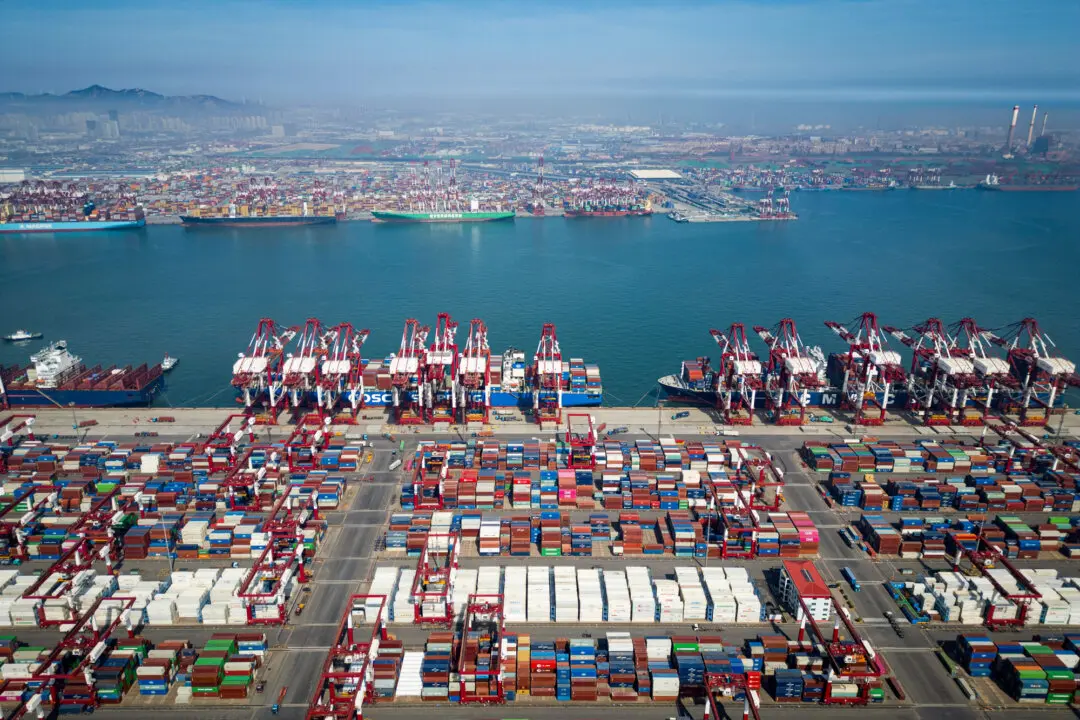
The starting point is China’s huge trade surplus. It reached a record dollar equivalent of $1.19 trillion in 2025, and as of July this year, the most recent period for which data are available, it hit a monthly record of $112.5 billion.
Because China sells so much more overseas than it buys, more yuan flow into the country than flow out, creating something of a shortage of yuan in global trading circles and accordingly putting upward pressure on the yuan’s foreign exchange rate. Over the past 12 months, the yuan has appreciated by 6 percent against the U.S. dollar.
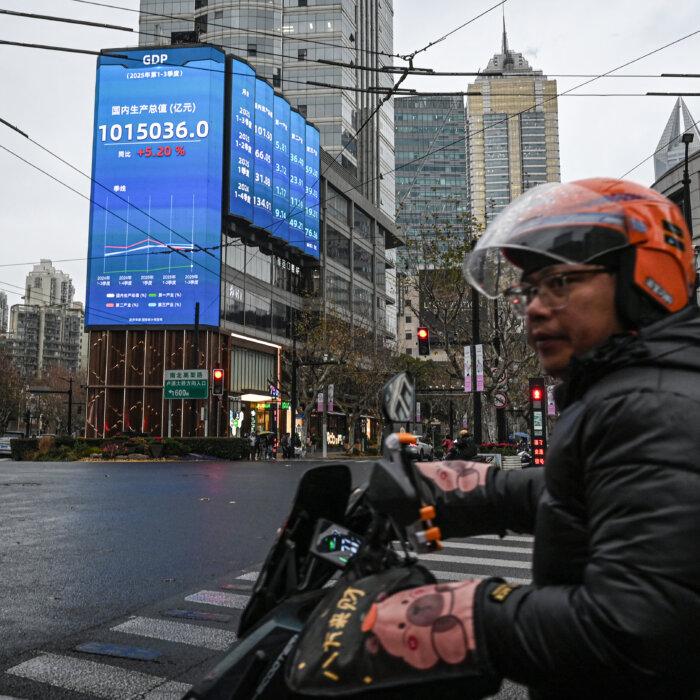

While that gain may create a point of pride for the prestige-conscious folks in Zhongnanhai, it is also a concern because the yuan’s rising exchange rate makes Chinese goods more expensive for foreigners, thereby undermining a source of China’s export strength. It also thwarts Beijing’s efforts to internationalize the yuan by limiting its availability as a medium of international exchange, except perhaps for China trade.
To counter these unwanted effects, Beijing has made efforts to push the yuan back onto global markets. An outflow of yuan would blunt or perhaps reverse the currency’s appreciation in foreign exchange markets while also providing the world’s financial markets with an ample supply of yuan to encourage its use in matters other than direct China trade, that is to say, to help internationalize the currency. That is where these two liberalizations come into the picture.
So far, Beijing has not disclosed the extent of all its liberalizing actions, but the direction is nonetheless clear. Beijing’s State Administration on Foreign Exchange (SAFE) announced in the middle of July that it would make fresh quotas on how much so-called Qualified Domestic Institutional Investors (QDII) could invest in foreign securities. (Retail investors could access these foreign investments through mutual funds.)
SAFE further implied that it would enlarge the quota still more over time. Such an outflow of yuan could do much to reverse the implications of the trade surplus.
And these funds offer considerable potential. QDII assets rose by some 57 percent in 2025 to 833.7 billion yuan ($123 billion). Although SAFE’s Director General Xiao Sheng stated that the enlarged quotas would “better support and meet the legitimate and compliant overseas securities investment needs of domestic residents,” which is no doubt true, he hardly disguised Beijing’s primary motivation when he added that the decision was mostly to advance the two-way opening of China’s financial markets, in other words, the internationalization of the yuan.
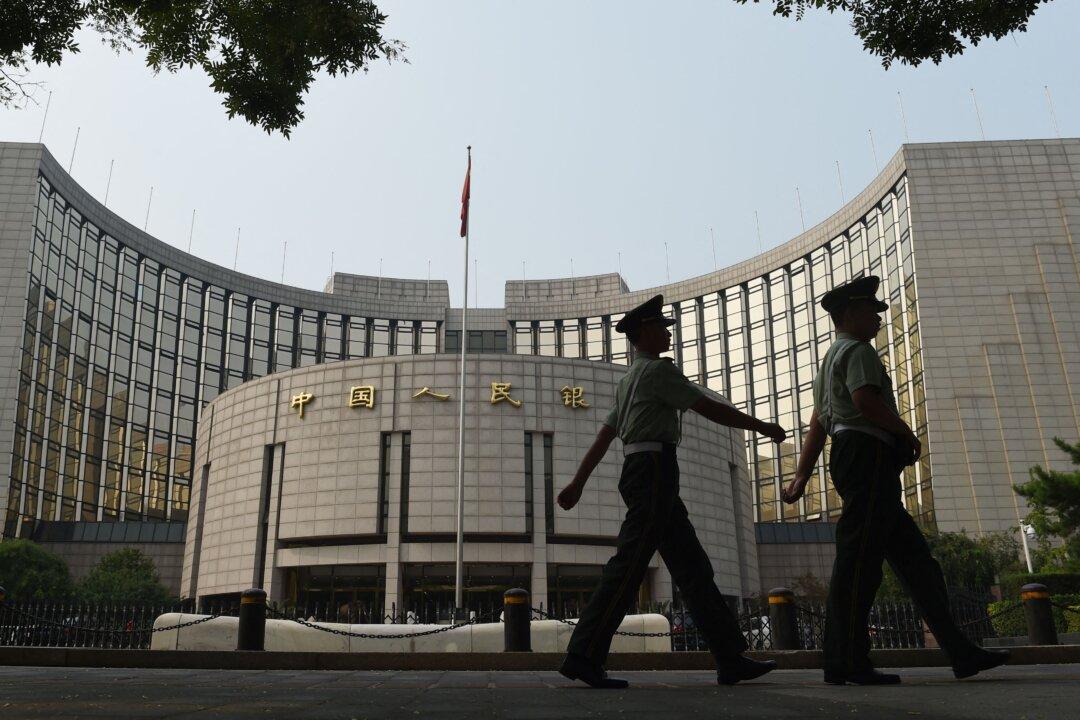
An increase in the issuance of panda bonds would have similar effects. With foreigners issuing yuan-denominated bonds, that is, borrowing yuan, more and more of China’s currency would enter international markets, holding back the rise in the yuan’s foreign exchange value and encouraging its use in global finance. Governor Pan Gongsheng of the People’s Bank of China announced a 60 percent increase in what he called southbound (read Hong Kong) bond connect, for example, the ability to buy and sell eligible offshore (panda) bonds.
There certainly is demand. In the last year alone, the panda bond market has increased by about 69 percent to more than 160 billion yuan ($23.6 billion). The number of players issuing such bonds rose 30 percent to 2,500 in the first half of this year. Most of the issues come from China’s trading partners such as Hungary, Kazakhstan, Indonesia, and Brazil, but whoever is borrowing the yuan, the currency outflow serves Beijing’s desire to push more yuan onto global markets.
It remains far from apparent how successful Beijing will be in these efforts to keep the yuan’s foreign exchange rate from rising too far and to internationalize the yuan. It is even less clear whether Beijing can reach its longer-term goal of supplanting the U.S. dollar as the world’s primary means of international exchange, what bankers and economists refer to as the “global reserve,” but the links between these objectives and recent liberalizations should be clear.