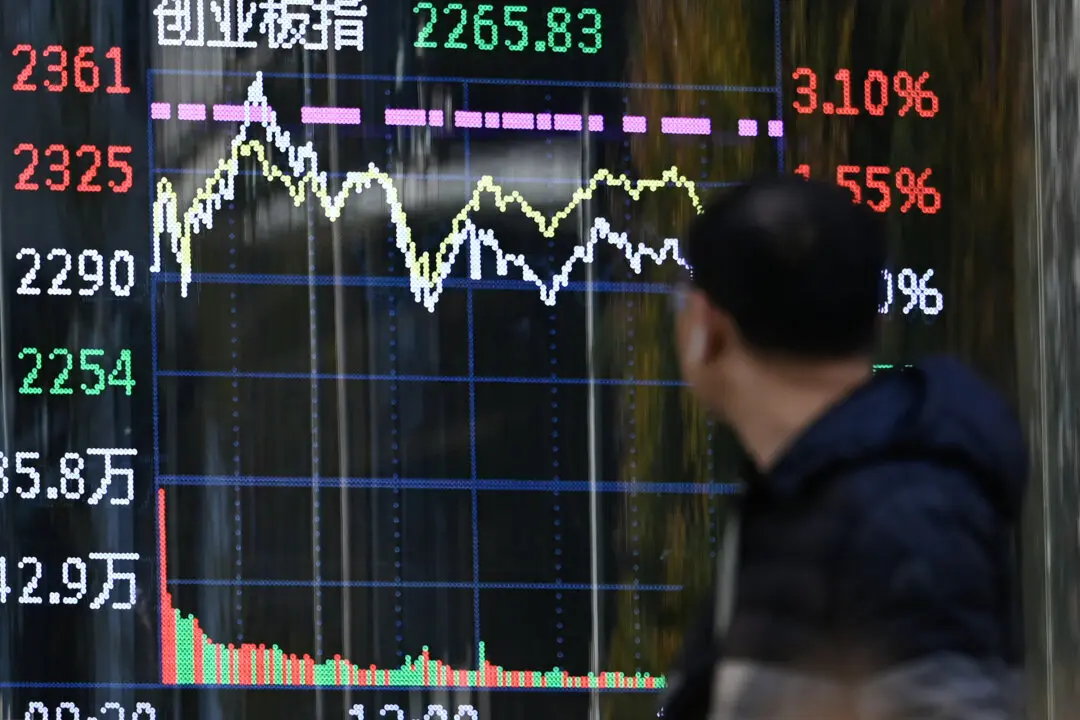
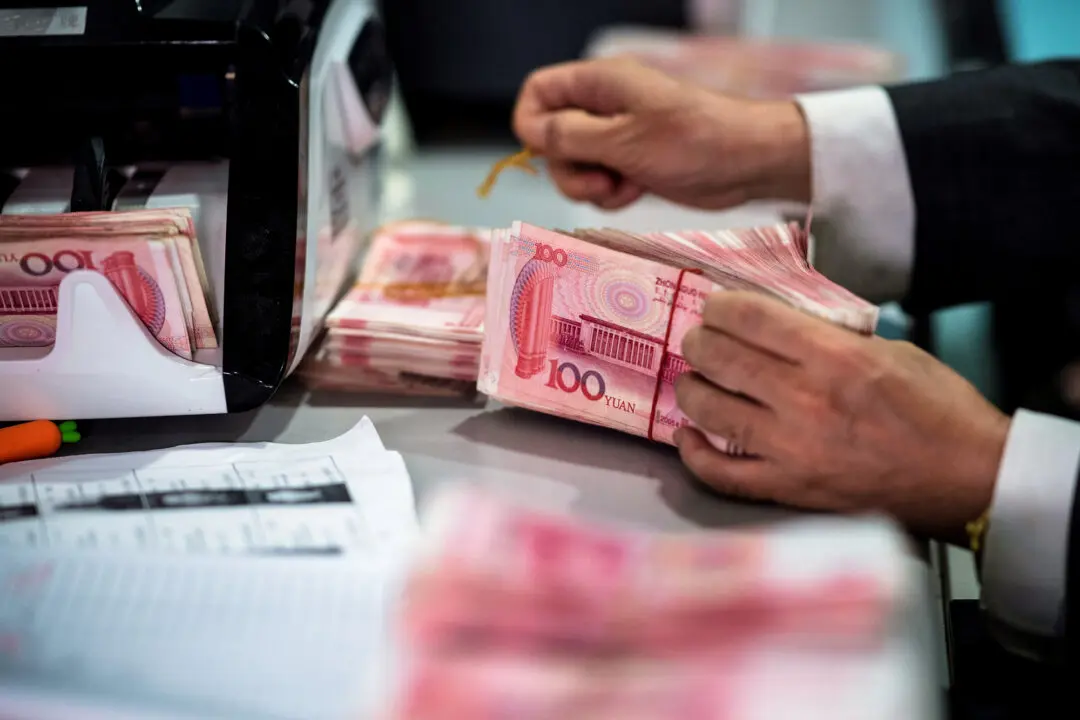
China’s fiscal position has deteriorated rapidly in recent years. Authorities have instructed agencies at all levels to find ways to unlock the potential of existing assets and resources to cope with the strain.
A Tougher Legal Net on Bribery
China’s top judicial bodies on April 10 jointly issued a new interpretation on the application of law in bribery and corruption cases. The rules lower the threshold for criminal liability for private companies’ personnel offering bribes and give authorities greater control to recover alleged bribe payments. The measures take effect on May 1.The harshness of the new interpretation is evident in one example. Mainland criminal defense lawyer Cai Yaqi said some provisions “carry a huge amount of weight” and are “even alarming.” He cited Article 23(3), which stipulates that illicit funds can still be recovered from the bribe-giver if they have not yet been delivered to the recipient or have been returned. In practice, if a business owner reaches—even implicitly—an agreement to pay a public official 1 million yuan, authorities could recover that amount once the agreement is established, even if no money changed hands.
A Sweeping Draft Financial Law
From March 20 to April 19, the Ministry of Justice, together with the People’s Bank of China and other regulators, solicited public comment on a draft Financial Law. The official explanation states that its primary goal is to “highlight the political nature of financial work,” suggesting that the consultation is largely procedural.The draft applies broadly to any individual engaged in financial activity in China and would give regulators greater control. For example, Article 55 grants financial authorities expansive, quasi-judicial powers, including the ability to access communications data and restrict individuals’ control over their assets. It also allows exit bans on individuals deemed likely to endanger “national security and interests,” raising concerns about pressure on groups such as private entrepreneurs and dissidents.
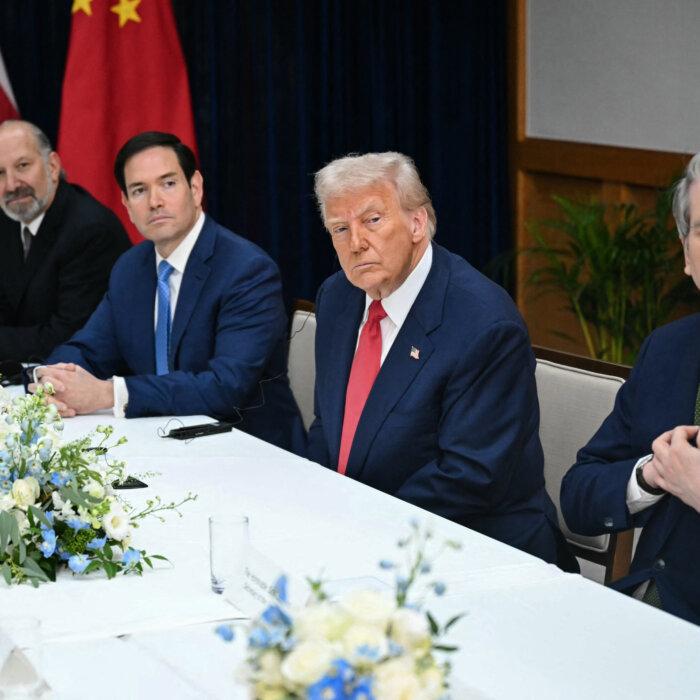

China’s opaque use of exit controls has long drawn scrutiny. Manus, founded by a Chinese team and headquartered in Singapore, had attracted a potential $2 billion acquisition by Meta. In January, China’s commerce authorities said they would review the deal. In March, the National Development and Reform Commission summoned Manus CEO Xiao Hong and chief scientist Ji Yichao to Beijing for questioning. They have since been barred from leaving mainland China.
A Tax Push on Offshore Trusts
As reported by Chinese news portal Sina, since March, tax authorities in certain regions, including Jiangsu Province in eastern China and Shenzhen in Guangdong Province in the south, have required holders of offshore trusts to fully disclose their investment income, including dividends and share transactions. Shanghai had already launched a similar review in early 2025, demanding disclosures of overseas asset flows from the prior two to three years, with a focus on areas prone to underreporting, such as Hong Kong stock dividends and equity transfers.Temples Come Under Tax Scrutiny
As many religious sites in China have become commercialized, temples and abbots are often believed to control substantial assets. Reports have cited Shaolin Temple abbot Shi Yongxin as having overseas holdings of at least $3 billion.According to sources cited by The Epoch Times, tax authorities have internally directed that temples and their affiliated entities—long overlooked—be brought fully into the audit system.