We are now smack dab in the middle of the tourist season in Europe, where hundreds of millions of tourists of all ages and walks of life flock each summer.
Whether it be the College student backpacking through hostels, a family hiking through the Alps, or the retiree on a Mediterranean cruise, Europe attracts all comers. In the age of cheap travel, Europe can attribute 10 percent of its GDP to tourism.
But why brave the crowds and all the fuss and bother of travel amid the summer heat? Surely, it would be better to find a quiet spot closer to home for a bit of rest and relaxation. If it is a change of scenery or a bit of adventure we want, why not visit the next town or state over? Why go out of our way to travel to Europe?
There are any number of answers one could offer. Some might say that North Americans enjoy seeing sites older than their own countries; others say that tourists are on the hunt for a photo op at famous places to impress friends and followers online. An American of European descent may wish to connect with his Irish or Italian cultural roots.
Such theories may seem enough, but they can hardly account for the sheer numbers that suggest something more, an ineluctable pull that so many feel to drink in the wealth of cultural riches that Europe has to offer. While an American of Scottish descent may like to visit the Highlands, this does not explain what his fellow traveler from Japan is doing in Edinburgh, nor do the Instagram likes seem worth the cost and jet lag to pose in front of the Mona Lisa.
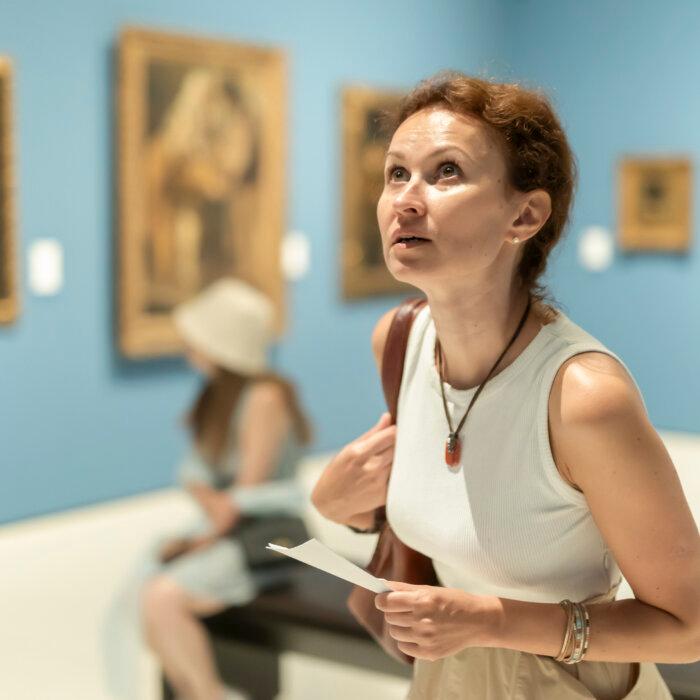
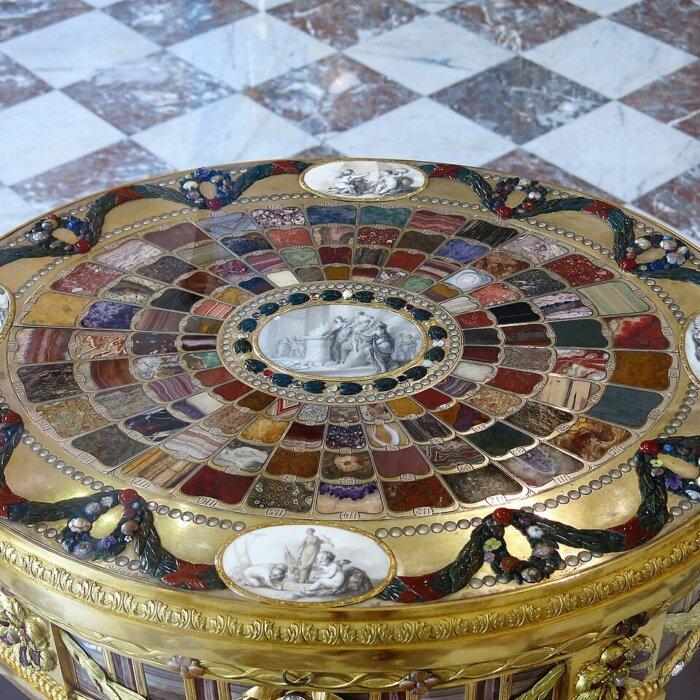
I want to suggest that Europe draws people from all over the world and of all ages for a simple but profound reason: her beauty.
For centuries, European civilization built works of great utility—castles, aqueducts, stadiums, palaces, churches—but they hardly raised a single building without taking into account what we would now call its beauty.
Beauty is our gateway to what is good. We are spontaneously attracted to beauty because it is calling us toward pursuing the good in this life, in the widest possible sense of the term.
Great works of art and architecture—the kind Europe has in abundance—remind us of that calling to live the good life. While the average tourist may not put it quite this way, he knows it in his heart and feels it when standing in front of Europe’s artistic treasures and carefully tended natural beauty.
All fatigue, travel stress, and money suddenly become worthwhile when looking up at the rose window of Chartres Cathedral, staring at Botticelli’s Venus face-to-face in the Uffizi, or casting a glance over the English countryside. No further explanation is needed. This experience is enough.
Or is it? While contemplative, beauty also instills a hunger in those who seek it. It is rare for those who visit Europe once to fail to make a return visit.
The longing to return and see more and other works of beauty is not sated by a single encounter. Seeing a great work of art may inspire amateur study, a desire to bring a friend or loved one next time, or to take a degree in classics, art history, or French. Many Americans seek to live in Europe, to feel what it is to be surrounded by ancient and inspiring beauty day in, day out. In other words, beauty calls us to many a good thing.
A final thought inspired by our friend Plato. Alongside a sense of vocation and goodness, philosophers have also tied beauty to the desire for immortality. There is something about being in the presence of beauty that gives us the idea that not only might we like to live forever, but that it is possible. Great works of art themselves suggest as much by their endurance, having survived the lives of many men.
That people sought to preserve these cultural achievements can be put down to their beauty. No one will shed any tears when the time comes to pull down your local glass or concrete monstrosity, but the world cries out in horror when it discovers Notre Dame is on fire.
Beauty is made to endure and teaches us that we are, too. Our culture’s great works of art offer us a kind of proof of this intuition.
In subsequent articles, I will offer some thoughts on what makes some of Europe’s great works of art and architecture beautiful, beginning next time with “the case of the Baroque.” I hope you will join me!