The Constitution’s Adoption
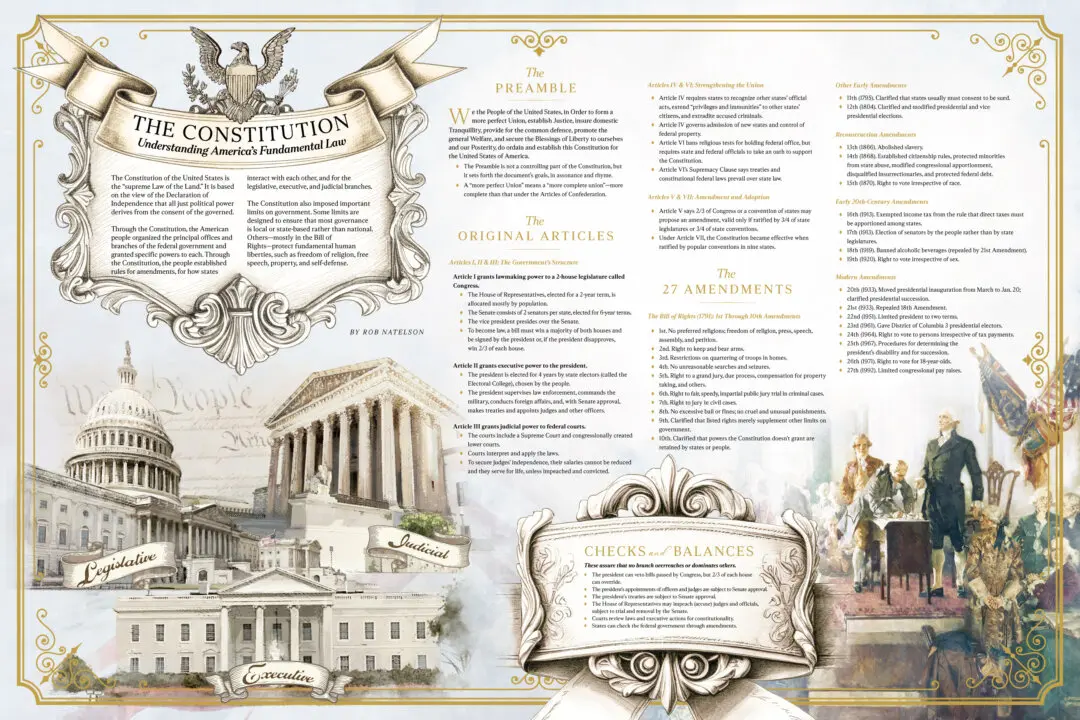
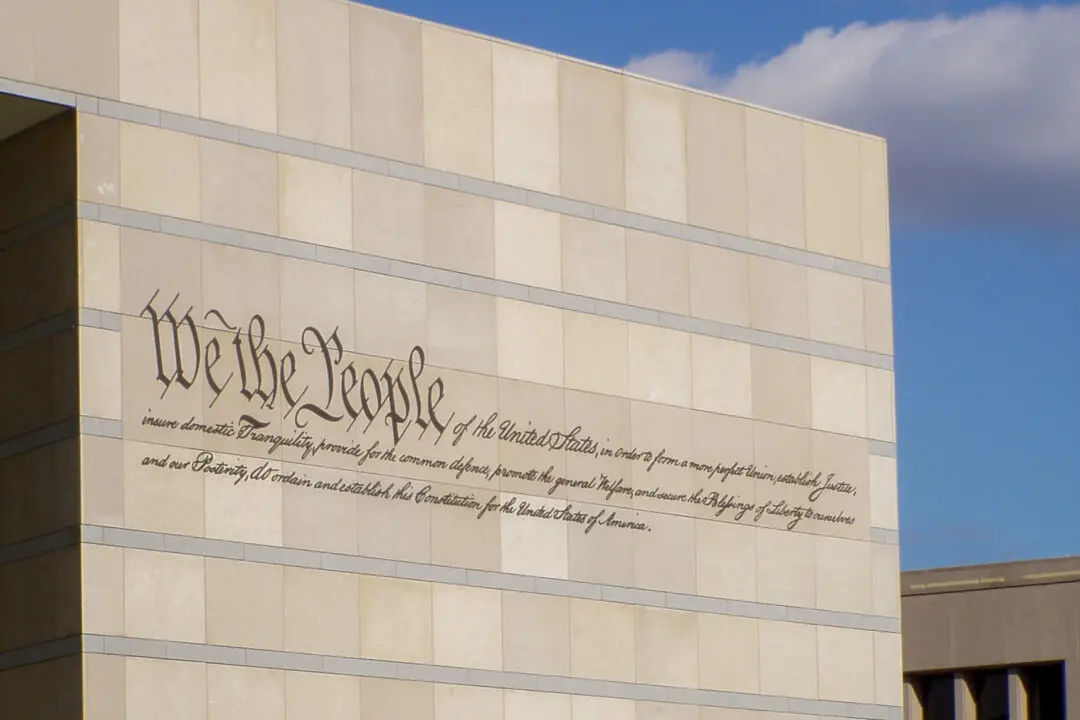
In 1786, the delegates at a convention of states meeting in Annapolis, Maryland, recommended to their home states that they call a wider convention for the following May in Philadelphia to “take into consideration the situation of the United States, to devise such further provisions as shall appear to them necessary to render the constitution of the Federal Government adequate to the exigencies of the Union.”On the last day of the proceedings, the convention sent its proposed Constitution to Congress, which unanimously transmitted it to the states. Eventually, elected conventions in all 13 states ratified it, culminating in its approval by Rhode Island on May 29, 1790. The Republic of Vermont ratified it in January 1791 and became the 14th state.
The new Federal Congress met in 1789 and, pursuant to a “gentlemen’s agreement” by which the Constitution was ratified, proposed 12 amendments as a new Bill of Rights. By the end of 1791, the requisite number of states had approved 10 of them.

Lessons in General
Lessons from ancient Rome impacted the constitutional debates at every stage. They included lessons in morality, constitutional history, and rhetoric.Moral Lessons
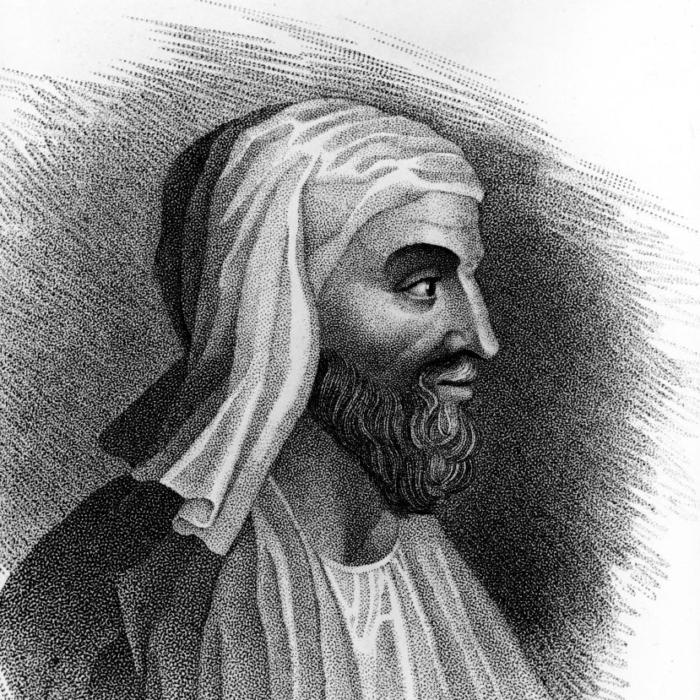
Although both Roman and modern authors have frequently depicted Romans as morally depraved, with some exceptions (gladiatorial contests, for example), basic moral standards were not that different from those prevailing in America before 1960.Livy told of republican virtue: how people facing oppression, danger, and other challenges persevered and overcame. But he also related how, during times of crisis, the two consuls could be paralyzed by their differences, forcing the Senate to grant a six-month appointment to a single “dictator.”
Livy related the story of Lucius Quinctius Cincinnatus: how he came out of retirement to save Rome from the hostile armies surrounding the city. He accepted the office of dictator, rallied his country’s troops, defeated the enemy, and then laid down his power—all in a period of 16 days.
Livy also related how the general Quintus Fabius had frustrated Hannibal by avoiding pitched battles (which Hannibal always won) and adopting guerrilla tactics instead.
Tacitus, by contrast, told of the moral depravity of emperors who were selected for their family connections and remained in office for life.
In statues and in other ways, members of the founding generation portrayed George Washington as “the American Cincinnatus”—because he left his plow to save his country and then returned to his plow—and as “the American Fabius”—because he won the Revolutionary War largely by tactics of avoidance and delay.
Roman Moral Examples in the Ratification Debates
During the debates over whether to ratify the Constitution, participants on both sides—the pro-Constitution “Federalists” and the anti-Constitution “Antifederalists”—often called on Roman moral illustrations to underscore their messages. Cicero was viewed as the archetype of the wise and good statesman, who showed wisdom and courage in suppressing the evil, insurrectionary Catiline. Accordingly, a Pennsylvania Antifederalist, writing under the pseudonym “Cicero,” announced that he would respond to a Federalist “Catiline.” And a Massachusetts Federalist branded an anonymous opponent a “MODERN CATILINE.”Participants, particularly Antifederalists, employed the writings of Tacitus to demonstrate the risks of power and corruption. Thus, a Virginia Antifederalist writing as “Brutus” recounted abuses by the emperors Tiberius and Nero. A Rhode Island Antifederalist, writing as “Cato junior,” relied on Tacitus to show that corrupt governments endeavor to corrupt the people:
“Ill governments, subsisting by vice and rapine, are jealous of private virtue, and enemies to private property. ... Hence it is, that to drain, worry, and debauch their subjects, are the steady maxims of their politics, their favourite arts of reigning. In this wretched situation the people to be safe, must be poor and lewd.”
“Cato junior” said the contagion is mutual. A corrupted people idolize corrupt leaders.
“Even Nero (that royal monster in man’s shape) was adored by the common herd at Rome. ... Tacitus tells us, that those sort of people long lamented him,” he said.