



Before writing this article, I visited two dentist friends of mine who run their practice together. They have two beautiful dental clinics in Southern California. When I asked them what dental problem they see most often, their answer surprised me: gum disease.
To be honest, I did not expect that answer. Most people know they should get regular dental cleanings and checkups. So why is gum disease still so common? The dentists explained that while professional cleanings are important, the habits we have at home may matter even more: brushing carefully, cleaning between the teeth, and flossing consistently.
They also reminded me that gum disease can be easy to miss because it often does not hurt in the beginning. Red, swollen, or bleeding gums may seem minor at first, but they can be early warning signs. Over time, ongoing gum inflammation and periodontal disease can cause teeth to loosen and, in severe cases, even fall out. Gum health can also affect more than the mouth. Bacteria from inflamed gums may enter the bloodstream and can be linked to broader health concerns, including heart health.
🌿 Should You Floss Every Day?
Yes. Flossing every day is important, and it is usually best to floss before brushing. A toothbrush can clean the outer and inner surfaces of the teeth, but it cannot fully reach the tight spaces between them. Food particles and plaque can easily hide between teeth and along the gumline.For everyday cleaning, traditional string floss is still a good place to start. For people with more advanced gum problems or who have larger spaces between their teeth, interdental brushes may be easier and faster to use. Water flossers can also be helpful, especially for cleaning around crowded teeth, uneven tooth positions, braces, implants, or other hard-to-reach areas.
When using string floss, guide it gently down toward the base of each tooth. Let the floss hug one side of the tooth, then move it upward along the tooth surface. Repeat on the other side. The goal is not to snap the floss up and down, but to clean each side of the tooth carefully.
💡 Tip: Many people have trouble sticking with flossing because it takes patience. One small trick is to play music while you floss. Treat it as a quiet part of your daily routine, not another chore you have to rush through.
🌿 Do You Really Know How to Brush Your Teeth?
When the question came up, my first reaction was: Really? Is that even a question? I have been brushing my teeth since childhood. Of course I know how to brush.
But before answering too quickly, it helps to look at a few details and see whether they are already part of your routine.
- Brush twice a day, ideally once in the morning and once at night.
- Try to brush for about two minutes each time.
- Use a soft-bristled toothbrush to help avoid wearing down enamel or irritating the gums with too much pressure.
- For adults, fluoride toothpaste is a simple way to help strengthen teeth and protect them from cavities in daily care.
- Before you finish, gently brush your tongue as well to help reduce bacteria left behind in the mouth.
💡Tip:
You may also want to consider an electric toothbrush with a soft brush head. Many models have a built-in two-minute timer, and some can alert you when you are brushing too hard. This can be especially helpful if you tend to use too much pressure without realizing it.
🌿 Should Mouthwash Contain Alcohol?
My next question for the dentists was whether mouthwash should contain alcohol.
Their suggestion was to choose an alcohol-free mouthwash, especially for people who often deal with dry mouth.
Alcohol is generally believed to disrupt the normal balance of bacteria in the mouth. It can also take away moisture and reduce saliva flow. When saliva decreases, the mouth loses some of its natural protection and self-cleaning ability, which may make it easier for bacteria to grow.
💡 Tip:
It is often better to wait about 10 minutes after brushing before using mouthwash. This gives the fluoride in toothpaste more time to stay on the tooth surface and do its job.
🌿 Products That May Help With Daily Oral Care
After learning more from the dentists, I started looking at products that might be helpful in a daily oral care routine.
The products below are popular options on the market, and all of them have customer ratings of four stars or higher. I included brief product descriptions to give you a starting point for comparison, and I also shared my own experience with two of the products as a personal reference.These products are not meant to replace good brushing, flossing, or professional dental care, but some may be useful additions if they fit your needs and routine.
- Dental Floss
- Water Flosser
- Electric Toothbrush
- Gum Care & Oral Cleaning Tools
- Mouthwash
- Oral Health & Nutrition Books
Dental Floss
For this section, I selected four types of dental floss: a traditional string floss, two expanding floss options, and one floss made for cleaning around bridges, braces, and wider spaces between teeth.Glide Comfort Plus Extra Soft Dental Floss

Glide Comfort Plus Extra Soft Dental Floss
Floss more comfortably with Glide Comfort Plus Dental Floss, made with extra-soft, micro-textured fiber that slides between teeth while helping remove plaque and food debris. Each value pack includes three 40-meter rolls for daily use. Oral-B notes that its floss products are not formulated with PTFE or any type of PFAS.BURST Mint Eucalyptus Expanding Dental Floss

BURST Mint Eucalyptus Expanding Dental Floss
For a closer look at what daily flossing removes, BURST Expanding Dental Floss uses black woven fibers that expand with saliva to capture plaque between teeth. It removes up to 85% of plaque from areas a toothbrush can’t reach—twice as much as unwaxed floss. The 40-yard mint eucalyptus floss includes a xylitol coating, helps absorb stains from coffee and wine, and comes in a refillable case.Cocofloss Mint Expanding Woven Dental Floss

Cocofloss Mint Expanding Woven Dental Floss
Clean between teeth with Cocofloss Expanding Woven Dental Floss, a dentist-designed floss made with 500+ interwoven fibers that expand to help capture plaque. The mint-scented floss is infused with coconut oil and microcrystalline wax so it can glide more comfortably while scrubbing between teeth. Each 33-yard spool lasts about two months for one person, and the refillable dispenser helps reduce plastic waste.Oral-B Super Floss for Braces and Bridges

Oral-B Super Floss for Braces and Bridges
Oral-B Super Floss is made for places regular floss can be hard to use, including braces, bridges, retainers, and wider spaces between teeth. Each box includes 100 pre-cut mint-flavored strands, with a stiffened end for threading under dental appliances and a spongy-fiber section for cleaning around hardware and open gaps. It helps reduce plaque buildup and is not formulated with PTFE or PFAS.Water Floss
Four water flossers were selected for this section. Two are travel-size models with about 300 mL water tanks, which can also be kept at the office for daily use. One is a larger countertop model for home use, and another is a compact option that is easy to carry with you.
I have personally used the Waterpik Cordless Advanced Portable Water Flosser, and I would say it is one of the most comfortable water flossers I have tried, both for my gums and for the overall cleaning experience. What stood out to me is that, beyond the main stream of water, the pressure seems to spread gently around the gum area, creating a light massaging effect. This model is relatively more expensive, but of course, you can compare the options and choose the one that feels right for your own routine.
COSLUS Water Dental Flosser

COSLUS Water Dental Flosser
For a more complete clean between teeth, the COSLUS C20 Water Dental Flosser uses 0.3mm+0.3mm ultra-fine dual-thread water pulse technology with strong, steady pressure to help clear food debris and plaque. Its ADA-accepted design supports healthier gums in about 15 days, while the 300ml BPA-free tank, multiple modes, and adjustable pressure settings make daily flossing easier to customize.Waterpik Cordless Pulse 3100 Portable Water Flosser

Waterpik Cordless Pulse 3100 Portable Water Flosser
Clean between teeth at home or on the go with the Waterpik Cordless Pulse 3100, an ADA-accepted rechargeable water flosser with two pressure settings and a comfortable non-slip grip. Waterpik is the #1 water flosser brand recommended by dental professionals. It includes a precision tip and tongue cleaner tip, uses PrecisionPulse technology to help remove plaque bacteria, and is waterproof for shower use. The removable 6 oz reservoir provides up to 45 seconds of flossing time.Waterpik Aquarius Electric Water Flosser with 10 Settings

Waterpik Aquarius Electric Water Flosser with 10 Settings
For a deeper clean around teeth, gums, braces, and tight spaces, the Waterpik Aquarius Water Flosser offers 10 pressure settings and seven tips for different users and oral care needs. This ADA-accepted countertop model has a 22 oz removable reservoir for more than 90 seconds of flossing. Its PrecisionPulse technology uses water pressure and pulsations to remove up to 99.9% of plaque bacteria from treated areas, helping reduce the risk of gingivitis, bleeding gums, cavities, and bad breath.Mini Cordless Portable Water Flosser for Travel

Mini Cordless Portable Water Flosser for Travel
Clean teeth, braces, and bridges on the go with the SYNHOPE Mini Cordless Water Flosser, a portable oral irrigator with a telescopic water tank and built-in nozzle storage to save space. It delivers 1200 water pulses per minute with up to 140 PSI pressure, offers Soft, Pulse, and Strong modes, and has an IPX7 waterproof design. A full charge takes about 4 hours and supports up to 30 days of use.Electric Toothbrush
Brushing is something most of us have done since childhood, but the right toothbrush can make it easier to brush consistently and avoid using too much pressure. Electric toothbrushes can be especially helpful because many include built-in timers, pressure sensors, and different cleaning modes. The options below range from simpler everyday models to brushes with additional settings for gum care, polishing, and sensitive teeth.Aquasonic Black Series Ultra Whitening Electric Toothbrush

Aquasonic Black Series Ultra Whitening Electric Toothbrush
Brush more thoroughly with the Aquasonic Black Series Electric Toothbrush, an ADA-accepted model with a 40,000 VPM motor, four brushing modes, and a smart timer to support daily plaque removal and gum care. Black Series goes beyond just cleaning teeth, offering complete oral care with dedicated modes for whitening and polishing teeth and improving gum health. It also includes eight DuPont brush heads, a wireless charging base, and a travel case for home use or travel.Oral-B Pro 1000 Rechargeable Electric Toothbrush

Oral-B Pro 1000 Rechargeable Electric Toothbrush
Oral-B Pro 1000 keeps electric brushing simple with a dentist-inspired round brush head that helps remove more plaque along the gumline than a manual toothbrush. Three cleaning modes and a built-in quadrant timer guide daily brushing, while Gum Pressure Control stops pulsations if you brush too hard. It is a practical starter electric toothbrush for better plaque removal and gentler gum care.Philips Sonicare 4100 Rechargeable Electric Toothbrush

Philips Sonicare 4100 Rechargeable Electric Toothbrush
Philips Sonicare 4100 uses Advanced Sonic Technology to move fluid between teeth and along the gumline for a gentle but effective clean. Its C2 Optimal Plaque brush head helps remove up to 700% more plaque than a manual toothbrush, while the pressure sensor reminds you to ease up when brushing too hard. A 2-minute timer, QuadPacer, brush-head replacement reminder, and 14-day battery life make it easy to keep a consistent brushing routine.COSLUS C30 Electric Toothbrush for Adults

COSLUS C30 Electric Toothbrush for Adults
COSLUS C30 is built for shared family use, with five cleaning modes and three intensity levels that make it easier to adjust for different ages and oral conditions. Designed for users 12 and older, it offers settings for gentle massage, stronger cleaning, and daily care in between. The ergonomic non-slip handle is easy to hold, while the magnetic levitation motor, soft and medium-firm brush heads, IPX7 waterproof body, and compact travel design make it practical for home, office, or travel.Gum Care & Oral Cleaning Tools
A toothbrush and floss should form the foundation of daily oral care, but some areas of the mouth can still be difficult to reach. Braces, implants, retainers, back molars, wisdom teeth, and wider spaces between teeth may sometimes need a little extra attention. The following tools are designed for more targeted cleaning around these areas and along the gumline.Fregum End Tuft Toothbrush for Orthodontic Care
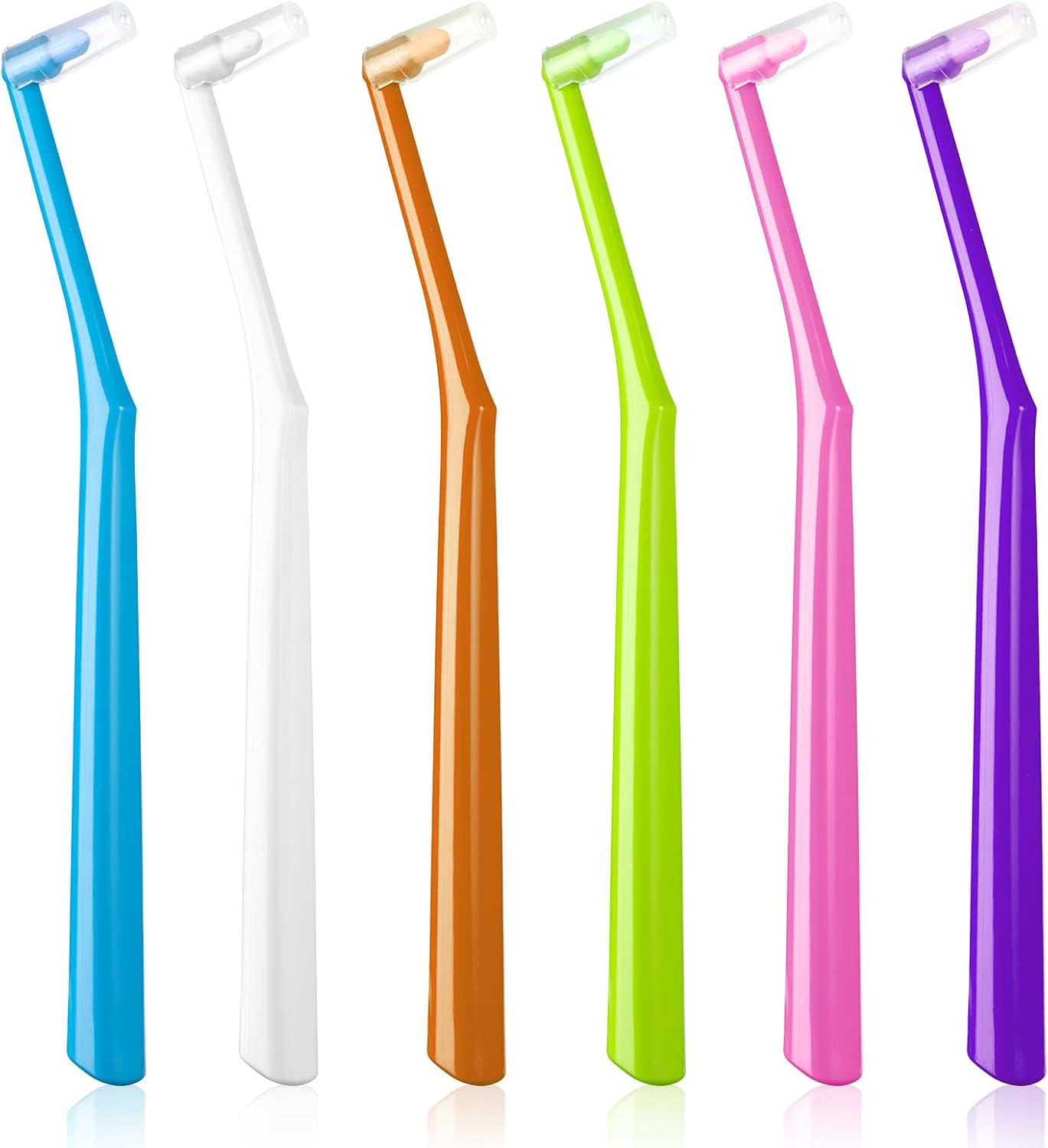
Fregum End Tuft Toothbrush for Orthodontic Care
This is the toothbrush I am using now. After brushing with a regular toothbrush, I usually use this one to go back over a few hard-to-reach spots, such as the wisdom teeth in the back or the teeth on both sides of an implant. The bristles feel soft, and the handle is comfortable to hold. Below is the product’s own description.Fregum End Tuft Toothbrush is useful for cleaning areas that a regular toothbrush may miss, especially around braces, implants, retainers, back molars, and wisdom teeth. The small angled head helps reach under orthodontic wires, between tight spaces, and along the gumline. Each brush has soft bristles, an anti-slip handle for better control, and a reusable ventilated cover for storage at home or while traveling.
GUM Long-Handled Stimulator for Gum Care

GUM Long-Handled Stimulator for Gum Care
GUM Stimulator is a simple add-on for gum care, made with a long handle and angled rubber tip to reach along the gumline and between teeth. The soft rubber tip gently massages gums, helps stimulate blood flow, and removes plaque and food debris from tight areas. Its reusable handle and replaceable tips also make it a more practical alternative to single-use dental picks.DenTek Professional Oral Care Kit for Deep Cleaning

DenTek Professional Oral Care Kit for Deep Cleaning
DenTek Professional Oral Care Kit gives you several tools for extra cleaning between regular brushing and flossing. The set includes a fog-free dental mirror, dental pick, scaler, and gum stimulator to help remove plaque, tartar, and food particles from hard-to-see areas. The hard plastic scaler is made for daily use, while the medical-grade stainless steel pick and scaler are intended for weekly care.Mouthwash
Mouthwash can be another useful addition to an oral care routine, but different rinses are designed for different purposes. Some focus mainly on fresh breath, while others include ingredients intended to support cavity prevention, enamel care, gum hygiene, or stain removal. Since the dentists I spoke with recommended considering alcohol-free options, I included several different types below so you can compare which approach may fit your routine.TheraBreath Alcohol-Free Fresh Breath Mouthwash Icy Mint

TheraBreath Alcohol-Free Fresh Breath Mouthwash Icy Mint
Freshen breath without the burn with TheraBreath Fresh Breath Mouthwash, a dentist-formulated, alcohol-free rinse in Icy Mint flavor. The pH-balanced formula starts working quickly to fight odor-causing bacteria and bad breath for up to 12 hours. Made with xylitol, it contains no dyes, SLS, sulfates, or parabens, and is ADA accepted for daily oral care.Crest Pro-Health Alcohol-Free Multi-Protection Mouthwash

Crest Pro-Health Alcohol-Free Multi-Protection Mouthwash
Support daily oral care with Crest Pro-Health Multi-Protection Mouthwash, an alcohol-free fluoride rinse with 6-in-1 benefits. Its CPC formula helps kill bad-breath germs, while fluoride supports cavity prevention and enamel repair. The fresh mint flavor leaves the mouth feeling clean without the alcohol burn, making it a practical choice for adults who want fresher breath, stronger enamel, and cleaner teeth and gums.Hismile Hydrogen Peroxide Whitening Mouthwash for Stains

Hismile Hydrogen Peroxide Whitening Mouthwash for Stains
Add a whitening rinse to your routine with Hismile iD Stain Whitening Mouthwash, which combines hydrogen peroxide with four essential oils to help maintain whiter teeth and fresher breath. Its gunk-removing formula binds to proteins and debris in the mouth, pulling buildup into visible particles you can rinse away. It also helps clean soft-tissue areas like the tongue, cheeks, and gumline.GuruNanda Mint Oil Pulling Mouthwash with Essential Oils

GuruNanda Mint Oil Pulling Mouthwash with Essential Oils
Start your oral care routine with GuruNanda Farmed Mint Oil Pulling Mouthwash, an alcohol-free pre-brush rinse made with MCT coconut oil, seven essential oils, and vitamins D3, E, and K2. Inspired by Ayurvedic oil pulling, it helps freshen breath for up to 12 hours and supports gum hygiene. Swish before brushing, then rinse and follow with your regular brushing and flossing routine.Oral Health & Nutrition Books
Products are only one part of maintaining healthy teeth and gums. Understanding why certain habits matter can also make it easier to build a routine you are more likely to follow. For readers who want to learn more, the following books look at oral health from several perspectives, including everyday dental care, nutrition, the oral microbiome, and more holistic approaches to teeth and gum health.The Dental Diet Natural Oral Health Book

The Dental Diet Natural Oral Health Book
Explore the connection between oral health and whole-body wellness with The Dental Diet by Dr. Steven Lin, a dentist and dental nutritionist. The book looks at how real food, gut health, ancestral eating patterns, and the oral microbiome may affect teeth and overall health. It also includes a 40-day meal plan, food pyramid, recipes, mouth exercises, and practical guidelines for building healthier daily habits.Holistic Dental Care Complete Teeth and Gum Guide

Holistic Dental Care Complete Teeth and Gum Guide
Learn a more natural approach to oral care with Holistic Dental Care by Nadine Artemis, a guide to healthy teeth and gums through at-home dental habits and toxin-free routines. The book covers brushing, flossing, toothpaste, mouthwash, gum care, plaque, decay, inflammation, and questions to ask your dentist, with more than 50 full-color photos and illustrations to make the techniques easier to follow.Cure Tooth Decay Nutrition Guide Book
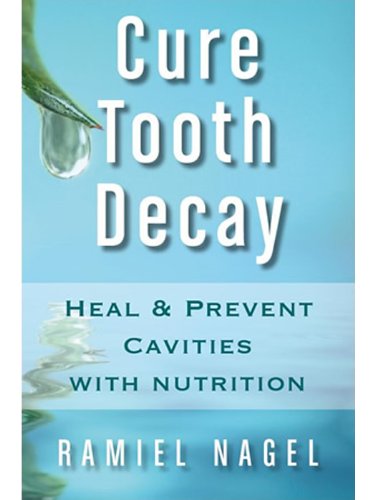
Cure Tooth Decay Nutrition Guide Book
Look at dental health through a nutrition-focused lens with Cure Tooth Decay, a book based on the work of dentist Weston Price and the idea that diet can support tooth remineralization and overall oral health. It discusses food choices, meal plans, plaque, gum health, filling materials, minimally invasive dentistry, and ways to monitor tooth decay at home. The book is best read as a complementary resource, not a replacement for professional dental care.🌿 Does professional cleaning make the gaps between teeth bigger?
No. After a professional cleaning, gums that have been swollen and inflamed for a long time may begin to shrink back to a healthier state. When this happens, the spaces between the teeth may become more noticeable.
These spaces are not caused by the cleaning itself. They may simply become easier to see after the inflamed gums calm down and the tartar buildup is removed. In this sense, the change is often a sign that the gums are becoming healthier.
🌿 Can a water flosser replace regular dental floss?
A water flosser can be very helpful, particularly around braces, implants, crowded teeth, uneven tooth positions, or other places that are difficult to clean. However, it should not necessarily replace traditional string floss for ordinary spaces between teeth.🌿 Why do my gums bleed when I floss?
A small amount of bleeding does not always mean you should stop flossing. If flossing has not been part of your regular routine, bleeding can be a sign that plaque, bacteria, or inflammation is already present around the gumline.🌿 Should I use an alcohol-free mouthwash?
For many people, particularly those who experience dry mouth, an alcohol-free mouthwash may be worth considering. Alcohol can contribute to dryness and may reduce some of the moisture that normally helps the mouth clean and protect itself.Mouthwashes also serve different purposes, so look beyond whether a product contains alcohol. Some are primarily designed for fresh breath, while others contain ingredients for cavity prevention, enamel support, gum care, or stain removal. The right choice depends on what you are trying to accomplish with your daily routine.