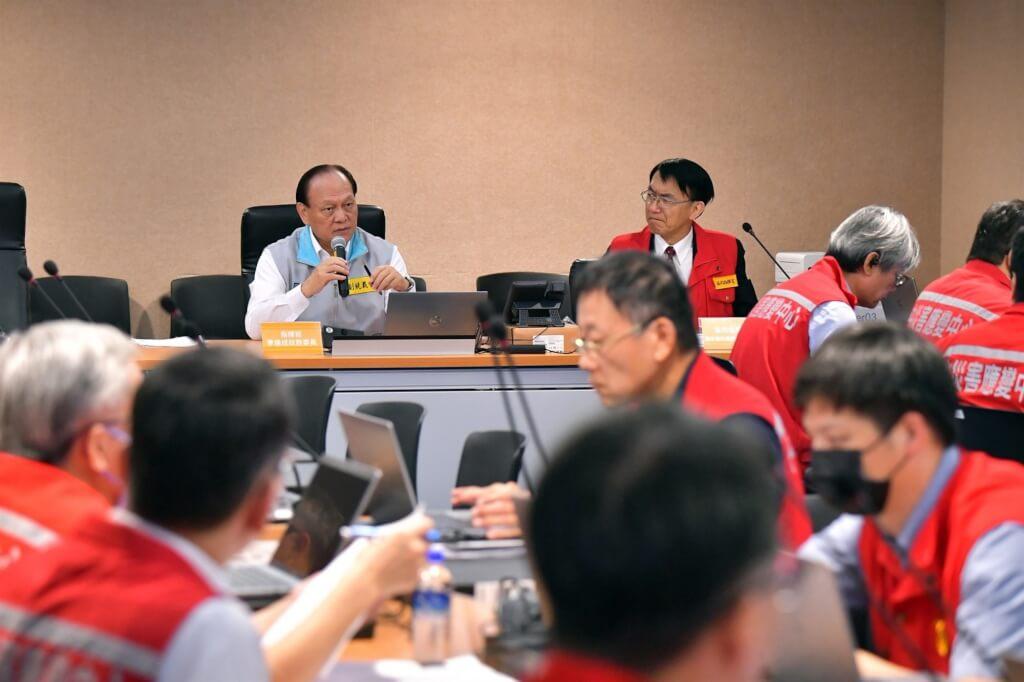
A Taiwan court ordered two Supermicro employees and an Albatron executive detained incommunicado after prosecutors widened an investigation into alleged illegal exports of advanced AI servers to China, Hong Kong, and Macau.
The Keelung District Court ordered the detention of the two Supermicro employees, surnamed Lin and Wang, and Albatron general manager Lu, after finding sufficient evidence to detain the three on criminal charges and citing risks of flight and collusion.
Two other employees of Supermicro, a major U.S.-based IT solutions company with facilities in Taiwan, were released on bail.
Supermicro said in a July 1 open letter that four Taiwan employees had been questioned in the investigation and were placed on administrative leave pending the case’s conclusion.
Probe Moves Upstream
Huang Chien-ming, deputy head of the Coast Guard’s Keelung investigation team, told NTD Television, sister outlet of The Epoch Times, that investigators traced the case upstream and found employees of domestic technology companies allegedly colluding in high-end server exports.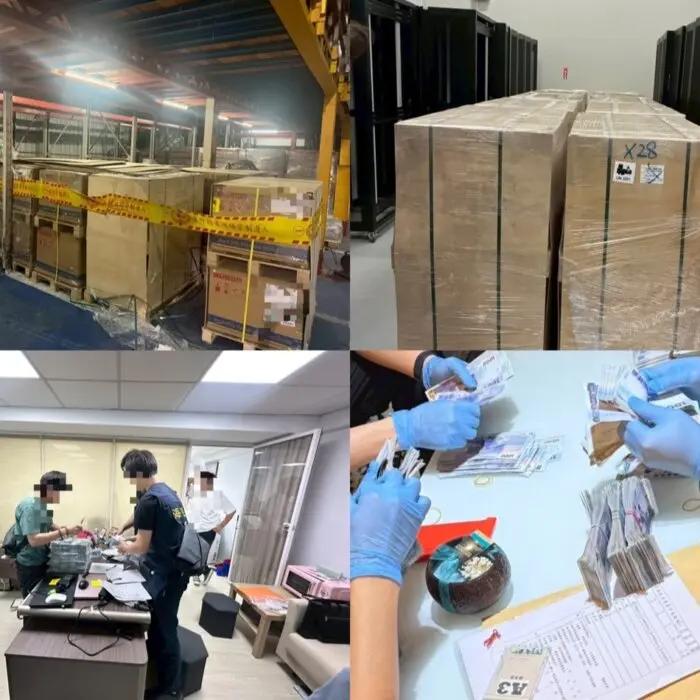
The June 29 search operation reached Supermicro’s Taiwan branch, Albatron Technology Co., Chief Telecom Inc., and residences tied to the case, according to the Keelung District Prosecutors Office.
Prosecutors said the six people were summoned on suspicion of document forgery and breach of trust.
The case began in May, when Keelung prosecutors and the Taiwan Coast Guard said investigators intercepted more than 50 Supermicro high-end AI servers equipped with Nvidia chips before they left Taiwan, along with phones, computers, account books, luxury cars, and more than NT$9 million (about $280,000) in cash.
Supermicro Disputes Raid Reports
Supermicro stated its Taiwan offices were not raided by government authorities.Thauberger said the company coordinated with authorities to provide access to the employees’ desks and electronic devices, and said relevant authorities had confirmed that Supermicro is not a target of the investigation.
The company said it has been providing information to Taiwanese authorities for several months.
Albatron Suspends General Manager
Albatron Technology said it suspended General Manager Lu after he was detained in the AI server export probe, according to Taiwan’s Central News Agency.Broker Risk
Lo Huai-chia, former executive director of the Photonics Industry and Technology Development Association and former deputy secretary-general of the Taiwan Electrical and Electronic Manufacturers’ Association, told NTD that legitimate companies can expose themselves to criminal risk if they cooperate with brokers instead of staying within normal sales channels.Companies may face risk, Lo said, when orders exceed a customer’s stated needs and the seller does not ask where the extra products are going.
“Whether it is the government or industry associations, they should remind companies to follow laws and regulations in doing business,” Lo said. “That is the way to operate long term.”
NTD reported that industry figures described brokers setting up shell companies, using offshore routes, falsifying customs documents, misreporting product names, or listing false final destinations to try to evade U.S. export controls.