The Pentagon has flagged a list of prominent Chinese research institutions it considers to be engaged in “problematic” activities that threaten U.S. security, including elite Chinese civilian universities.
The Department of War announced the designation on July 23 in an update to a roster of academic and research institutions that it has determined to be risky to American research and intellectual property.
The Pentagon called the updates part of its ongoing efforts to protect U.S.-funded research from “unauthorized technology transfer” to foreign countries of concern.
Nearly 70 percent of the 130 institutions on the Pentagon’s so-called 1286 list are based in China, with the others from Russia and Iran, according to a review by The Epoch Times.
While the list doesn’t carry immediate economic sanctions or other legal penalties, starting in fiscal year 2026, the Pentagon is generally barred from funding fundamental research projects involving these entities. This covers grants, contracts, and any forms of support. The restriction applies to all employees of listed institutions, the department said.
A 1286 designation also serves as a warning to American scientists and universities that collaboration with researchers affiliated with listed institutions may pose compliance risks and jeopardize federal funding.

“The Department advises strict caution for domestic researchers, academic institutions and industry partners when considering collaboration, funding or data-sharing engagements with any institution named on this list,” it stated.
U.S. scholars receiving the War Department’s funding are required to disclose all affiliations with listed entities or foreign talent requirement programs, or face violations of federal law.
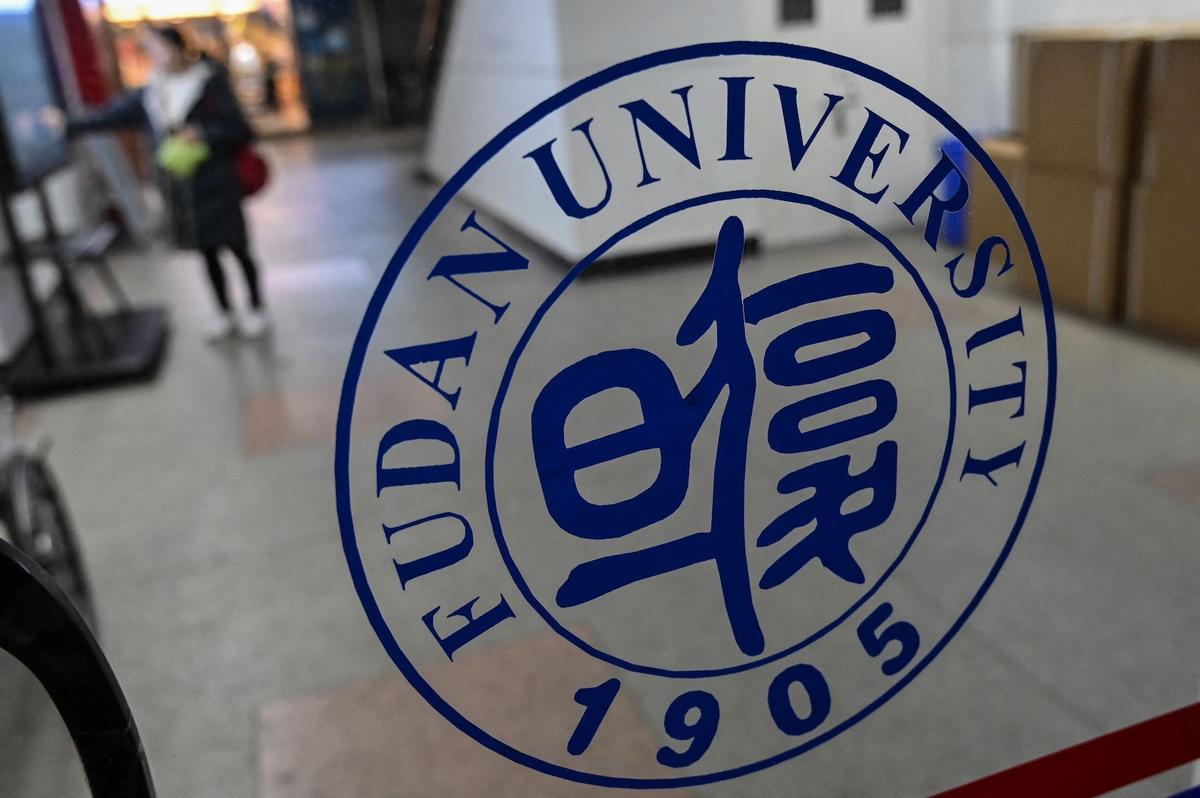
With the move, the Pentagon has now flagged some of China’s most prestigious civilian universities—Fudan University and Shanghai Jiao Tong University—as a concern to U.S. national security. Shandong University, another top-ranking civilian institution, was also swept into the expanded list.
The latest version of the list also added some civilian Chinese universities specializing in electronics, aerospace, and diplomacy, such as the University of International Relations, a Beijing-based school known for training the country’s intelligence officers and top diplomats.
Meanwhile, the Pentagon kept on the list dozens of Chinese institutions with close ties to the People’s Liberation Army that had previously been added.
It also maintained the designation of five talent recruitment initiatives sponsored by the Chinese Communist Party (CCP) that pose threats to U.S. national security interests: Changjiang Scholar Distinguished Professorship, the Hundred Talents Plan, the Pearl River Talent Program, the River Talents Plan, and the Thousand Talents Plan.
Emil Michael, undersecretary of war for research and engineering, said the Pentagon is strengthening its commitment to “protect taxpayer-funded research and preserving the integrity of the American scientific enterprise.”
The CCP employs a state-led strategy known as military-civil fusion, which seeks to harness research and technology from private-sector entities and researchers to aid its military modernization, thus blurring the line between civilian and military sectors.

In response, the Pentagon introduced a set of security measures in January to protect department-funded research from foreign influence and intellectual property theft.
Last month, the National Science Foundation announced that the agency would bar its funding from being used for collaborations with restricted entities on lists maintained by U.S. government agencies, including the Pentagon’s 1286 list.
Rep. John Moolenaar (R-Mich.), chairman of the House Select Committee on China, called the agency’s policy reforms “commendable and commonsense.”
“Prohibiting federal funding from being used to collaborate with Chinese entities that are national security risks or human rights abusers is straightforward,” Moolenaar said in a July 9 statement, urging all federal agencies to follow the lead of the Pentagon and the National Science Foundation.