Amid a widening anti-graft purge of China’s top ranks, the communist regime has asked Thailand to deport a prominent journalist, whose reporting has exposed corruption in China.
Bai Zhaodong, a veteran investigative reporter, faces the risk of being sent back to China after the communist regime pressured Bangkok, international NGO Reporters Without Borders and Safeguard Defenders said in a July 15 statement.
The rights advocacy groups called on Bangkok to refrain from doing so, warning that Bai could face detention and torture in China because he has reported on corruption within the regime’s top leadership.
“Thai authorities must withstand the growing pressure from [China] to forcibly detain and return individuals sought for clear political persecution by the Chinese Communist Party,” Laura Harth, China in the World director at Safeguard Defenders, said in the statement.
When asked about the case at a regular briefing on July 17, China’s foreign ministry said Bai is suspected of “extortion and accepting bribes as a non-state functionary.”
“China has submitted an extradition request,” Lin Jian, a ministry spokesperson, told reporters in Beijing.
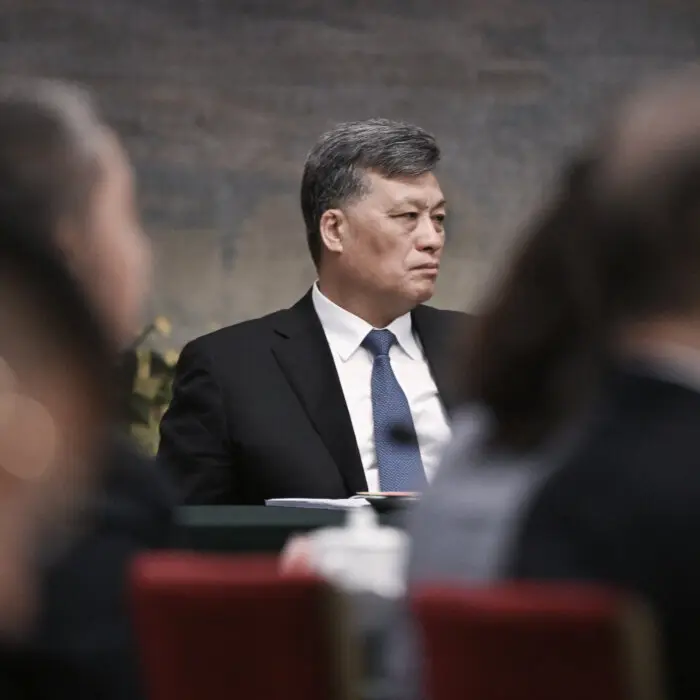
The spokesperson also said that China hopes “the Thai side will extradite him back to China at an early date.”
The public security bureau in Bai’s hometown of Yulin, in the northern Chinese province of Shaanxi, issued an arrest warrant for Bai in September 2024, according to the groups.
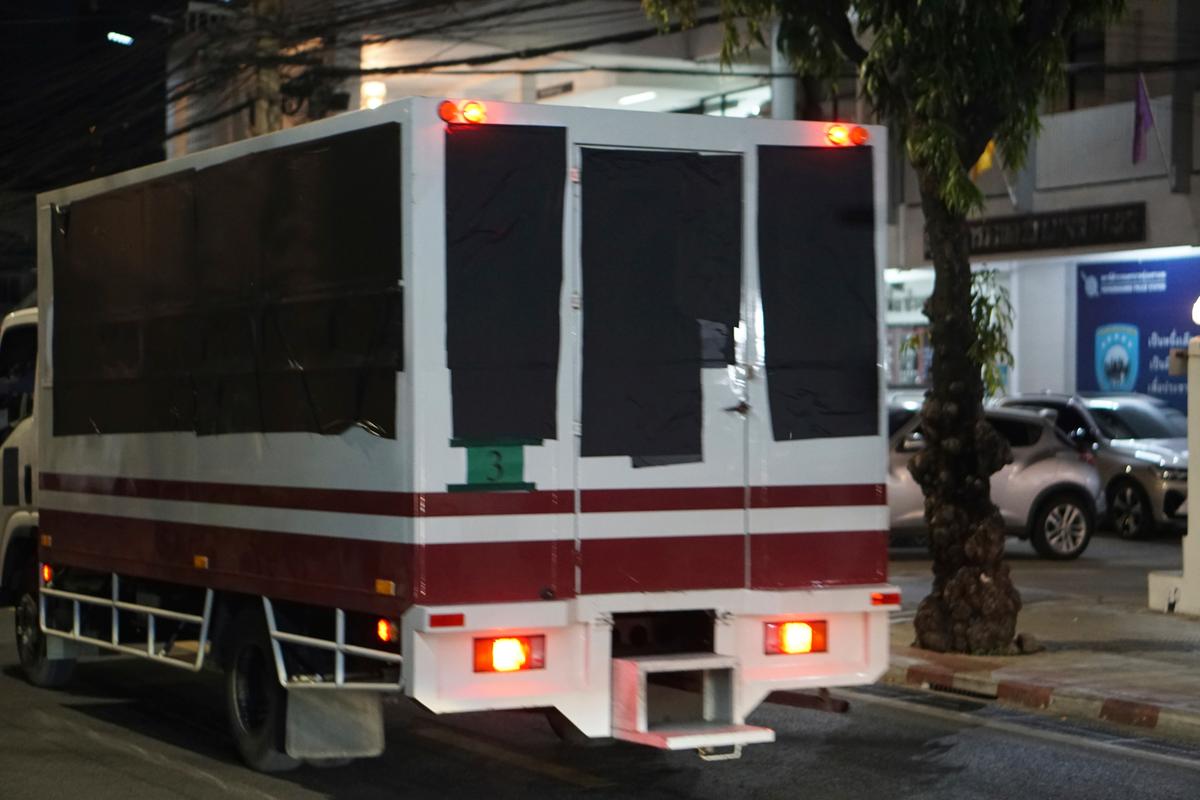
Since then, Thai authorities have barred Bai from leaving the country.
Bai has been detained in an immigration center in Bangkok since January, they said.
“The CCP’s transnational repression pursues innocent people around the world,” the House Select Committee on China said on X on July 16.
“Thailand must show it will protect those who expose the corruption and malfeasance of the CCP,” the committee stated.
In addition to the journalist, at least three other Chinese dissidents at the Bangkok detention center risk being extradited to China, according to Human Rights Watch.
All of them have been recognized as refugees by the United Nations refugee agency, it said.
Sen. Jim Risch (R-Idaho), chair of the Senate Foreign Relations Committee, criticized the Chinese regime for “bullying” the U.S. ally into acting in its interest.
He called on Thailand to “do the right thing” by resettling Bai and others in safe third countries.
“Anything less is unacceptable,” Risch wrote on X.
Safety Risks
The deportation request came ahead of Thai Prime Minister Anutin Charnvirakul’s visit to China. Charnvirakul, who landed in Shanghai on July 16, is expected to meet with Chinese leader Xi Jinping and other senior officials later this week.
It also came amid an ongoing purge that has toppled dozens of military leaders for alleged corruption, including two defense ministers and two top generals who are members of the ruling Politburo.
Bai’s work exposed a network of corruption and financial fraud involving Chinese local officials and high-ranking CCP members, topics deemed highly sensitive by Chinese authorities, according to Reporters Without Borders and Safeguard Defenders.
Before fleeing to Thailand in late 2023, Bai had endured surveillance, intimidation, and sustained pressure from authorities in China because of his investigative reporting, they said.
“Should Bai be forcibly returned to China, he would face not only persecution but also grave risks to his personal safety,” Aleksandra Bielakowska, advocacy manager at Reporters Without Borders’ Asia-Pacific branch, said in a statement.
The Chinese regime has locked up the highest number of journalists in the world, according to the media advocacy group.
Washington-based nonprofit Freedom House urged the Thai government to “refuse to facilitate” Beijing’s latest act of transnational repression.
“The CCP’s campaign of #transnationalrepression must not succeed,” it said on X.