Two Chinese citizens were sentenced to three years in a U.S. prison for attempting to sell methamphetamine near a school in the American Pacific territory of Saipan, the Department of Justice (DOJ) said on April 6.
Han Dong, 52, and Yang Yinhua, 49, pleaded guilty last year to conspiracy to possess more than 5 grams of methamphetamine with the intent of distributing it within 1,000 feet of an elementary school, according to the indictment.
A judge for the U.S. District Court of the Northern Mariana Islands sentenced them to 36 months each in prison at a hearing on March 26, according to the DOJ. They must serve one year of supervised release after completing their prison terms, the judge ruled.
Prosecutors had sought sentences of 60 months for Han and 63 months for Yang, saying that they made false statements during interviews with the government following their guilty pleas.
The legal representatives for Han and Yang could not be reached for comment.
Han and Yang own and operate a business called Smile Bar in a tourist district at the heart of Saipan, the capital of the Northern Mariana Islands, a U.S. commonwealth in the western Pacific.
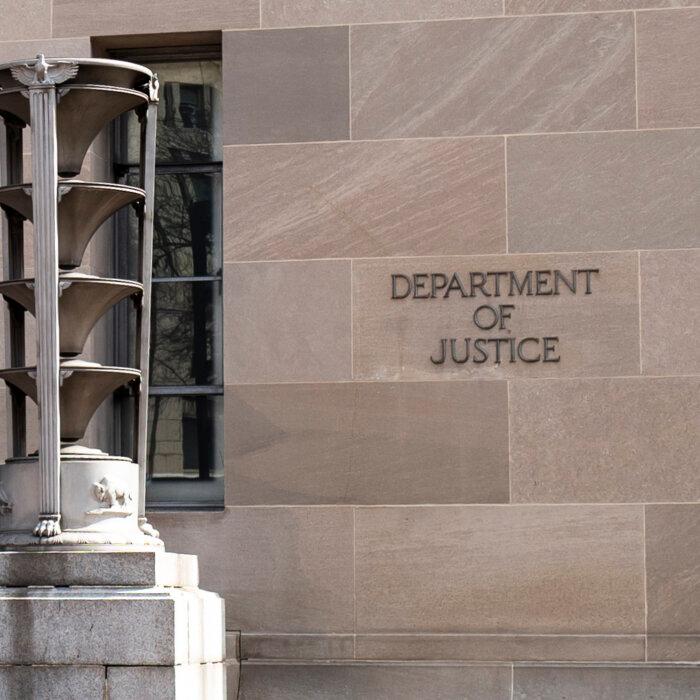
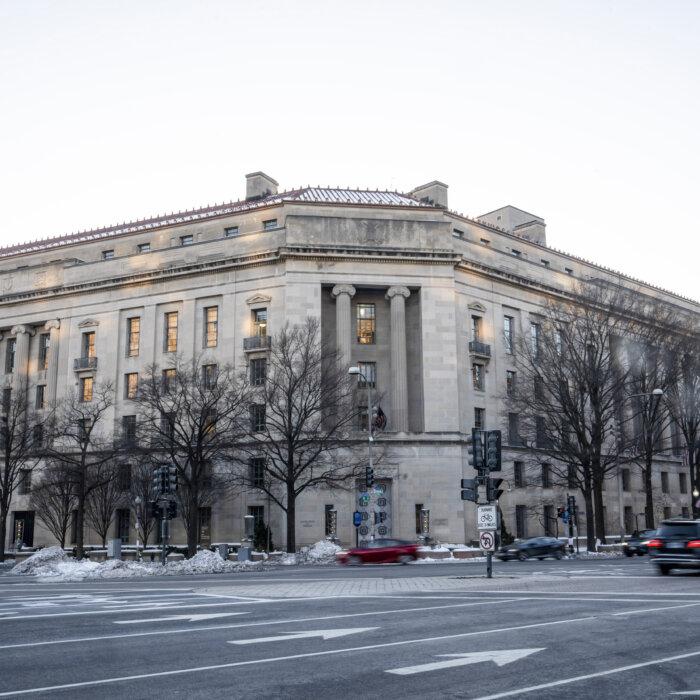
The DOJ said in an April 6 press release that in April 2025, Han offered to sell drugs to a government informant during a meeting at the Smile Bar.
Then, in May 2025, Han and Yang agreed to supply $1,000 worth of methamphetamine to the government informant, who subsequently picked up 10.3 grams of the substance near a stairwell at the Smile Bar following their instructions.
In a sentencing memorandum, prosecutors described the Smile Bar as “a cesspool for prostitution and drug trafficking, contaminating the lifeline of an already dwindling tourism industry.” Due to its proximity to an elementary school, the Smile Bar posed “a direct threat” to children, prosecutors wrote.
Anthony Chrysanthis, special agent in charge of the Drug Enforcement Administration’s (DEA’s) field division in Los Angeles, which oversees Guam, said the sentencing sends “a stern message” to those involved in peddling drugs and endangering the safety and well-being of the communities.
“The fact that these drug traffickers were conducting illicit activity within yards of a school was especially concerning,” Chrysanthis said in a statement.
“Eventually, they were held accountable for their actions.
“The strong partnership between local, state, and federal agencies demonstrates DEA’s relentless commitment to bringing drug criminals to justice and halting the flow of methamphetamine and other dangerous drugs.”
Shawn N. Anderson, the U.S. attorney for the Districts of Guam and the Northern Mariana Islands, said law enforcement continues to combat drug trafficking by foreign nationals in the Northern Mariana Islands.
“As this case demonstrates, we will seek sentencing enhancements to hold drug dealers fully accountable for their unlawful conduct,” Anderson said in a statement.
Han is a Chinese citizen who holds U.S. permanent residence as the spouse of an American citizen.
Yang, also a Chinese citizen, arrived in Saipan in 2015 as a tourist and “has remained an immigration overstayer since that time,” according to the sentencing memorandum. Saipan is the only U.S. territory that allows Chinese tourists to stay for up to two weeks without a visa.
According to Homeland Security Investigations, Han and Yang were among the three individuals arrested in July 2025 following a drug raid at their pub.
Assistant Attorney Albert S. Flores told a detention hearing at the time that the government “intends” to revoke Han’s green card.