No letters, no phone calls, no in-person visits.
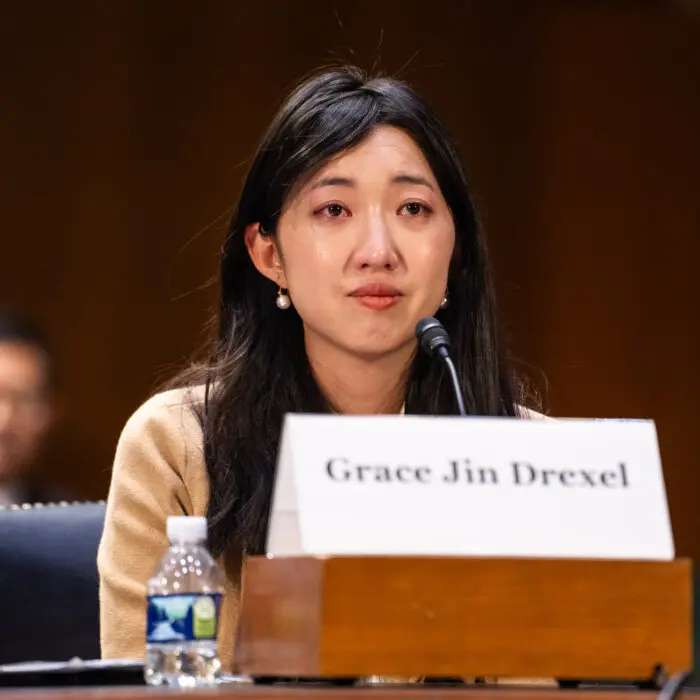
The pastor, who founded Zion Church in Beijing in 2007, wound up in a cell with more than 30 people sleeping on mats spread on the floor, Jin Drexel said.
She described a cell where wind and rain flow in during the harsh winter season. When her grandmother tried to deliver clothes, blankets, and Jin’s medication, guards turned her away, Jin Drexel said.
‘Fear of Independent Faith’
This Christmas looks especially bleak for China’s Christians, who have seen intensifying persecution over the past year.

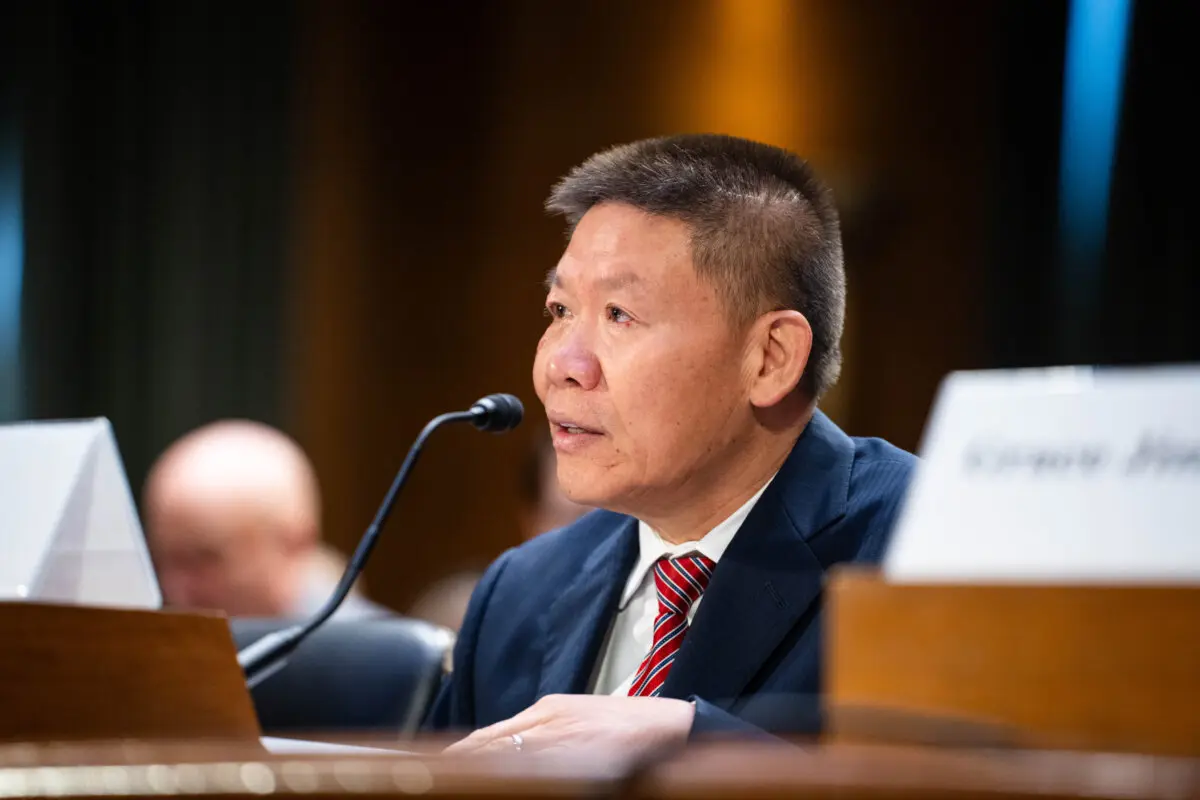
“Christians in China today are facing the worst persecution since the end of the Cultural Revolution,” the organization’s founder, Bob Fu, told The Epoch Times. “A nuclear-powered regime like China would start rounding up Christians and other peaceful, independent faith believers—I think that shows their fear of independent faith. They just want to launch a war against God.”
ChinaAid documented that fireworks of unusual scale lit up the local government square amid the Yayang operation. It was a disturbing sign, Fu said, as there was no traditional festival nor other official reason calling for the celebration.
“What kind of morally bankrupt regime would do this by celebrating the arrest and cracking down [on] peaceful, harmless Christians on the eve of Christmas?” he said.
Growing Restrictions
There are about 70 million Christians in China, according to U.S. government estimates. The Chinese regime officially recognizes five religions—Buddhism, Catholicism, Islam, Protestantism, and Taoism—and regulates them through state-controlled organizations to enforce Party allegiance.Those who wish to worship freely have little choice but to join underground churches, leading to a proliferation of networks such as Zion. Starting from 20 people in 2007, Zion has spread to more than 40 cities with about 100 branches, according to Fu.
But such online worship services are also facing curbs.

They had limited ability to express their faith in prison. During Christmastime in the early years, Lin told The Epoch Times, there were cakes and fruits to signify the occasion, and he could preach, even to secular prisoners. That changed later on.
The prison guards regularly searched the cells and confiscated belongings that they believed should not be in the prisoners’ possession. Three times, they seized his Bible, but he got it back by insisting that he could not live without it, Lin said.
Suffer With Joy
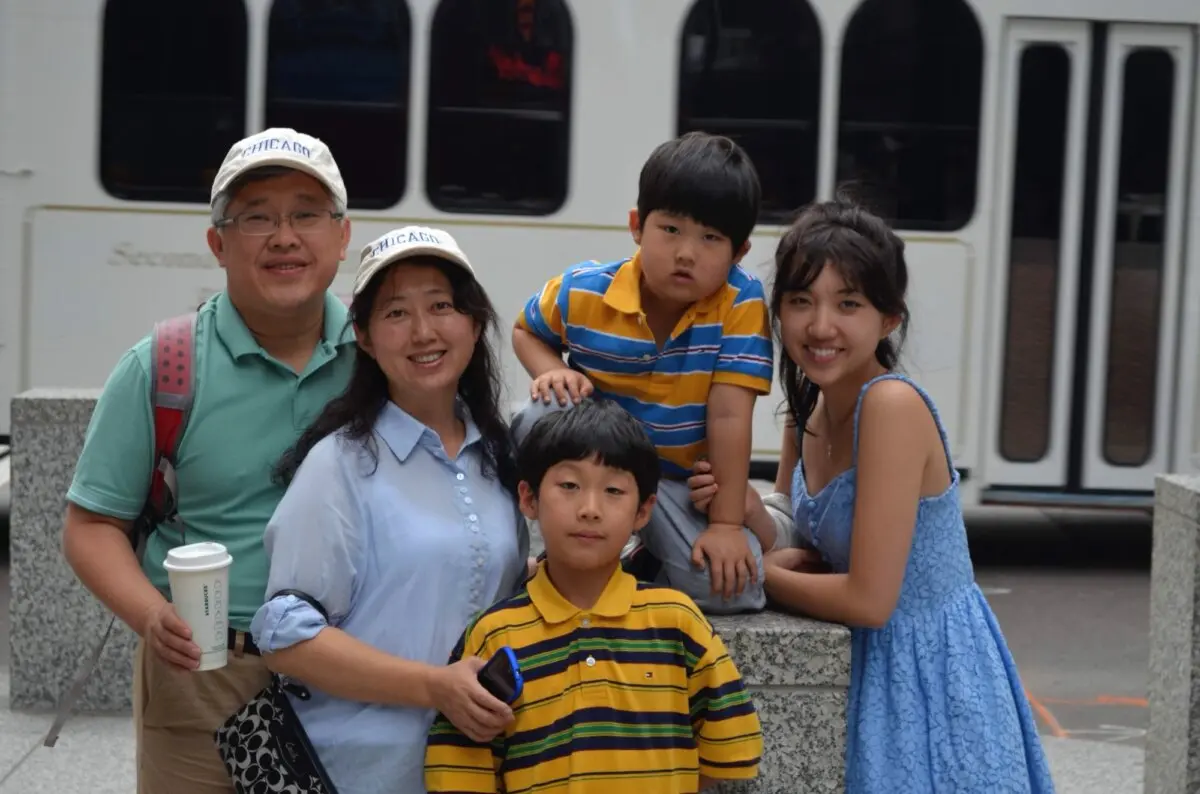
Jin Drexel said she was thankful that her father recently got a Bible, which she said was a “Christmas miracle.”In past years, the family went to church together and held calls with Jin as they and their neighbors joined for a big dinner. It isn’t happening this year, but Jin Drexel and her siblings take comfort in knowing that their father has his spiritual guide by his side.
“We’re really proud of what he’s doing and proud of being his children,” she said, noting that he had shown her “how to suffer even in this time with such love and patience and joy.”
President Donald Trump is planning to visit China in April 2026. However, in the face of deteriorating religious freedom in China, Fu said, the Trump administration should set some benchmarks.
The president should not go unless Beijing releases prominent Chinese prisoners of conscience such as Jin Drexel’s father and Jimmy Lai, Hong Kong media tycoon and Catholic, according to Fu.
“The CCP needs to demonstrate that if it’s sincere,” he said.
The White House did not respond to a request for comment.
Although Chinese Christians may not be able to celebrate Christmas openly, Fu said he believes that no suppression can conquer faith.
“I think millions of Chinese Christians will share the same sentiment like me, they will continue to celebrate in their hearts,” he said.