Two senators have introduced a bipartisan bill in a bid to curb the state-sanctioned crime of forced organ harvesting in China and to protect vulnerable groups from harm.
The list would be updated annually or as new information becomes available.
The bill, sponsored by Sen. Ted Cruz (R-Texas) and Sen. Jeff Merkley (D-Ore.), would block the perpetrators from entering the United States or conducting U.S.-based transactions. The individuals would also lose any current U.S. visa and immigration benefits they have.
Violating the sanctions could lead to up to $250,000 in civil penalties or a maximum of $1 million and 20 years in prison in criminal punishment.
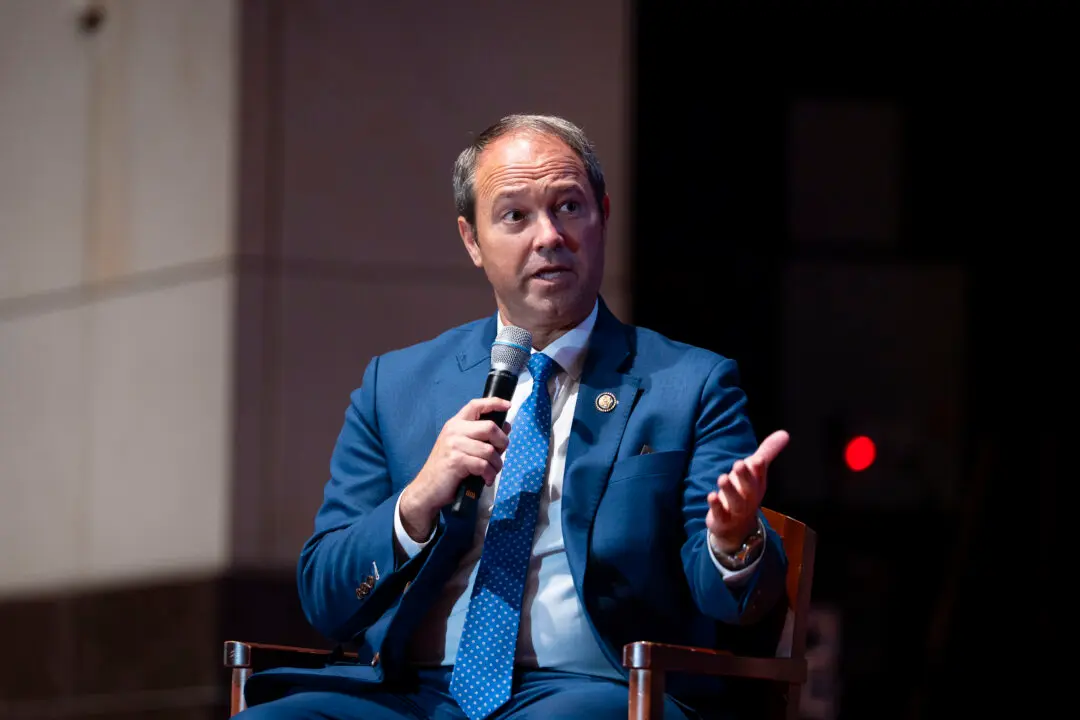
“The Chinese Communist Party operates a brutal, state-sponsored organ harvesting industry that targets people for their faith,” Cruz said in a statement. “The CCP has in particular targeted Falun Gong practitioners, committing assaults on religious liberty and fundamental human rights. The United States should hold accountable those who have committed these atrocities.”

‘Horrific and Barbaric’
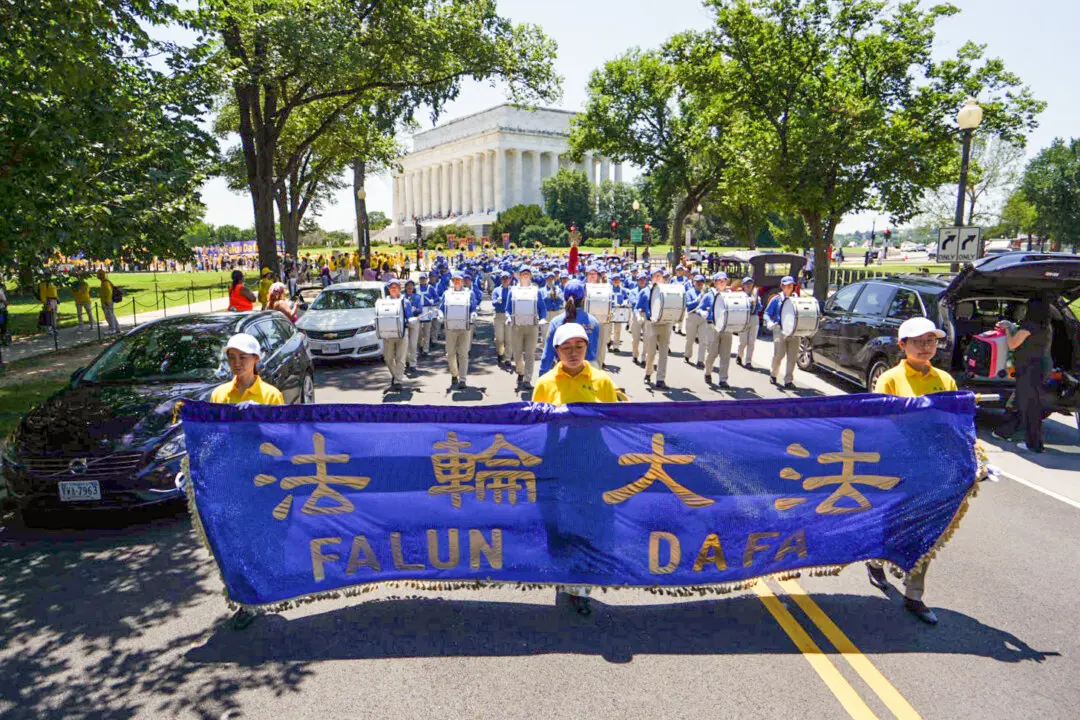
Falun Gong—a spiritual discipline based on the principles of truthfulness, compassion, and forbearance—has faced more than 26 years of deadly persecution in China. Its tens of millions of practitioners have suffered constant police harassment, arbitrary arrests, imprisonment, and other forms of abuse.“Those harvested organs are used in transplants within China and are trafficked overseas,” Cruz’s press release states.
Cruz on March 12 called forced organ harvesting “horrific and barbaric.”
“It is a grotesque human rights violation, and we should stand united against it,” he told the Sound of Hope radio network.
Merkley, who like Cruz sits on the Senate Foreign Relations Committee, said that perpetrators of human rights violations must face ramifications.
Through the bill, both senators aim to “draw attention to this horror of forced organ harvesting” and to set visa and financial sanctions against perpetrators, he told Sound of Hope.
Standing for Freedom
Under the bill, the secretary of state, in consultation with the secretary of health and human services and the director of the National Institutes of Health, would need to submit a report to Congress detailing the official and unofficial transplant policies in communist China. It would cover how these policies apply to prisoners of conscience, including practitioners of Falun Gong and other prisoners or victims.The report would also cover the known or estimated annual volume of transplants performed in China; an assessment of organ sources, including the number of voluntary donors; and the time needed to procure an organ for transplant, as well as the plausibility of such a timetable. It would list any U.S. grants dated in the 10 years before the legislation’s enactment that supported China-based transplant research or U.S.–China collaboration in the field.
The officials would outline their determination of whether forced organ harvesting in China constitutes an “atrocity” as defined in the Elie Wiesel Genocide and Atrocities Prevention Act of 2018.
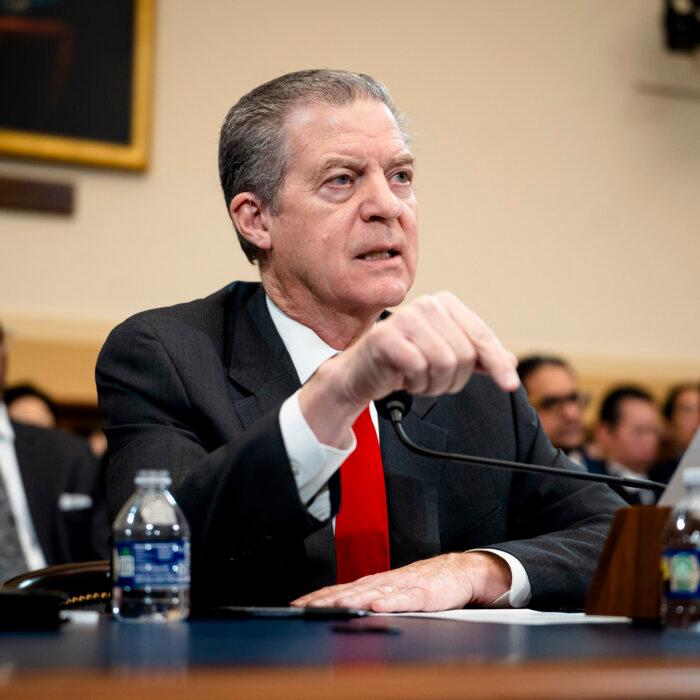
Sam Brownback, former U.S. ambassador-at-large for international religious freedom, described forced organ harvesting as “diabolical.” He said the issue reflects the nature of the Chinese Communist Party.
“This is a regime in China that’s actually willing to do something so horrific, it’s almost unimaginable,” he told NTD, a sister outlet of The Epoch Times. In doing so, he said, the regime has considered human body parts as a “commodity to be bought and sold.”
Under the Soviet Union, “godless communists” persecuted Jews who hoped to leave, rendering them social outcasts known as refuseniks, he said.
“What we’re talking about here is the same communist, anti-God, godless ideology, and what they’re willing to do to a group of religious adherents that they disagree with,” he said. “This is horrific. It needs to be talked about.”
Defending freedom of religion—which China’s communist authorities view as “an existential threat”—is among America’s strongest cards, he added.
“This is a fight that we haven’t asked for, but it’s a fight we’re going to have to finish.”