Just days before the Fourth Plenum of the 20th Central Committee of the Chinese Communist Party (CCP) began on Oct. 20, Beijing tightened restrictions on overseas travel for employees of state-owned enterprises (SOEs) and institutions.
At everything from banks to major state conglomerates, internal notices and verbal orders have suspended all outbound travel under what authorities are calling “risk control” measures.
Several employees of China’s central SOEs told The Epoch Times that internal directives have ordered a suspension of all overseas travel.
“The notice came right after the National Day holiday [Oct. 1],” said an employee at a central SOE who asked to be identified only by his surname, Ma, for safety reasons.
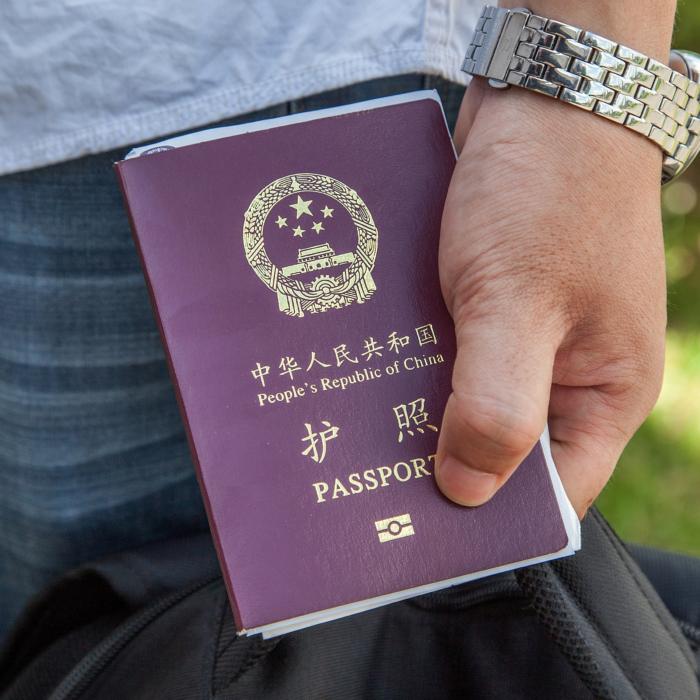
“Our department head told everyone who had just returned from abroad to hand in their passports. All approvals for overseas travel are now frozen. My guess is that it’s also about saving foreign exchange.”
Passport Collections and Verbal Directives
Multiple sources told The Epoch Times that while the instruction has yet to be issued as a formal written order, several SOEs have already implemented the policy verbally. Since early October, human resources departments at various enterprises have told staff to postpone or cancel any planned trips abroad, even if visas have already been obtained.A human resources officer at another SOE told The Epoch Times that outbound management across state-owned and central enterprises has become increasingly strict.
“I heard from our superiors that all overseas programs have been put on hold,” the human resources officer said. “The procedures will likely be readjusted.”
Employees in the foreign affairs, energy, and finance sectors appear to be the first affected. Beginning on about Oct. 10, companies in those sectors began enforcing oral directives, suspending all approvals for overseas travel. Soon after, other state-owned or controlled sectors followed suit, according to employees The Epoch Times interviewed.
An employee at an SOE based in northern China who also requested that The Epoch Times use only his surname, Liu, said his company recently required all staff to turn in their passports for “centralized safekeeping.”
“They said it was to ‘prevent a management gap’ before new rules are finalized,” he said.
According to several employees, most of the notices were delivered through internal channels with no public documentation and included short messages, briefings, or informal meetings. People familiar with SOEs and disciplinary systems said that such “pre-execution” measures often occur before an official policy takes effect.
Financial and Energy Sectors Under Early Limits
Several employees revealed that even before China’s National Day holiday in the first week of October, internal rules at banks and insurance companies had already restricted department-level managers and those at higher levels to applying for overseas travel only once per year, pending multiple levels of approval.Although no public instructions had been released by the CCP, these restrictions were later extended to staff at some SOEs and local state firms after the holiday week.
Liu said it remains unclear whether all employees under the State-owned Assets Supervision and Administration Commission are affected or only those in certain sectors. Some believe that the order may be temporary and might not be formalized into national policy.
Tense Atmosphere Surrounding the 4th Plenum
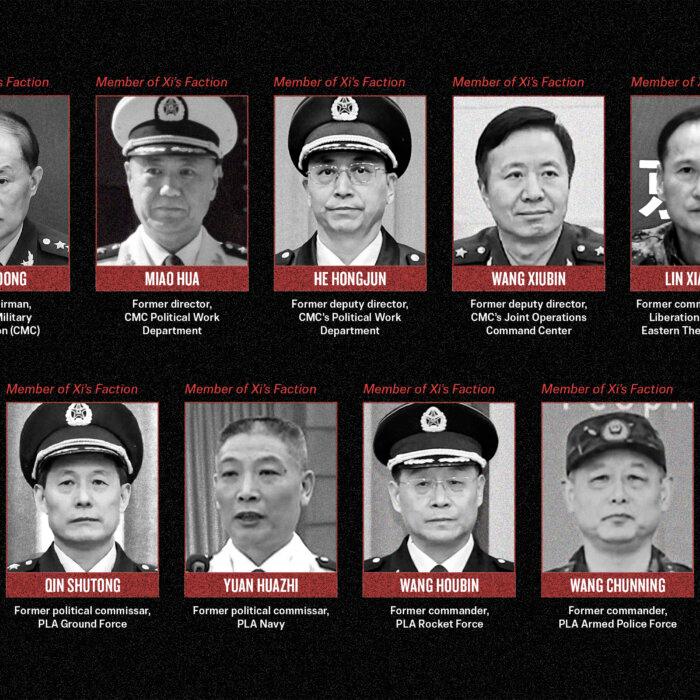
The timing of the restrictions immediately before the Fourth Plenum has led some citizens to describe China’s political climate as tense.“Everyone is on edge,” one SOE employee told The Epoch Times. “Senior officials are staying put, and people are afraid to talk about things that they used to talk about before. No one knows what the top leadership intends.”
A policy observer familiar with the CCP’s internal decision-making processes spoke to The Epoch Times on condition of anonymity, saying that the suspension of overseas travel reflects the CCP’s broader “risk prevention” logic.
“The central [CCP] authorities have become extremely concerned about the outflow of state assets and personnel,” he said. “Overseas travel is no longer seen as a personal matter—it’s being examined through the lens of political security. In the past, the focus was on corruption and escape. Now, it’s about loyalty and information control.”
Another policy observer told The Epoch Times that SOE units overseeing financial flows, energy strategies, and overseas investment are seen as “high-risk groups.”
“These verbal orders are likely temporary control measures,” he said. “But the political signal is clear—before the Fourth Plenum, the Party leadership wants total control over the movements of people within the system, especially those in sensitive posts.”