Around Tiananmen Square and the surrounding districts, Beijing residents described a heavy police presence, road closures, identity checks, and both uniformed officers and plainclothes security personnel. Some said access points near major landmarks were blocked entirely, while others reported being stopped and questioned while moving through normally accessible streets. They spoke to The Epoch Times on condition of anonymity out of fear of reprisal.
One Beijing resident living near the Forbidden City area told the publication that the security presence began to increase before dawn, with police vehicles stationed at intersections and officers conducting identity checks for anyone entering key roads. In some areas, pedestrians were stopped and asked for identification before being allowed to proceed, according to another Beijing resident.
Local accounts suggested that long-time residents were reluctant to speak openly about the anniversary, despite widespread awareness of its significance.
Digital Silence Replaces Past Online Commemoration
Alongside the physical security buildup, multiple Chinese netizens told The Epoch Times that Chinese social media platforms—including WeChat groups, Weibo, and RedNote—had tightened censorship around June 4 content.

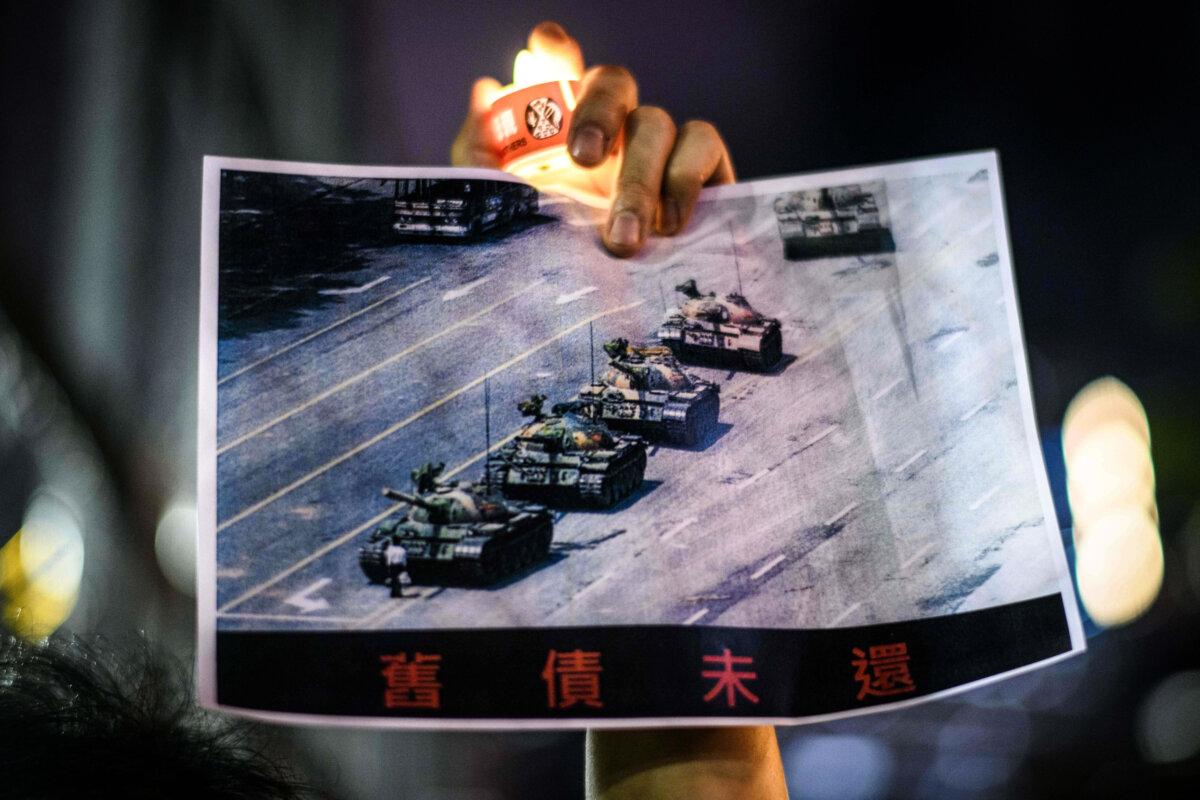
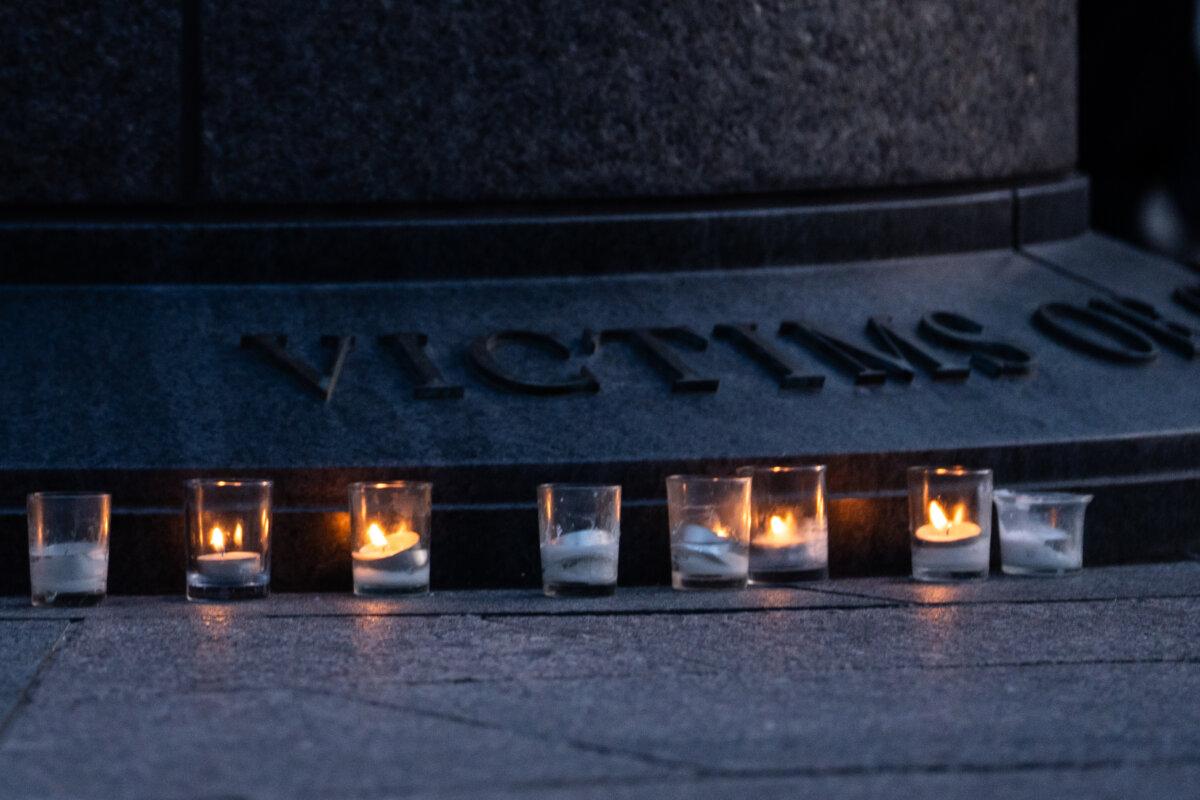
Posts containing candles, white flowers, black-and-white images, or numerical references commonly used in past years to mark the anniversary were absent this year. Some netizens said that even private group chats showed abrupt filtering of sensitive content.
One Beijing-based netizen and online activist told The Epoch Times that in previous years, symbolic images of remembrance still circulated online, but this year “no one dares post anything.” Another netizen said security officials had warned that forwarding a “June 4 image” could lead to detention for up to 10 days.
In place of subtle symbolic commemorative posts, The Epoch Times observed unrelated international news dominating social media discourse, including topics such as conflicts in the Middle East and Ukraine.
A rights activist in Beijing said he had been placed under informal surveillance during the anniversary period, with CCP officials instructing him to remain at home for several days.
“The [atmosphere] is suffocating,” he said, adding that online discussion had become nearly impossible.
Universities Strengthen Monitoring of Students
Separate accounts circulating on Chinese social media this week suggested that some universities have expanded monitoring of students’ overseas travel during what users described as the “sensitive period” surrounding the anniversary.Screenshots shared online indicate that students traveling abroad during this time may have been required to submit detailed applications, undergo pre-departure interviews, and report their accommodation details while overseas. Upon returning, students were required to submit written “ideological reports” and participate in formal debriefings with university officials.
The documents, which could not be independently verified, include assessments of students’ understanding of foreign political systems, cultural differences, and national security awareness.
A staff member at Sichuan University told The Epoch Times that although his institution had not formally adopted such procedures, students were routinely reminded not to post sensitive content online, particularly imagery associated with the anniversary.
A Censored Page in History
The Tiananmen Square protests of 1989 began as student-led demonstrations in Beijing demanding political reform, press freedom, and anti-corruption measures. On June 4 that year, the Chinese military moved into the city to clamp down on pro-democracy protestors at Tiananmen Square, leading to thousands of deaths and a day of repression that remains one of the most sensitive and tightly controlled topics in China today.More than three decades later, public discussion of the event remains heavily restricted, with anniversary periods routinely marked by increased security, digital censorship, and limitations on public expression.