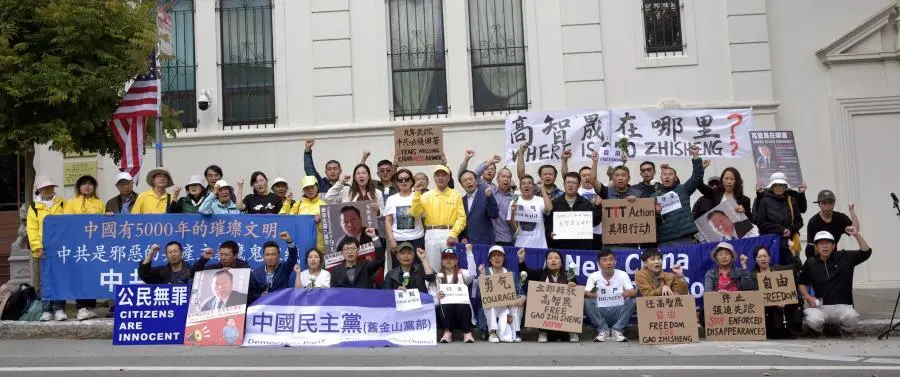
As the world marked the 37th anniversary of the Tiananmen Square Massacre on June 4, it has renewed attention not only on the Chinese Communist Party’s (CCP’s) lethal suppression of the 1989 pro-democracy movement but also on the growing parallels between today’s China and the conditions that preceded the collapse of communist regimes in Eastern Europe and the Soviet Union.
He added that no amount of censorship could erase the truth of what happened and that justice would ultimately prevail.
For Ming Chu-cheng, professor emeritus of political science at National Taiwan University, the significance of such statements extends beyond mere commemoration of a historical tragedy.
A Movement That Changed History

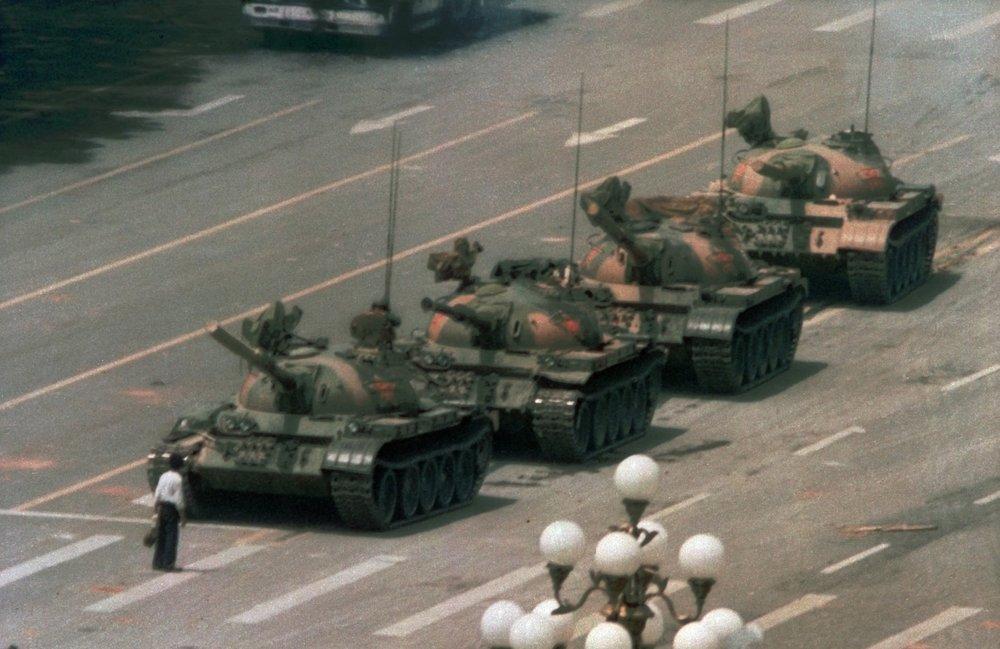
The events leading to the Tiananmen massacre began in April 1989 after the death of former CCP leader Hu Yaobang, whose relatively reform-minded reputation made him popular among many Chinese people.
What began as public mourning soon evolved into a nationwide movement calling for political reform, government accountability, freedom of the press, and greater freedom of expression. Demonstrations spread from Beijing to cities across China, drawing students, intellectuals, workers, and ordinary citizens.
The movement culminated in the military clampdown of June 3–4, when troops entered Beijing and used live ammunition against protestors in and around Tiananmen Square. The exact death toll remains disputed, with estimates in the thousands.
Ming recalled closely following the demonstrations as they unfolded.
“Even after more than three decades, many scenes remain vivid in my memory,” he said. “We were watching events unfold almost in real time, and it was heartbreaking to see how they ended.”
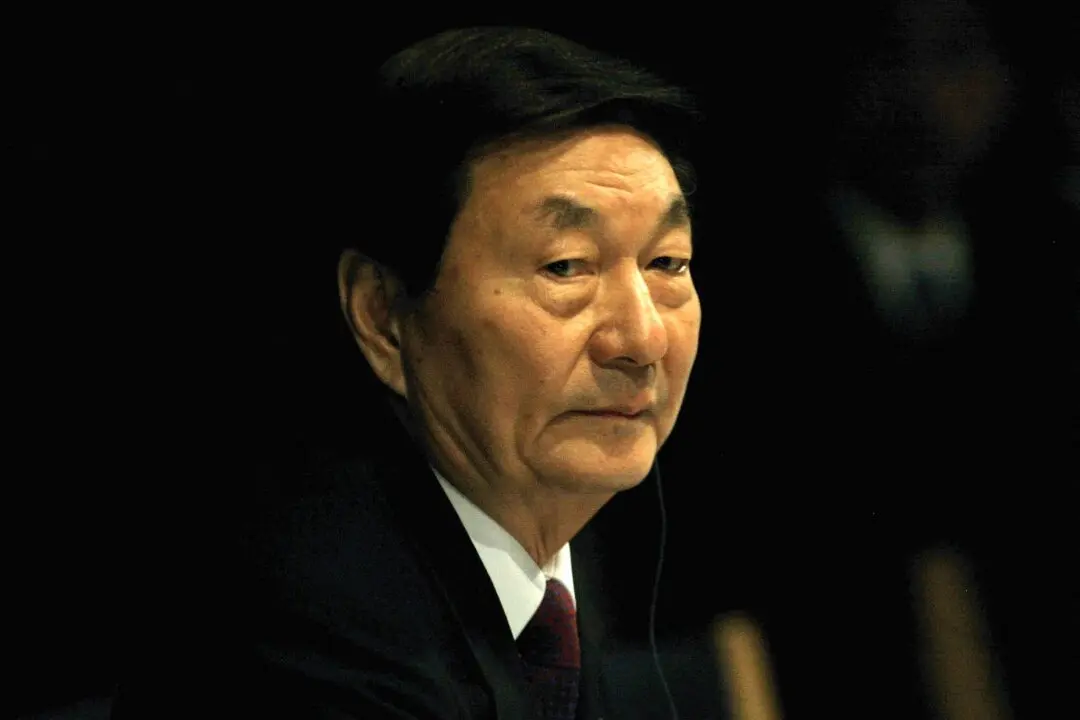
He said that economic and political tensions under CCP rule contributed to the unrest. Market-oriented reforms launched during the 1980s had generated inflation and rising living costs, while corruption among officials fueled public frustration. At the same time, divisions emerged within the CCP leadership between reformers, represented by then-General Secretary Zhao Ziyang, and Party hardliners, led by figures including Premier Li Peng.

In the final days before the clampdown, Zhao visited students gathered in Tiananmen Square and urged them to leave. According to Ming, Zhao already understood that military action was likely imminent.
From Economic Boom to Economic Slowdown
Following the Tiananmen Square Massacre, China faced international sanctions and diplomatic isolation. Yet, under then-CCP leader Deng Xiaoping, Beijing resumed economic reforms and later joined the World Trade Organization as the world decided to allow China to transform into a global manufacturing powerhouse.For decades, the rapid growth in trade and investment helped the CCP maintain social stability and legitimacy despite the absence of political liberalization.
Ming said that this formula has weakened in recent years.
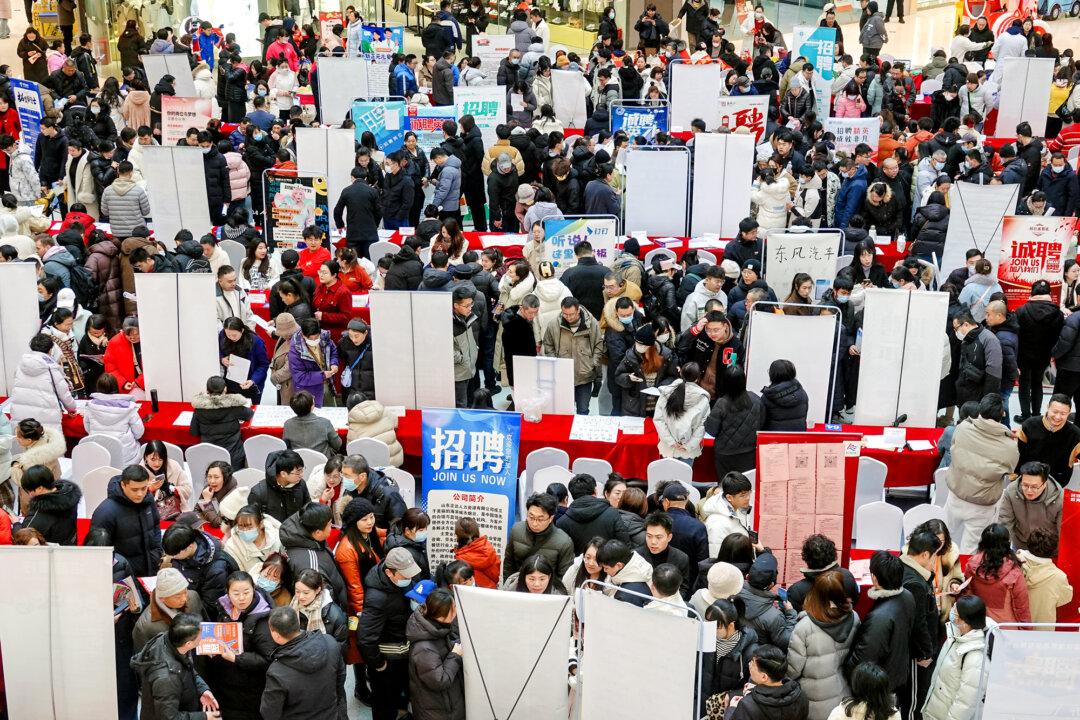
He contends that a combination of factors—including growing state control over the private sector, tensions with major trading partners, strict pandemic-era lockdowns, military expansion, overseas infrastructure spending, and persistent corruption—has contributed to a prolonged economic slowdown.
Mounting Social Pressures
Economic difficulties have increasingly translated into social challenges.Ming pointed to concerns over declining middle-class wealth, rising mental health challenges, and an increase in reports of violent incidents targeting the public. The CCP has only responded with tighter social controls, increased online censorship, and enhanced surveillance measures.
According to Ming, these developments reflect a broader pattern often seen when economic growth slows sharply and public expectations begin to outpace available opportunities.

A Growing Sense of Uncertainty
Regarding China’s political system itself, Ming said that many officials within the CCP recognize the seriousness of the country’s economic, social, and diplomatic challenges but are reluctant to speak openly about them. At the same time, anti-corruption investigations and political purges have continued across both civilian and military institutions.The result, he says, is what he describes as a “doomsday mentality” among some CCP officials—a belief that systemic problems are accumulating while few are willing or able to address them directly.
History offers examples of how communist systems can unravel unexpectedly, according to Ming. Before the collapse of communist regimes in Eastern Europe and the Soviet Union, many countries experienced economic stagnation, declining public confidence, political infighting, and growing disillusionment among Party members.
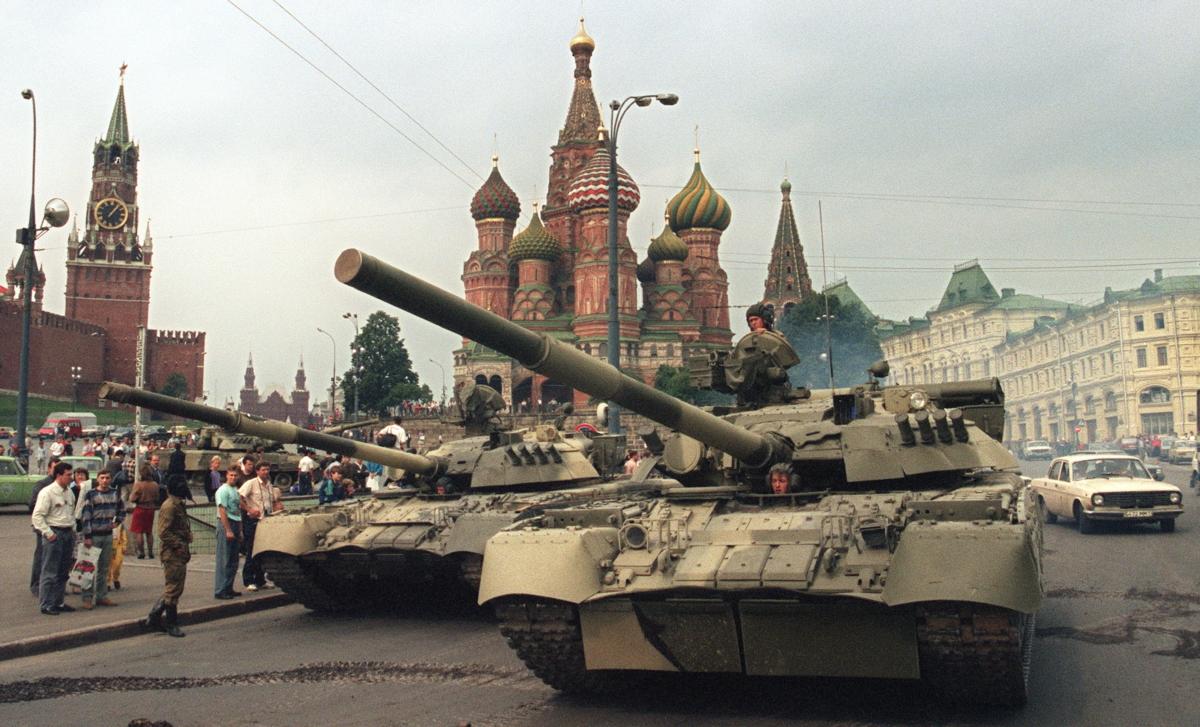
Ming believes many of those same factors are now emerging in China.
Whether those pressures will produce changes comparable to those that transformed Eastern Europe and the Soviet Union remains uncertain. But as the world marks another anniversary of Tiananmen, the questions raised by the 1989 democracy movement—and by China’s future political trajectory—remain unresolved.