The U.S. government has bought back almost $200 billion in debt this year, according to an Epoch Times review of Treasury Department data.
A Treasury debt buyback occurs when the federal government repurchases its outstanding bonds before maturity, removing older securities from circulation and issuing new debt in their place.
The approach may seem counterintuitive, since a sizable share of current debt was issued at historically low interest rates, and new debt is being issued at today’s higher rates.
But the Treasury’s strategy is twofold: to smooth maturity profiles to mitigate future refinancing spikes and to improve liquidity in the bond market.
“It is impossible to eliminate market volatility altogether,” Treasury Secretary Scott Bessent said in a November 2025 speech. “That’s why our goal must be to ensure a robust and resilient market that can withstand volatility when it inevitably arrives.”
Based on a review of Treasury data, the U.S. government repurchased between $90 billion and $110 billion in securities during the first quarter of 2026.
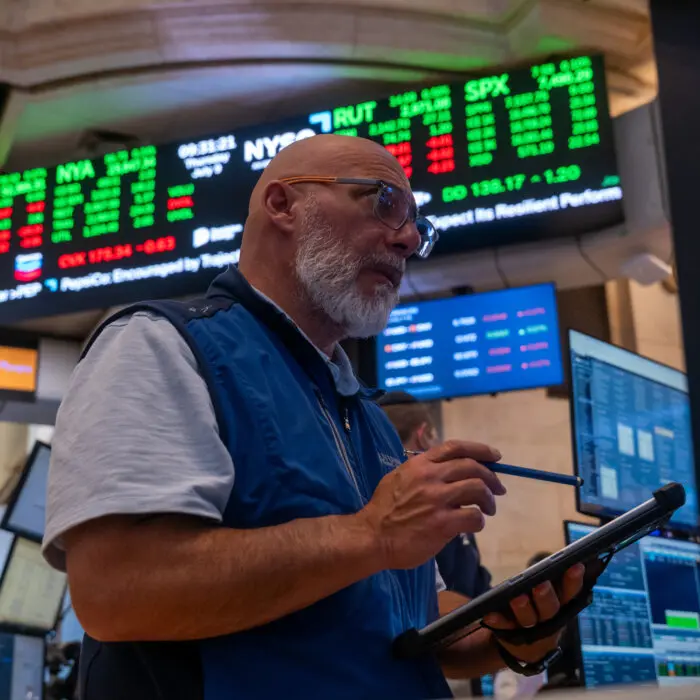

Officials bought back approximately $75 billion in the April–June period.
Washington kicked off the third quarter by rebuying another $6 billion.
To date, the United States has conducted nearly $200 billion in Treasury buybacks.
If the trend persists throughout the rest of the year, the administration is on track to top last year’s record $239 billion in debt buybacks.
Despite an aggressive push in debt buybacks, they represent a minuscule share of the more than $29 trillion in marketable Treasury debt securities.
Although foreign investors maintain a fierce appetite for U.S. debt, the Treasury’s buybacks exceeded the first-quarter global purchases of $64 billion.
Research suggests that the Treasury’s actions might not achieve the desired outcome.
A 2024 research paper found that the 2000–2002 Treasury buyback program resulted in higher, not lower, borrowing costs.
“The reduction in bond supply due to the buybacks contributed an average of 95 basis points to the yields of bonds bought back and bonds of similar maturity over the course of the program,” the paper states.
“Each $10 billion of purchases corresponded with an average yield increase of 7.8 basis points.”
A May 2025 paper published by the International Monetary Fund determined that buybacks can support liquidity in the bond market.
“In sum, the evidence indicates that the buyback program delivers measurable liquidity support,” the report concludes.
“These results highlight the financial stability benefits of targeted market-functioning operations—not only through large-scale asset purchases like quantitative easing but also through more modest, routine interventions.”
More evidence will trickle in over the coming months.
According to the Treasury’s tentative schedule, there will be five more operations, from July 21 to Aug. 10.
King Dollar and Interest Rates
Meanwhile, the current administration’s initiative comes as yields on Treasury securities—from short- to long-term—have been surging.
The primary benchmark 10-year Treasury yield has risen to 4.6 percent, from 4.15 percent at the start of the year.
The 30-year is firmly above 5 percent.
As a result of rising rates, the U.S. dollar is strengthening.
The U.S. dollar index—a gauge of the greenback against a weighted basket of currencies—rose by more than 0.2 percent to start the trading week and is up by almost 3 percent this year.
“U.S. interest rate expectations continue to arguably be the key driver for the dollar,” Marc Chandler, chief market strategist at Bannockburn Capital Markets, said in a July 18 note.
Rising interest rates and a stronger greenback could threaten the White House’s agenda.
Since returning to the Oval Office for a second term, President Donald Trump has urged the Federal Reserve to lower interest rates. But this is only part of the equation.
The spike in bond yields—at home and abroad—indicates that investors fear the fiscal health of the United States and governments across the developed world.
Additionally, growing expectations that the Federal Reserve and other central banks will maintain a higher-for-longer monetary policy stance have contributed to the notable boost.
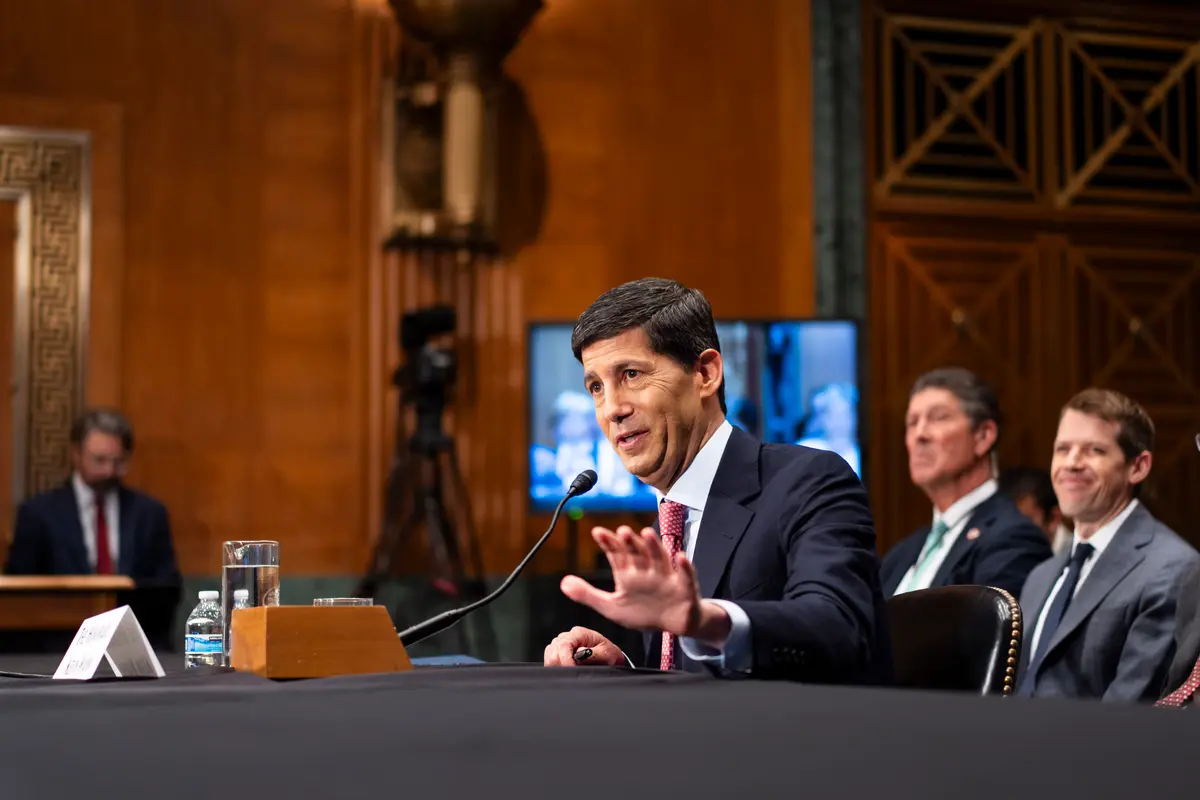
The national debt is poised to top $40 trillion soon, the federal budget deficit will come in close to $2 trillion again, and interest payments consume one-quarter of all tax revenue.
Although the White House continues to champion a strong-dollar position—official U.S. policy since the 1990s—a weaker dollar would be a boon for Trump’s reshoring initiative.
A lower buck against other currencies makes U.S. exports less costly for foreign buyers. Coupled with the president’s tariffs, the United States has experienced an export boom.
Conversely, a stronger dollar can make shipments more expensive, but make imports cheaper.
Ultimately, the dollar’s momentum could be a matter of trade-offs.
“Relative currency values reflect the global flow of funds,” Rob Haworth, senior investment strategy director with U.S. Bank Asset Management Group, said in a July 10 note. “When the dollar strengthens, it means more foreign money is flowing into the U.S. than out.
“If the dollar continues to strengthen, it could dampen corporate earnings, which could impact stock market performance in the short term.”