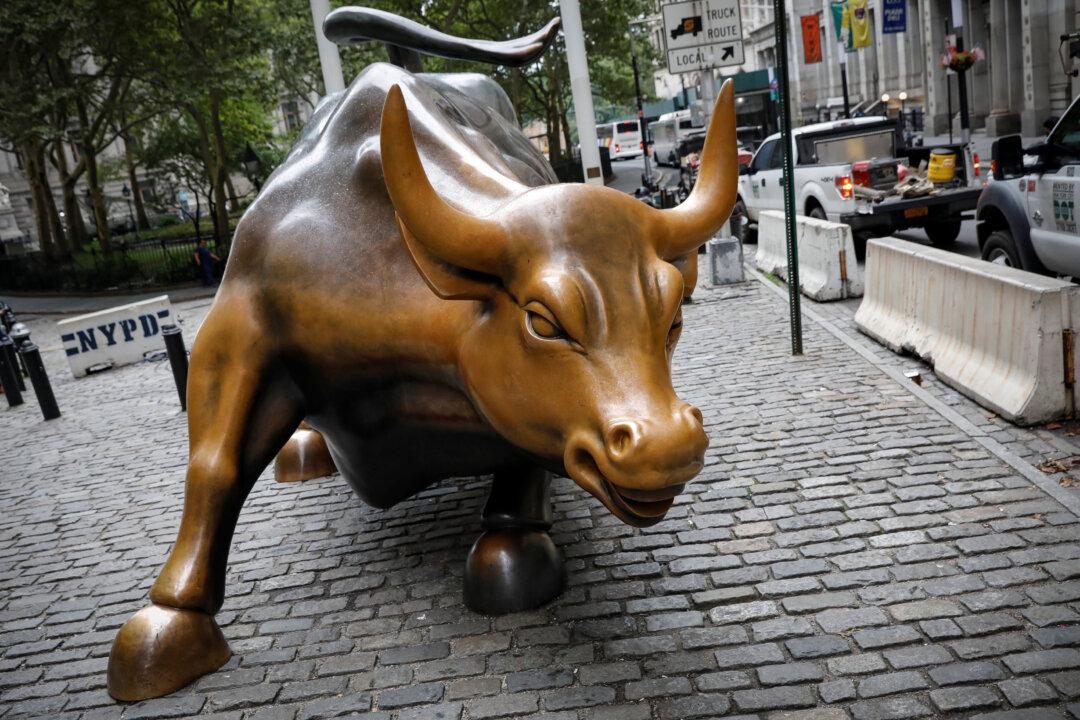
SpaceX shares rocketed higher after their Wall Street debut before burning off in altitude.
At the start of the July 17 trading session, shares were down 4 percent to below $126. They are poised for a weekly loss of around 10 percent.
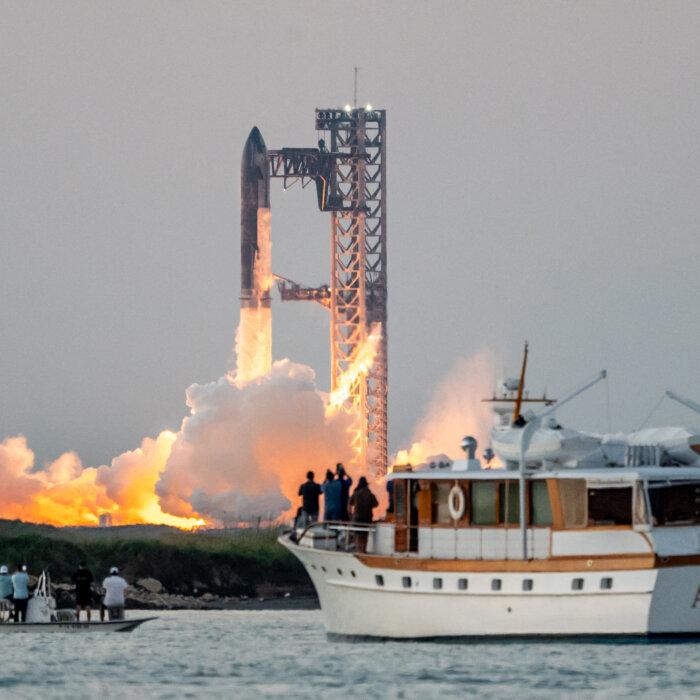
The end-of-week drop was fueled by SpaceX’s decision to scrub the launch of its Starship mega rocket due to an engine ignition failure.
“Some of the engines didn’t start, triggering an automatic launch abort,” Musk said on X. “Now offloading propellant. Next launch attempt hopefully in a few days.”
He later said that two Raptors (rocket engines) will be removed and replaced, with a launch planned again for early next week.
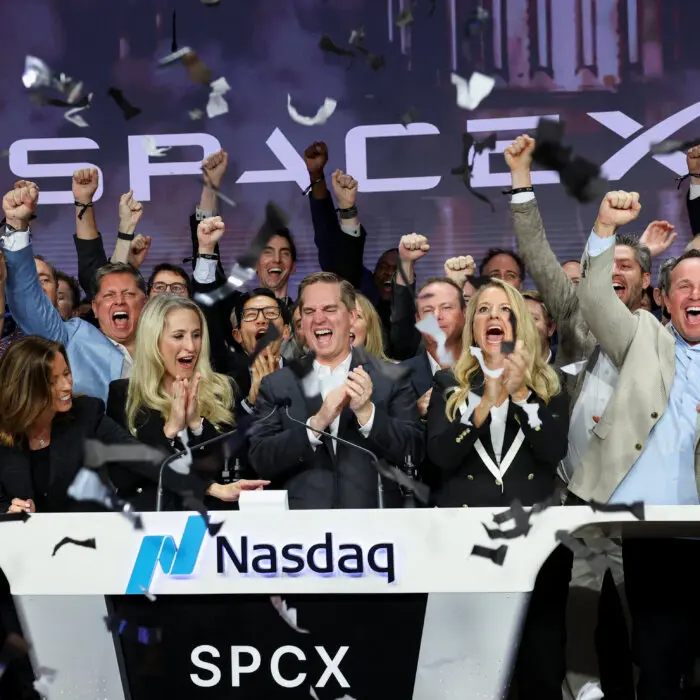
Traders’ ebullience over SpaceX has been waning since its peak near $202 on June 16, with the stock falling by around 40 percent.
Gary Black, prominent investor and managing partner of The Future Fund, said that “upside is limited” as it will not generate profits until sometime next year.
“$SPCX now below $133,” Black said in a July 15 post on X. “IPO should not have been priced at $135 (EV/Rev 47x!). Hard for me to get excited until it falls below $100.”
Based on the shorts, there could be more downside.
Shorts, Bonds, and Earnings
Short sellers have been steadily ramping up their wagers against SpaceX in recent sessions, pushing the short interest to above 17 percent. The build‑up suggests a growing cohort of traders positioning for further downside in the stock.
SpaceX shares could slide another 40 percent before shifting into “reasonable value territory,” says James Foord, economist and head of The Pragmatic Investor.
“Don’t be tempted to buy the dip yet,” Foord said in a July 16 research note.
SpaceX’s valuation sits far above both traditional space companies and the largest tech names, yet lacks the growth trajectory or profitability to justify its premium, he added.
While Starlink continues to scale, a cash‑intensive AI division could limit margin expansion and near‑term earnings visibility.
While this is a bearish signal, the real trouble could be in SpaceX’s $25 billion bond due in 2056. The bond price has fallen sharply, lifting the yield to almost 8 percent.
SpaceX planned to use proceeds from the debt sale to repay a $20 billion bridge loan and fund various expansion plans.
But investors could be getting nervous, demanding higher compensation amid concerns about higher capital spending and festering credit risks.
“[SpaceX] is now heading straight down as investors realize the company will have to spend heavily—perhaps for many years—to achieve an ambitious dream,” Ipek Ozkardeskaya, senior analyst at Swissquote Bank, said in a note emailed to The Epoch Times.
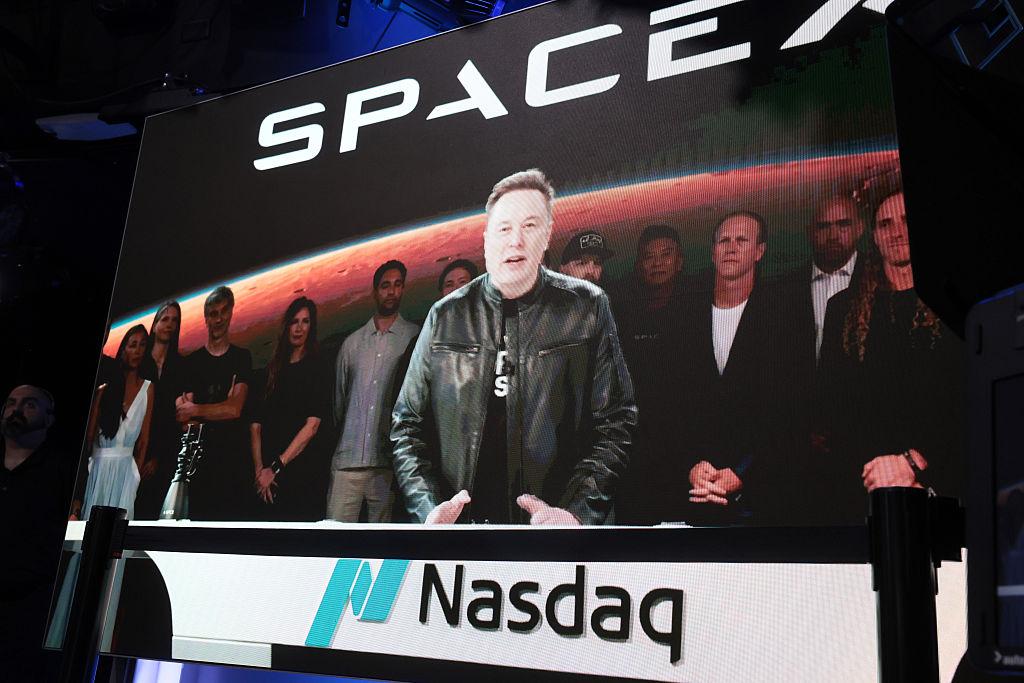
Strategists at JR Research do not believe financial markets should give up on SpaceX, especially after a string of deals, including one with AI giant Anthropic.
The Claude maker will lease the full capacity of SpaceX’s Colossus 1, a Tennessee-based terrestrial data center, paying SpaceX $1.25 billion per month over three years, for a total of $45 billion.
“SpaceX’s ambitious early and rapid compute buildout has proved to be helpful in driving an early growth inflection in its AI revenue curve, marking a relatively successful start in its overall AI game,” the JR Research strategists said in a July 13 note.
Having computing resources to spare in today’s AI supply chain “is proving to be invaluable,” they added.
SpaceX might attempt to alleviate concerns when it releases its first public earnings report sometime in August.
Wall Street analysts remain optimistic about SpaceX’s prospects, with a “Moderate Buy” consensus rating and a 12-month price target of 87 percent upside, according to MarketBeat.
“I do think this is a stock you’re buying for the next three, five, or even 10 years,” Nancy Tengler, CEO and CIO at Laffer Tengler Investments, told The Epoch Times in an emailed note.
“I’m long-term optimistic.”