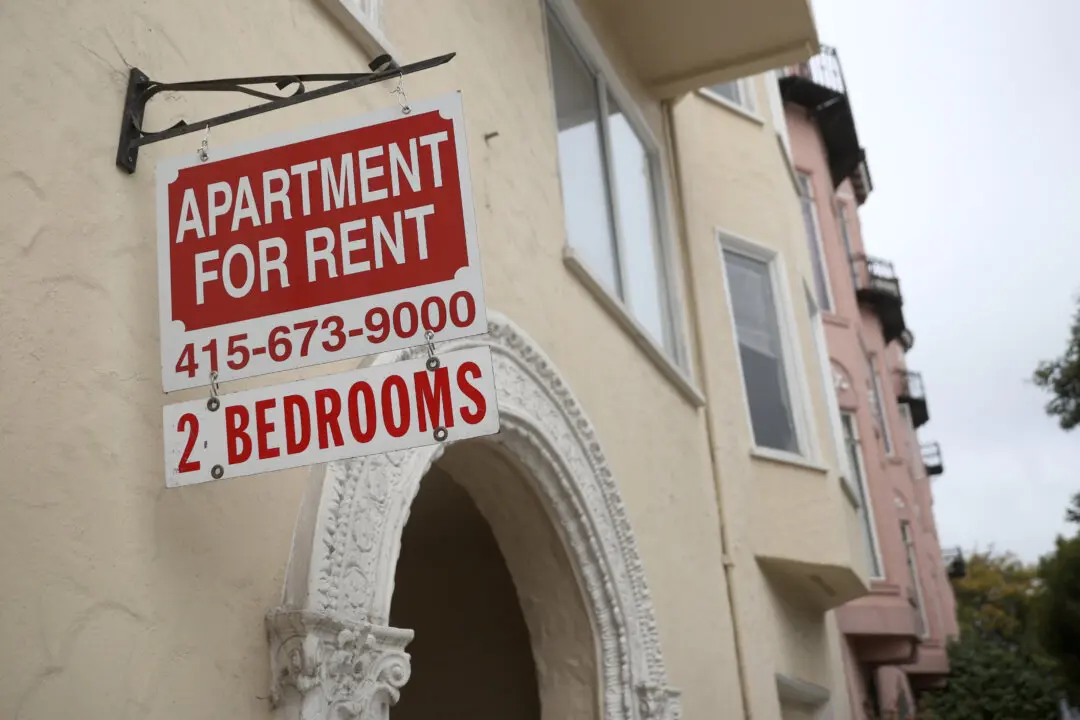
The Northeast experienced the biggest month-over-month decrease at 0.6 percent, followed by the Midwest at 0.4 percent. The South remained flat, falling by just 0.1 percent. Only the West saw gains, with a 3.7 percent month-over-month uptick.
“Even with modest improvements in mortgage rates, housing affordability, and inventory, buyers still remain hesitant,” NAR Chief Economist Lawrence Yun said in the report.
“Buying a home is often the most expensive purchase people will make in their lives. This means that going under contract is not a decision home buyers make quickly. Instead, people take their time to ensure the timing and home are right for them.”
Year over year, national pending home sales saw a 0.7 percent increase in July, with modest increases in the Midwest and South. However, year-over-year sales dropped in both the Northeast and the West.
“Rising mortgage applications for home purchase are an early indicator of more serious buyers in the marketplace, though many have not yet committed to a pending contract,” Yun said.
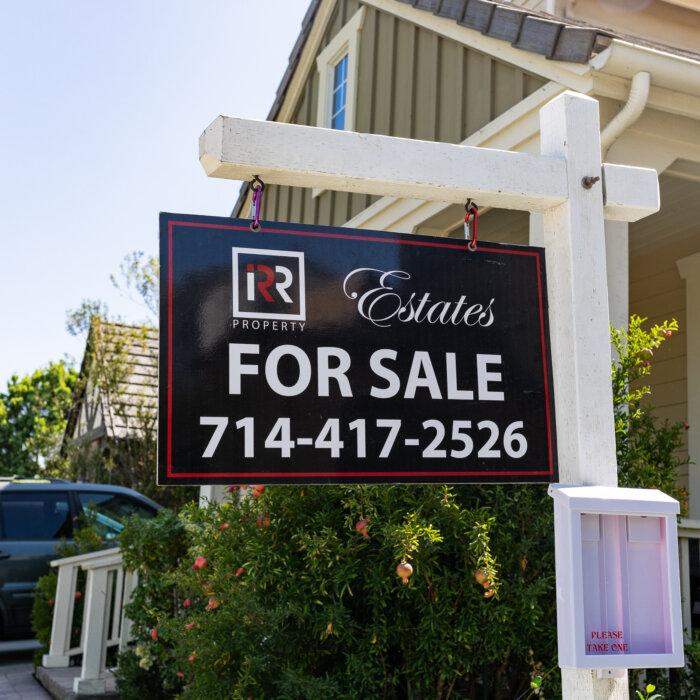
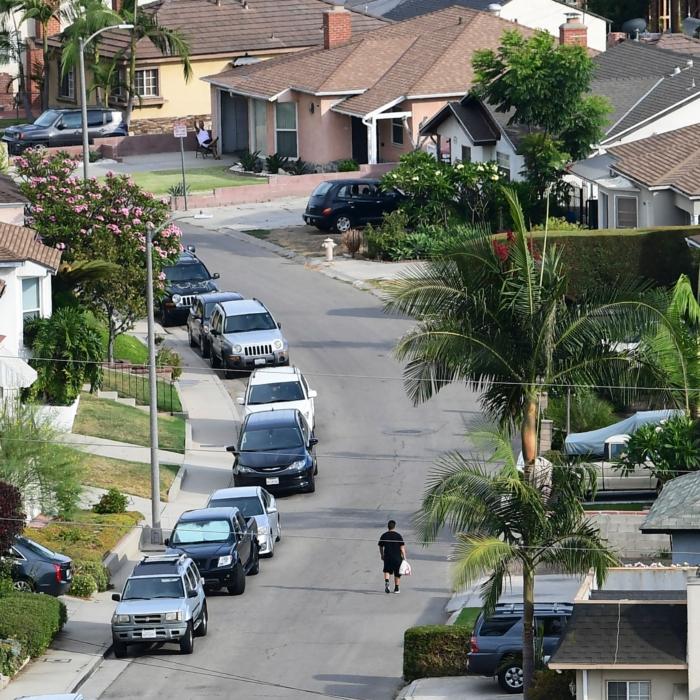
“The Federal Reserve signaling that they may enact a lower interest rate policy should steadily enlarge the pool of eligible home buyers in the upcoming months.”
The Pending Home Sales Index is a leading indicator for the housing sector, based on pending sales of existing homes. A sale is listed as pending when the contract has been signed, but the transaction has not closed, though the sale usually is finalized within one or two months of signing.
The survey also found that all-cash home buyers remain strong in the market while first-timers continue to struggle. The first-time buyer segment represented 28 percent of the market, down from 30 percent last month and 29 percent in July 2024.
The average number of offers stood at just 2, but 21 percent of homes still sold above the asking price. Almost 9 percent of buyers bought a home based only on a virtual tour, showing, or open house without physically seeing the home.
Earlier this month, NAR reported that month-over-month existing home sales grew by 2 percent in July. The Northeast, South, and West all experienced advances in month-over-month sales, while the Midwest sales dropped. Year-over-year data for existing sales showed increases everywhere except the West.