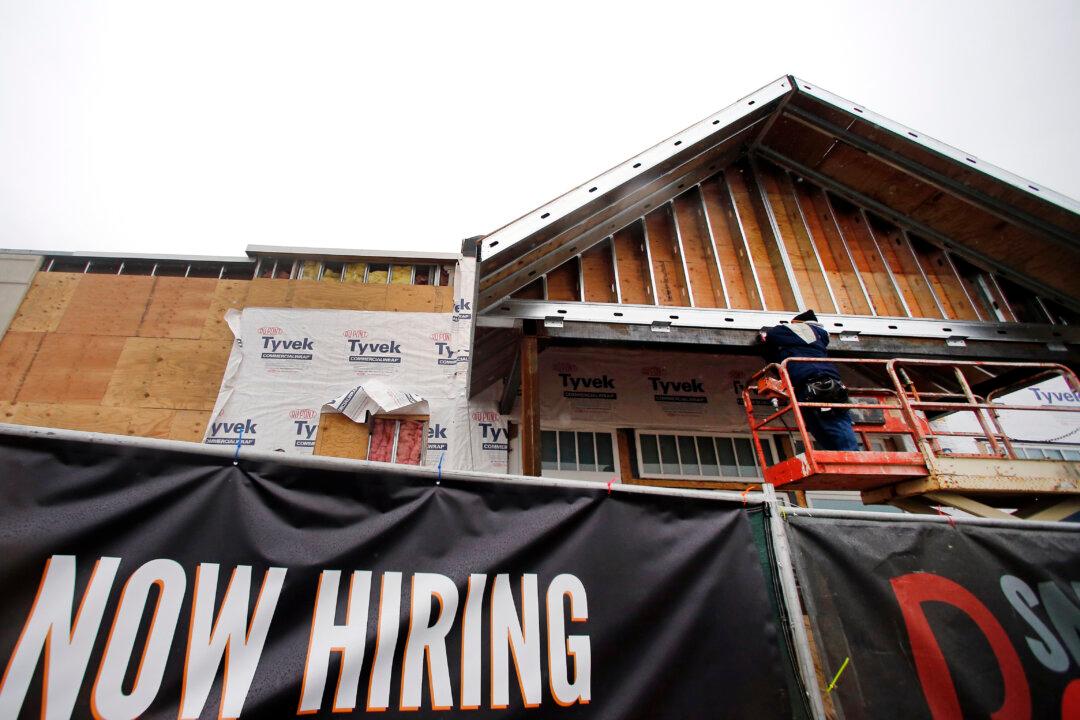
While America’s rental market has remained relatively favorable to renters, apartment availability may tighten in the coming months as the wave of multi-unit-home construction is receding, according to a July 23 report from Zillow.
Nationwide, the median monthly rent inched up by 2.2 percent year over year to $1,965 in June, according to the report.
Rent growth strengthened over the past three months, with April, May, and June posting stronger month-over-month gains than the same period in 2025.
At the same time, 39.7 percent of listings on Zillow offered a concession for apartment seekers, up from 35.2 percent a year ago.
The report indicated that new construction, particularly in southern and western regions, has added a wealth of multifamily inventory over the past few years, giving renters more choices on where to live.
“Housing supply remains the most direct long-term lever for keeping rents in check, and markets that invested in new housing are rewarding renters with more choices, better concessions, and more competitive pricing,” the report stated.
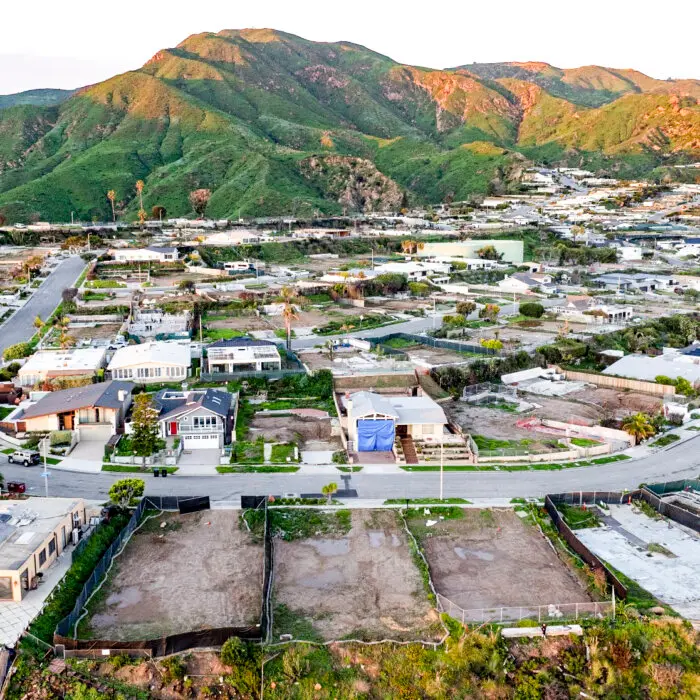
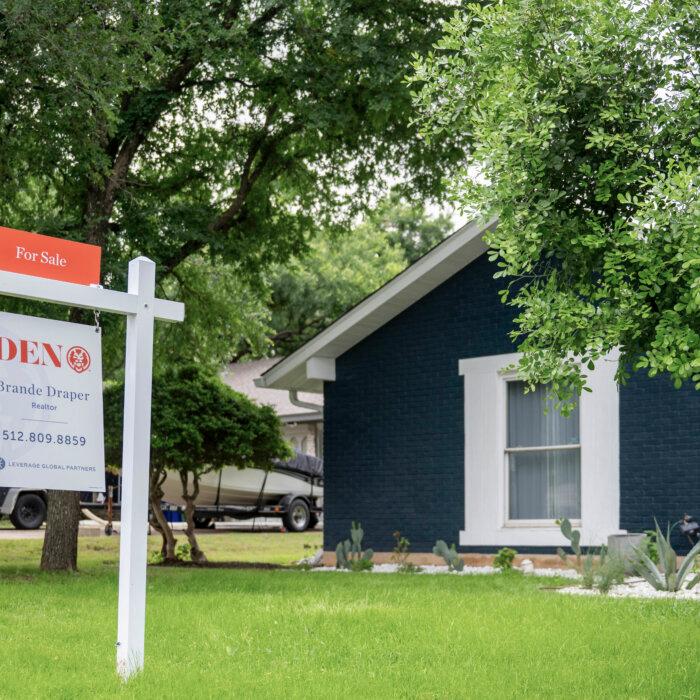
However, the report noted that the high cost of buying a home is keeping many in the rental market longer.
As a result, single-family home rents grew by 3 percent year over year to $2,320 in June—almost double the 1.5 percent increase for multifamily units, at $1,789 in June.
Meanwhile, the report indicated that building completions slipped during the second quarter, while the net absorption rate continued to advance.
“With demand holding steady and the flow of new apartments slowing, conditions are expected to tighten gradually across the country,” the report stated.
A June 2026 report from the National Association of Home Builders (NAHB) confirmed that overall housing starts dropped by 15.4 percent in May, and starts in the multifamily sector alone plummeted by 40.2 percent.
Starts in this sector, which includes apartment buildings and condos, recorded an annualized pace of 295,000 units—down by 14.2 percent year over year from May 2025.
NAHB also noted that single-family home building slipped in May because of higher interest rates, rising construction costs, and labor shortages.
“The decline in housing starts aligns with NAHB’s latest builder survey, which showed builder sentiment weakening further in June,” NAHB Chairman Bill Owens said in the report.
“Builders are offering incentives and cutting prices, but difficult market conditions are still limiting sustained momentum for new construction.”
Zillow’s analysis found that regions that fell short on new housing development are already experiencing declining rental affordability.
In already tight markets such as San Francisco, rents continued to rise by 8.2 percent year over year with a typical monthly rent of $3,301, requiring an annual household income of $132,059.
The city now leads the nation in rent growth.
Looking ahead, rent growth is expected to remain moderate, with Zillow predicting that single-family rents will rise by 3.1 percent and multifamily rents will increase by 2 percent for the year.
For renters, it said the incentives currently available—such as a move-in discount, free month’s rent, waived fees, free parking, or other perks—are unlikely to disappear overnight.
But as new supply is absorbed, conditions could begin to tighten.