Mortgage demand tanked for the second straight week as higher interest rates slowed homebuying and refinancing activity, new industry data show.
For the week ended March 20, total mortgage application volumes declined by 10.5 percent, according to figures from the Mortgage Bankers Association released on March 25.
Applications also fell, by 10.9 percent, during the previous week.
The index for refinancing tumbled by 15 percent while applications to purchase a home decreased by 5 percent.
Weaker mortgage market activity was driven by rising interest rates and affordability constraints, says Joel Kan, deputy chief economist and vice president of the Mortgage Bankers Association.
“The threat of higher for longer oil prices continued to keep Treasury yields elevated, and mortgage rates finished last week higher,” Kan said in a news release.


“Higher mortgage rates, coupled with affordability constraints and economic uncertainty, pushed some potential homebuyers to the sidelines.”
The average contract interest rate on a 30-year fixed mortgage was 6.43 percent—the highest level since early October 2025—up from 6.3 percent in the previous week. This is also more than 30 basis points above the level at the end of February.
Mortgage rates generally track the U.S. Treasury market, particularly the benchmark 10-year yield.
In addition, according to data from real estate platform Redfin, home prices were little changed in February, ticking up just 0.1 percent from the previous month.
Treasury Turbulence
Since the start of the war in Iran, the 10-year Treasury yield had climbed about 40 basis points, to above 4.4 percent. With a potential resolution on the horizon, government bond yields have been sliding.The 10-year declined to around 4.34 percent. The 20- and 30-year yields have eased since eyeing 5 percent. The two-year, which follows Federal Reserve policy expectations, dipped below 3.9 percent.
Middle East tensions could have a substantial impact on the U.S. housing market this spring, warns Jeff DerGurahian, head economist and CIO at loanDepot.
“If elevated oil prices begin to fuel broader inflation concerns, markets could increasingly price in the possibility of Fed hikes over the next four meetings,“ he said in a note emailed to The Epoch Times. ”While it’s still too early to know the full impact on the spring housing market, any move closer to 6 percent would help affordability, and conditions could improve if tensions begin to ease.”
Crude oil prices have fallen significantly this week amid hopes the conflict is winding down.
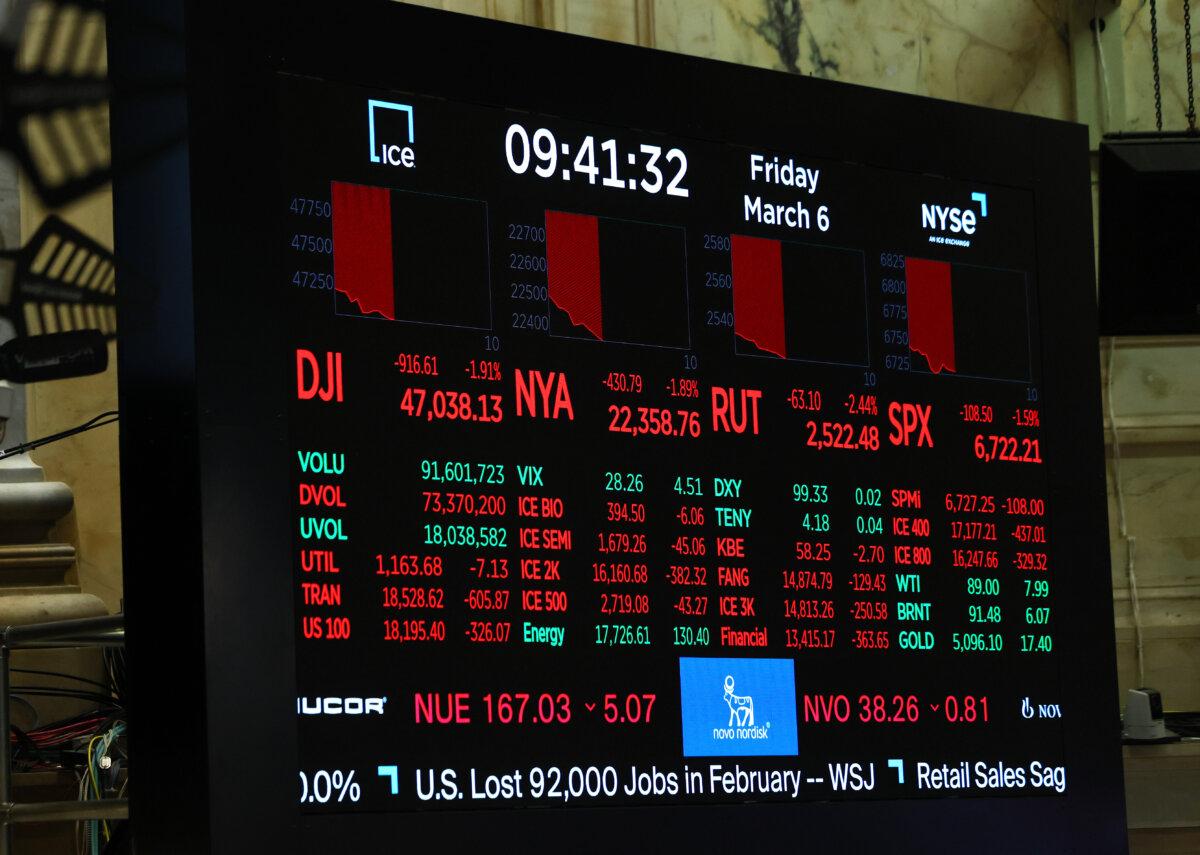
A barrel of West Texas Intermediate—the U.S. benchmark for oil futures—fell by 4 percent midweek, to around $88 on the New York Mercantile Exchange. Brent crude prices, which are more susceptible to geopolitical strife, also erased 4 percent to linger around $100 per barrel overseas.
Forecasts that the Federal Reserve will raise interest rates later this year have eased. But traders are pricing in the central bank not touching the key policy rate at all in 2026, CME FedWatch data show.
So far, mortgage rates are showing little sign of relief.
The 30-year mortgage rate reached 6.55 percent as of Mar. 25, according to Mortgage News Daily’s tracker.
“Even if the war were to end today, there’s been sufficient disruption to infrastructure and a big enough initial spike in energy prices to create what economists refer to as ’second round effects,'” Matthew Graham, COO at Mortgage News Daily, said in a March 24 note.
“Subsequent comments regarding de-escalation helped the bond market recover some of those initial losses, but the market would like to see a more ironclad announcement before reacting in a more meaningful way.”
Markets cheered in the middle of the trading week on reports that the United States sent Iran a 15-point peace plan to end the war.