The United States will cut reciprocal tariffs on Bangladesh and grant tariff exemptions on certain textiles and apparel produced with U.S. materials, the White House said on Feb. 9.
U.S. President Donald Trump imposed a 37 percent reciprocal tariff on imports from Bangladesh in April 2025. The tariff was later reduced to 20 percent after trade negotiations.
In a joint statement, the White House said the two nations secured a new trade deal that will strengthen their economic ties and allow “unprecedented access” to each other’s respective markets.
Under the deal, the United States will further cut tariffs on imports from Bangladesh to 19 percent and allow certain apparel and textile goods that are made with U.S. cotton and man-made fiber to enter tariff-free.
In return, Bangladesh agreed to provide “significant preferential market access” to U.S. industrial and agricultural goods, including chemicals, medical devices, machinery, motor vehicles and parts, ICT equipment, energy products, soy, dairy, beef, poultry, tree nuts, and fruit, according to the White House.
Bangladesh will also address non-tariff barriers by accepting vehicles that meet U.S. federal motor vehicle safety and emissions standards, recognizing U.S. Food and Drug Administration certifications, and removing import restrictions and licensing requirements on U.S. remanufactured goods, the White House said.

The White House also said that both nations took note of recent and upcoming commercial deals, including aircraft procurement, about $3.5 billion in purchases of U.S. agricultural products, and an estimated $15 billion in energy product purchases over 15 years.
Bangladesh also agreed to prohibit the import of goods made with forced labor, allow the free flow of data across trusted borders, and remove insurance market barriers.
It also pledged to back the adoption of a permanent moratorium on customs duties on digital goods at the World Trade Organization, the White House said.
Muhammad Yunus, chief adviser to Bangladesh’s interim government, said the deal followed more than nine months of trade negotiations that started in April last year.
“The agreement was approved by the Council of Advisers on Monday and will be operational once notifications are issued by the two sides,” Yunus said in a Feb. 9 post on X.
Bangladesh is set to hold general elections on Feb. 12.
Khalilur Rahman, Bangladesh’s national security adviser and lead negotiator, was quoted by Yunus as saying the tariff exemptions on clothing and textiles using U.S. inputs “will give substantial added impetus to our garments sector.”
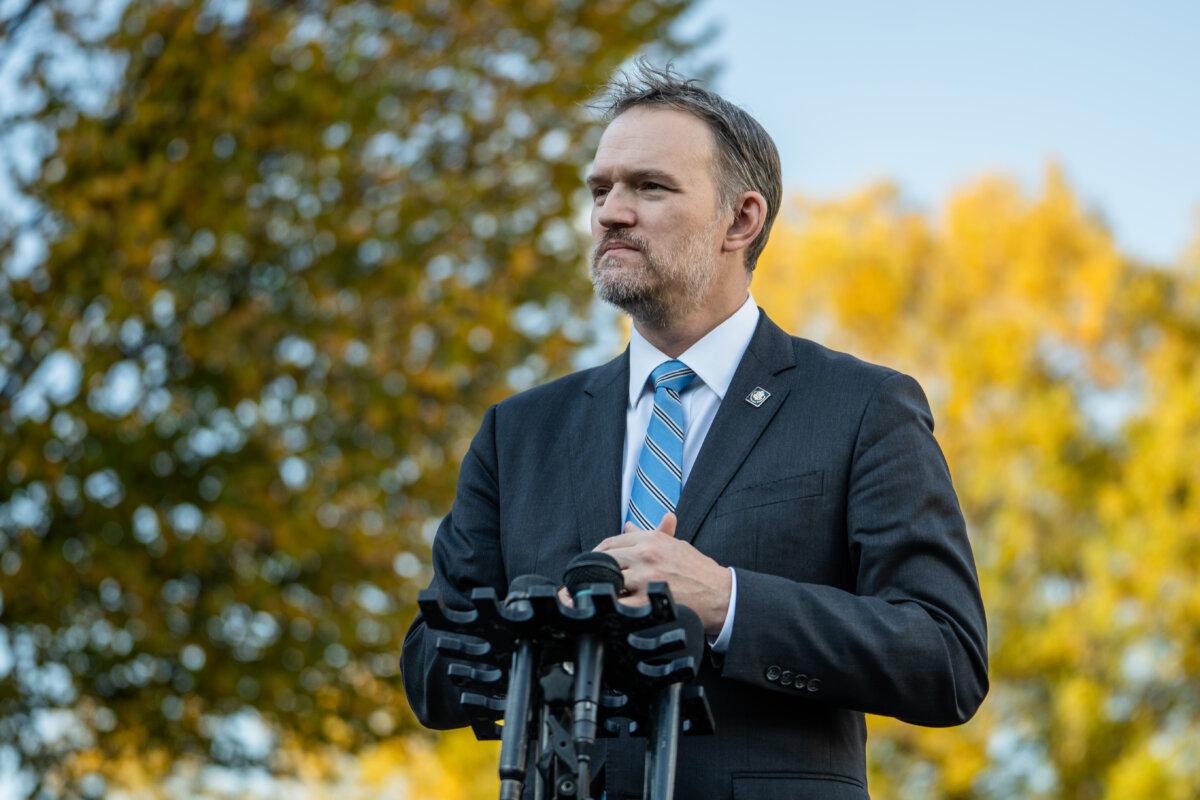
U.S. Trade Representative Jamieson Greer said Bangladesh is the first South Asian country to seal a reciprocal trade agreement with the United States.
Greer said the agreement marks “a meaningful step forward” for the country in opening its markets, addressing trade barriers, and creating new opportunities for U.S. exporters.
“Under President Trump’s leadership, the United States is pursuing a trade policy that delivers real results for American workers and businesses, strengthening our economic and security partnerships abroad,” Greer said in a statement.