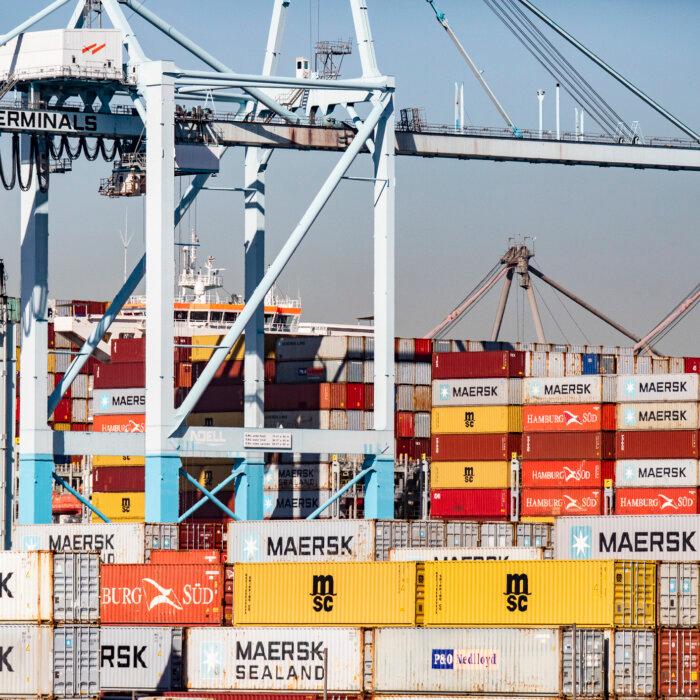
Prices at America’s ports were little changed over the past year as President Donald Trump’s tariffs on foreign goods entering the United States remain in effect.
Import prices—from November 2024 to November 2025—edged up just 0.1 percent.
Excluding food and fuel, import prices were up 0.9 percent year-over-year, highlighting weakness in the U.S. dollar.
Prices for U.S. exports, meanwhile, jumped 0.5 percent and were up 3.3 percent over the 12 months ending in November 2025.

The record 43-day government shutdown prevented officials from collecting survey data for October 2025.
Prices for non-fuel imports drove much of the increase, rising 0.6 percent during the two months.
Lower costs for automotive vehicles, consumer goods, foods, feeds, and beverages helped offset higher prices for industrial supplies and materials, as well as capital goods.
Fuel import prices declined 2.5 percent and fell 6.6 percent from November 2024 to November 2025.
Additionally, the indexes for petroleum imports plunged more than 8 percent over the past 12 months, while imported natural gas prices surged about 51 percent.
The price index for agricultural shipments accounted for a sizable share of the increase in September and October, rising 1.3 percent. Agricultural export prices climbed 2.6 percent over the past 12 months.
As for nonagricultural exports, prices ticked up 0.4 percent from September to November 2025.
Examining Inflation
Much of the president’s tariff agenda has been instituted. While price pressures have appeared in the U.S. marketplace, aggregate inflation levels have been muted due to exporters lowering their prices or American companies absorbing additional tariff-related costs.Core inflation, which excludes energy and food prices, came in at 2.6 percent—the lowest level since September 2021.
Private-sector alternative measurements suggest price inflation could be lower than government estimates.
But a shift could be looming for the economic landscape.
“Several contacts that initially absorbed tariff-related costs were beginning to pass them on to customers as pre-tariff inventories became depleted or as pressures to preserve margins grew more acute,” the Beige Book stated.
However, contacts across several industries, including retail and restaurants, have remained hesitant to pass higher costs on to price-sensitive consumers.
“Looking ahead, firms expect some moderation in price growth, but anticipate prices to remain elevated as they work through increased costs,” the report concluded.
The fate of Trump’s trade agenda remains up in the air as the Supreme Court has yet to issue a ruling on his tariffs.
He pointed to the hundreds of billions of dollars needed to “pay back.”
In addition, the “amount of ‘payback’ countries and companies would require” for their investments in the U.S. economy.
“Anybody who says that it can be quickly and easily done would be making a false, inaccurate, or totally misunderstood answer to this very large and complex question,” Trump wrote on the social media platform.
“It may not be possible, but if it were, it would be dollars that would be so large that it would take many years to figure out what number we are talking about and even who, when, and where to pay.”
“It won’t be a problem if we have to do it, but I can tell you that if it happens—which I don’t think it’s going to—it’s just a corporate boondoggle,” Bessent said.
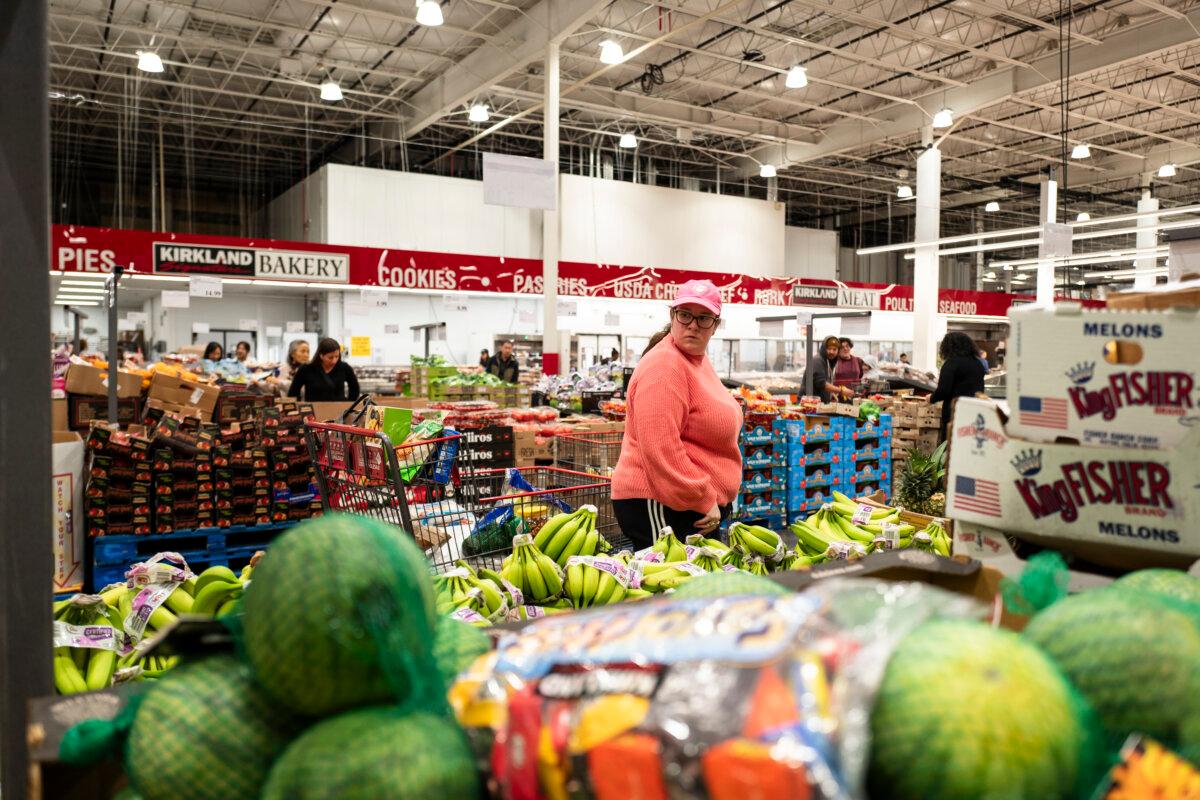
“Costco, who’s suing the U.S. government, are they going to give the money back to their clients?”
The retail giant recently sued the U.S. government to obtain refunds if the high court determines the tariffs are illegal.