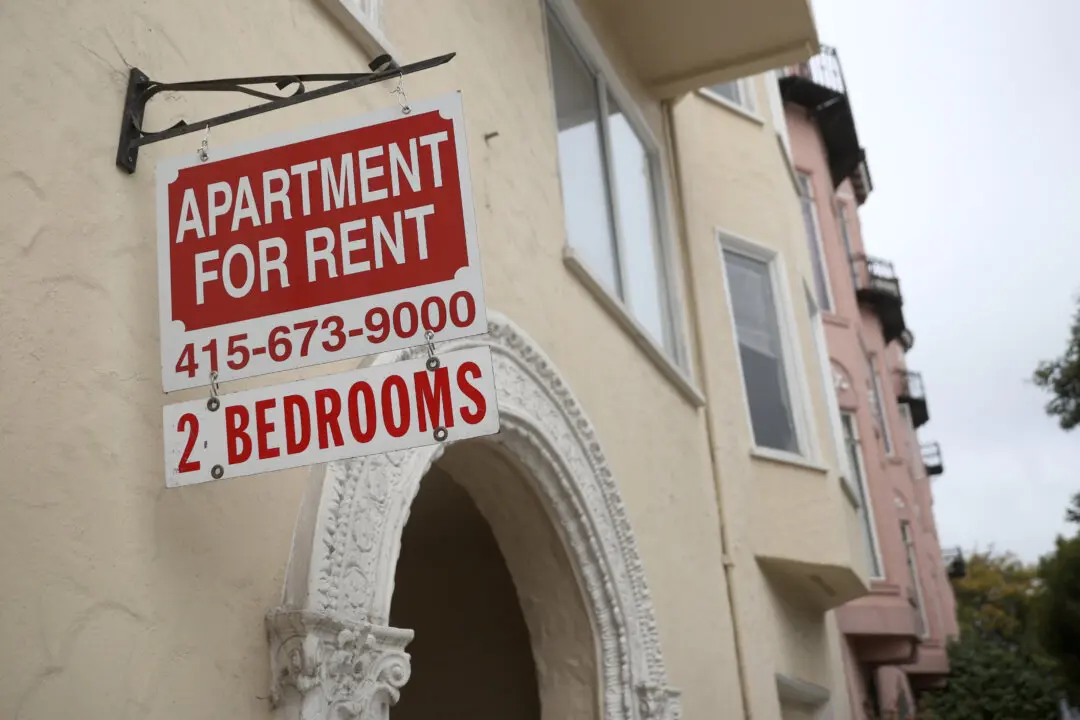
Rentals generally follow seasonal patterns, showing an uptick in the spring and a slowdown in late summer and fall.
“Notably, the decline in rents from their peak through August 2025 is sharper than in 2024, both in absolute dollars and in percentage terms,” the report states. “This year’s pullback exceeds typical seasonal patterns and reinforces the broader trend of moderation in rent growth.”
National averages remain higher than 2024 levels.
According to the report, all regions of the country saw rent decreases in August, with the West and South leading the nation with 0.5 percent and 0.4 percent month-over-month drops, respectively. The Midwest and Northwest also experienced month-over-month negative shifts of 0.2 percent and 0.01 percent, respectively.
On an annual basis, the Midwest and Northeast were also the best performing regions, with both seeing more than 2 percent growth. The South remained flat, while the West saw a 1.3 percent downturn.
Only a few metro areas experienced an increase, with San Francisco in front with a 0.6 percent month-over-month jump. In Southern California, Orange County had rental increases of 0.3 percent, while rents in northern New Jersey; Norfolk, Virginia; St. Louis; and New York City remained flat.
The metropolitan areas posting the greatest declines in rent include Richmond, Virginia, and Austin, Texas, with 1.1 percent drops; Las Vegas, with a 1 percent decrease; and San Antonio, showing a 0.9 percent falloff.
“These Sun Belt markets continue to face elevated vacancy and aggressive new supply, which is putting downward pressure on rents,” the report states.
San Francisco also leads U.S. metropolitan areas in year-over-year rent growth, rising by 6.2 percent. Chicago followed with a 3.9 percent hike, then San Jose, California, with 3.5 percent more, and New York City with a 2.8 percent uptick.
Other metro areas with year-over-year rent increases of more than 1.5 percent include Philadelphia, Pittsburgh, Cincinnati, Detroit, Boston, and Seattle.
On the opposite end, Austin, Texas, saw the biggest year-over-year rental price drop at 4.7 percent, followed by Denver at 3.5 percent and Phoenix at 3.1 percent.
Those metro areas seeing year-over-year rental price declines of more than 1 percent include Salt Lake City; Orlando; Jacksonville, Florida; Raleigh, North Carolina; and Nashville.
The report concludes that markets with the highest levels of new construction are now experiencing the biggest rental price declines.