Sustained demand and declining housing inventories across the United States have led to a dip in vacant homes, including a slight reduction in homes abandoned by owners where foreclosure proceedings were initiated but not concluded, according to a new report.
A “zombie” property is one where the owners left the residence during the foreclosure process, but it was never finalized.
Just under 228,943 homes were in foreclosure proceedings by the fourth quarter, Attom noted, with about 7,448 homes—3.25 percent—falling into the zombie category. Approximately 3.38 percent of foreclosure homes fell into this category in the previous quarter.
Nationwide, 1.32 percent of homes sat vacant, a 0.01 percent decrease from vacancy rates in the previous quarter.
Attom’s CEO Rob Barber said continued demand from home buyers has kept vacancy rates steady at around 1.4 percent throughout the past four years.
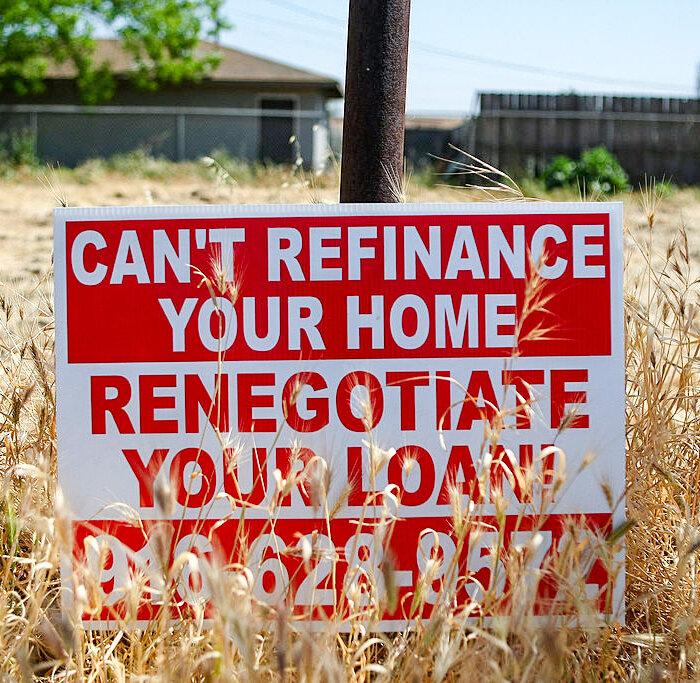
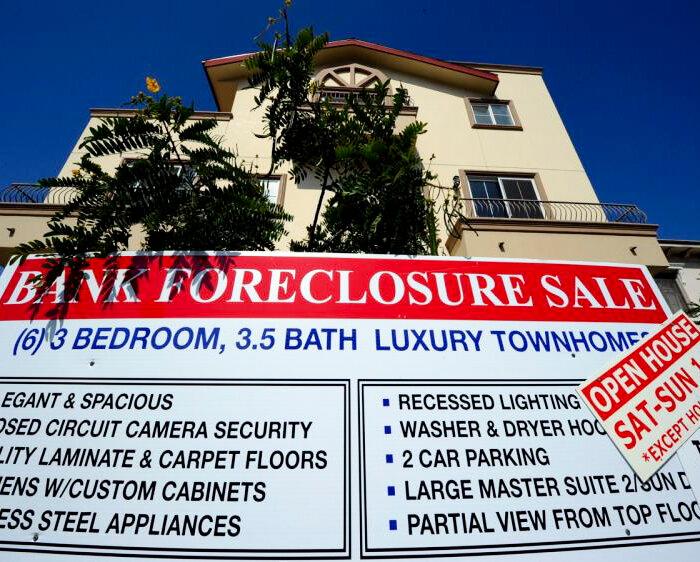
“Record high prices haven’t dampened the demand for homes,” Barber said.
“It’s a good sign for local housing markets that even as we’ve seen foreclosure filings increase, the rate of homes in foreclosure that are abandoned is going down.”
The number of abandoned foreclosure properties increased in 21 states from the prior quarter, according to Attom. Kansas had the highest rate of abandoned foreclosure homes at 12.3 percent of total vacancies, followed by Iowa (8.6 percent), Oregon (7.1 percent), Indiana (6.4 percent), and Ohio (6.3 percent).
Cedar Rapids, Iowa, led all metropolitan areas with populations of more than 100,000 residents, with 14 percent of all homes in foreclosure abandoned by their owners. Peoria, Illinois, and Wichita, Kansas, both had nearly 12 percent of their vacant homes registered as abandoned properties.
Overall, vacancy rates and zombie foreclosures declined in many states, most notably California, Indiana, and Florida, according to Attom. Meanwhile, Ohio, Nevada, and Oregon all saw moderate increases.
Attom said its fourth-quarter vacant property and zombie foreclosure report is based on snapshot-in-time data—it captures conditions at the start of the quarter and does not reflect finalized results for the entire quarter.