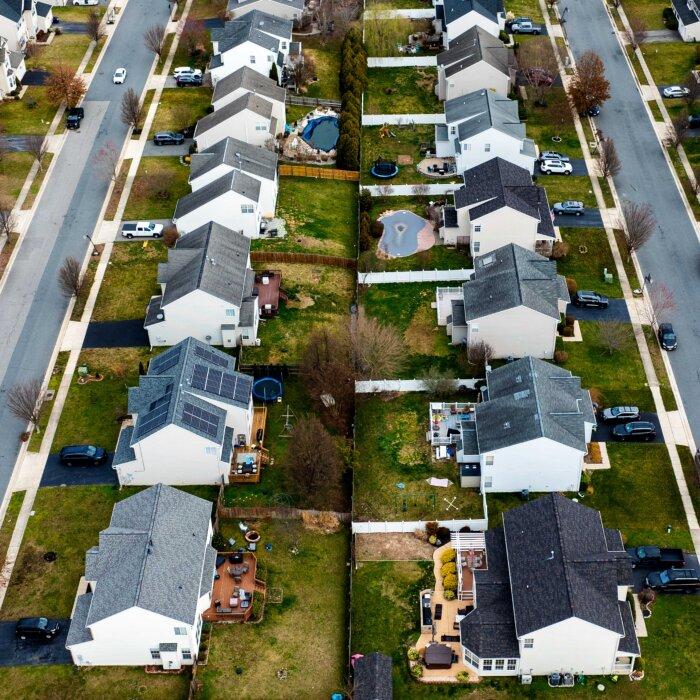
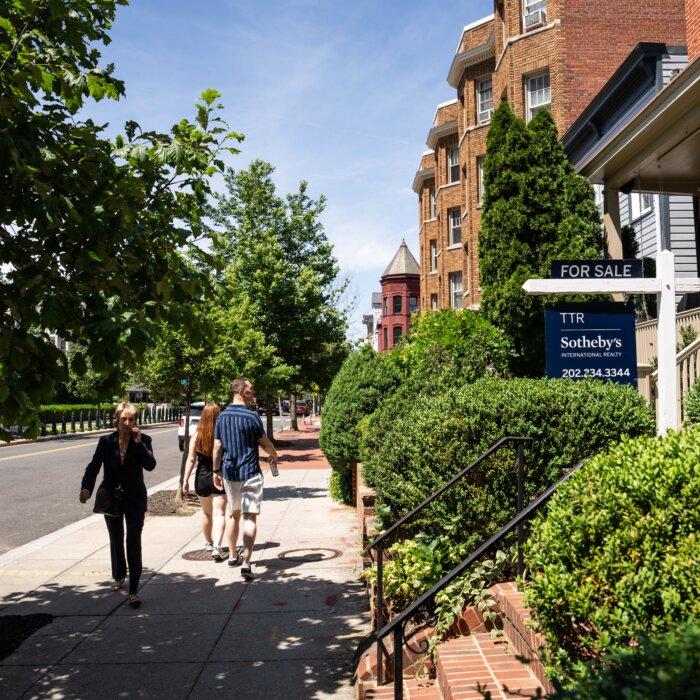
Another key Wall Street economic benchmark indicates that U.S. home prices slowed faster than expected during the critical spring selling season, marking the slowest yearly growth in nearly two years.
“The housing market continued its gradual deceleration in April, with annual price gains slowing to their most modest pace in nearly two years,” said Nicholas Godec, head of fixed tradables and commodities at S&P Dow Jones Indices.
“What’s particularly striking is how this cycle has reshuffled regional leadership—markets that were pandemic darlings are now lagging, while historically steady performers in the Midwest and Northeast are setting the pace. This rotation signals a maturing market that’s increasingly driven by fundamentals rather than speculative fervor.”
The seasonally adjusted U.S. National Index, which covers all nine U.S. census divisions, was not only below expectations but also declined from a 3.4 percent gain in the previous month. The 10-City Composite saw an annual increase of 4.1 percent, down from 4.8 percent last month. The 20-City Composite posted a year-over-year increase of 3.4 percent, down from 4.1 percent in March. Economists surveyed by The Wall Street Journal forecasted a gain of 4 percent.
New York again reported the highest annual gain among the 20 cities, with a 7.9 percent increase in April, followed by Chicago and Detroit, which saw increases of 6 percent and 5.5 percent, respectively. Tampa posted the lowest return, falling 2.2 percent.
“The composition of these gains tells an important story: Approximately 1.7 percentage points of April’s annual increase occurred over the past six months, indicating that price momentum has been concentrated in the recent spring selling season rather than sustained throughout the year,” Godec said.
Other key housing reports are also scheduled for later this week. The U.S. Census Bureau and the U.S. Department of Housing and Urban Development (HUD) will release the highly anticipated monthly residential sales report on June 25. The NAR will also release its Pending Home Sales Index on June 26.