The report indicates that although this time frame is down from 12 years in 2022, it is still nearly double the pre-COVID-19 pandemic norm.
“Higher home prices and intensified competition have pushed typical down payments higher, at the same time that inflation and rising household expenses have reduced savings rates,” Realtor.com chief economist Danielle Hale said in the report.
“Although conditions have improved since 2022, today’s timeline shows that saving for a home takes meaningfully longer than it did before the pandemic, especially in high-cost markets.”
According to the report, Americans’ personal savings rate averaged 5.1 percent of their savings so far for 2025, dipping below the pre-COVID-19 pandemic level of 6.5 percent. Hale said higher home prices and increased competition have pushed down payments even higher.
The report shows that in the third quarter of 2019, the average buyer paid nearly $14,000 as a down payment. By the third quarter of 2025, that average had jumped to $30,400.
In many ultra-expensive coastal metropolitan areas, saving for a typical down payment can take 20 years or even more than 35 years, said Hannah Jones, Realtor.com senior research analyst.
“In high-cost markets, the typical down payment alone exceeds a full year of household income,” Jones said in the report. “That reality makes homeownership feel unattainable for many buyers, particularly younger households trying to enter the market for the first time.”
Five California locations were included among those metros requiring the longest time to save for a down payment. Even with a median household income of $166,033, potential homeowners in the San Jose–Sunnyvale–Santa Clara metro area would need an average of $304,000 for a down payment. Saving 5.1 percent of their annual income would produce more than $8,400 and take about 36 years of savings to cover their down payments.
Conversely, many Southern metro regions require less than five years of savings for a typical down payment.
Using the 5.1 percent annual savings model, homebuyers in the Texas metro of San Antonio–New Braunfels would need to save for a little more than a year to make a $5,000 down payment on an average-priced home. The household income is a little more than $77,000 per year.
Additional affordable metros include Birmingham, Alabama; Jacksonville, Florida; Tucson, Arizona; and Oklahoma City.
Despite down payment challenges, the report concludes that about 75 percent of Americans still consider owning a home to be part of the American dream.
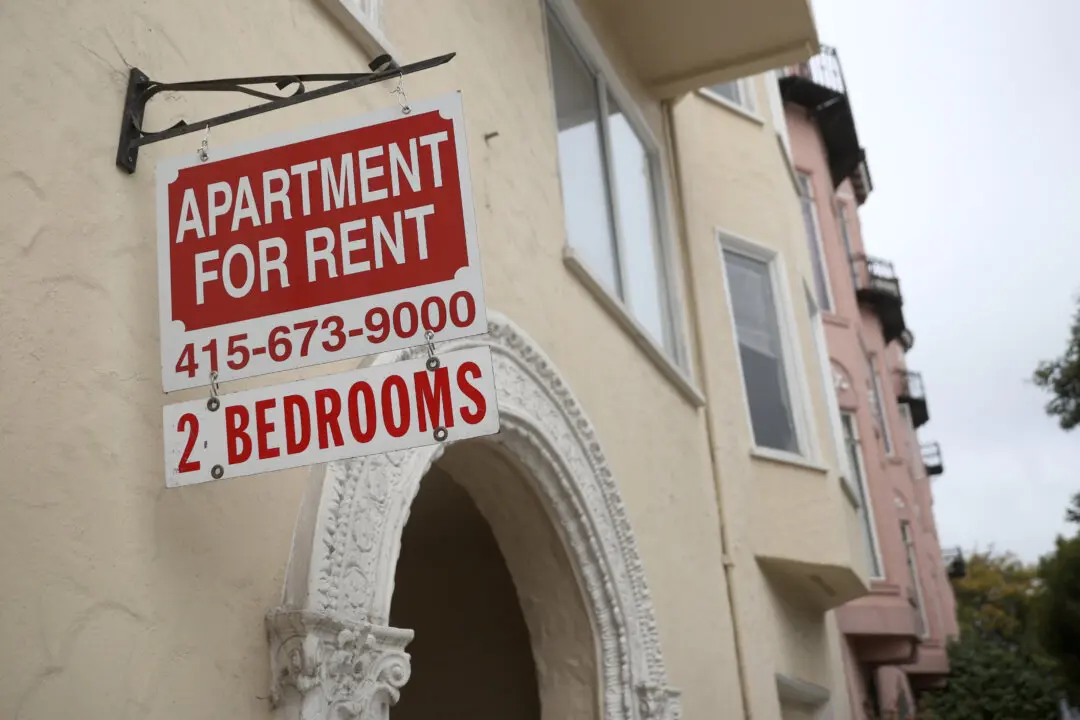
“Median asking rent for zero to two-bedroom units fell for the [28th] consecutive month on a year-over-year basis,” the report states.
The rental peak in 2022 was $1,735, 2.5 percent higher than the November 2025 rent. By comparison, the national rent for zero- to two-bedroom units was $1,445 in November 2019.
The report states that some of the country’s most affordable rentals can be found in Buffalo, New York, at an average of $1,176 per month; St. Louis, at $1,305; Detroit–Dearborn, Michigan, at $1,337; and Austin, Texas, at $1,388.
Jones said potential homeowners should practice saving consistently, even in small amounts.
“In today’s market, building that financial cushion can make a real difference when buyers are ready to act,” she said in the report.