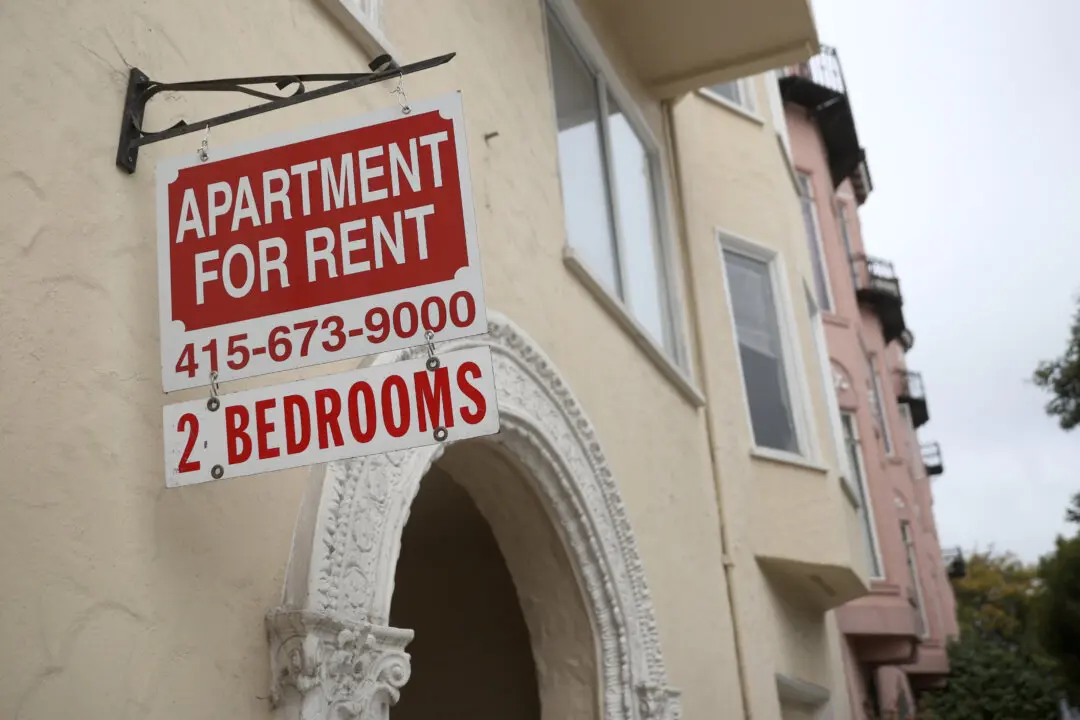
The just-released findings analyzed rental competition during the second quarter, which is typically the peak season for rentals, offering a strategic indicator of the rental market for the remainder of the year.
RentCafé reviewed nearly 140 metro areas nationwide and ranked each based on five metrics: apartment occupancy rate; average total days vacant; prospective renters per vacant unit; renewal lease rate; and share of new apartments completed.
While the national occupancy rate has dipped slightly from 93.7 percent last year to 93.4 percent this year, more renters are choosing to stay where they live, as 62.7 percent renewed leases this year, compared with 62 percent in 2024. Days on the market saw a slight uptick from 39 last year to 40 this year.
The analysis also showed that renters are staying longer in their apartments, with a new national average of 28 months, and average lease terms of 12 months.
Regionally, renters in the Northeast have the longest stays at 36 months on average. The Northeast also garners the most demand region for apartment-hunters in peak rental season, with an overall RCI score of 80.5.
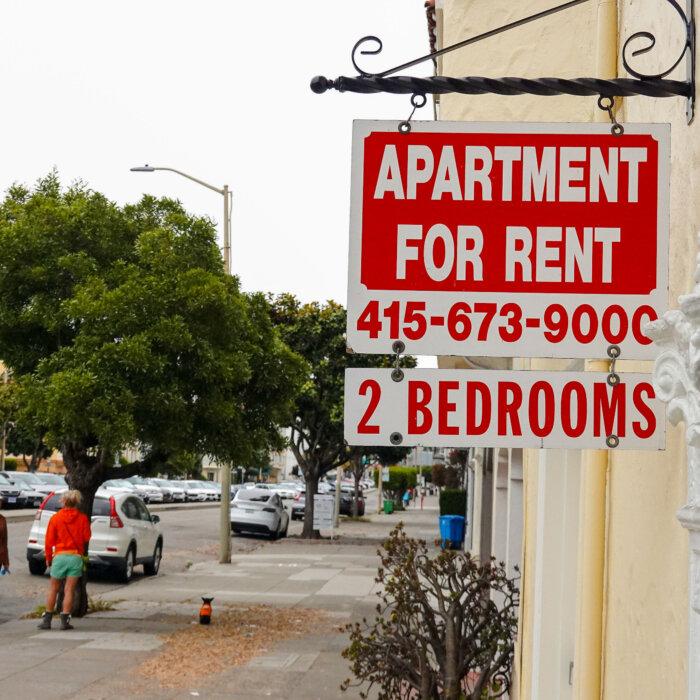
Surprisingly, the Midwest followed closely behind with a Rental Competitiveness Index of 80.4.
“The Midwest has become a highly competitive rental market thanks to its mix of affordability, job prospects, and quality of life,” RentCafe analyst Veronica Grecu told The Epoch Times.
She noted that the region also offers a large supply of workforce housing, which is attractive to younger renters and remote workers seeking relief from big-city prices.
The South scored a Rental Competitiveness Index of 76.5, but the West recorded the lowest score of 69.8. Grecu said the surge of new apartment construction in the West has given renters a lot more options, while easing pressure on rents.
Top Rental Markets
Comparing U.S. metros, Miami, Florida, once again topped the charts as the hottest rental market in the country, scoring a 92.2—almost a full point higher than last year.Grecu said this is no surprise, given the city’s thriving job market due to relocation of major corporations, startups, and financial firms.
“Add in no state income tax and global connectivity and that’s what makes Miami one of the most competitive rental markets in the country,” she said.
Even with the region’s 1.18 percent growth in inventory from newly built units, data revealed that Miami renters are not ready to budge from their apartments. As a result, lease renewals climbed to 71.8 percent—from just 71.5 percent at the same time in 2024. Occupancy rate at the time of the report release was 96.5 percent.
RentCafe also reported that units are spending an average of 32 days on the market, the same as last year. However, competition for apartments has edged up a point from last year, with an average of 19 renters now vying for the same apartment.
Domestically, most new arrivals to the city are from Georgia, Texas, and North Carolina.
“Beyond out-of-state newcomers, many Floridians are also heading to Miami in search of better career opportunities and a dynamic lifestyle,” Grecu said.
Chicago, Illinois, was ranked second, with a Rental Competitiveness Index score of 89—a 3.6 percent jump from last year. A decline in new construction and more renters extending their leases is resulting in less than 5 percent of apartments now available for new renters. The report also noted that apartments are typically snatched up in 29 days, with an average of 16 applicants competing for the same space.
New units comprise just 0.33 percent of the city’s housing supply—down from 0.52 percent last year. As a result, renters are renewing their leases at a 60.2 percent rate, compared to 58.7 percent in 2024.
The Windy City’s wealth of job opportunities, cultural appeal, highly-rated schools, and good public transportation options are noted in the report as catalysts for attracting both young professionals and families to the area.
Chris Pezza, VP of Development with Corcoran Urban Real Estate in Chicago, said the rental market was booming over the summer, and while there’s a usual slowdown in the colder months, he’s not surprised Chicago scored so high in the RentCafe report.
“Compared to metros across the country, I believe Chicago overall is still one of the most affordable cities with great amenities and something for everyone,” he told The Epoch Times.
While prices do vary considerably depending on the apartment location, RentCafe lists the average price of a one-bedroom apartment at $2,464 a month. “Like everywhere else, Rents have been steadily rising due to increasing costs of insurance, property taxes, heating, and water expenses,” Pezza shared.
Newcomers to the city include those from other metros who are relocating for a job, with many in their 20s and 30s. Because inventory downtown is tight, some would-be renters are even offering up to $200 over the asking price of rents.
“You typically see this with sales, but now we’re starting to see this more and more with rentals,” Pezza added. “People just want to end their search and lock it in.”
The Chicago suburbs, ranked third on the list, had a Rental Competitiveness Index score of 88.4. Apartment units in the suburbs stay on the market for an average of 34 days, while each one typically experiences competition from about 15 people.
Pezza noted that suburban apartments typically rent for less than those in the city, with some exceptions.
“If it’s a new building with full amenities and close to transportation, the rents there will be competitive with downtown,” he said.
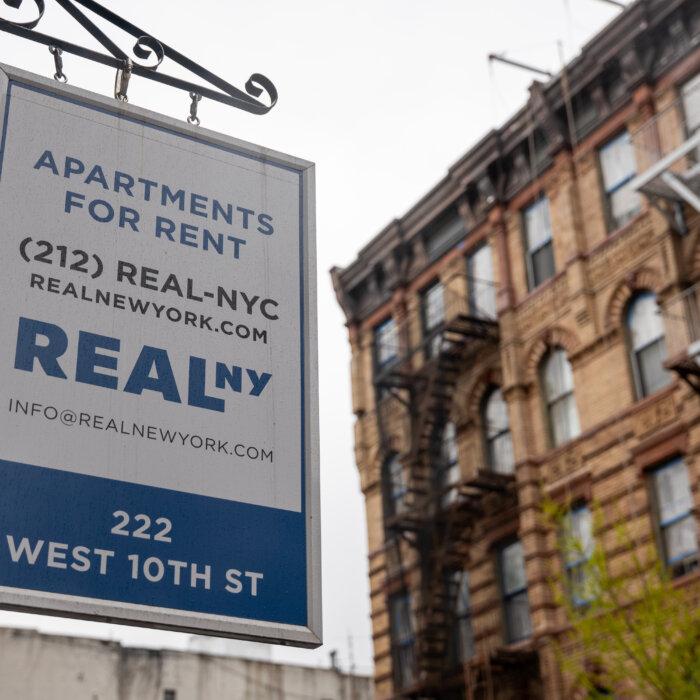
Surprisingly, the Manhattan borough of New York City ranked as America’s fourth hottest rental market and number one in the Northeast. Known for having some of the nation’s highest rents, Manhattan scored an 85.1 RCI—jumping almost 3 points from last year.
Typically, there are now up to 12 potential renters competing for every available unit, and most apartments are filled within 33 days—4 days faster than in 2024.
Bianca D’Alessio, a broker with Nest Seekers International in Manhattan, told The Epoch Times that the Fairness in Apartment Rental Expenses Act has pushed rents through the roof. Taking effect in June, the act prohibits brokers representing landlords from charging tenants broker fees.
“As a result, we saw rents increase almost overnight as apartment owners tacked those fees on the rents to recoup those broker fees,” she said. “I think it was just too much, too fast, but we do expect to see a stabilization soon.”
RentCafe lists the average price of a one-bedroom apartment rental in Manhattan at $5,596. However, with an inventory shortage, there’s still a plethora of renters waiting in line.
“You have young people graduating from college who are coming here for jobs, and you have young families who want to move up to larger apartments,” D’Alessio noted.
Sharing apartments—even one bedrooms—is common.
“If they get permission from the owner, they’ll often put up a temporary wall to create another bedroom,” she said.
New York City’s Brooklyn borough is also heating up with an occupancy rate of 96.2 percent—up from 95.4 percent in 2024. Brooklyn ranked number 7 in RentCafe’s list of hottest markets, just behind the suburbs of the Minneapolis-Saint Paul Twin Cities in Minnesota, and Milwaukee, Wisconsin.
Rounding up the top 10 hottest rental markets are: Omaha, Nebraska; Grand Rapids, Michigan; and suburban Philadelphia, Pennsylvania.
Taking a look at the top 5 hottest small markets, Lafayette, Indiana, is in the leading position, followed by Fayetteville, Arkansas; Lehigh Valley and Harrisburg, Pennsylvania; and Madison, Wisconsin.
Grecu predicted that renters searching later this year will have less competition, although they may have to pick through what’s left of the summer rush.
“The upside is that many property managers and landlords may offer concessions or incentives to fill vacancies, giving renters a bit more bargaining power,” she said.