Crude oil prices suffered their largest quarterly loss since early 2020, capping off a tumultuous three-month span fueled by the war in Iran.
A barrel of West Texas Intermediate—the U.S. benchmark for oil prices—plunged 31 percent during the second quarter, with prices hovering around $70 on the New York Mercantile Exchange.
The last time U.S. oil prices logged a similar decline was in the first quarter of 2020, driven by the coronavirus pandemic-related demand shock and the Russia-Saudi Arabia price war.
Brent—the global seaborne benchmark for oil prices that is more sensitive to geopolitical tensions—witnessed similar trends in the April–June period, erasing 29 percent.
At the height of the Iranian conflict, the gap between Brent and West Texas Intermediate collapsed. Typically, Brent trades several dollars above U.S. crude, but global demand for American oil sent prices surging.
Still, crude prices have had a solid first half of 2026, rising more than 20 percent and soaring firmly above $100 a barrel before paring their enormous gains.

The war in Iran has been the primary driver of volatility in global energy markets, particularly due to the conflict’s impact on the Strait of Hormuz.
The Gulf channel—situated between Iran and the Arabian Peninsula—handles about a fifth of the world’s supply. The on-again, off-again closure since late February has disrupted production, shipments, and international inventories.
Additionally, countries in the Organization of the Petroleum Exporting Countries have lost about 30 percent of their output since the Middle East conflict began. Robust U.S. output and weaker Chinese demand have helped soften the blows of lower production volumes.
To prevent prices from surging further, the world sprang into action and tapped into reserves.
Members of the International Energy Agency agreed in March to release 400 million barrels of oil from stockpiles. The United States also tapped into the Strategic Petroleum Reserve, releasing approximately 80,000 barrels—bringing stocks to their lowest level since 1983.
Despite fundamental problems plaguing global energy markets, prices have fallen on the prospect of Washington and Tehran resolving the conflict and supply traversing markets.
Investors are also monitoring a possible U.S.–Iran meeting in the Qatari capital of Doha.
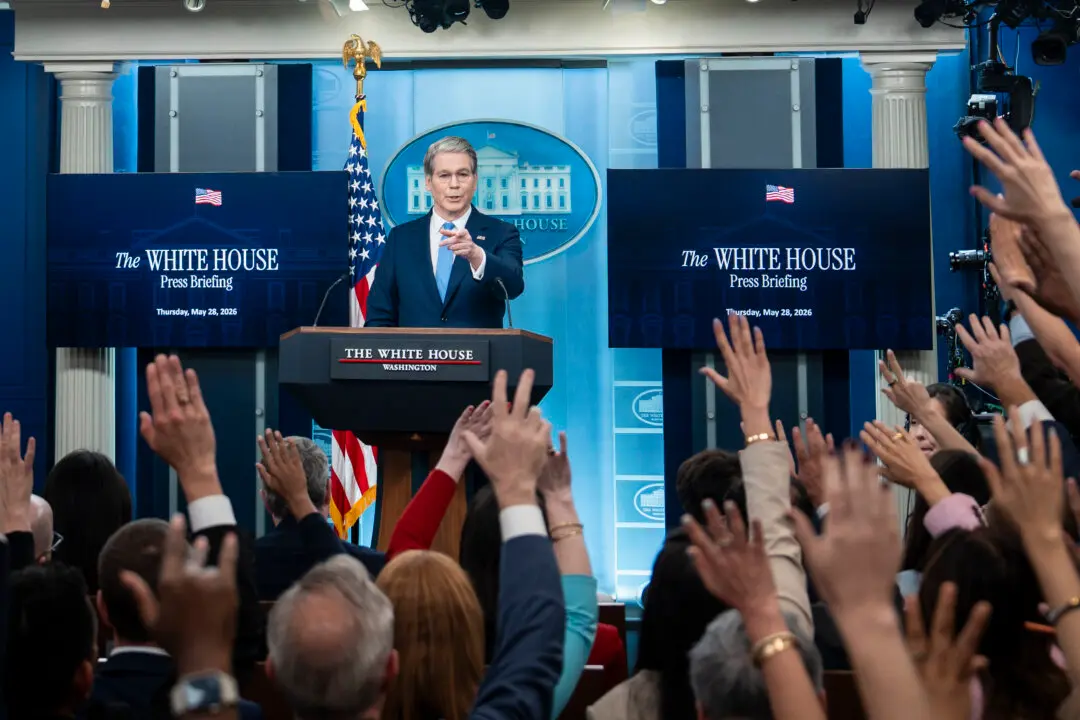
President Donald Trump said the two sides would engage in peace negotiations after Tehran “requested a meeting” following a weekend exchange of strikes.
Market watchers have been surprised by the sharp turnaround in global energy markets.
“The price action in recent weeks reflects a market that is treating this temporary ceasefire between the U.S. and Iran as a permanent deal,“ ING strategists said in a June 29 research note. ”This is clearly not the case, and as we have seen over the last four months, the situation can change very quickly.”
The chances of securing a permanent nuclear agreement within 60 days are extremely slim, given the complexity of the issue, they added. The more realistic outcome is an extension of the ceasefire, which would postpone the hard decisions and effectively “kick the can down the road.”
Second-Half Outlook
The war premium could continue fading in the second half of 2026, but underlying trends will likely play a role moving forward, experts say.
The oil market will now shift from war-driven conditions in the first half to a “fundamentals-led” climate in the second half, says Razan Hilal, market analyst at StoneX.
OPEC output is forecast to rise by about 200,000 barrels per day, traffic through the narrow waterway is anticipated to gradually resume at preconflict levels, and global inventories are expected to be replenished.
“As oversupply risks gradually re-emerge into year-end, crude oil prices remain vulnerable to another $20 decline unless a new structural supply shock fundamentally alters market dynamics,” Hilal said in a June 26 research note.
By next year, international energy markets could return to balance, providing relief for the world economy.
Global crude demand is expected to inch up by only about 2 million barrels per day, reaching just over 105 million barrels per day, a more subdued pace of growth.
At the same time, inventories are projected to swell by roughly 8 million barrels per day, pushing stockpiles toward 110 million barrels, a buildup that underscores the market’s increasingly oversupplied backdrop.
Another positive sign is that the physical oil market is weak, ING strategists note.
“Buyers have been deferring purchases in anticipation of lower prices, and so are happy to draw down inventory instead. The weakness in the physical market is highlighted by the widening discounts for a number of crude grades,” they wrote.
While restocking will inevitably happen, attention will be on whether China accelerates its crude oil imports.
By the year’s end, according to the StoneX analyst, U.S. crude oil prices could reclaim the prewar level of $55 per barrel.