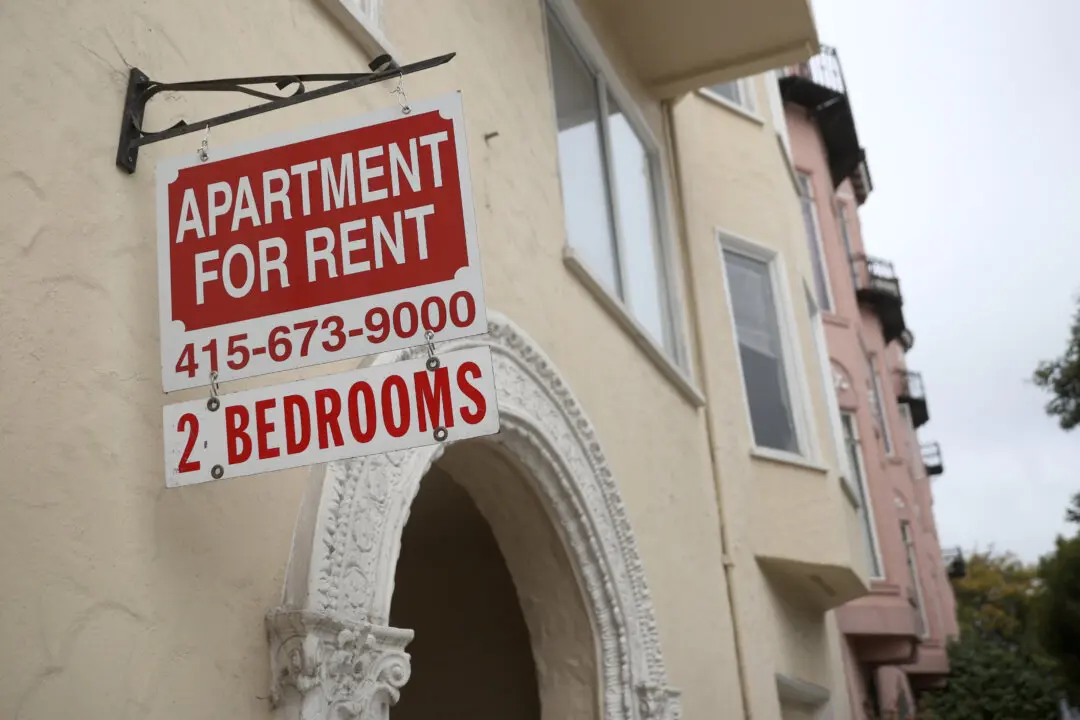
Americans are waiting much longer now to purchase their first home.
In contrast, the share of first-time buyers was nearly 50 percent in 2010.
The annual survey of recent home buyers and sellers recorded transactions between July 2024 and June 2025.
“The historically low share of first-time buyers underscores the real-world consequences of a housing market starved for affordable inventory,” Jessica Lautz, NAR deputy chief economist and vice president of research, said in the report.
“The share of first-time buyers in the market has contracted by 50 percent since 2007—right before the Great Recession.”
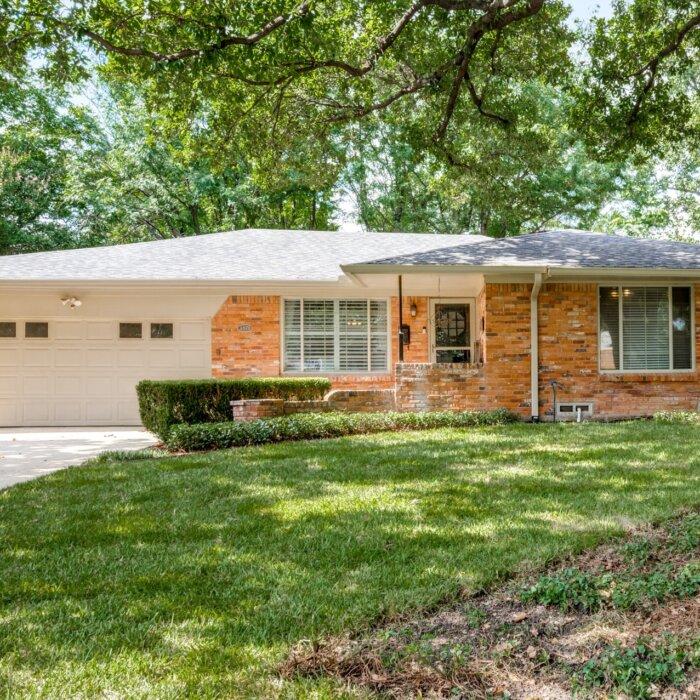
Lautz noted that the data may have serious future consequences for the housing market, as first-timers have built less housing wealth and are likely to move less frequently in the future.
According to the report, first-time buyers were typically making a 10 percent down payment—the highest level recorded since 1989. Nearly 60 percent of these buyers used personal savings for the down payment, while more than 20 percent relied on financial assets such as stocks, or on gifts or loans from family and friends.
Shannon McGahn, executive vice president and chief advocacy officer at the NAR, said homeownership has long been the primary method Americans use to build wealth.
“Delayed or denied homeownership until age 40 instead of 30 can mean losing roughly $150,000 in equity on a typical starter home,” she said in the release. “Today, we must focus on policies that address the root cause of the affordability crisis: inadequate housing supply.”
McGahn also called for solutions that will allow more owners to sell, revitalize underused properties, streamline zoning regulations, and modernize construction methods.
The share of married couples buying homes declined to 61 percent, while single women represented 21 percent of homebuyers. Just 9 percent of buyers were single men, and 6 percent were unmarried couples.
Homebuyer Trends in Top Three Metros
Vlora Sejdi, president of the Hudson Gateway Association of Realtors covering most of New York City and its suburbs, told The Epoch Times that some of her first-time buyers are even in their 50s.“People are just getting started later,” she said. “A lot of them are saddled with debt after college, and if they’re spending money on rent, it’s difficult for them to save. As a result, they’re delaying marriage, starting a family and buying their first home.”
Sejdi often works with buyers who initially want to live in Westchester, but end up purchasing two to three counties to the north.
“It’s difficult to find workforce housing in Westchester, and prices of homes are now three times what they were just a few years ago,” she added.
“If people are looking for something close to transportation, they’ll often choose a co-op, condo or townhome, but if they’re really set on a single-family home, they’ll usually have to look north.”
After working with one client for more than a year, Sejdi was able to find them a house that they loved and could afford.
“Homebuyers also have to consider things like insurance and utility costs when it comes to monthly expenses,” she said. “I always request to see a year’s worth of the seller’s utility costs to give buyers an idea of what they’ll need to spend.”
Sejdi believes buyers’ goals should always be about building equity. “If they just get their foot in the door, they can get started,” she said. “They can’t trade up if they’re renting.”
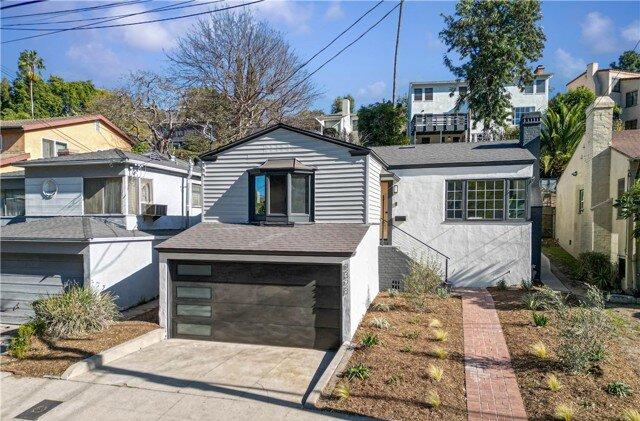
Los Angeles, the second most populous U.S. metropolitan area next to the New York City region, has also experienced a large number of older millennials seeking first homes. Realtor.com lists the median single-family home price in the area at $1.2 million.
Anne Russell, president of the Los Angeles Association of Realtors, told The Epoch Times that the high cost of homes, mortgage rates, and antiquated capital gains taxes are shrinking the first-time homebuyer population.
“Home values have escalated so much, but these ridiculous capital gains tax laws from 1997 are keeping potential sellers in their homes,” she said.
The “More Homes on the Market Act,” a bipartisan bill now before Congress, would double those exemptions to $500,000 for individuals and $1 million for married couples. Any profit exceeding these thresholds would be subject to long-term capital gains tax rates of 0 to 20 percent, depending on taxable income.
Russell said that, if passed, the bill would free up homes and help to end the disincentive to sell.
“I’m living in my five-bedroom house by myself because I don’t want to pay thousands of dollars in capital gains taxes,” she said. Russell purchased her home in 1988 for $359,000, and today it’s worth about $3.5 million.
“Estate planners always tell their older clients not to sell their homes, so that when they pass, it will go directly to their heirs,” she explained. “Now, you see people remaining in these large homes, moving into first-floor bedrooms, and making necessary renovations so they can continue to live there.’
“High rents make saving difficult and as a result, home ownership is often out of reach for younger people,” Russell said. “Even starter homes are now over $1 million, and they’re often scooped up by developers first.”
RentCafe reports the average monthly rent for a one-bedroom, 725-square-foot Los Angeles apartment is $2,762.
As broker and owner of Ani Real Estate, McGee agrees that his first-time buyers have been a bit older in the past couple of years.
Repeat Buyers
Meanwhile, NAR’s analysis of repeat buyers shows the median age now stands at 62, with 30 percent being all-cash buyers. For all buyers across the board, the median age is 59, and only 24 percent have children under the age of 18 living at home—an all-time low.Of these buyers, 14 percent purchase a multi-generational home—a drop from 17 percent in 2024. More than 41 percent of these buyers listed taking care of aging parents as the top reason for this type of purchase, followed by 29 percent citing cost savings. Just 27 percent said they bought a multi-generational property because of adult children moving back home.
Solutions for the Future
Sergio Altomare, co-founder and CEO of Pennsylvania-based Hearthfire Holdings, told The Epoch Times he believes several factors are responsible for Americans’ decisions to delay home ownership.“Home prices are rising faster than incomes, the higher costs of living are creating more debt, and institutional home buying is limiting the number of homes on the market,” he said.
Altomare said that everyday expenses, such as insurance, utilities, groceries, dining out, and other costs, are taking more dollars away from savings.
“When you add monthly credit card debt, you’re creating a runaway train and fewer households are able to put enough money away toward a down payment on a home,” he added.
As a result, many singles and couples are living paycheck to paycheck, he said.
“This is causing some millennials and Gen Zers to delay marriage, [having children], and homebuying,” he said.
Institutional homebuying is also up this year, creating additional competition for single-family homes on the market.
In the first quarter, investors bought nearly 27 percent of homes on the market, increasing from 25.7 percent for the same period in 2024. According to the report, 20 percent of single-family homes are currently owned by institutional buyers.
Texas has the highest number of investor-owned homes at 1.46 million, followed by California with 1.33 million, and Florida with 1.1 million.
Altomare believes Americans can improve their financial situations through better planning.
“They need to create personal goal setting for savings and become financially literate, so they can understand the true cost of everything,” he said. “Even smaller items like subscriptions for cable channels and publications can add up every month.”