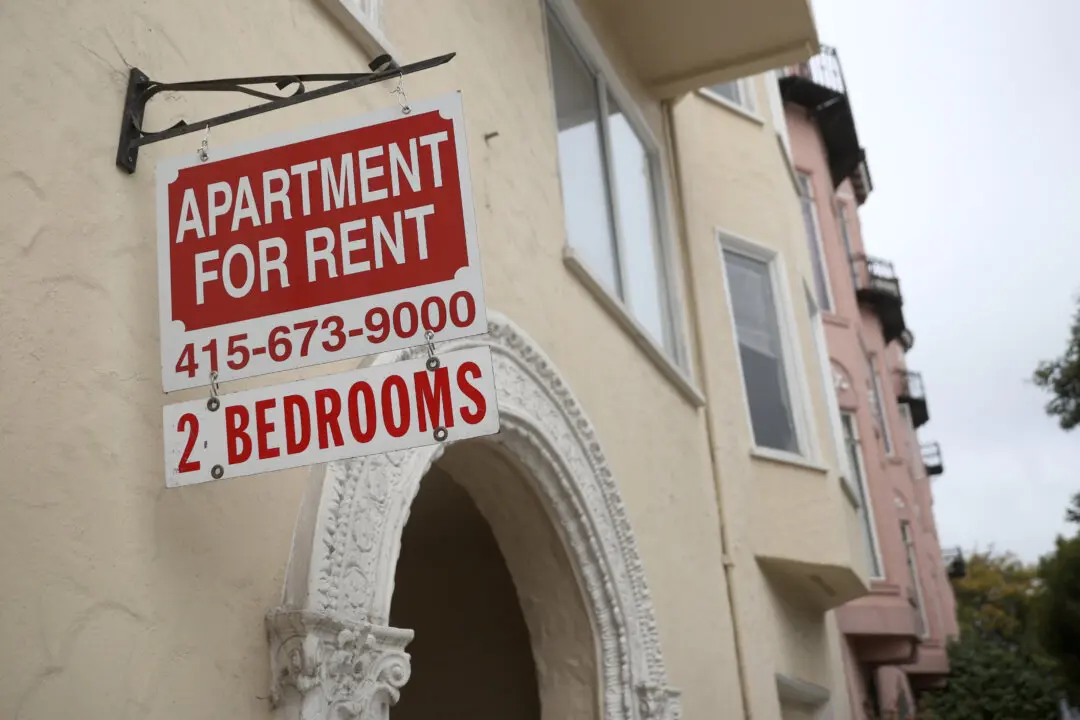
Although America’s overall luxury housing market softened in November, home prices in high-demand regions continue to rise, while prices in other areas experienced a decline.
Luxury home prices declined in eight of the nation’s top 10 most expensive markets, with prices in Kahului–Wailuku, Hawaii, plummeting by 21 percent year over year. However, in Heber, Utah, luxury home prices increased by nearly 10 percent over the same time period.
“Luxury home dynamics are increasingly driven by local factors rather than national trends,” Anthony Smith, senior economist at Realtor.com, said in the report.
“Some high-cost metros are experiencing brisk demand and fast turnover, while others face slower sales even at elevated price points. Understanding these local dynamics is key for both buyers and sellers in today’s luxury market.”
Some of the country’s fastest-moving luxury markets include the San Jose–Sunnyvale–Santa Clara, California, region, where 10 percent of the area’s most expensive listings start at $3.79 million. Florida’s Naples–Marco Island region commands prices starting at $3.49 million for luxury listings. In the region of Washington; Arlington, Virginia; and Alexandria, Virginia, luxury listings begin at $1.47 million, and the luxury market in Boise, Idaho, starts at $1.34 million.
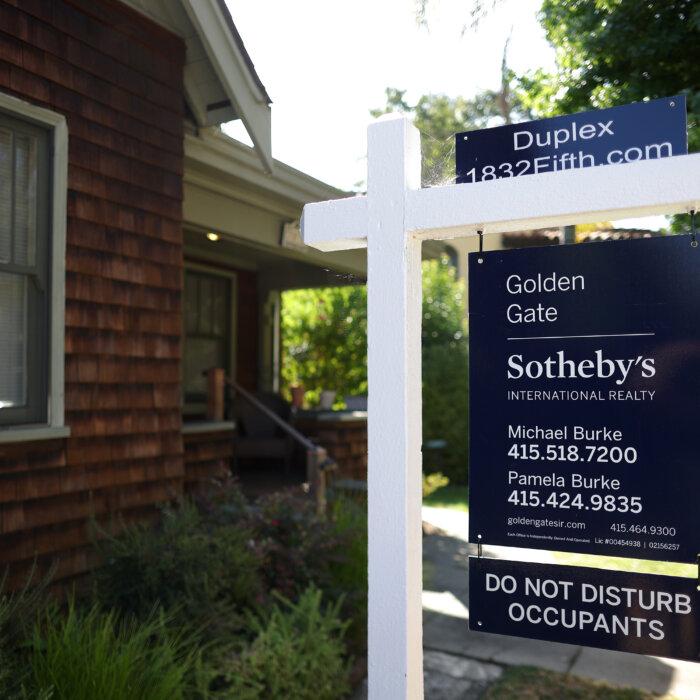
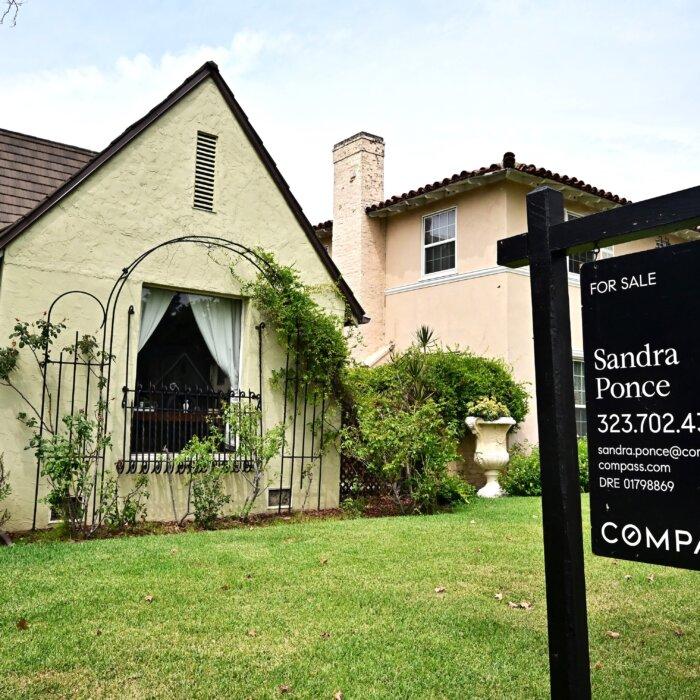
“Naples–Marco Island emerged as a standout, with luxury homes selling 23.5 percent faster year-over-year,” the report states. Although threshold prices were down slightly from 2024, the top 10 percent of listings were reported to be moving quickly, reflecting strong demand in the region.
According to the report, luxury homes nationally spent a median of 78 days on the market in November, mirroring 2024. The San Jose–Sunnyvale–Santa Clara market took the lead with the lowest number of days on the market at 56, while in Bend, Oregon, luxury listings recorded the most days on market at 146.
In California’s Riverside–San Bernardino–Ontario region and the Washington area, median selling times ranged from 57 days to 58 days. Meanwhile, Heber, Utah, remained among the slowest-moving luxury markets, along with Kahului–Wailuku, Hawaii, and Santa Rosa–Petaluma, California.
Additional slower-moving luxury markets include Crestview–Fort Walton Beach–Destin, Florida, with luxury thresholds at $2.89 million; Portland–Vancouver–Hillsboro in Oregon and Washington, with luxury prices starting at $1.29 million; and San Antonio–New Braunfels, Texas, where luxury listings start at just $766,548.
“Overall, November’s results illustrate a luxury market defined less by national trends than by localized pricing, inventory alignment, and buyer urgency,” the report reads.
“Seasonal slowdown explains part of the decline, but seller psychology also played a role,” the report states. “Like the August pause, many homeowners adopted a wait-and-see stance amid anticipated interest-rate decisions.”
Although the report indicates that luxury buyers are less concerned about affordability, higher rates tend to push them toward being more selective about properties. In 2025, affluent buyers sought homes offering privacy, sustainability, customization, and wellness-centric design. The institute predicts that in 2026, the luxury market will remain stable.