
A record 340,000 homes were transferred from owners to heirs in the 12-month period ending August 2025, according to a new report by property analytics firm Cotality.
California’s Proposition 13, passed in 1978 and amended eight years later to include inherited residences, prohibits tax increases greater than 2 percent per year for primary residences that are continuously occupied. The mandate could stifle a potential supply of for-sale inventory in the housing market since beneficiaries are incentivized to keep inherited properties, Cotality noted.
“It’s clear that these laws create a significant financial incentive for beneficiaries to hold onto the inherited home and use it as a primary residence, effectively locking potential supply out of the open market,” Cotality’s data analysts wrote.
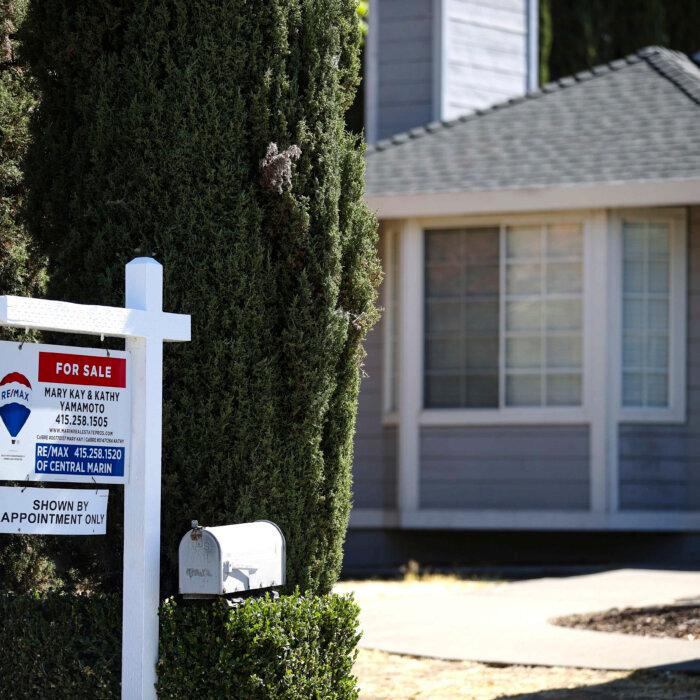
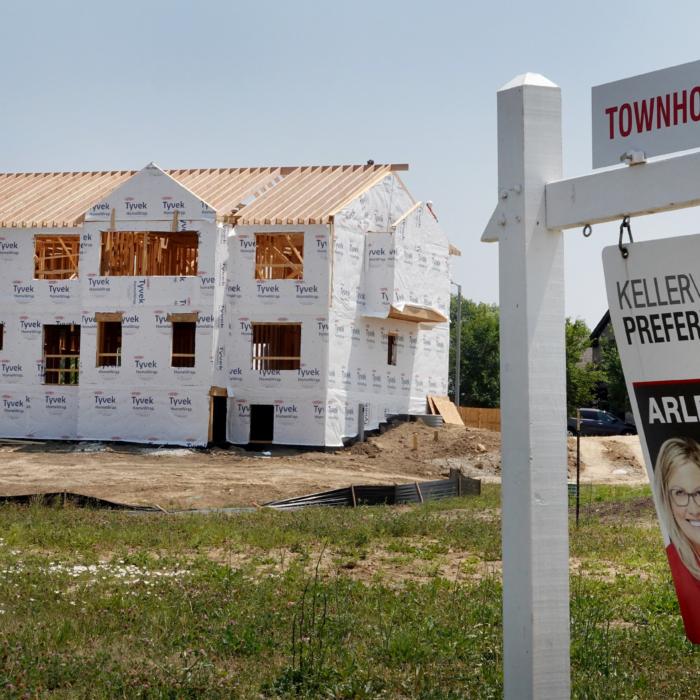
Younger baby boomers are holding onto their houses longer and prefer to age in place, Cotality added. Nearly one-quarter of homeowners born in 1938 left their residences between the ages of 65 and 75, while just 17 percent of homeowners born after 1946 left their residences in that same 10-year age span.
Aging in place—staying in the longtime family home rather than moving into a retirement home, managed care, or skilled nursing facility—affects housing dynamics by prohibiting a massive source of potential resale inventory.
“Aging in place slows the natural cycle of downsizing,” Cotality said. “This delays the long-predicted wave of housing supply from arriving on the open market, and in many cases, those homes will skip the open market entirely.”
“The United States has faced a structural housing deficit for over a decade,” the JPMorgan report said. “While new construction has picked up, it’s not enough to close the gap. The backlog is so large that it will take years to unwind.”