As many industry experts predicted, the first part of the current year was a soft patch for the housing industry—but some experts see better times ahead for the second half. However, any recovery may be uneven across industry segments and geographical locations, with some experts predicting that buyers will gain the upper hand, while others envision “pragmatic normalization.”
The U.S. housing industry began the new year facing several headwinds on both the demand and supply sides, which limited the sales of existing homes and constrained the construction of new homes.
Home affordability declined as median home prices rose faster than median income, making it harder for first-time buyers to come up with the down payment and qualify for a mortgage to finance the rest of the deal.
Adding to the affordability problem was a tight monetary policy, which kept mortgage rates elevated, at more than double where they had been a couple of years earlier.
Meanwhile, high mortgage rates limited the supply of existing homes for sale, while rising costs for construction materials and labor limited the supply of new homes.
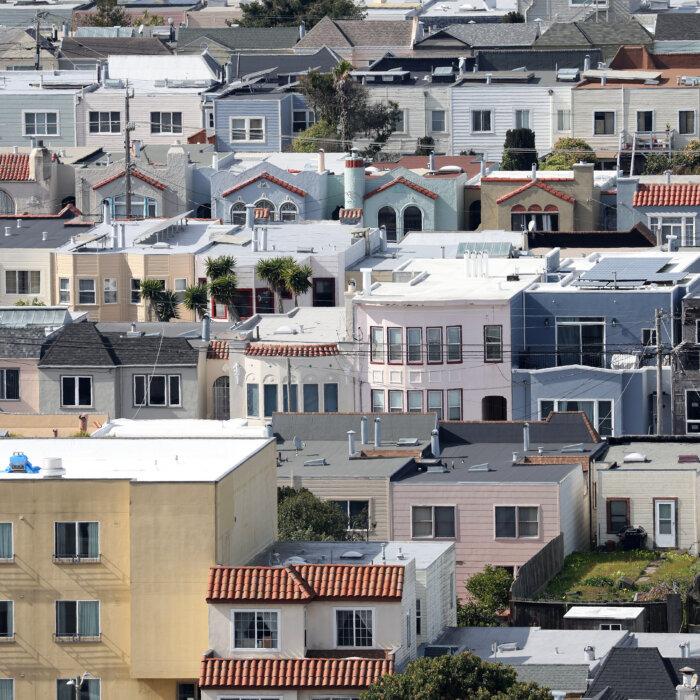
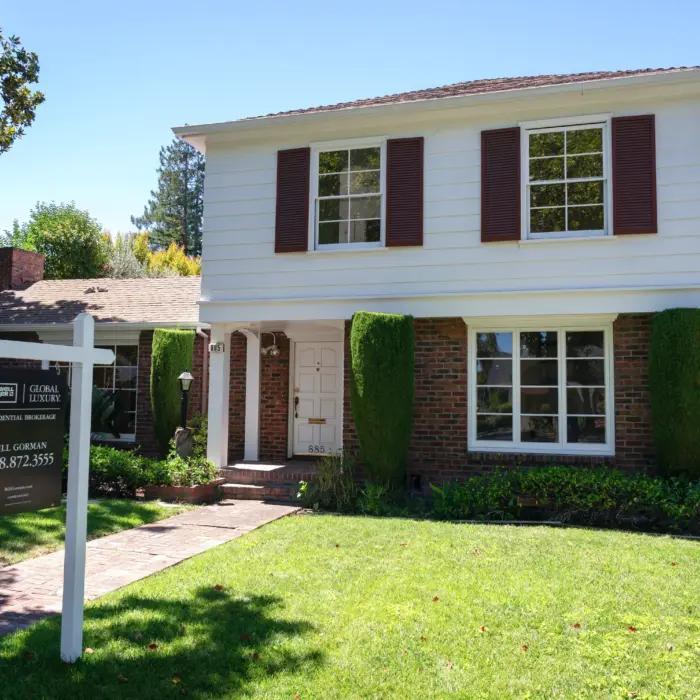
Existing-home sales hovered around the 4 million mark, down from around 6.5 million in 2022. Home sales were particularly weak in the western part of the country, while the eastern side did better.
New-home sales fared better, but they, too, stayed well below the 1-million mark and the levels of 2022.
“From where I sit in Louisiana, the first half of 2025 has been brutal—especially in New Orleans,” Stephen Keighery, real estate investor and director at New Orleans Real Estate Investors Association, told The Epoch Times.
Bar Zakheim, CEO of Better Place Design & Build, pointed to two things holding the industry back so far this year: labor shortages and skittish consumers.
He sees the problem of labor shortages as more acute in Southern California, where it’s hard to find general labor, and even skilled trades are becoming difficult to source.
“Between the demand for workers up in Altadena and immigration crackdowns, we just can’t get the people we need,” he told The Epoch Times. “Meanwhile, everyone is afraid of inflation, tariffs, interest rates, and wars and pulling back on anything nonessential.”
Jonathan Palley, CEO of Clever Tiny Homes, provided further insight into the multiple headwinds currently facing the housing industry.
“Tariffs have made many materials more expensive, especially finished and manufactured elements,” he told The Epoch Times. “Labor is backbreaking to find with immigration crackdowns going on. Consumers are scared about what all of this means for the economy, which is showing signs of heading for stagflation.”
Palley sees these headwinds as making homes more expensive, turning buyers more cautious at a time when sellers are especially eager to unload their properties, raising the prospect of a glut of unsold homes.
“It’s hard to tell how all of these factors are going to shake out; we could be stuck in a low-volume, high-price environment, or we could be headed for a major market correction,” he said.
Mukul “Micky” Lalchandani, the founder of Undivided, a boutique real estate brokerage based in New York City, sees a tale of two housing markets.
“Well-priced homes in prime neighborhoods vanish in days, often with bidding wars, but anything mis-priced or dated can sit 180 days or more,” he told The Epoch Times. “Buyers have become hyper-selective; presentation and price precision are everything.”
Keighery believes the worst may be behind the industry, as rents have stayed strong.
“That tells me there’s still demand—but owners aren’t seeing equity growth, and many investors have backed away,” he said.
“I think this is the point in the cycle where deals are made. I’ve moved into full acquisition mode. I'd rather buy when it’s uncomfortable and there’s less competition than chase the crowd during a recovery.
“The second half of the year might still be slow on paper, but I think we'll look back on this as the bottom. I’m buying properties now that I believe will look like no-brainers in a couple of years.”
Alexei Morgado, a realtor with more than five years of experience in Florida and CEO and founder of Lexawise Real Estate Exam Preparation, sees the demand for homes in the second half of 2025 being led by cautious buyers, more flexible sellers, and a gradual rebalancing, rather than a market crash.
“Many homeowners are still expecting multiple, quick showings and large-priced offers on their property,” he told The Epoch Times.
“Buyers have become slower, more selective, and value-oriented. I am noticing increased days on the market for homes that are not move-in ready or are just simply overpriced, and more price reductions.
“Buyers are regaining their leverage or, again, feeling empowered, are negotiating harder away from buying subject to inspection.”
Shaun Michael Lewis, CEO of Clearwater Properties, doesn’t foresee any dramatic moves for the housing industry in the second half of 2025 in terms of the significant price corrections that some expect or the explosive growth others fear.
Instead, he expects the housing industry to enter “an era of ‘pragmatic normalization,’ where local market fundamentals such as employment, migration patterns, and lifestyle preferences will matter a bit more than broad national trends.”