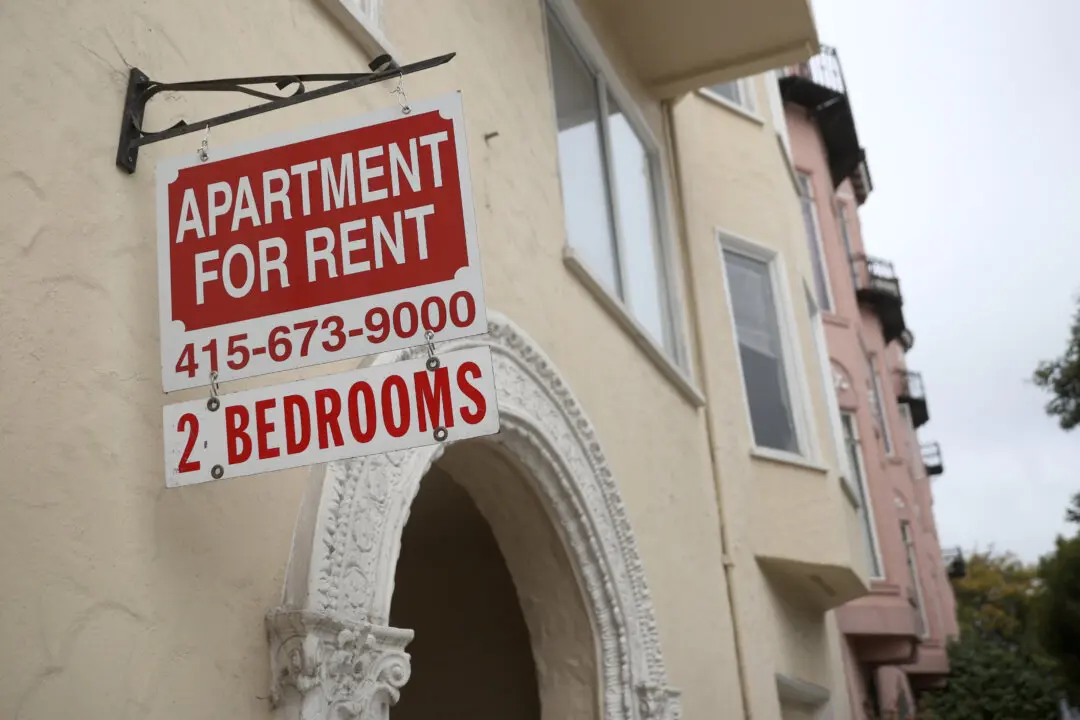
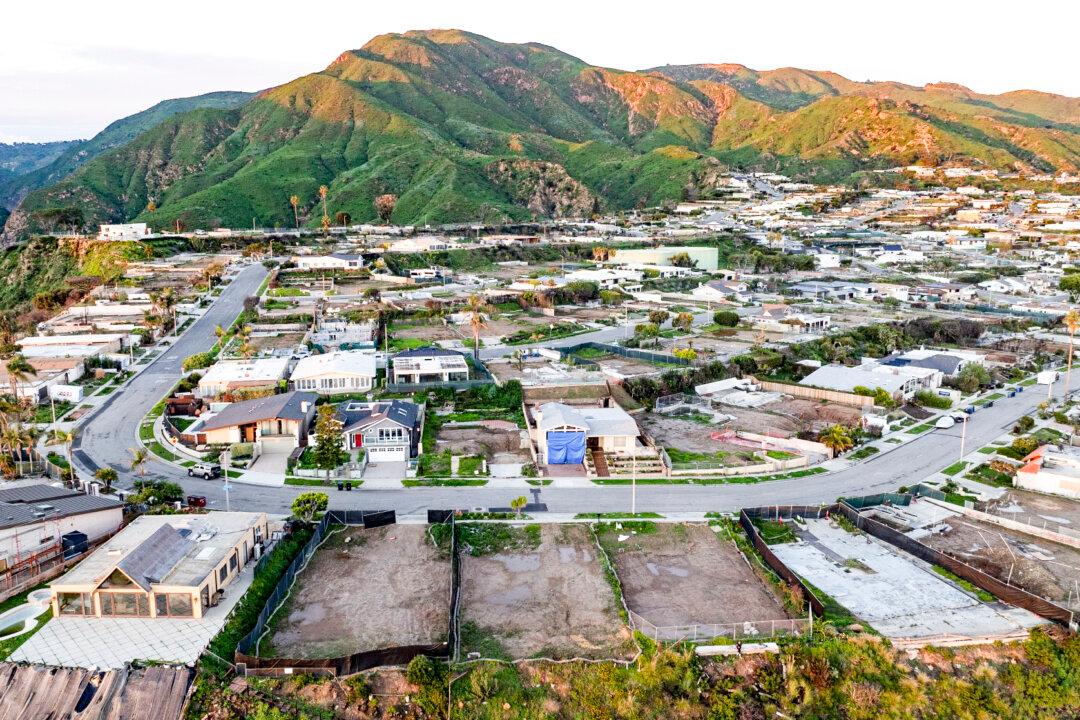
Depending on which region of the country you decide to call home, a $1 million property will buy you anywhere from 1,700 to 4,500 square feet of living space.
The national entry point for luxury homes dipped slightly in September to $1.24 million from $1.25 million in August. This represents the fourth consecutive month of declines.
“We’re seeing a healthy rebalancing in the luxury home market after years of volatility,” Danielle Hale, Realtor.com chief economist, said in the report. “The modest softening in luxury prices points to a market where buyers and sellers are adjusting expectations in line with broader economic conditions.”
Hale noted that luxury homes are also spending more time on the market, with an average of 20 days longer for 90 percent of luxury listings and up to 50 percent longer for the top 1 percent of high-end listings. In September, the median was 79 days on the market for most luxury homes.
Four California locations hold top spots for the priciest U.S. homes, with Santa Barbara, California, claiming the first place. The top 10 percent of its listings start at $8.95 million. Other Golden State luxury hot spots include Los Angeles-Long Beach-Anaheim, San Jose-Sunnyvale-Santa Clara, and Santa Rosa-Petaluma.
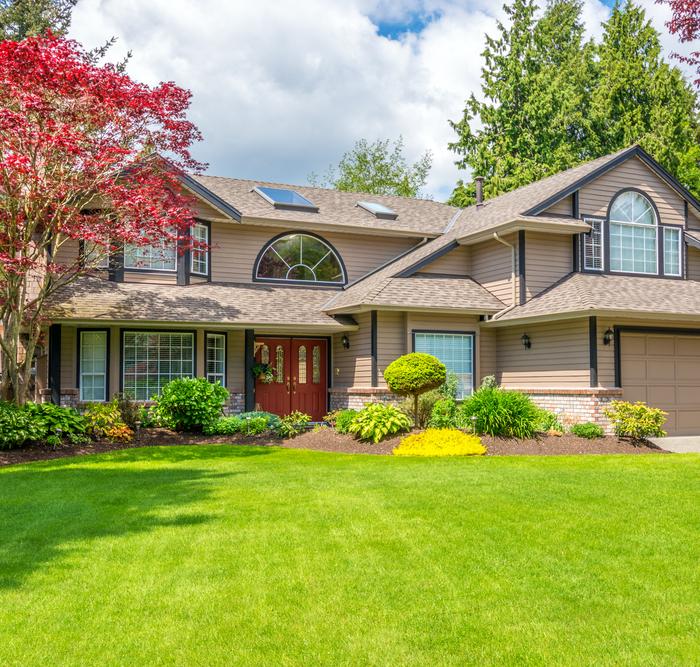
Heber City, Utah, took the second place as one of the country’s most expensive metro areas, followed by Key West-Key Largo, Florida, and Bridgeport-Stamford-Danbury, Connecticut. Kahului-Wailuku, Hawaii, also made the list.
In terms of the lowest square footage for a $1 million-plus home, Honolulu ranked first with just 1,651 total square feet of space. San Francisco, Los Angeles, and San Jose, California, all offer less than 2,000 square feet for $1 million-plus properties.
The New York City-Newark-Jersey City area was the only one among the top five to offer more than 2,000 square feet for $1 million to $2 million properties, with an average of 2,048 square feet.
On the opposite end, the Atlanta-Sandy Springs-Roswell, Georgia, area offers two to three times the square footage for its lower-end luxury properties, with an average of 4,530 square feet.
Other metro areas offering more generous square footage for $1 million-plus homes include Denver-Aurora-Centennial, Colorado; the metro area in Minnesota and Wisconsin of Minneapolis-St. Paul-Bloomington; Houston-Pasadena-The Woodlands, Texas; and Dallas-Fort Worth-Arlington, Texas.
Luxury homes in all of these areas provided more than 4,000 square feet of space.
“In markets like Honolulu or the Bay Area, buyers are paying for proximity, views, and prestige—not square footage,” Anthony Smith, Realtor.com senior economist, said in the report.
“By contrast, in inland metros across the South and Midwest, high-end buyers can often find larger, newer homes with land and amenities that would cost two or three times as much in more supply-constrained coastal metros.”
Nationwide, inventory rose by almost 14 percent in September and new listings by 10.2 percent from 2024. Sales grew by a little more than 15 percent, and median sold prices increased by nearly 3 percent, according to the report.
The report also lists some of September’s strongest luxury markets in California, Connecticut, Illinois, Maryland, Michigan, Minnesota, North Carolina, New Jersey, Ohio, and Virginia—all currently classified as seller’s markets.
It noted that the Sun Belt and Mountain West regions, including Arizona, Colorado, Florida, Georgia, Idaho, and Texas, are transitioning toward more balanced markets, or in some cases, a buyer’s market.
“Luxury real estate continues to be shaped by global wealth migration,” the report states, noting that “shifts in tax regimes, geopolitical uncertainty, and currency performance are influencing where affluent individuals choose to allocate capital.”