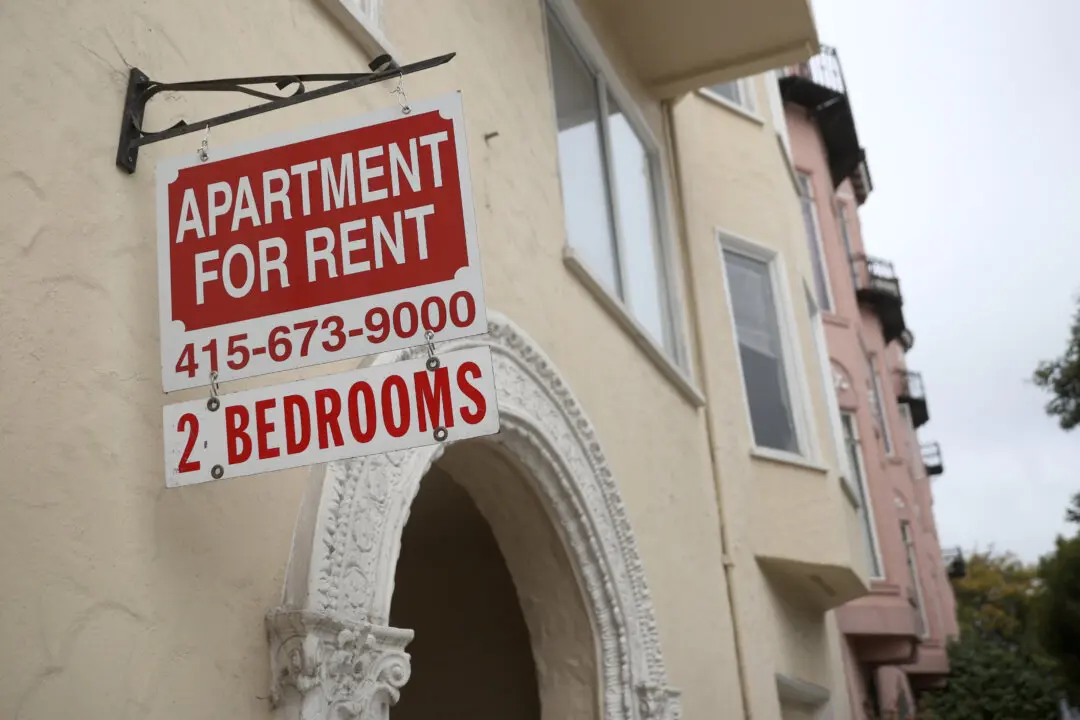
Potential homeowners across the nation canceled nearly 40,000 purchase agreements in December 2025, the highest December total on record dating back to 2017.
“High housing costs and rising inventory have made homebuyers more selective,” Chen Zhao, Redfin’s head of economics research, said in a statement.
“Home sellers outnumber buyers by a record margin, meaning the buyers who are in the market have options and may walk away if they believe they can find a better or more affordable home.”
Zhao noted that buyers often walk away from deals by using the home inspection contingency, citing structural issues or other costly repairs that may be needed. In other cases, she said, buyers sometimes realize that their mortgage payments will be too expensive to handle.
Atlanta topped the list of regions with the nation’s highest amount of contract cancellations. More than 22 percent of pending home sales in the city fell through in December 2025—up from 19.6 percent in November 2025.
Jacksonville, Florida, and San Antonio tied for second place, both reporting 20.6 percent cancellations. In Cleveland, 20.2 percent of buyers backed out of deals, followed by Tampa, Florida, with 19.4 percent.
“Atlanta first led the nation in cancellations in November and has quickly become a strong buyer’s market, with sellers now outnumbering buyers by over 80 [percent],” the report stated.
Cancellations were least common in Nassau County, New York, at 3.8 percent, as well as California’s San Francisco metro at 4.2 percent, and San Jose at 8.9 percent.
Redfin’s analysis of the highest annual increases in home purchase cancellations indicated that San Jose’s potential homebuyers rose by almost 7 points from the previous year. Oakland and Sacramento also experienced higher annual hikes in cancellations at 6.3 points and 4.7 points, respectively.
“The reality is that with housing costs still historically high, many young Americans are making compromises on location, size, or timing to get their foot in the homeownership door and start building equity,” Redfin senior economist Asad Khan said in the report.
Redfin attributed the uptick in younger-generation purchases to several factors, including the drop in the average mortgage rate to about 6.2 percent from 7 percent at the start of 2025, additional inventory on the market, and more seller negotiations.
Millennials, aged 30 to 45, also increased their homeownership rate to 55.4 percent, up from 54.9 percent in 2024. For older generations, according to the report, home ownership is holding steady, with Gen Xers, aged 45 to 61, at 72.7 percent, and baby boomers, aged 62 to 80, at 79 percent.
“Higher homeownership rates for older generations [are] to be expected, as they have had longer to amass money to buy homes, and many older Americans found it easier to buy homes because costs were lower in past decades,” the report stated.
Still, younger generations accounted for a slightly larger share of new homebuyers in 2025. Those aged 60 and older accounted for just 23 percent of all homes purchased in 2025, down from 30 percent in 2024.