High costs for residential investment properties are leading to dwindling profit margins for home flippers.
Back then, investors were netting about a 63 percent return on investment before expenses. In the second quarter of 2025, however, yield shrank to about 25 percent, the lowest profit margin Attom recorded since the Great Recession of 2008.
Profits have eroded as the median price for homes surges. Home flippers paid a median purchase price of nearly $260,000 for investment properties in the second quarter, the most since Attom began tracking home-flipping statistics in 2000, the company reported. Flipped properties, meanwhile, sold for a median price of $325,000, flat from the first quarter of 2025.
Year-over-year profit margins declined in 70 percent of the 183 metropolitan regions tracked by Attom, the company said.
“We’re seeing very low profit margins from home flipping because of the historically high cost of homes,” said Rob Barber, Attom’s CEO.
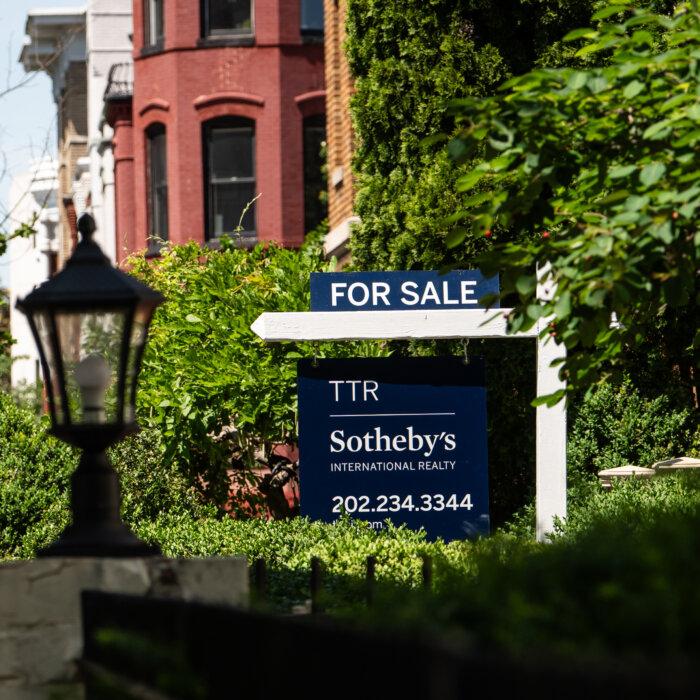
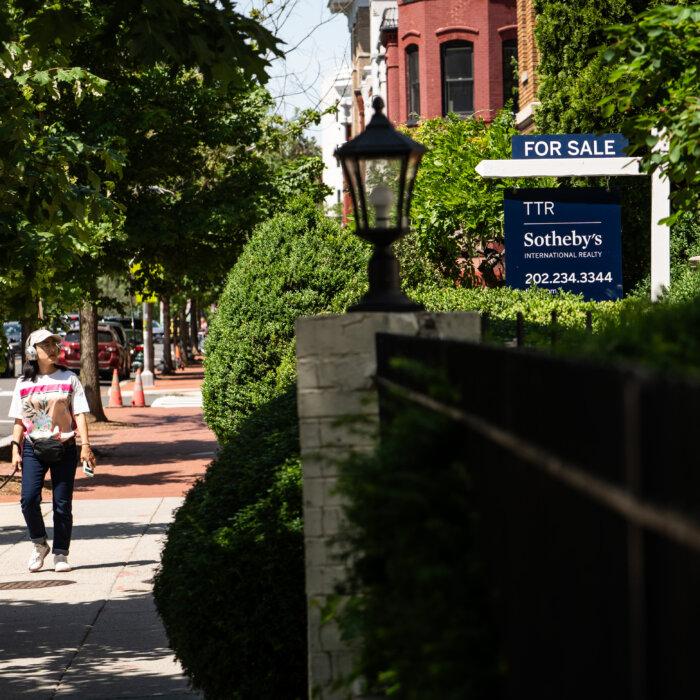
“The initial buy-in for properties that are ideal for flipping, often lower-priced homes that may need some work, keeps going up.
“As prospective homeowners get priced out of the middle and high end of the market, they’re more likely to be competing with flippers over the same homes.”
According to Attom, there were 78,261 single-family homes and condominiums flipped in the second quarter of this year, which is just over 7 percent of total U.S. home sales during the quarter. From January to March, however, quick-turn investment homes accounted for about 8.3 percent of all sales.
Georgia remains a hotbed of flipping activity, Attom said. In the second quarter, flipping accounted for 18.5 percent of home sales in Warner Robins, 15.5 percent in Macon, 13.6 percent in Atlanta, and 13 percent in Columbus.
In metropolitan cities with populations exceeding 1 million, home flipping accounted for 12.5 percent of all residential property sales in Memphis, Tennessee; 11.8 percent in Birmingham, Alabama; and 11.2 percent in Cleveland, Ohio.
Home sales for flipping were lowest in Seattle (4.1 percent), New Orleans (4.5 percent), and Boston (4.8 percent), Attom reported.
According to Attom, buyers who paid between $100,000 and $200,000 for investment properties fared best with profit margins of 37 percent. Homes costing up to $300,000 netted flippers profits of 27 percent, while homes costing up to $400,000 yielded a 22 percent return on investment.
A third of investors paid for homes in cash, Attom noted, although about 11 percent of flippers used Federal Housing Administration-backed mortgages to purchase investment properties. Typically, those homes sat on the market for 165 days, nearly flat from the same quarter in 2024.
Attom’s second-quarter U.S. Home Flipping report analyzed sales deed reports from single-family homes and condo transactions in the quarter that had also been sold in the previous 12 months.