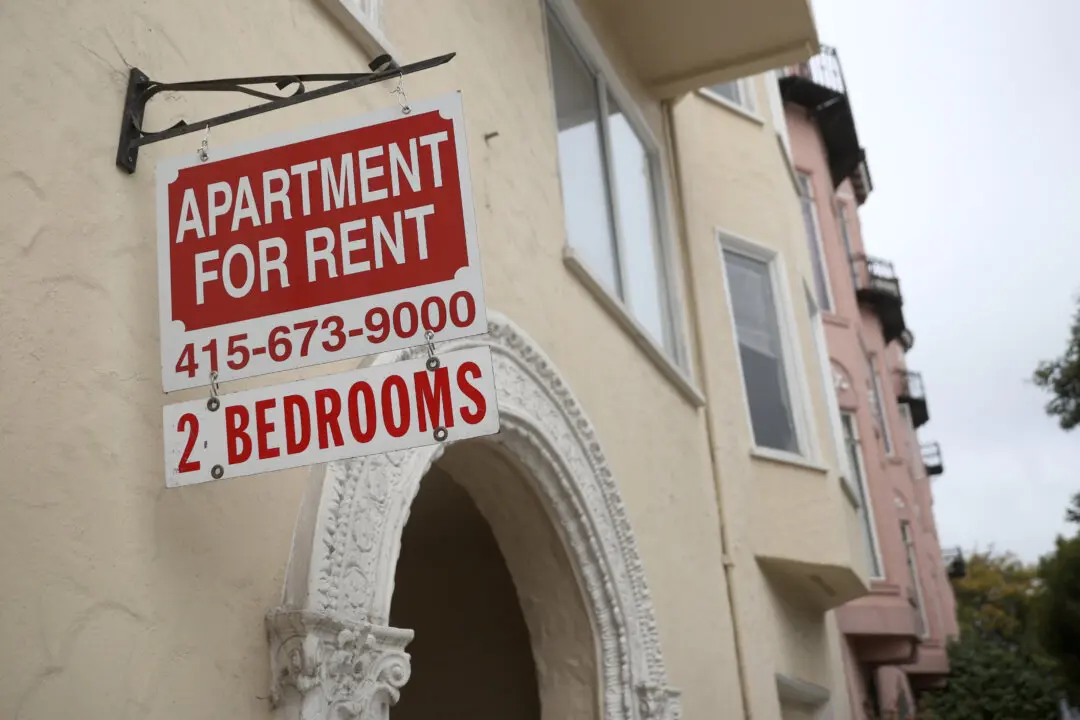
The national median monthly rent stood at $1,353 in January, down by 1.4 percent, or $20, from a year earlier. Since peaking in mid-2022, nationwide median rent has fallen by 6.2 percent.
“The progress reflects the early impacts of President Trump’s comprehensive approach to housing—increasing supply, reducing bureaucratic barriers, and empowering builders to meet demand,” the statement reads.
“While renters enjoy this relief today, President Trump remains focused on restoring the American Dream of homeownership for all Americans, committed to building on this momentum with further reforms that deliver affordability now and the path to owning a home for generations to come.”
Apartment List noted that a historic increase in multifamily construction has pushed vacancy rates to 7.3 percent—the highest level since 2017. In 2024, more than 600,000 new multifamily units hit the market, marking the largest annual supply increase since 1986. Last year, nearly 500,000 more units became available.
While 2026 is expected to see the construction of fewer new units than 2025, the market will still have an abundance of rental apartments, according to the report.
“As a result of all this new inventory, more vacant units are sitting on the market, meaning that property owners face more competition for renters and have less pricing leverage,” the report stated.
More units on the market usually translates to longer periods of time before those units are rented. As of last month, the “list-to-lease” time period reached a new peak of 41 days. The time spent on the market was up by four days compared with January 2025 and more than twice as long as in the summer of 2021.
Examining the entire nation, Apartment List reviewed rental patterns in 54 of the largest metro areas and discovered that January rents declined month over month in 39 of those markets. Year-over-year rents declined in 32 of them. Regionally, the South and Mountain West saw the biggest drops, while the Northeast, Midwest, and West Coast experienced more upward trends.
Austin, Texas, saw the sharpest declines, with the average rent falling 6.3 percent over the last 12 months and down over 20 percent from its peak in 2022. The city’s growth rate for new homes is among the fastest in the country. Denver; Phoenix; San Antonio; Tampa, Florida; and Raleigh, North Carolina, also experienced a significant drop in rents.
At the other end, Virginia Beach, Virginia, a resort community, saw rents grow by about 5 percent over the past year. California’s San Jose and San Francisco—home to some of the nation’s priciest real estate—experienced similar rent increases as the artificial intelligence boom continued to create more high-paying technology jobs.
The online loan marketplace found that homeowners with a mortgage typically pay nearly 37 percent more a month than renters, with the largest cost difference in San Francisco, where the gap in dollar terms is about $1,565. New York City and Bridgeport, Connecticut, also showed some of the country’s largest gaps between renting and owning.
Even lower-priced markets, such as Phoenix; Orlando, Florida; and Columbia, South Carolina, showed that renting had an advantage over buying.
However, Matt Schulz, LendingTree chief consumer finance analyst, noted that the choice isn’t always about money.
“Homebuying can represent accomplishment, security, safety and plenty of other things,” he said in the report.
“There’s a reason why homeownership has long been considered part of the American Dream. That said, owning can make financial sense depending on your goals.”
For those on the fence regarding buying versus renting, Schultz advised those who want to purchase to be flexible with location and home styles, continue building toward a down payment, and shop around for the best available mortgage rates.
“Not everyone wants to or needs to own a home,” Schulz said. “Everyone’s answer will be different, but taking the time to ponder what matters to you can make it more likely that you find the home that is perfect for you.”