Nearly 60 percent said they may have no other choice than to drop insurance coverage if the premiums become too high. That rate jumps to 76 percent among Gen Z buyers (ages 18 to 28), as many of them are obtaining mortgages and are required by lenders to have homeowners’ insurance.
Overall, 65 percent of respondents acknowledged that they are worried about obtaining and maintaining homeowners’ insurance.
“But these benefits come with an upfront cost that has risen as weather events have become more frequent and impactful and rebuilding costs climb.”
The report indicates more than one in four homes throughout the United States risk exposure to severe or extreme climate risks. That number represents more than $12.7 trillion in real estate.
These risks can include wildfires, earthquakes, flooding, hurricanes, tornadoes, or other wind damage—all adding to the costs of the insurance premiums.
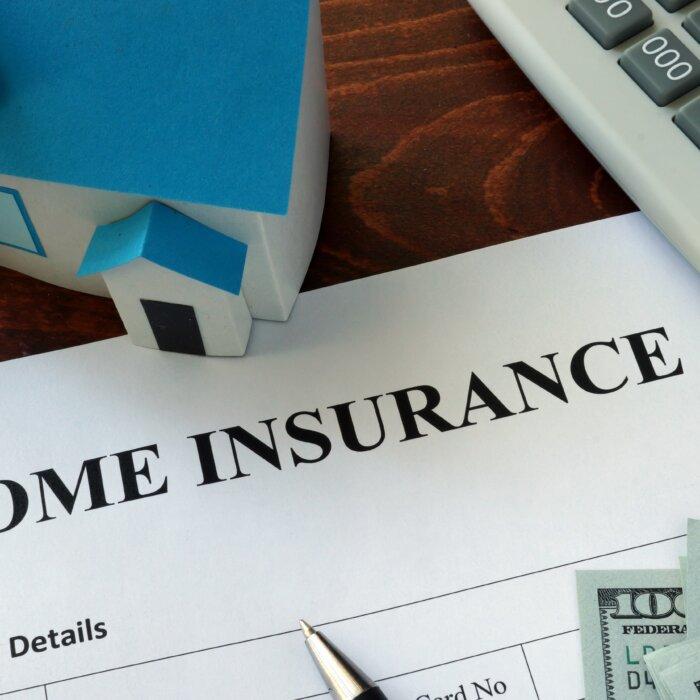
For single-family homeowners, an HO-3 policy is the most common type of homeowners insurance policy in the United States, the report indicates.
These policies typically cover the home’s structure, contents, liability, medical payments, and additional living expenses. However, standing HO-3 policies generally exclude damage from flooding and earthquakes.
In Miami, Florida, for example, the typical homeowner paid annual premiums that equate to 3.7 percent of the home’s market value—the highest ratio among the country’s top 100 metro areas, Realtor.com said.
As a result of recent weather patterns and rising insurance costs, more than a third of those surveyed said they are now seeking or will seek homes in completely different geographic areas. Almost 25 percent of potential homebuyers have now changed their strategies on what they can afford based on insurance costs.
The report also shows that Gen Z home seekers may be ahead of the game, as they are more likely than other generations to have conducted extensive online research about insurance costs. Only 6 percent of Baby Boomers (ages 61 to 79) said they had completely changed their home purchasing strategies due to insurance costs, and only 15 percent had expanded their initial home searches.