As an alternative to packing planes full of passengers paying lower prices, U.S. Airlines are taking a more disciplined approach to the peak July 4 travel weekend by offering less capacity, according to a June 26 report from IBA.
The global aviation intelligence and advisory firm headquartered in the United Kingdom reported that this year, capacity from June 27 to July 4 has declined slightly among U.S. airlines, despite a strong demand among holiday travelers.
“July 4th capacity tells a punchy story of fewer low-cost carrier seats, more full-service carrier capacity, and a market being managed for margin rather than volume,” Dan Taylor, IBA head of consulting, said in a news release emailed to The Epoch Times.
The report indicates that domestic capacity accounts for about 85 percent of all July 4 holiday airline seats. While that capacity exceeds 2023 levels, the year-over-year declines may indicate that airlines are being more selective when assigning seats during one of the busiest travel periods of the year. IBA also notes that domestic scheduled seats have slipped by 2 percent year over year, while international seats have decreased 2.1 percent.
“The trend is particularly visible among low-cost carriers,” the report states. Among these discount carriers, capacity has fallen by 9.1 percent year over year, while full-service carriers have increased capacity by 2 percent overall.
Changes in airline seating capacity on routes connecting the nation’s five largest cities have varied. Capacity on flights from New York City to Chicago is up 5.7 percent, while seating on New York City–Los Angeles routes is down 7.1 percent. Flights from New York City to Atlanta, Orlando, and Miami have also seen capacity declines, ranging from 5.8 percent to 12.4 percent.
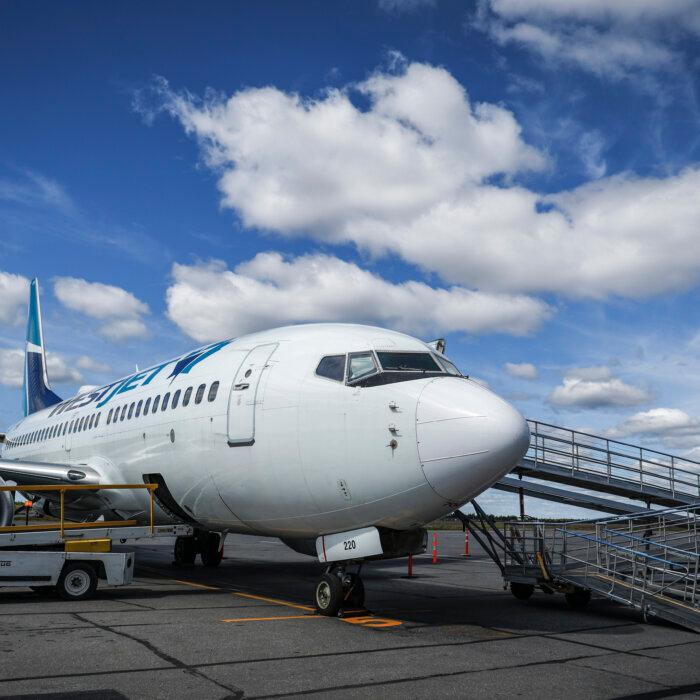
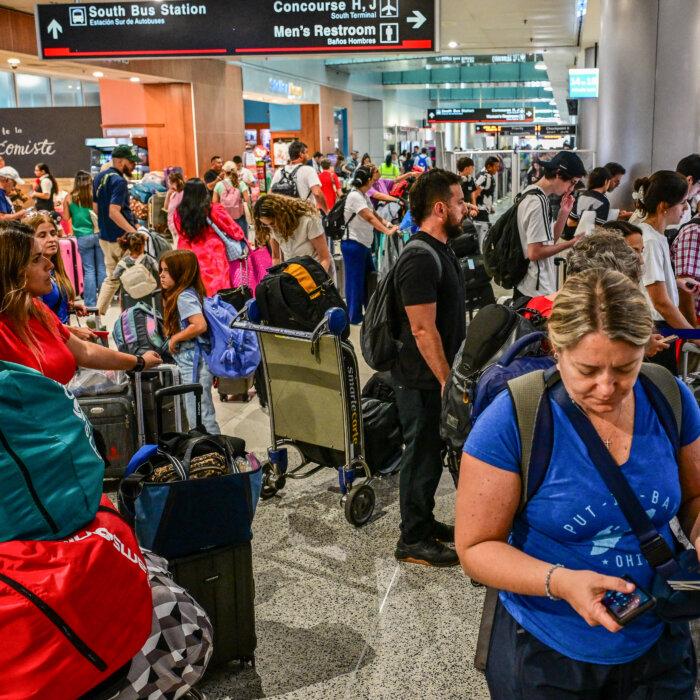
IBA contends that since the departure of Spirit Airlines, capacity has been removed, reallocated, or selectively backfilled rather than replaced on a one-for-one basis.
“With the adjustment to Spirit’s exit still taking shape, growth is becoming more cautious, capacity more deliberate, and the focus appears to be shifting from adding seats to improving yield,” Taylor said.
According to a May report from GlobalAir, an online resource for the airline industry, sometimes empty seats on an airplane can make financial sense. It indicated that every seat on a plane is evaluated based on demand, timing, competition, weather, and even historical bookings.
“Airlines use revenue management systems powered by advanced algorithms to predict how many people are willing to pay higher fares later,” the report states. “This is why booking too early or too late can dramatically change ticket prices.”
The report also found that airlines often intentionally save seating for last-minute travelers, such as business travelers who are often willing to pay much higher fares. Selling every seat early and at lower prices, it notes, could actually reduce the airline’s overall profit.
GlobalAir reported that fuel prices and cargo can also affect an airline’s revenue.
“The aviation industry operates on razor-thin profit margins despite massive revenues,” the report says. “Behind every open seat is a carefully calculated economic decision.”
Earlier this month, the Automobile Association of America (AAA) reported that 5.85 million people throughout the country are expected to take domestic flights over the July 4 holiday week, representing a 0.2 percent increase over last year.
The AAA noted that round-trip flights to top destinations like Chicago and Denver are 5 percent more costly than at the same time last year. Overall, domestic flights this year are averaging $830 per ticket.