New apartments are turning up in unlikely places, as vacant hotels, office buildings, and even schools are being converted across the country this year to create a record-breaking 181,000 new apartments. This figure towers over the 25,000 conversions completed in 2024.
Hotels made up 37 percent of all adaptive reuse developments, followed by office spaces at nearly 24 percent, industrial buildings at 20 percent, and schools at 8 percent—well above the 3 percent recorded in 2023.
Of the almost 25,000 apartments completed in 2024, more than 9,100 came from repurposed hotels. Revamped office buildings accounted for about 5,900 apartments.
Nearly 2,000 apartments were created from former school buildings across the country in 2024.
Chicago Led Apartment Conversions
Regionally, Chicago led the nation in apartment conversions in 2024, overtaking the New York City borough of Manhattan. In Chicago, 880 units were developed across four properties, including a former Sears store and an old typography business.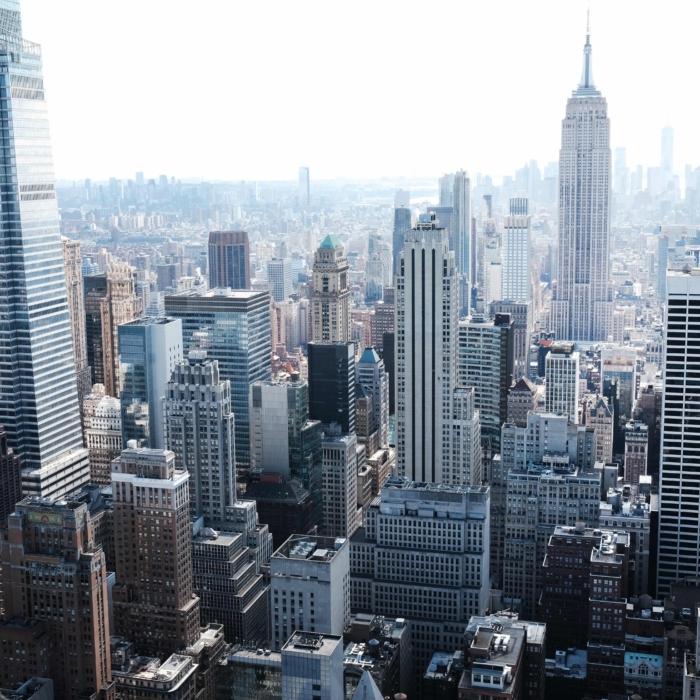
Denver ranked second on the list with 789 conversions, one of the largest being the conversion of a vacant Clarion Inn hotel into 215 apartment units. Colorado also offers refundable tax credits for qualifying projects that will begin in 2026 and beyond.
Placing third was Philadelphia, with 761 apartments converted from the historic Philadelphia Electric Co. riverfront building from the 1920s, now known as The Battery. The property now offers one-, two-, and three-bedroom apartments, along with a rooftop pool.
Bringing in an additional 698 apartments in 2024, Dallas took the fourth spot for adaptive use conversions. A $40 million renovation of the 50-story Santander Tower office building created 291 apartments, now referred to as the Peridot Residences.
Slipping to fifth place, Manhattan delivered 588 units from a former office conversion. The new Pearl House is New York City’s second-largest office conversion since the COVID-19 pandemic.
Included among the top 10 metropolitan areas for apartment conversions in 2024 were Minneapolis; Baltimore; Albany, New York; Jacksonville, Florida; and Detroit.
Baltimore had the distinction of converting the most hotels, including the Baltimore Holiday Inn and Radisson Hotel. Renovations to both vacant properties resulted in a total of 550 apartment units.
For the remainder of 2025, the report indicates, the majority of new apartments are expected to come from some 430 repurposed office buildings, resulting in more than 78,400 apartments nationwide.
Manhattan is predicted to lead the country in office conversions by the end of the year, with nearly 9,000 apartments already under construction.
As larger offices continue to downsize and consolidate, the report forecasts more conversions in this sector. Along with Manhattan, Los Angeles, Chicago, Washington, and Philadelphia are expected to lead the nation in adaptive reuse projects in 2026.