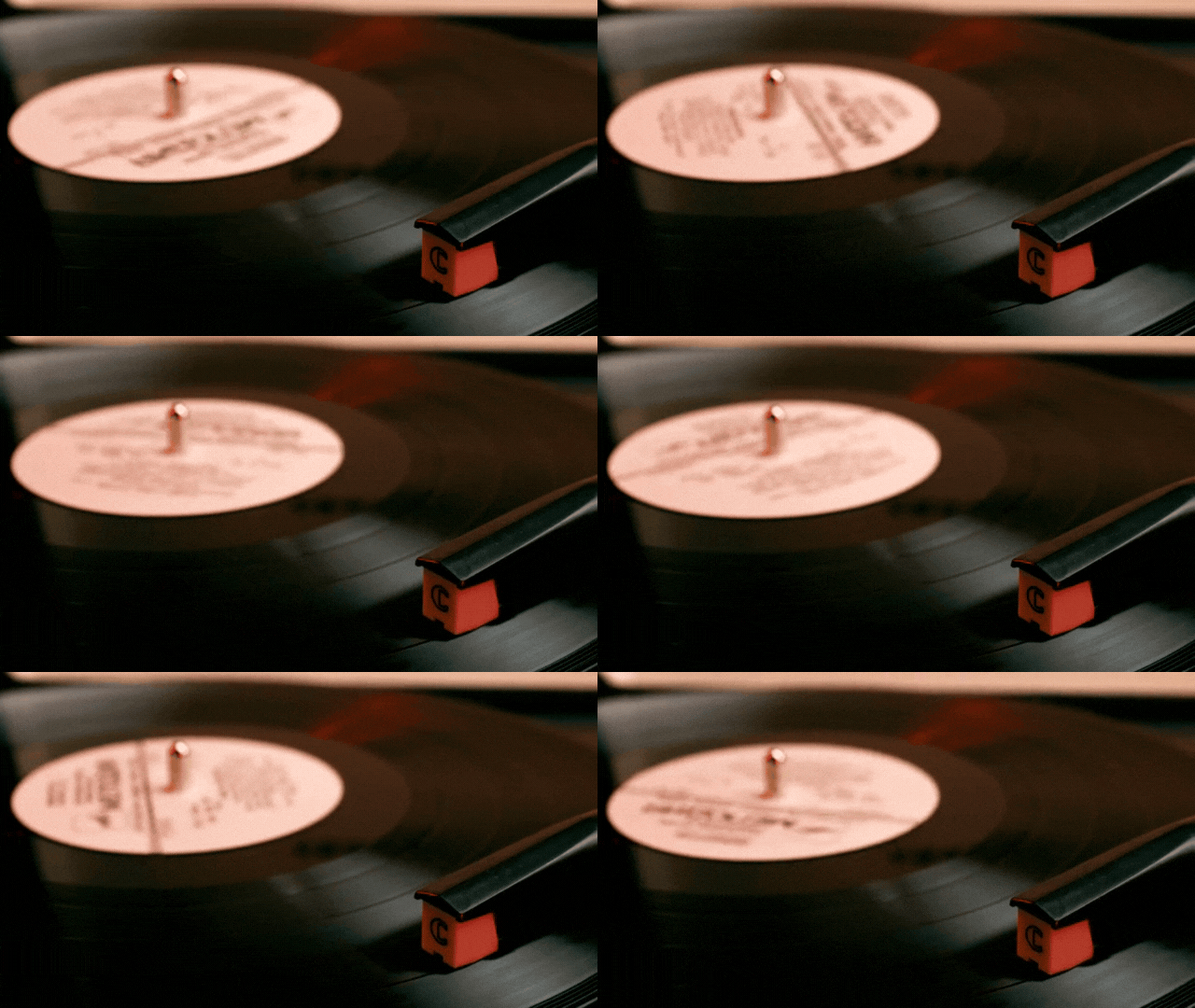
Silent rotations, like the globe spinning through space. The needle connects—a sudden, transformative intrusion into the world of the record. A few seconds of static. Then, magic: music first played months, years, or even decades ago suddenly fills the room, as though the musicians are standing right there, strumming and swaying. The listener falls silent, transported.
Glorious Inefficiency
The question is, why the record player? Music is more accessible today than it’s ever been in human history. Streaming services can pull up any song ever recorded with just a few swipes. What’s the need for vinyl, a more cumbersome, less efficient means of listening to music?In the digital era, some music lovers have reached a point of fatigue with the frictionless process of streaming. “We’re so focused on efficiency and simplification in so many parts of our everyday life,” Brown said. “With vinyl, it’s like a backlash. It’s about enjoyment of the ritual, the physical object that carries meaning and a cultural artifact.”
Ritual and Intentionality
The “friction”—both literal and metaphorical—of using records and record players fosters intentionality. Playing a record requires forethought, physical steps, and patience. It can’t be turned on thoughtlessly the way digital music can be, nor does it lend itself to skipping tracks.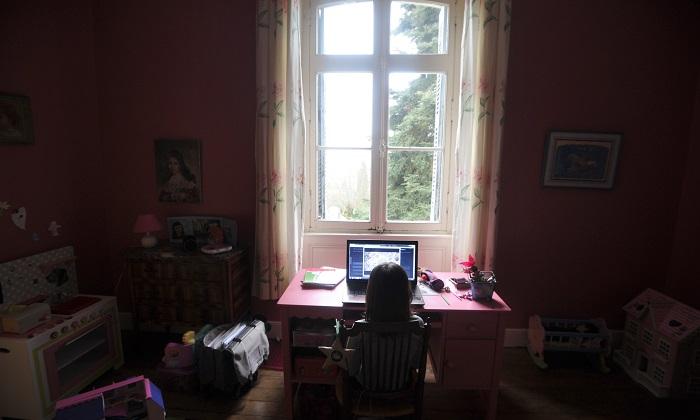

Calm. Focused. Intentional: These words have become increasingly scarce in the modern vocabulary dominated by efficiency, convenience, productivity, and technological tools that promise to deliver these things. Vinyl offers something different. It’s a nostalgic respite from this diffracted, distracted technological environment. It’s a slowing down that people thirst for.
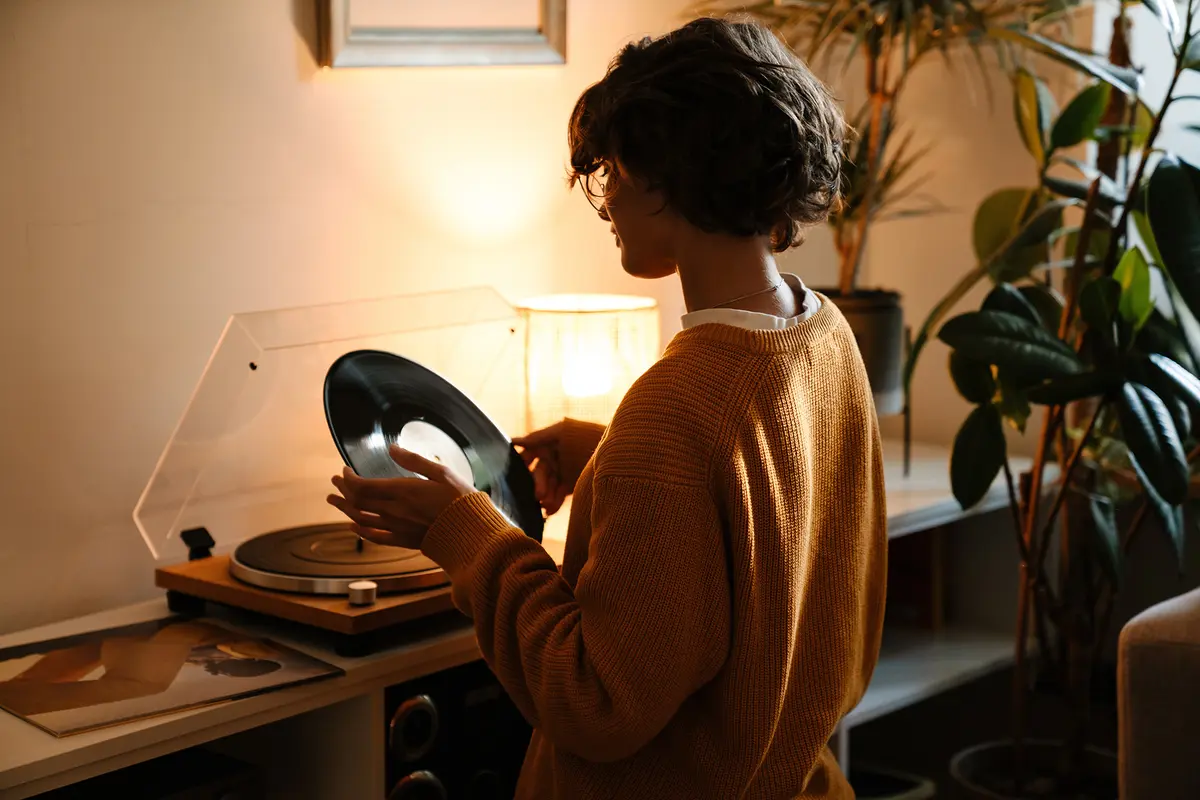
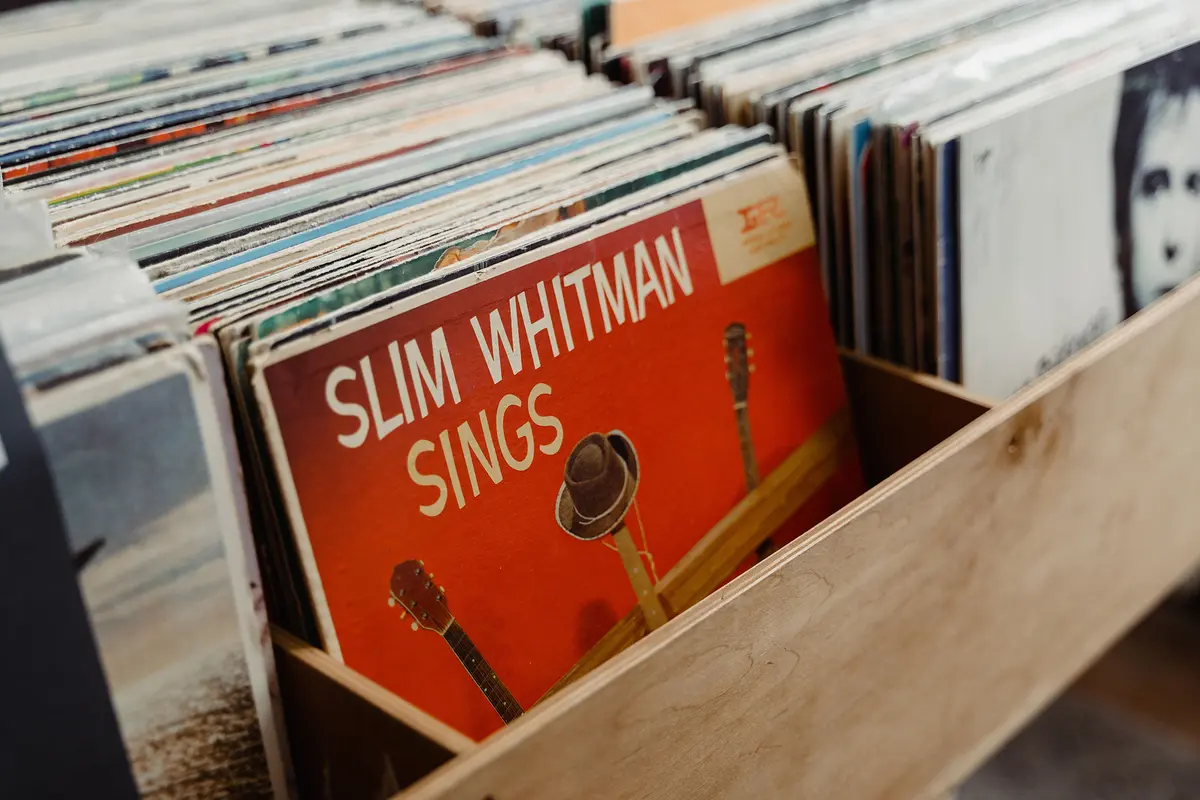
Part of this intentional slowing down arises from the physical, tactile aspect of vinyl. The hand, the turntable, and the needle can only move so quickly. It’s a slow, sensuous experience, deeply engaging touch and sight alongside hearing. “The tactile pleasure of flipping through stacks of records, the visual delight of album art—it’s a multisensory banquet,” noted the record player company Fluance on their blog.
The intentionality, the sensory appeal, the precise physical movements—all this has a ritualistic quality to it that deepens the experience. “Listening to an EP or LP on vinyl creates a ritual,” says Bradley. “You pull it out, look at the cover, place it on the player, drop that needle, and listen. Ultimately, there’s a sense of presence to it that streaming and even CDs can’t always provide.” Rituals—from steeping tea to religious ceremonies to playing vinyl—provide us with predictable, meaningful, and stabilizing patterns that ground us both in tradition and in the present moment, connecting us with values that transcend the everyday. They help us find our place as human beings in a chaotic world. The ritual of vinyl has a potency unrivaled by other ways of listening to recorded music.
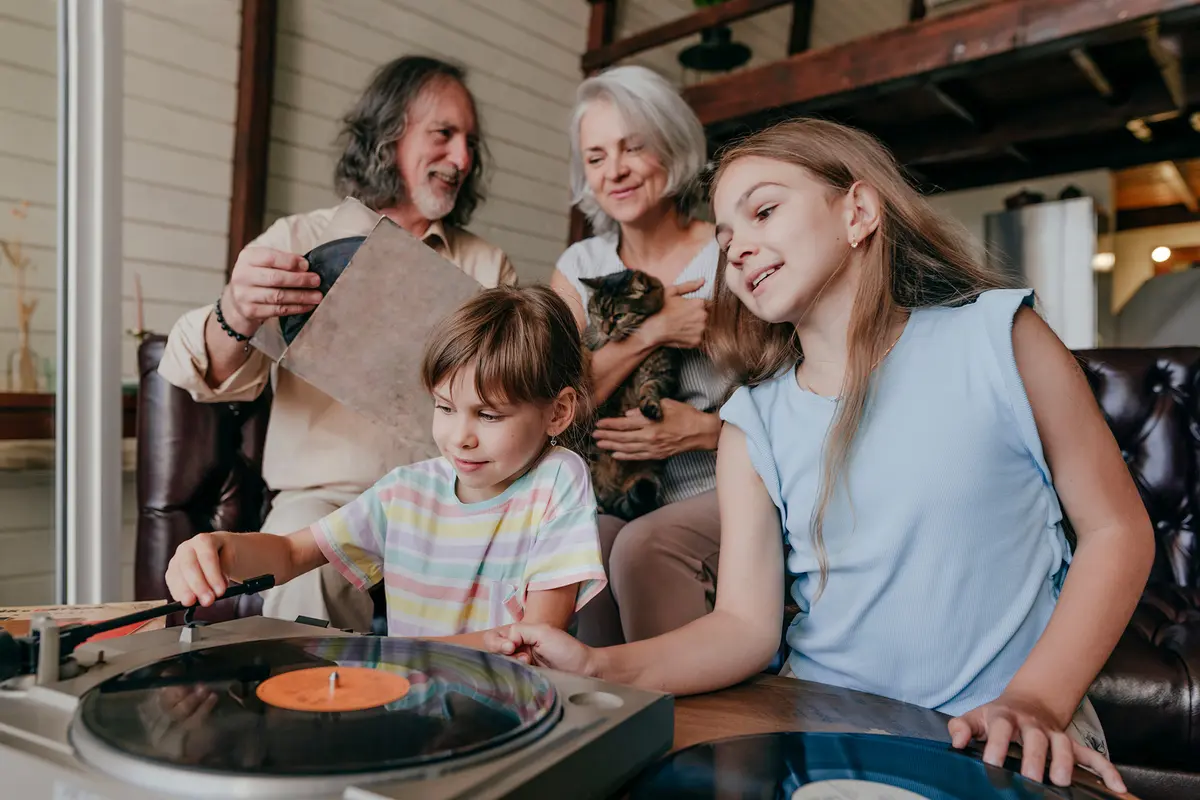
There’s an artistic benefit to the physical limitations of records, too. Records have physical constraints that, paradoxically, give listeners the freedom to experience a musical album more as it was originally intended. “It’s a ritual which makes you appreciate the music more than shuffling through 80 million songs on autopilot,” according to Brown. “It’s a slower process where you sit with one album and fully focus on it.” With a record, the listener can’t skip around—he has to listen to the album’s songs in order, which is the way the artist originally intended them to be heard. Songs on an album are intentionally arranged to tell a story or to complement one another like pieces of art on a gallery wall. Streaming—with its non-consecutive, mix-and-match approach—often obscures the experience of this artistic decision.
Records’ physical limitations have a benefit, too. Their physical constraints paradoxically give listeners the freedom to experience an album as it was originally intended. “It’s a ritual which makes you appreciate the music more than shuffling through 80 million songs on autopilot,” according to Brown. “It’s a slower process where you sit with one album and fully focus on it.”
Sonorous Sound
Vinyl’s authenticity manifests also in its sound quality. Static, flaws, and a warmer tone all can make the music sound more “real.” Brown broke down the differences between digital and analog recordings, and why many people find a richer sound in records:Digital files offer over 90dB of dynamic range compared to vinyl’s 70dB. Digital is also more consistent. There isn’t any wow-and-flutter, surface noise, wear from repeated plays.
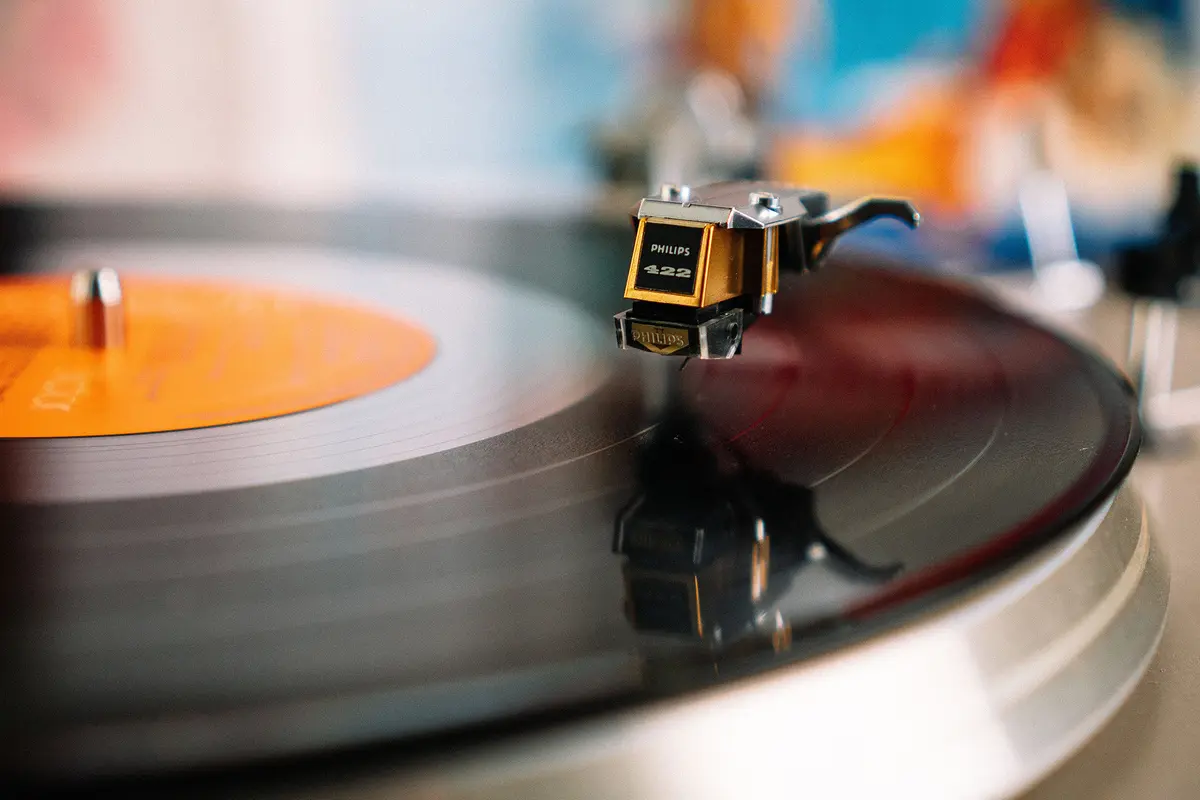
This is where vinyl has physical limitations that prevents over-compressing and makes it sound more dynamic and alive. Vinyl sounds “warmer” since its distortion runs somewhere between 0.4% and 3% total harmonic distortion, while digital DACs come in at under 0.001%. By every technical measure that’s a flaw… but a lot of ears find it pleasing. It’s an imperfection that can feel more human. Especially with a world that becomes increasingly digital and AI centered.Just as music is about more than mere efficiency, so too it’s about more than mere technical perfection. Much of what we crave in music is the human element, which is not always efficient, and rarely perfect. That’s the appeal of the turntable. It’s more raw, more intimate, and more human—flaws and all.
Engraving Stories
The imperfections of an old record, worn down through repeated plays, remind us of everything it’s been through. Records have been around for centuries, and each record tells a story of its own.The first phonograph—an early term for a turntable or record player—was developed by Thomas Edison in 1877. It used indentations embossed into tinfoil by a vibrating stylus, which was wrapped around a rotating cylinder. Emil Berliner improved the process in 1887 by engraving sound grooves in a spiral on a flat disc rather than a cylinder. Berliner’s disc would be used to create a negative, which, in turn, could be a mold for making many copies of the original disc. The records could then be played on a Gramophone.
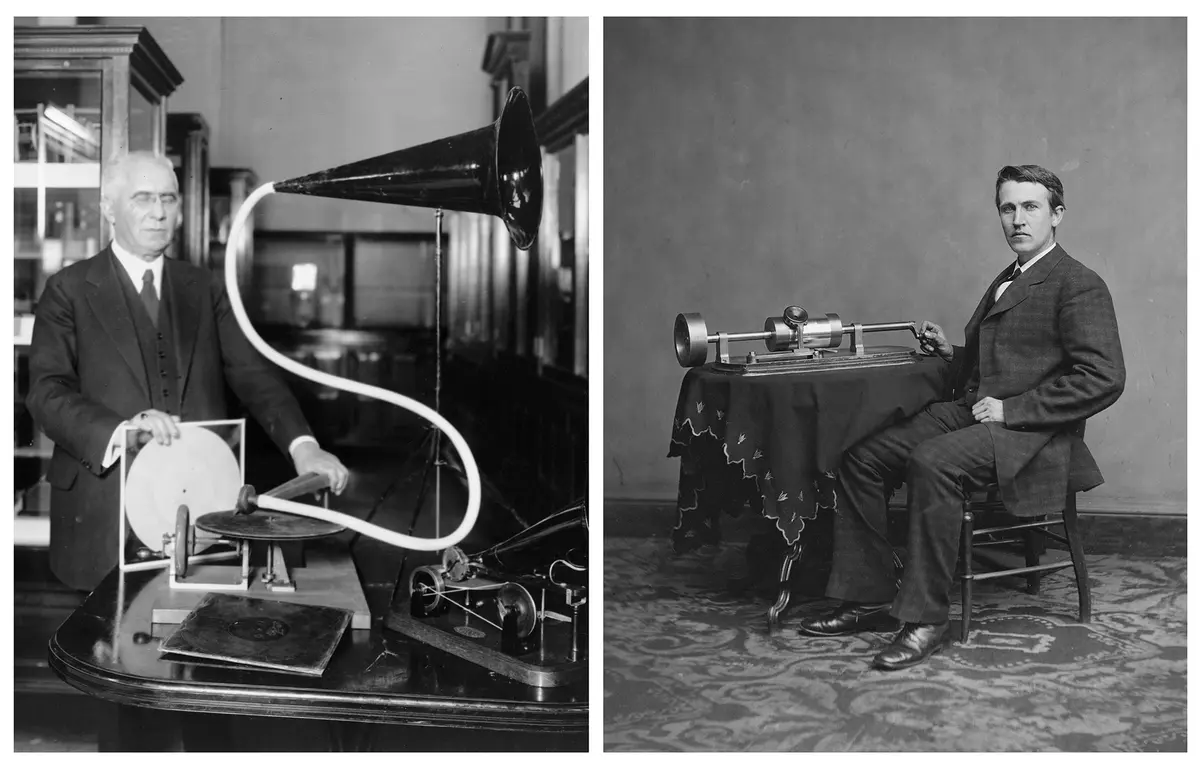
Manufacturers continued to improve the process so that discs could record longer and longer sections of audio. In 1948, Columbia Records launched the long-playing (LP) record, with a rotational speed of 33 1/3 RPM, which offered up to 30 minutes of playing time per side.
Perhaps the most incredible thing about this relatively simple technology is the way it has endured. As Brown observed, “The vinyl record is an elegantly simple and incredibly durable medium that has outlasted 8-tracks, cassettes, MiniDiscs, and now even CDs.”
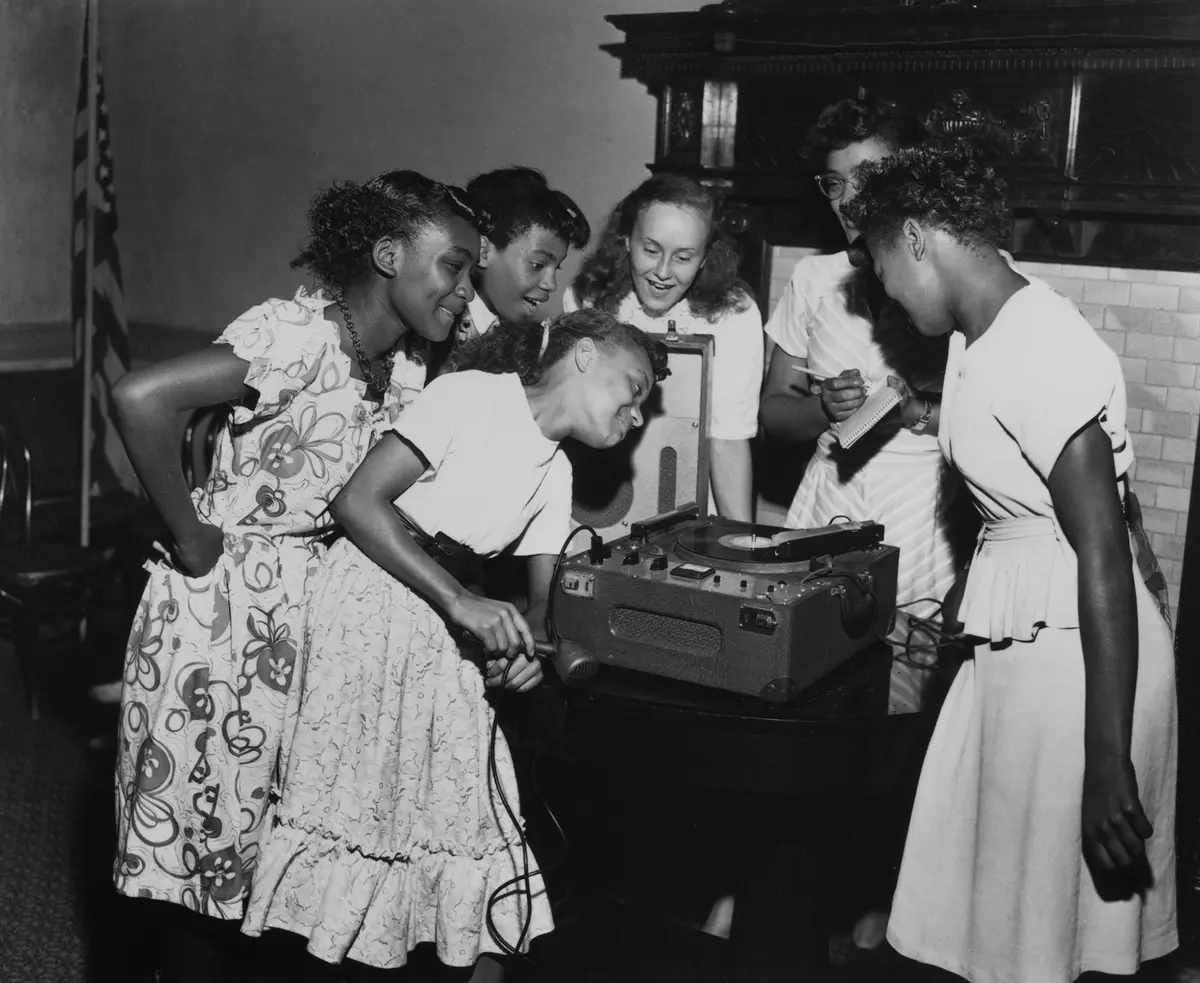
Though streaming remains king, vinyl continues to experience a renaissance. “Vinyl has grown in sales year-on-year for over a decade now,” Brown said.
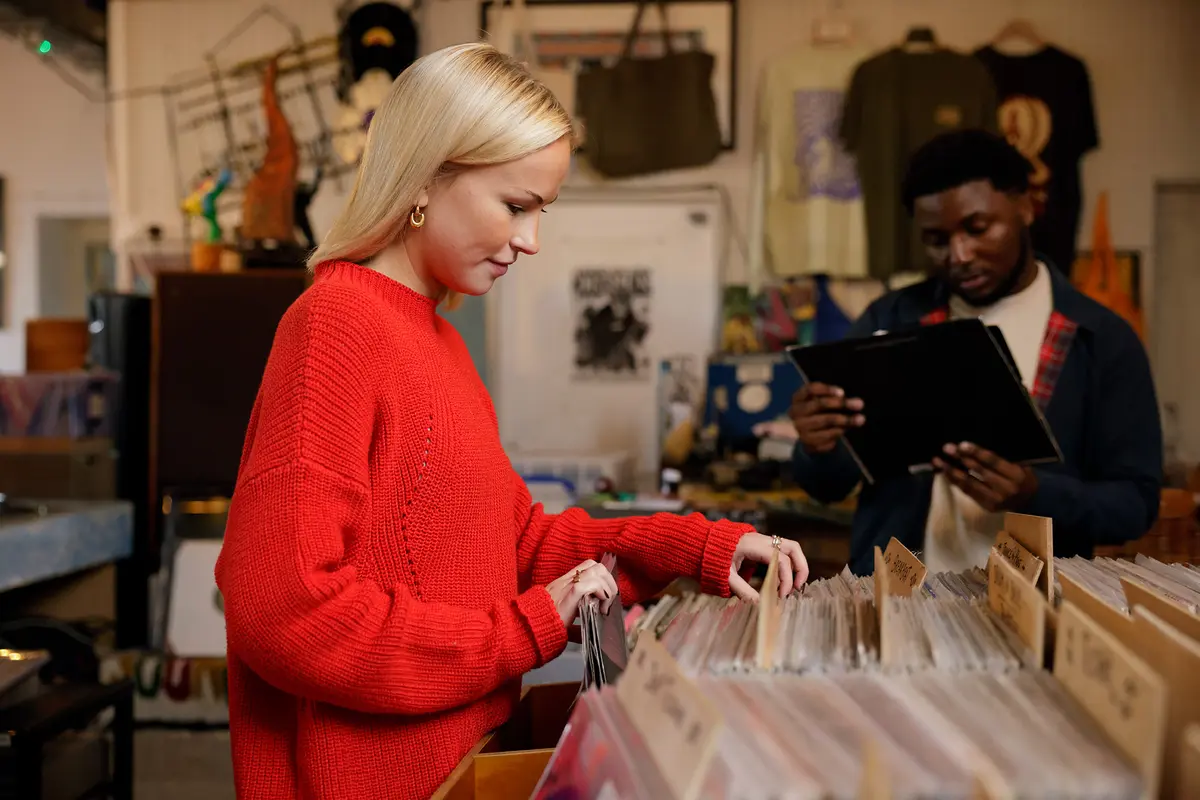
The vinyl community is thriving. They even have a dedicated day: “Record Store Day,” a semi-annual event founded in 2008 to celebrate the vinyl subculture.
Sydney, a young millennial mother, musician, and music lover, expressed to The Epoch Times a common sentiment among young people who want to recover older ways of doing things. “I think there’s a cultural desire to go back in some ways. I think we’re drawn to a time when we didn’t have the world at our fingertips.” The “inconvenience,” intentionality, and grittiness of vinyl offer a response to that desire.
“I think we’re all longing for a slower, more peaceful life and the truth is that the more technology we have to make things ‘efficient’ the less time and peace and calm we have,” she said. “I think a lot of people are longing for a time when our minds were able to calmly focus on the task in front of us and we didn’t have access to … everything … all of the time.”
As a busy mom, Sydney finds vinyl’s soothing quality especially important. “I have found that when you have kids, it’s even more essential to find ways to slow down and enjoy a moment.”
For vinyl enthusiasts, that’s what it’s all about: taking a breath, making space, and letting the music waft over you as the record turns round and round, like the revolving rhythms of our days, years, and decades. Through all the changes of recent centuries, records have remained with us. It doesn’t look like they’re going anywhere soon.