Just as you’re about to drift blissfully into sleep, a thought suddenly appears out of nowhere. It could be a great idea or a solution to a problem you’ve been wrestling with all day. That flash of brilliance you get just as you’re falling asleep is not random.
Scientists have discovered that your brain enters a brief “creative sweet spot” in the drowsy seconds between wakefulness and sleep—a twilight zone where problem-solving ability can triple. What’s more, you can learn to access it on demand.
The Science Behind the Sweet Spot
In the hypnagogic state, the mind becomes highly creative, generating powerful insights that can solve difficult problems.Those who entered hypnagogia for at least 15 seconds were three times more likely to find the rule and solve the problem than those who stayed awake.
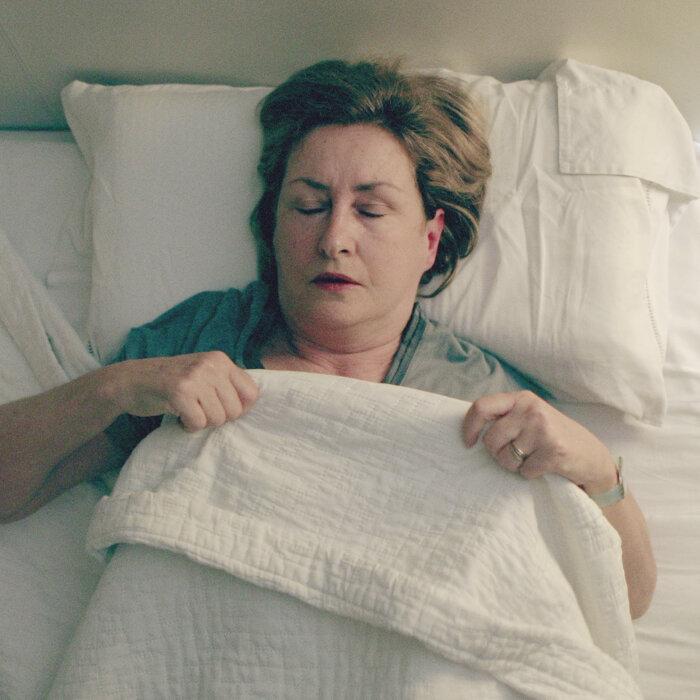

Hypnagogia occurs during the brief, one to five-minute N1 phase, a middle ground between wakefulness and deeper stages of sleep.
“During the hypnagogic state, brain activity shifts from dominant beta waves, which govern alert, logical thinking, toward slower alpha and theta waves—the same rhythms linked to relaxed awareness and dream imagery,” Dr. Eugene Lipov, an anesthesiologist and physician researcher, told The Epoch Times.
The brain’s prefrontal cortex, which normally filters and organizes thoughts, relaxes its control, temporarily allowing unusual associations to surface, Lipov noted.

What Happens in the Borderland of Sleep
People can experience a range of involuntary visualizations and sensations during the fleeting state of hypnagogia. According to a 2016 study, some may see rapidly changing geometric patterns or light flashes, like a kaleidoscope, or lifelike, detailed images of faces. While less common, some people may hear words, people talking, or animal sounds.Sometimes, a person might sense a feeling of weightlessness. Perceptions of flying or falling can also occur.
When a person has entered this borderland of sleep, the mind is still awake enough to form ideas but relaxed enough that critical filters and self-censorship quiet down. In this space, memories, emotions, and random associations can blend freely, making it fertile ground for creativity and insight, said Leah Kaylor, sleep expert, clinical and prescribing psychologist, and author of “If Sleep Were a Drug.”
How to Access Hypnagogia
Thomas Edison famously used the “object-drop” method—holding a steel ball that would fall and wake him the moment he drifted off, letting him capture ideas from that edge-of-sleep moment, Lipov said.People can practice this technique, known as the “Edison nap” method, by lying down or reclining in a quiet, dimly lit space and closing their eyes while holding a light object, such as a pen or key, loosely in their hand, Kaylor noted. As the person drifts off to sleep, the object will drop, causing a slight awakening, which allows them to capture any images or ideas before full sleep sets in.
“Techniques like short, intentional naps while focusing on a specific question can help,” Lipov said.
For example, a person could repeat a word or phrase in their mind or record and replay it at low volume as they begin to drift into sleep.
Since the N1 stage lasts only five minutes, setting a gentle alarm can help a person capture thoughts and ideas before falling into deeper sleep.
Practicing mindfulness techniques or breathing exercises before resting can increase the chances of entering hypnagogia, Lipov noted.
However, since this in-between state lasts only minutes, some may find it challenging to remember the ideas that surface or make sense of them upon waking. Journaling or voice-recording thoughts immediately after coming out of the hypnagogia state can help a person retain them before they fade, Kaylor said.
MIT researchers modernized the Edison nap method by developing the Dormio system, a glove-like device with sensors that track the occurrence of hypnagogia and then interrupt the user’s sleep to prevent them from slipping into deeper sleep stages.

The Risks of Overdoing It
While techniques for unlocking solutions and ideas hidden in the mysterious realm between wakefulness and sleep are intriguing, there are some caveats to consider.Other risks include using hypnagogia as an escape from real problems rather than solving them, disrupting normal sleep patterns through frequent practice, and spending time trying to decode abstract or fragmented ideas that may not translate into practical solutions.
“Brief exploration of the hypnagogic state is generally safe,” Lipov said. “The only caution is for people prone to insomnia or anxiety, [as] repeated attempts to hover in that in-between zone can interfere with normal sleep patterns.”
People should practice hypnagogia in moderation and ensure they maintain good overall sleep hygiene, he noted.
For most people, attempting to trigger hypnagogia is harmless and even fun, Kaylor noted. But if someone is prone to vivid nightmares, deliberately hovering in that half-awake state can sometimes trigger unsettling imagery or make it harder to fall asleep afterward.
“It’s best used occasionally, as a creativity tool, not a nightly routine.”