When many of us think of the Wild West, we think of a place where gunmen ruled with selfish impunity, cowboys waged war on rival ranches, and the bank was the most dangerous spot in town.
Much of this was a myth, created by Hollywood directors to sell the idea of a lawless desert ruled by violence. In reality, the Western reaches of American civilization were ruled by a strict code—the code of the West. That code is what kept order and dignity on the undeveloped plains. It shaped the cowboy into a cultural avatar of American values, just as much as the horses, longhorns, and dusty ranches ever did.
Owen says that in our materialistic culture, we assume success means abundant wealth and money. But he believes that those who live by a code are able to make new definitions of success—success in improving one’s character, upholding values, and finding meaning outside of material possessions.
The Ten Principles
Live Each Day With Courage
To the cowboys of the old West, courage was as necessary as wearing boots. There were no bootless cowboys, and there were none without courage. Life was dangerous by nature, as the unrelenting elements, stampedes, and marauding natives and bandits claimed many lives.The cowboy spirit was, out of necessity, cheerful in the face of all perils. For a cowboy, having cowardice was a danger to himself and those who relied on him. A cowboy who let his fear grip him could not do what he needed to when facing decisive moments. Courage did not mean the absence of fear; it was the ability to put fear aside when there was work to be done.
“A man wanting in courage would be as much out of place in a cow-camp as a fish on dry land,” the Texas Livestock Journal said in 1882.
Take Pride in Your Work
A cowboy took pride in his work and skills. His superb riding, courage, and grit gave him the confidence to sit in the saddle like a knight on the field.Always Finish What You Start
Cowboys despised quitters. They despised complainers and whiners too because to cowboys, they smelled like quitters. When the going gets tough, that’s when one needs to be the most reliable.Do What Has to Be Done
The cowboy, the Western hero, was a man of justice. To rectify injustice and punish evildoers: that was the code of the West enshrined in his heart. A cowboy’s honor rested upon his willingness to do the right thing. Even more honorable was the ability to stick to what was right in the face of overwhelming odds.“A cowboy gets his strength from knowing what is right and what is wrong and being true to his beliefs. This is the essence of the Code of the West and the true cowboy way,” the Journal said.
Be Tough, but Fair
The cowboy could weather harsh conditions, risk his life daily, and come back the next day, because to be a cowboy was to be grit and nails in boots. Cowboys prided themselves on their toughness, and that pride made them notoriously intolerant of insults.For example, a cowboy was entitled to enter any ranch at any time when in need of food and shelter, and was not expected to pay a penny. And if a neighbor’s cattle wandered onto a rancher’s lot, the rancher was free to sell the animal, but the rancher would be obligated to pay his neighbor the money he received for it. The Golden Rule was always upheld.
When You Make a Promise, Keep It
A cowboy’s promise was more binding than any legal contract.Ride for the Brand
Cowboys were exceptionally loyal to their outfits. They put their outfits before their own comfort, needs, and even lives.But cowboys weren’t loyal to their bosses simply because they were the ones who paid them. Cowboys were loyal because the boss upheld the code of the West, and expected that they would too. The boss built the ranch from nothing with just his hands, his time, and his daring. By riding with his brand, a cowboy became part of that legacy of honorable hard work.
Talk Less and Say More
Part of the cowboy’s trademark was his short and pointed speech. Cowboys couldn’t stand a windbag who wasted words simply because he never ran out of them.Cowboys needed effective and short communication while on the job. Conditions while herding cattle could change on a dime; effective communication made the job easier and kept everyone safe.
Remember That Some Things Aren’t for Sale
A cowboy’s dignity and way of life had no price. He would not sell it, and he would not buy it from another.This is exemplified best in the 1970 movie “Monte Walsh.” At the beginning of the 20th century, Wyoming cowboy Monte realizes that his time as a small-time rancher is coming to an end. Larger corporations are creeping out the competition in the ranching business.
Monte ends up getting recruited to play a cowboy in a circus, but realizes that he can’t sell his way of life for any sum of money. He turns down the high-paying job and returns to struggling as a rancher.
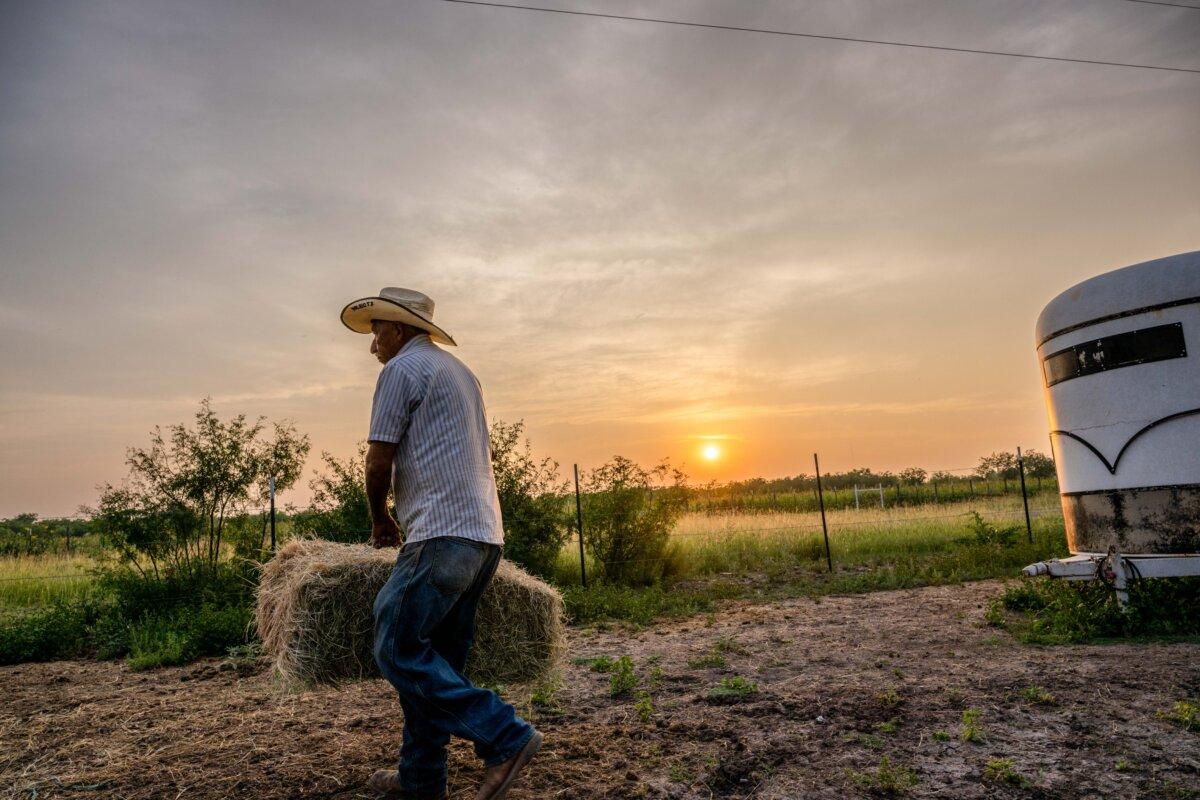
Know Where to Draw the Line
The code of the West, the principles that cowboys lived by, was to be followed strictly. Cowboys believed that the destruction of a man’s integrity was almost never one big fall and crash, but caused by numerous cracks spreading over time. Every small step over the line of the cowboy’s code, every little cut corner or rationalized wrongdoing, was a step closer to the collapse of a man’s integrity and that of the community that relied on him.Conclusion
Contrary to the popular portrayal of cowboys as rogues, cowboys were more similar to medieval knights, who followed a strict code of chivalry. Indeed, the code of the West and the chivalric code are similar in many ways, highly valuing courage, honor, and justice.By modern standards, the cowboys of the Wild West were no saints: they cursed, smoked, and drank profusely, with little knowledge of table manners. But their legacy shapes America to this day, and it'd be best not to forget the principles that made them stand out as icons of American folklore. Live each day remembering the way of the cowboy; grit, honesty, and fairness.
Anyone who can put these ten principles into practice will find satisfaction in their life and actions, and achieve success not measurable in money.