While not nearly as costly in lives lost or property damaged as the world wars of the 20th century, the Seven Years’ War (1756–1763) was also a global conflict. With only Prussia as its ally, Britain fought against France and her allies—Austria, Russia, Sweden, and Spain—in Europe, the Americas, India, and other parts of Asia.
Americans know the North American theater of these sprawling political and military operations as the French and Indian War (1754–1763), in which France and Britain battled for possession of the North American continent, assisted by colonials and Native American tribes. By war’s end, France had lost Canada and its claims on the American frontier to Britain.
War Comes With a Price Tag
Ask Americans who know anything at all about the causes of their Revolution, and they’re likely to say, “No taxation without representation!” Fewer of them are likely to connect that battle cry with the French and Indian War.Historians have estimated that by the time the Seven Years’ War had ended, Britain’s national debt had risen to somewhere between 122 million pounds and 133 million pounds, a vast increase and a tremendous financial burden for the government. Because they had expended a hefty portion of that money fighting the French in defense of the American colonies, the prime ministers and parliaments of the time naturally reasoned that the colonies should pay their share of expenses. The Sugar Act of 1764, the Stamp Act of 1765, the 1767 Townshend Acts, and the Tea Act of 1773: These and other measures, the men in London believed, were all a legitimate means to reimburse the crown for its defense of the colonies.
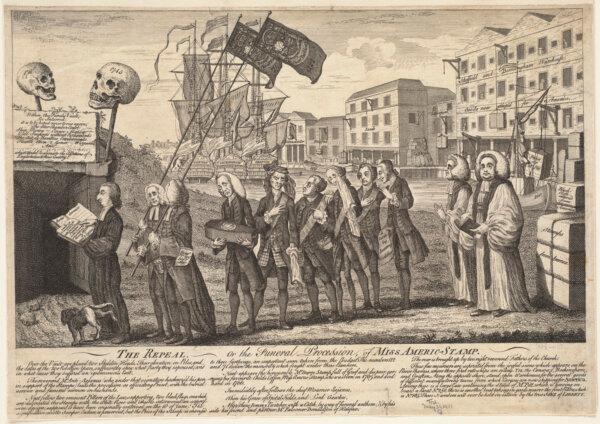
Their American cousins disagreed. For one, to be taxed without representation in Parliament was anathema to them, not so much as Americans but as Englishmen. Furthermore, they were accustomed to a policy of “benign neglect,” which had allowed them, for the most part, to govern themselves, with their own governments levying fees and budgeting funds. Like a child raised in a permissive household, they resented the now heavy hand of interference in their affairs from the mother country.
The French Connection
For decades, English settlers had feared falling under the imperial power of the French kings. To the north of them was French Canada, to the west the rest of New France, that enormous swatch of land running all the way down the Mississippi River to Louisiana. Here were trappers and settlers who claimed enormous swatches of land as part of New France. The French had also forged strong alliances with some of the Native American tribes and could, if needed, unleash them against English settlers moving westward.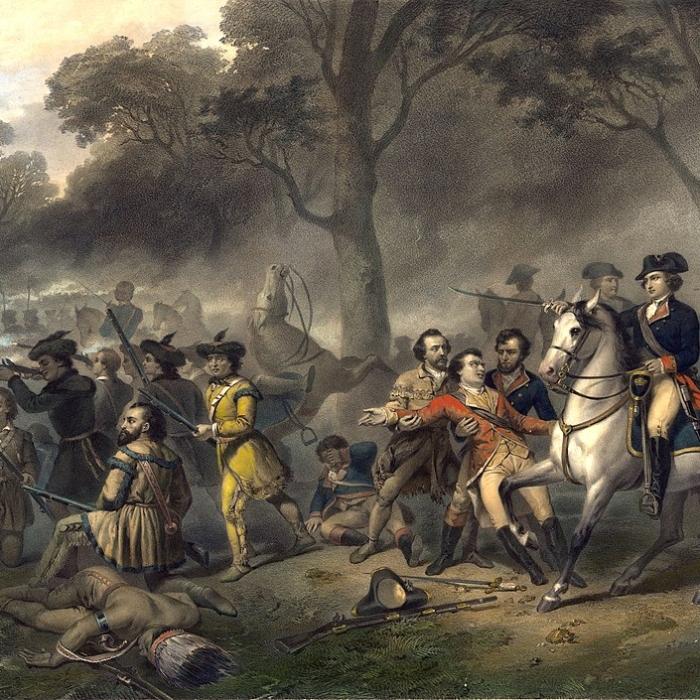
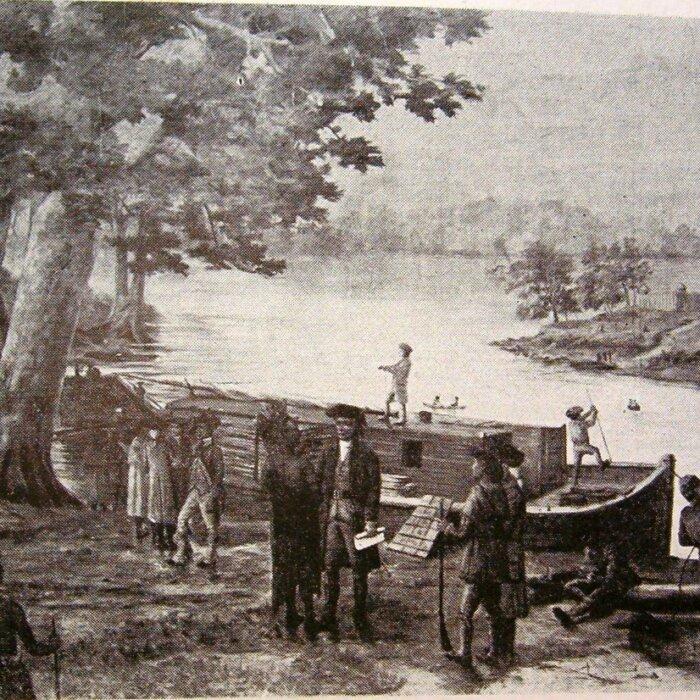
The defeat of the French relieved these fears and seemingly opened the West to new settlements.
Yet the king and parliament seemed intent on thwarting these territorial ambitions. Seeking to end the ongoing warfare between the colonies and Native American tribes, King George III’s Royal Proclamation of 1763 set aside the lands west of the Appalachian Mountains as an “Indian Reserve” and sought to prohibit further expansion by law. Though settlers like Daniel Boone and his band of Kentucky settlers ignored the proclamation, it remained in place, a burr in the side of the expansionists.
More fallout from the war came with the Quebec Act of 1774. To gain the loyalty of French Canadians, most of whom were Catholic, this parliamentary measure guaranteed them the right to practice their faith. It also allowed the province to broaden its borders into the Indian Reserve, giving Quebec effective control over a vast territory that would eventually become states such as Illinois, Indiana, and Wisconsin.
In the eyes of the British subjects south of Canada, the Quebec Act smacked of popery and offended them as well because of the lands it placed under Quebec’s control, a tremendous boon bestowed on their former enemies. By this time, the enmity between Britain and her American colonies was catching fire, and the Quebec Act, a leftover consequence of the French and Indian War, only added fuel to those flames.
Learning the Trade of War
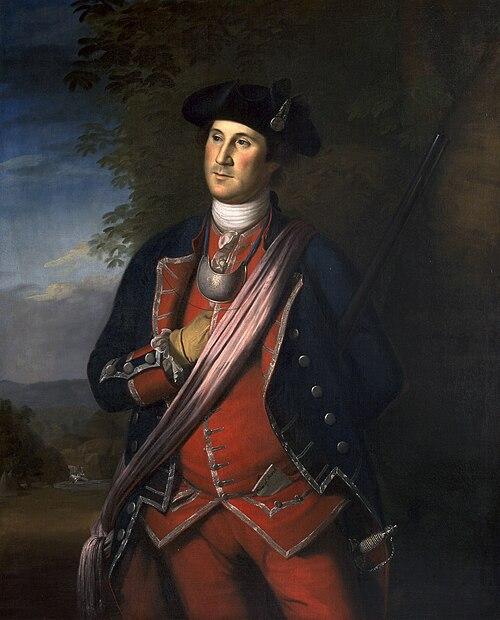
In 1754, a company of Virginia volunteers and Native Americans, led by a 22-year-old, was sent to Ohio near today’s Pittsburgh to build a fort and challenge French intrusions into English territory. When the Virginians encountered a French unit, a battle broke out, leaving 13 Frenchmen dead and 21 captured. Many historians view this incident as the detonation that caused the French and Indian War. A quote attributed to writer and British statesman Horace Walpole reads, “The volley fired by a young Virginian in the backwoods of America set the world on fire.”That young Virginian was Lt. Col. George Washington.
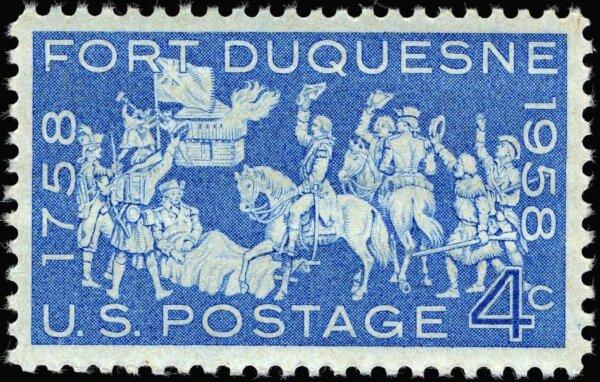
Washington spent five years in the consequent war. He survived the disastrous defeat of British Gen. Edward Braddock at the hands of French and Native American forces in 1755 and took part as a colonel with his well-trained Virginia Regiment in the 1758 campaign that drove the French at Fort Duquesne. Equipped by these lessons and experiences, he was later chosen by the Continental Congress to lead the American army against the British.
Many other colonists received a similar education from this war, knowledge they brought to the ranks of the Continentals. In the article “Braddock’s Alumni,” for example, historian and journalist Robert Alberts draws up quite a list of Americans who were with Braddock and who later went on to help establish America in war and in peace. Daniel Boone, for example, was a teamster and blacksmith with the North Carolina Provincial company. Horatio Gates was a professional British soldier who joined the Americans in their Revolution and as a general defeated the British at Saratoga in 1777. James Craik, who treated the dying Braddock’s wounds that day, later served as second in command of the Continental Medical Department, was George Washington’s personal physician, and was present when Washington died.
Other veterans, both leaders and common soldiers, transferred their expertise from fighting the French to battling the British. Israel Putnam and John Stark, for instance, had served in Rogers’ Rangers and made a name for themselves in the Revolution.
In an army as inexperienced and poorly funded as America’s Continentals, such men were vital in the pursuit of victory.
Body and Soul
In his lengthy 1818 letter to H. Niles, an admirer, President John Adams wrote, “But what do we mean by the American Revolution? Do we mean the American War? The Revolution was effected before the war commenced. The Revolution was in the minds and hearts of the people; a change in the religious sentiments of their duties and obligations.” Later in the same letter, he offered this important note, “This radical change in the principles, opinions, sentiments, and affections of the people was the real American Revolution.”As indicated by a host of historians, the religious fervor roused during the Great Awakening and Enlightenment thinkers like John Locke helped seed “this radical change.” Certainly, too, the independent spirit engendered in Americans, the liberties born of the frontier and entrepreneurship largely free of oversight, helped create the Revolution.