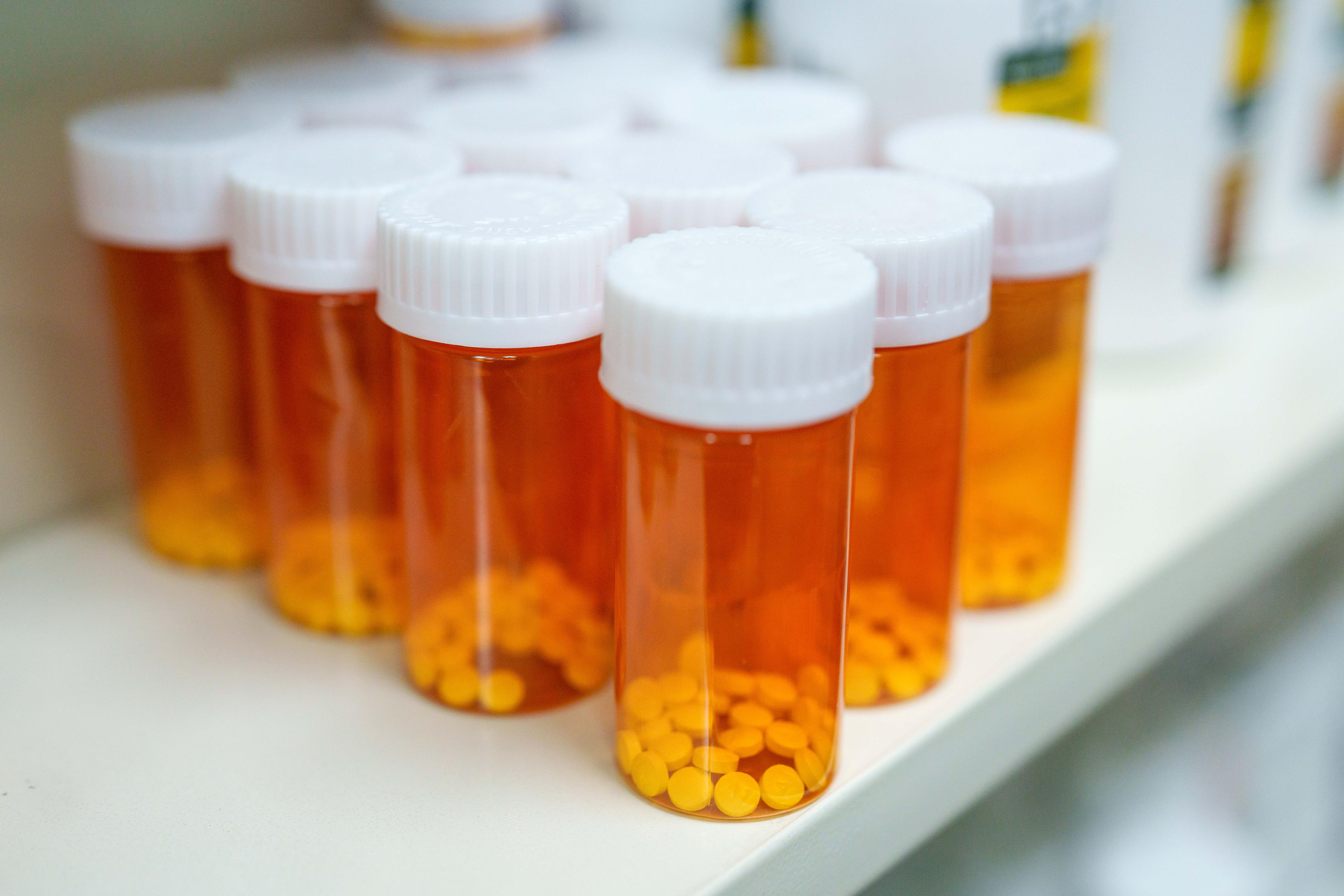
In the meantime, Trump is proposing tariffs on prescription drugs.
“We'll be putting a, initially, small tariff on pharmaceuticals,” Trump said in an interview on CNBC. “But in one year, one and a half years maximum, it’s going to go to 150 percent, and then it’s going to go to 250 percent because we want pharmaceuticals made in our country.”
We asked readers to weigh in on drug prices, tariffs, and the possibility of reshoring the manufacture of prescription medications.
We found that fewer readers hold strong opinions on many of these questions, and a higher than usual proportion expressed neutrality on the matter.
Pharmacy Benefit Managers and Trump’s Price Reduction Plan
The vast majority of respondents agreed that pharmacy benefit managers are keeping drug prices high.Just 7 percent of respondents disagreed.
More than three quarters of respondents, 77 percent, agreed with the plan. Some 45 percent felt strongly positive about it. Just 10 percent were opposed.
Pretty Sure About Tariffs and Price Negotiations
Readers felt mostly positive about tariffs and price negotiations as viable ways to bring costs down.
Exactly three-quarters of respondents favored having federal authority to negotiate prices with pharmaceutical companies, with 54 percent feeling strongly about it.
As for tariffs, most respondents, 59 percent, seemed willing to accept the short-term pain believing it will produce long-term gain in price reduction.
Here, though, the certainty began to waver as 25 percent of respondents were neutral on the matter.
Less Certainty on Other Matters
Readers were neutral in far greater numbers on questions related to some specifics of Trump’s plan and their possible effect.
Opinion was almost evenly split among others, with 32 percent thinking it probably will cause a rise in foreign prices and 30 percent thinking it won’t.
Readers overall were also unsure what to think about whether reshoring drug production would require a huge rebuilding effort given the multiple stages involved and existing global supply chain.
Don’t Know About Research and Production Costs
Opinions were most evenly distributed on questions related to the impact of price reductions on the cost. No option garnered more than 26 percent of responses.Readers were similarly split on the question of whether the government price-setting used in other nations would work here, in a market-based system. Thirty-one percent were neutral with other opinions nearly equal.
As to whether high drug prices are justified by the research and regulatory considerations, the level of investment needed to bolster U.S. pharmaceutical manufacturing, and the value of tax incentives over tariffs for inducing investment in the United States, fewer than 20 percent of respondents had a strong opinion on either side.