MONOWI, Neb.—At 91 years old, Elsie Eiler understands, perhaps better than anyone, how one person can keep a town alive.
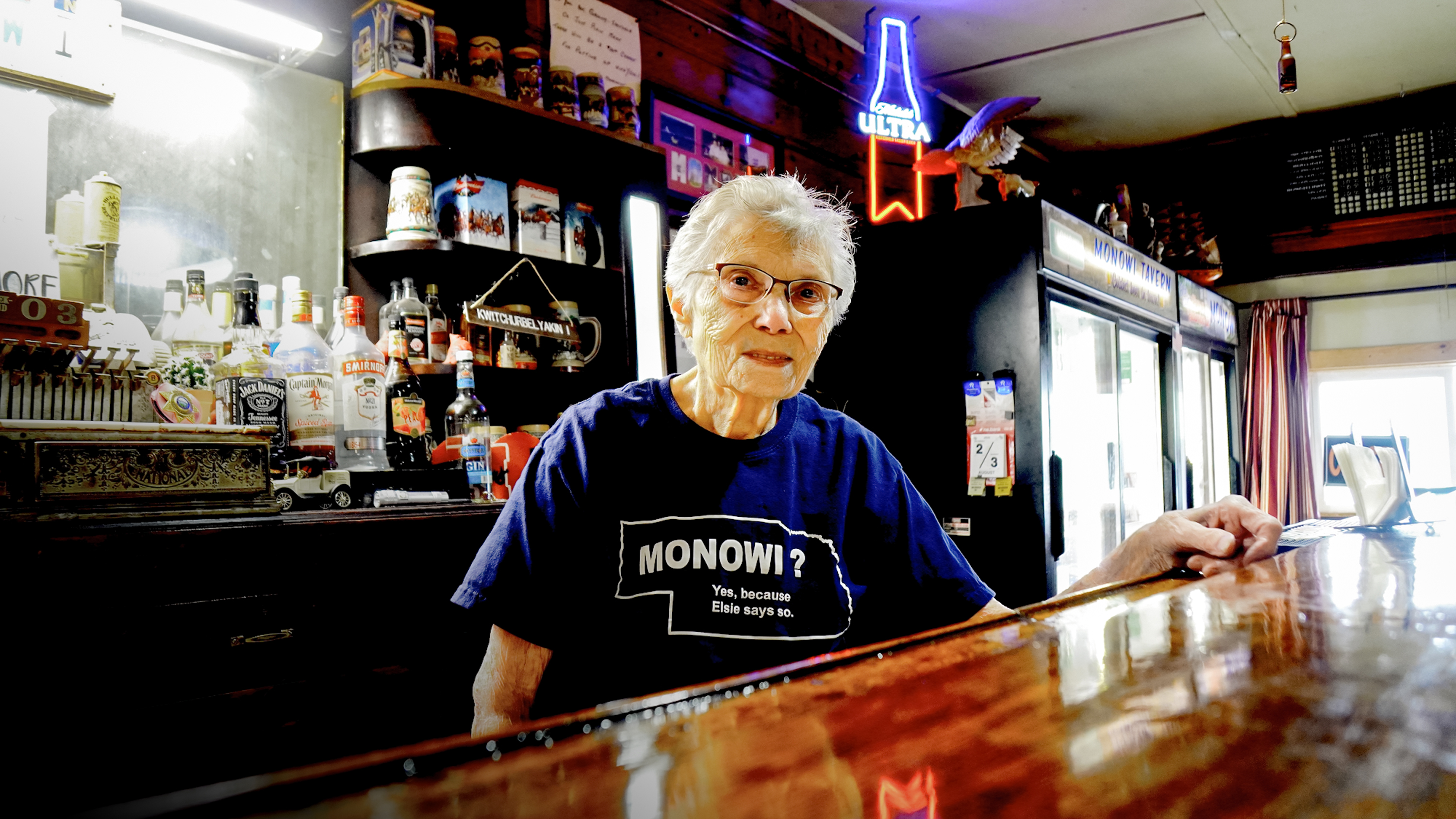
Welcome to Monowi, Nebraska, where Eiler is the mayor, town clerk, librarian, and bartender for the only incorporated town in the United States with just one resident: herself.
Her dark blue T-shirt says it all: “Monowi? Yes, because Elsie says so.”
Eiler is the heart and soul of the town, and it has been that way for 21 years.
Her husband passed away in 2004, and in the years that followed, Eiler became something of an international celebrity, taking pride in her independence and working hard to keep her one-person town going.
She is still adjusting to the attention of people from all over the world who come to visit her at the Monowi Tavern, the only business in town.
Her rise to popularity has earned her roles in TV commercials for brands such as Arby’s and Coca-Cola and has attracted a wave of media attention she never anticipated.
“That’s what gets me, you know,“ Eiler said while sitting at a table and nursing a mug of coffee inside the big tavern where she works six days per week. ”People will come in and say, ‘Oh, we had to come—you’re a regular celebrity.’
“I’ll say, ‘Did you notice who’s cooking your burgers and opening your beer? Is that celebrity stuff?’”
A red sash that says “Mayor” hangs on the far wall. Two visitors from Texas gave it to her as a tribute.
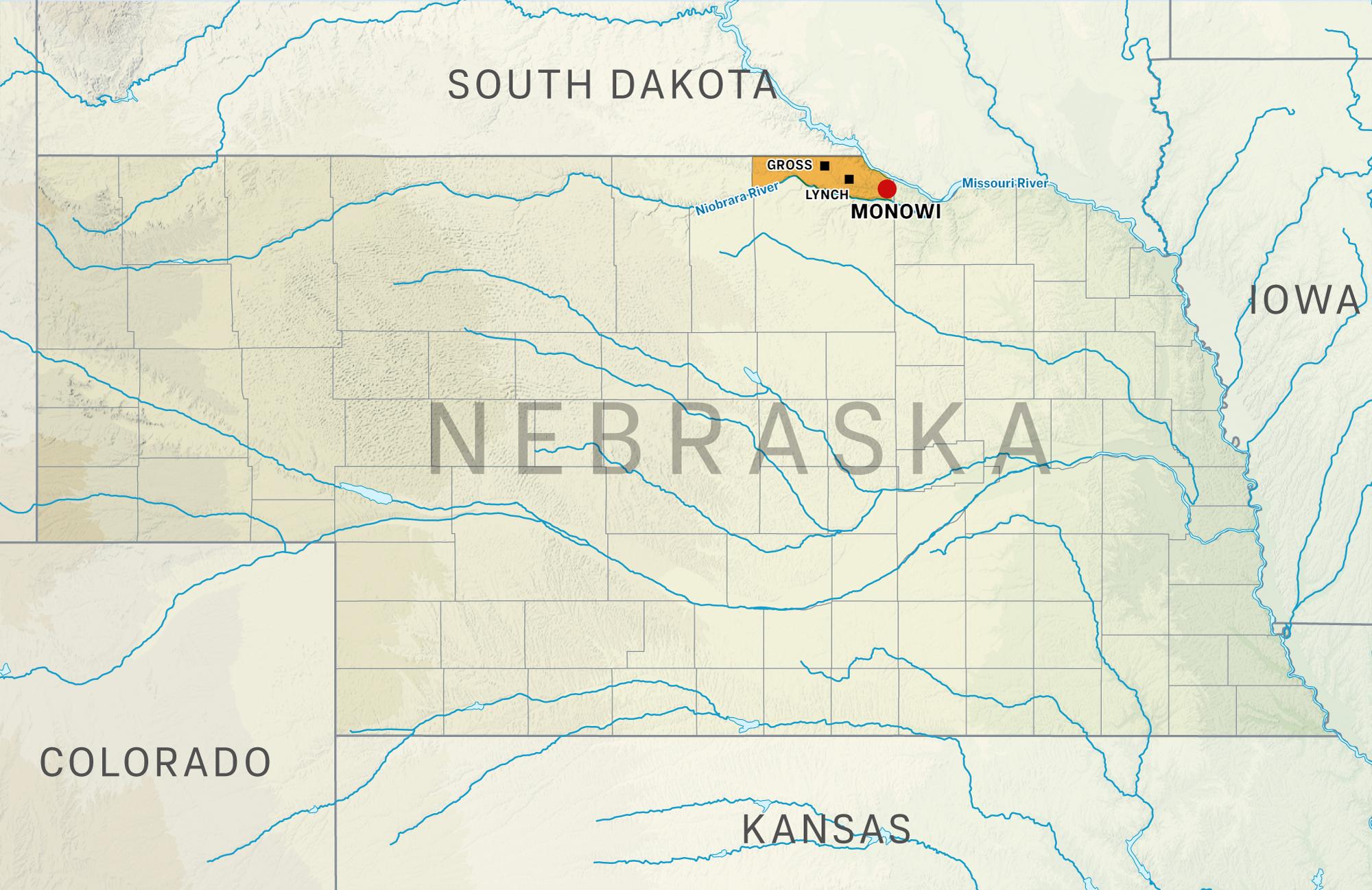
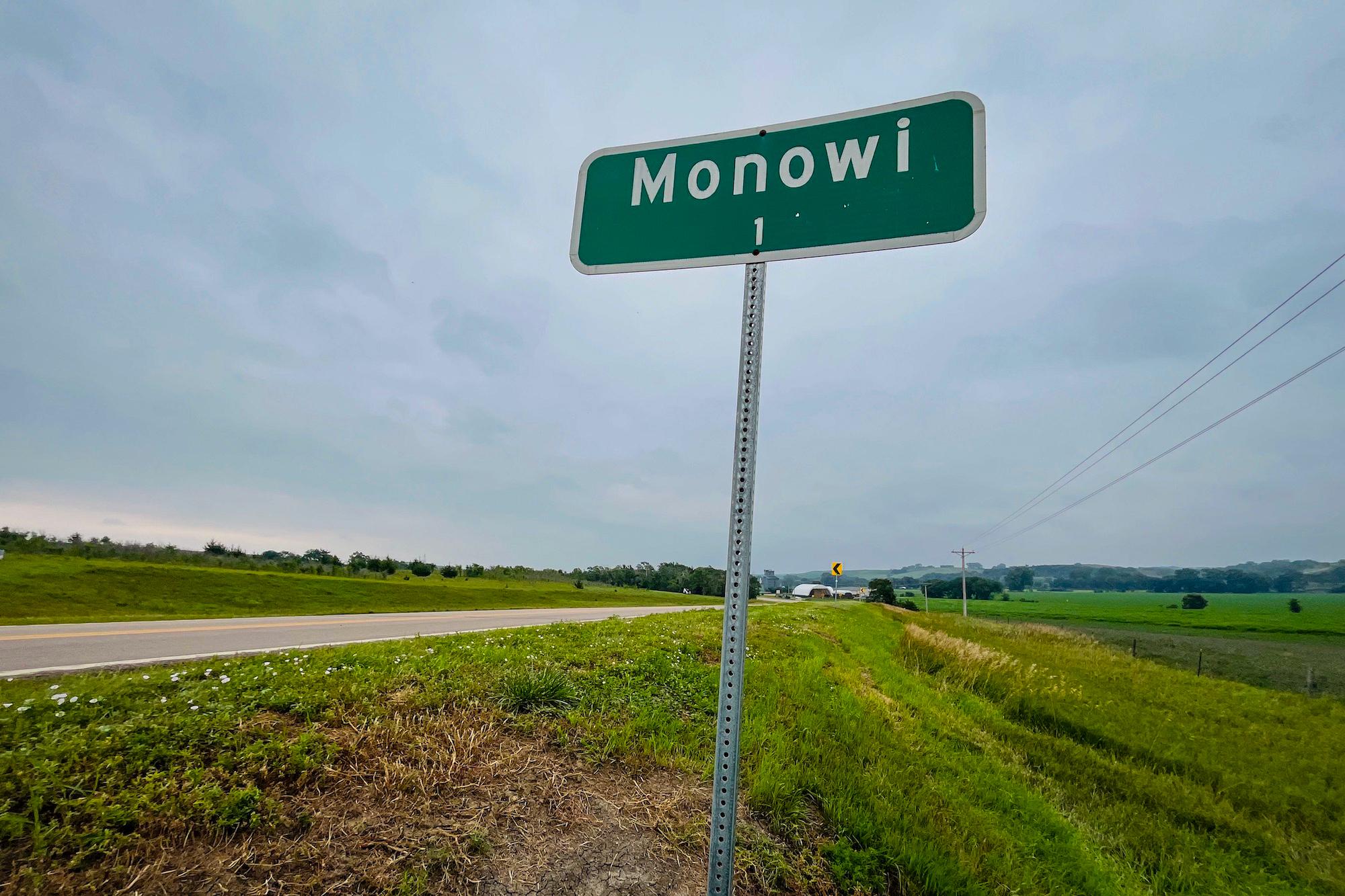
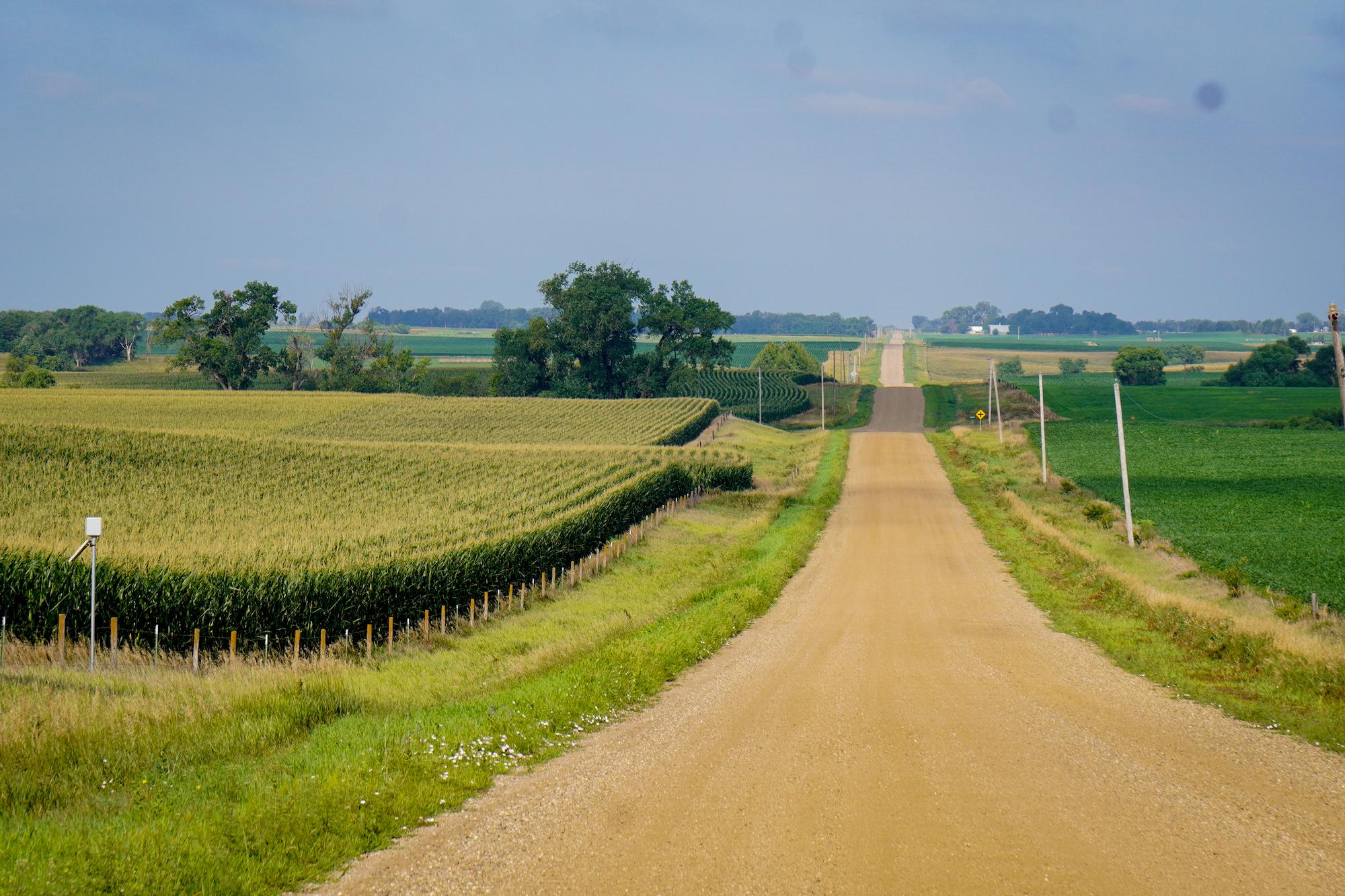
To get to the town, visitors pass wide stretches of lush farmland on U.S. Route 281 and Nebraska Highway 12 before they see the green sign for Monowi (pronounced mo-na-why). The town covers a tiny patch of land in Boyd County, right on the South Dakota border between the Niobrara and Missouri rivers.
The closest town is Lynch, Nebraska, with a population of 194. After that comes Gross, which has just two residents—Mary and Mike Finnegan—and a weekend meeting spot, the Nebrask Inn (a play on Nebraskan).
Boyd County is “a great place to be,” said Ken Heiser, 76, of Lynch. He was Eiler’s first tavern visitor of the day.
“Everybody knows everybody,“ he said. ”I farm out here, a couple of miles away.”
Monowi stands out because Eiler is the only person keeping the town of 0.2 square miles going, Heiser said.
The town includes the tavern, the library, Eiler’s house, and two other buildings that are in poor condition.
Living in Monowi means enjoying peaceful days and greeting the occasional traveler who stops by.
At times, lines of visitors stream in, eager to catch a glimpse of Eiler while savoring a cold beer and a juicy hamburger.
Eiler has observed that towns experience their own periods of change and development, much like how Nebraska’s fields of sweet corn, wheat, hay, and soybeans grow over time and fade away after the autumn harvest.
She said agriculture is the main industry in Boyd County. Other than that, there are just a few small businesses, such as her tavern.
“It’s pretty difficult to make a living on a farm anymore,” Eiler said. “There’s a misconception around the nation. They think the farmers are all rich.”
Monowi was founded in 1902 by the Pioneer Townsite Co. along the Fremont, Elkhorn and Missouri Valley Railroad. For many years, it thrived as an agricultural town and even had a post office until the late 1960s.
At Monowi’s peak during the 1930s and the Great Depression, more than 120 people lived in the town.


Later, the Chicago and North Western Railroad took over the railway, but service to Monowi ended in 1978 when only 20 residents remained in the town.
“Everybody either died or moved away,” Eiler told The Epoch Times, noting that they were seeking opportunity in the cities and elsewhere.
“It was different when there [were] 20 people here. I’m still me, and I’m still doing what I want to do.”
Monowi is a good example of a rural town that shows the spirit of the early pioneers, according to Eiler. It is resilient, self-sufficient, and always willing to help or accept help when times get tough.
“In this area, you’re more or less one big family for 50 miles around,“ she said. ”Everybody kind of looks after everybody else and helps.”
Eiler has seen her community come together for her small town many times, whether during celebrations, losses, or the difficult days of the COVID-19 pandemic.
She has welcomed many travelers who have wanted to see what life is like in a town of just one person.
“Europe knows more about me than I do,” Eiler said, grinning. “I’ve had someone from every state in the Union, and I’ve got 10 books full of visitors from every state. I’m not sure of the exact count, but between 80 and 90 foreign countries have been here.”
Other towns with fewer than 20 inhabitants are Ruso, North Dakota (5); Lotsee, Oklahoma (6); Brewster, Nebraska (12); New Amsterdam, Indiana (12); Bonanza, Colorado (17); Oak Hill, Alabama (14); Beaconsfield, Iowa (15); Weeki Wachee, Florida (16); Ismay, Montana (17); and Marvin, South Dakota (19).
“No worries for Monowi—they still hold the top spot” for the smallest incorporated town in the United States, according to Carrie Kipfer, administrator for Lincoln County, Maine.
Although just one person lives in Hibberts Gore in Lincoln County, Maine, it is an unincorporated area and has no municipal structure, she said.
“As far as I know, one resident still lives there,” Kipfer told The Epoch Times.



Born on Oct. 11, 1934, Eiler has lived in Monowi for almost her entire life. She moved there as a toddler, when the town was very different.
She and her late husband, Rudy Eiler, raised their daughter in the town. Their daughter now lives in Tucson, Arizona.
Eiler has three granddaughters, one grandson, two great-grandsons, and two great-granddaughters. She has witnessed generations come and go, but her love for the town is rooted in her husband.
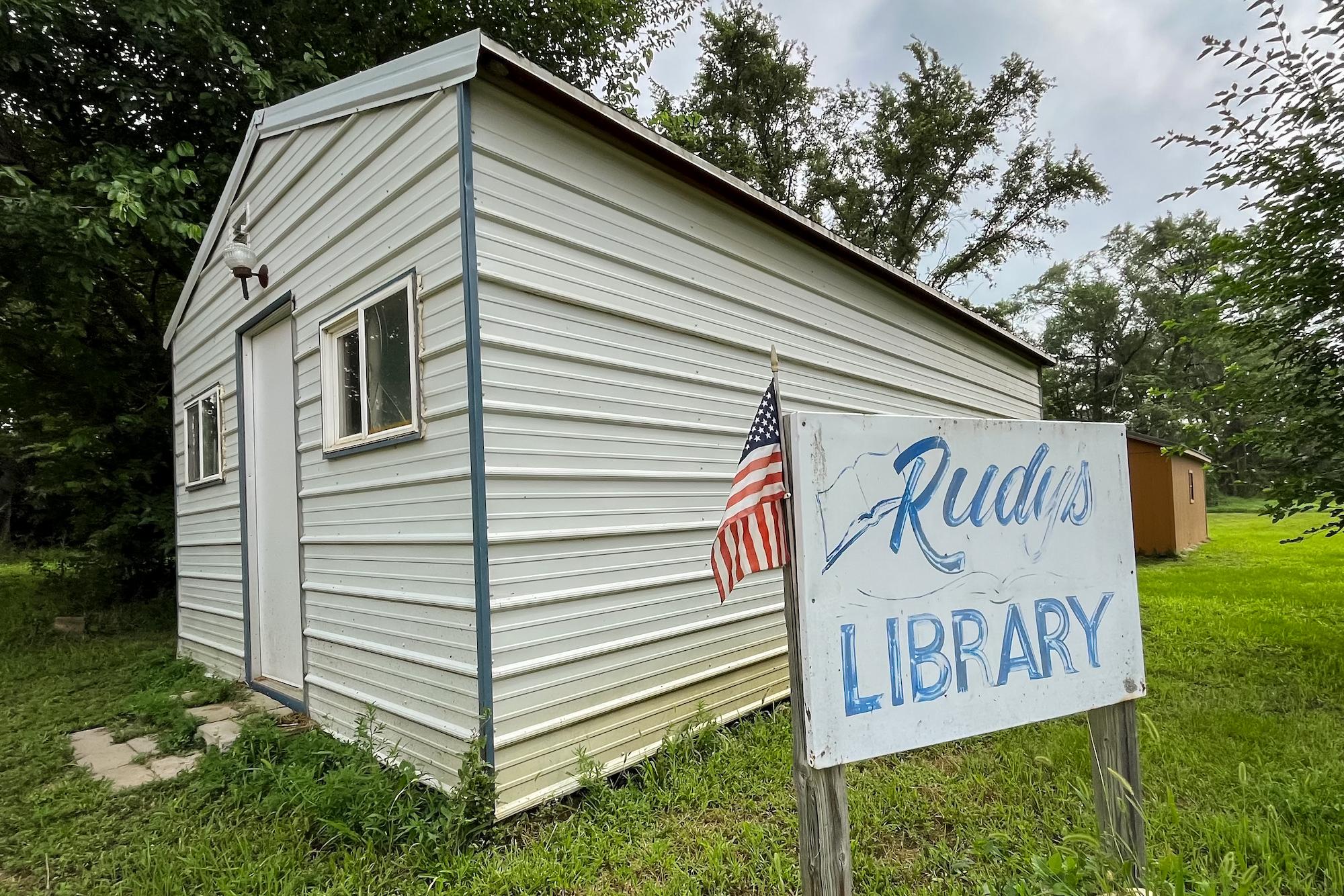
She remembers how much her husband loved Wild West novels, especially those by Louis L’Amour. Over the years, he collected 5,000 volumes and built Rudy’s Library next to the tavern to keep them all.
On Jan. 18, 2004, Rudy passed away from cancer at age 71; the library opened soon after.
People still come by to borrow books from time to time. They do not need a library card, and late fees do not exist, Eiler said. The whole place runs on the honor system.
Eiler was appointed mayor of the town by default.
“When I vote, I go and vote with everybody else,“ she said. ”But my name is nowhere on a ballot anywhere.”
She still works as the town clerk, handling tax returns and the necessary paperwork to secure state and federal funding for the town’s roads. Monowi has none of the big building projects, municipal budgets, or the usual regulations and bureaucratic hassles that might be found in bigger towns.
Monowi might also be one of the safest places in the country, according to Eiler. There is no crime at all. The county sheriff handles any issues, so a local police force is not needed.
As her T-shirt states, Monowi is a bona fide town as long as Eiler is willing to make it so and stay there, Boyd County Clerk Tracy Reiser said.
“When you’re incorporated, you’re essentially a town,” Reiser told The Epoch Times.
“We have had a couple of people call throughout the years, wanting to know how to move to Monowi. They’re thinking it’s an empty town with all these houses available for people to move into.”
Reiser said any available land belongs to outside interests. Even so, there does not seem to be an immediate push for people to move into the town.
She said it is unclear what will happen to the town if Eiler moves or passes away, as this situation has never arisen before.
“There’s too many miles in between [towns] to annex Monowi,” Reiser said. “I think to annex it, you'd have to be right next to it.”
Eiler still enjoys good health. She has considered moving closer to her daughter, although she said her neighbors get emotional whenever she mentions leaving.
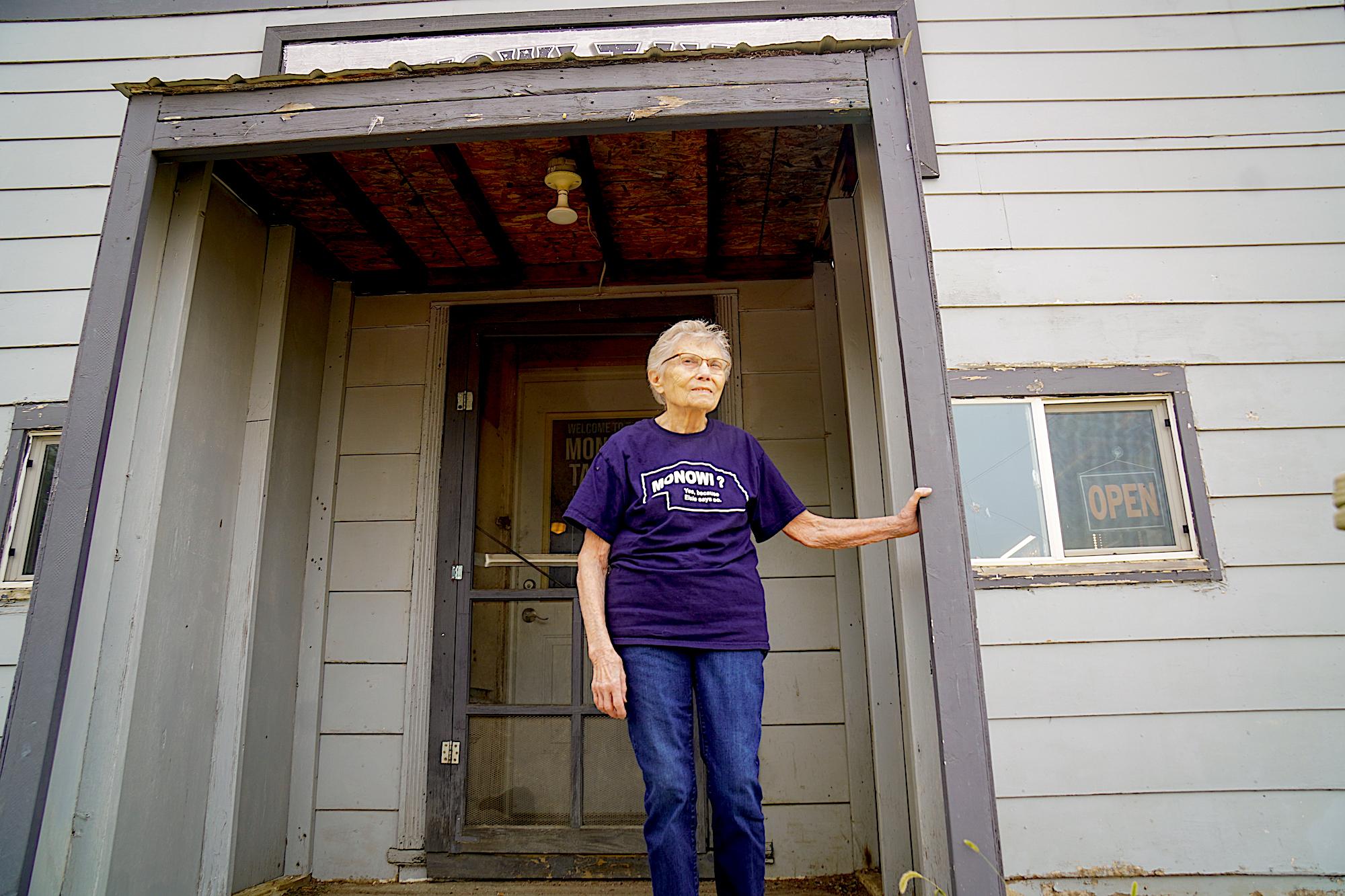
“What holds me is that I have a good business even without all these strangers [passing through the town],“ Eiler said. ”It’s a good business, especially in the evenings, and then through the daytime.
“A lot of the young farmers come for lunch. They rely on me to have what they need—quick sandwiches, or stuff to take home for the kids for supper.”
Eiler does not want to move, but she knows that she might have to someday.
For the time being, she would not trade her freedom, solitude, and independence for anything.
She is, in every way that matters, the last woman standing in a town of one, living her life on her own terms.
“That’s what people can’t understand,” Eiler said. “I stay here because I want to stay here. This is where I want to be.”