Ukraine’s stunning drone attack against Russian nuclear bombers has underscored the United States’ own vulnerability to drone attacks.
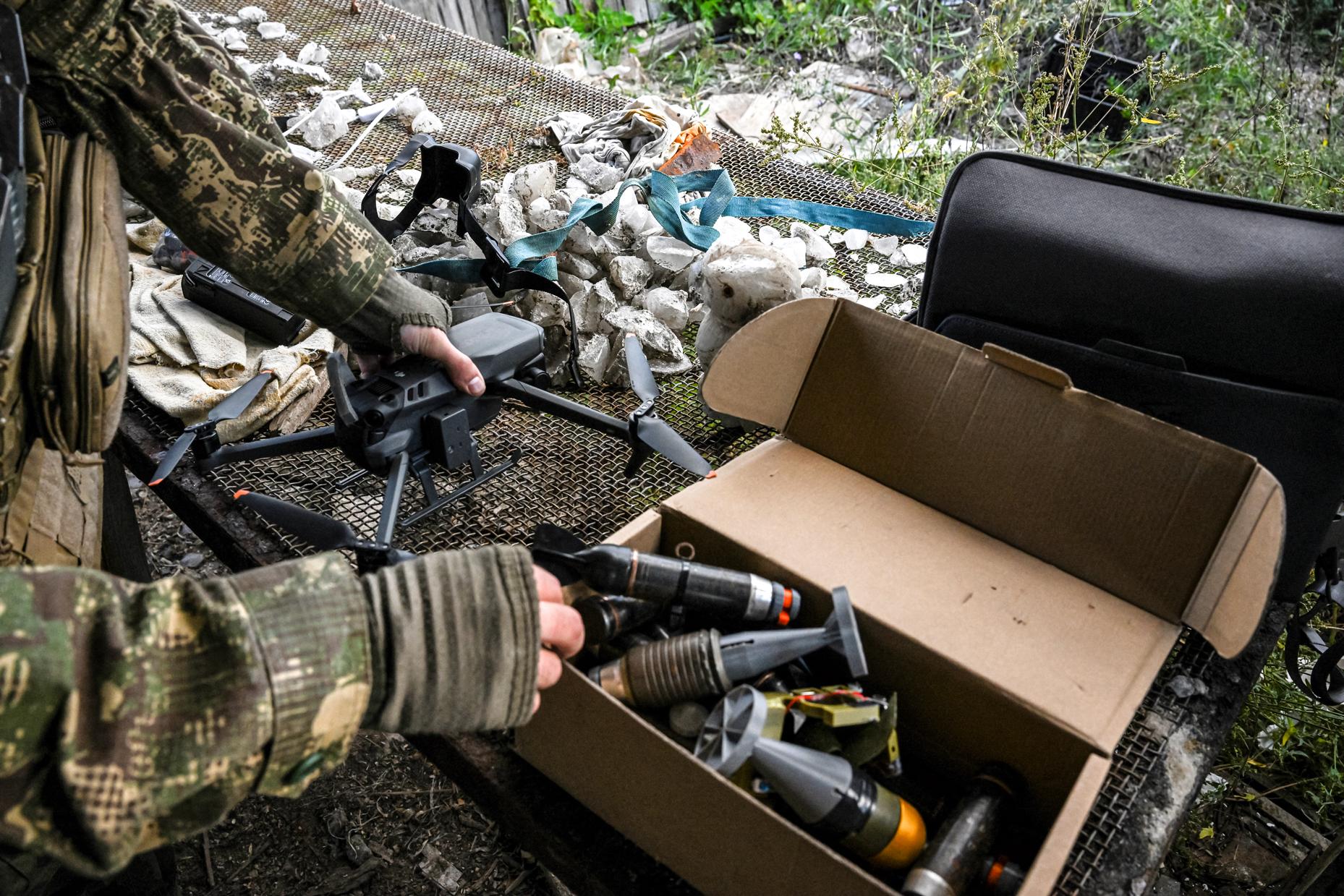
On June 1, Ukraine carried out Spiderweb, an audacious attack on air bases deep inside Russian territory. The operation concealed drones in wooden sheds loaded onto trucks that were delivered by unsuspecting drivers to the perimeter of the bases. The roof panels of the sheds were then remotely lifted off, allowing the drones to fly out and begin their attack.
Far away from that conflict, thousands of drones breach U.S. borders every month, while others fly over sensitive sites within the country.
Mexican cartels are known to carry out many of the border incursions, while foreign adversaries are behind a smaller, but far more worrisome number of the incursions over sensitive military sites and critical infrastructure.
Goods shipped into ports could pose a security risk, as well, said Michael Lucci, founder of the security agency State Armor.
“China is putting thousands of containers into our ports and then into our country every day. I mean, the vulnerability there is almost incomprehensible,” he said.
An executive order signed by President Donald Trump on June 6 addresses the growing threat of “criminal terrorists and foreign misuse of drones in U.S. airspace,” Michael Kratsios, director of the White House Office of Science and Technology Policy, said during a press briefing.
“Anyone can go online right now and just look at footage from ... Ukraine,” Gorka said. He added that the timing of the order couldn’t be better “given what we witnessed with the remarkable drone operation that occurred just a few days ago in Russia.”
Homeland Drone Threat
In December 2024, the FAA announced a temporary ban on drone flights over 22 critical infrastructure locations in New Jersey in response to a flurry of unexplained sightings, prompting lawmakers to demand answers.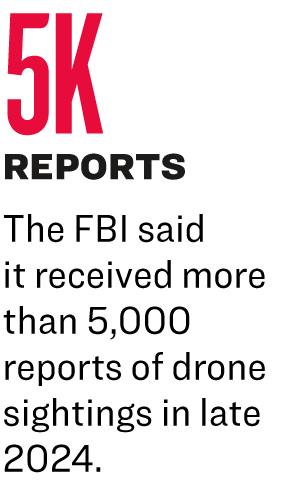
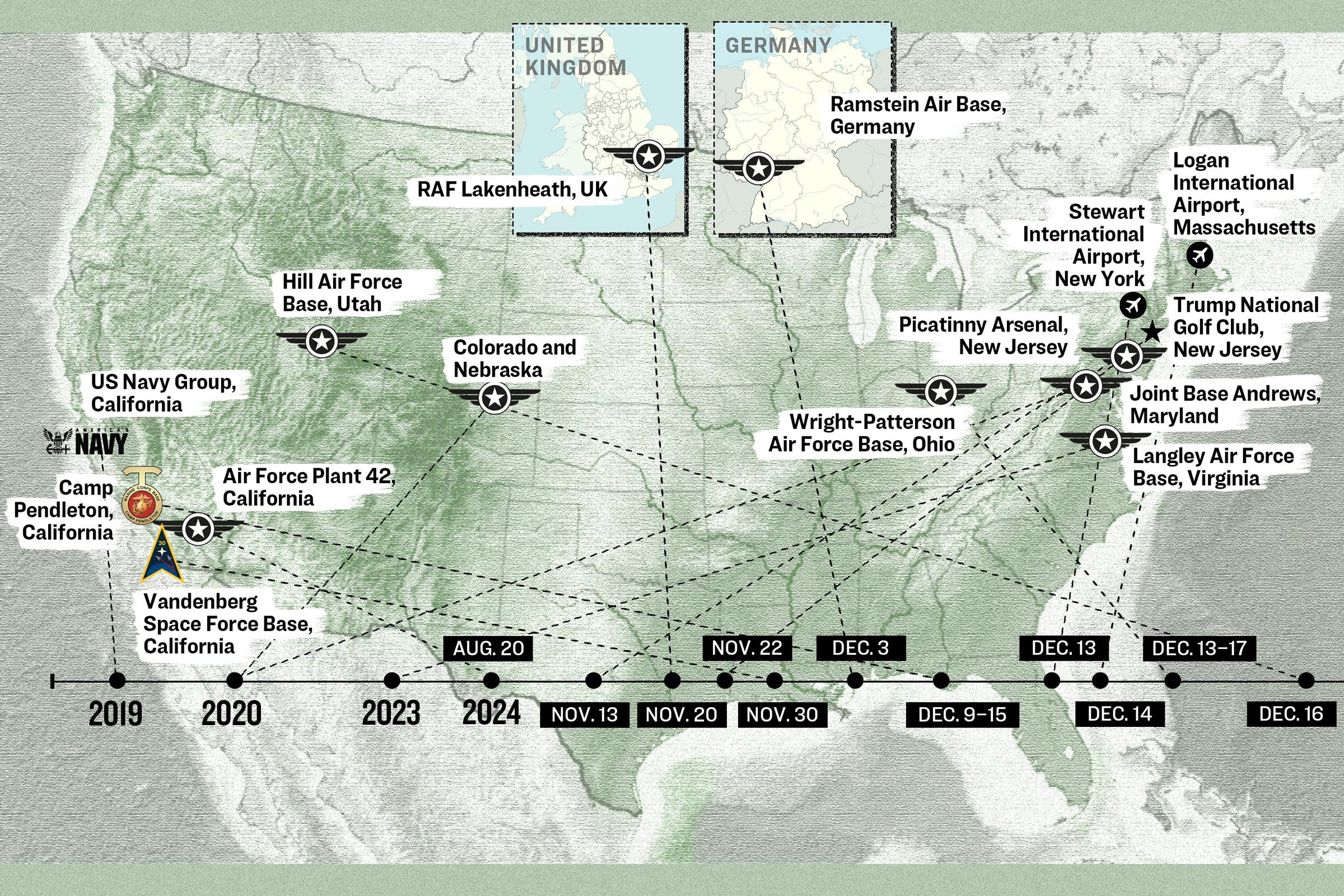
The ban followed drone sightings in or near the airspace of airports and military facilities in late 2024 in California, Maryland, Massachusetts, New Jersey, New York, Ohio, Pennsylvania, Utah, and Virginia.
Yet concerns over national security persisted, leading to hearings in both the House and Senate this spring.
Robert Newcomb, a Utah-based weapons engineer and defense contractor who works with drones, said drone incursions demonstrate glaring vulnerabilities in national security.
Yet a small drone worth a few hundred dollars could damage an F-35 costing between $80 million and $100 million.
An attack such as Ukraine’s Spiderweb operation against Russia was proven difficult to defend against.
Lucci said that the sheer number of incursions in the United States, and the technology used in some instances, indicate they are coming from adversaries such as China.
Lucci, whose organization helps states assess global security threats, said the number of drones crossing U.S. borders, and their capabilities, should put the United States on “high alert.”
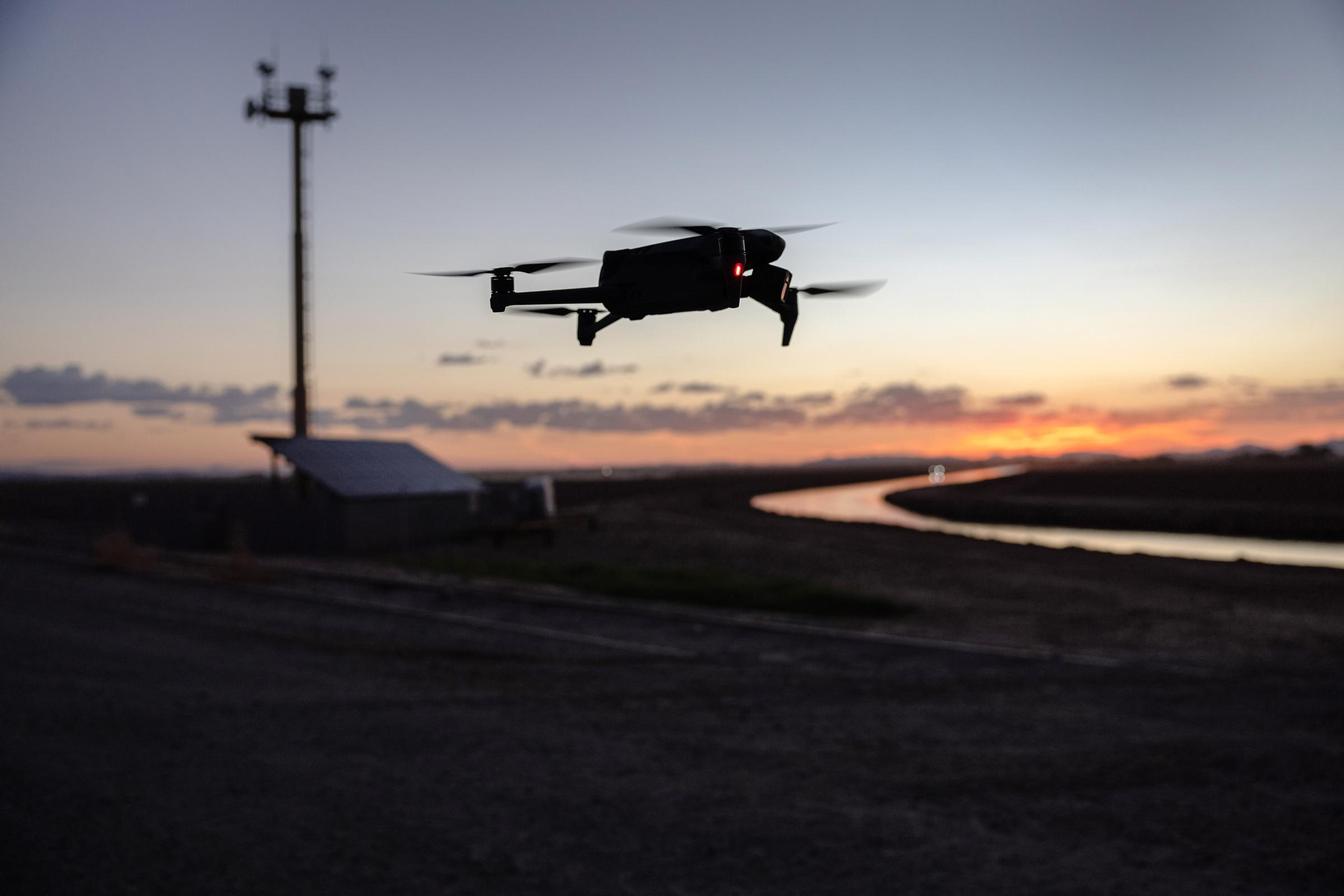
“We should very much be changing our approach to domestic resilience and security issues,” Lucci said.
If asymmetrical warfare can surprise Russia, then it could surprise the United States, he said.
While drone breaches have focused attention on land, attacks could come from sea ports just as easily. Drone sightings in New Jersey included some along the coastline.
In 2024, Chinese student Fengyun Shi flew a drone over the Newport News Shipbuilding facility. The Virginia naval shipyard builds nuclear submarines and next-generation Gerald R. Ford-class aircraft carriers.
Border Drone Incursions
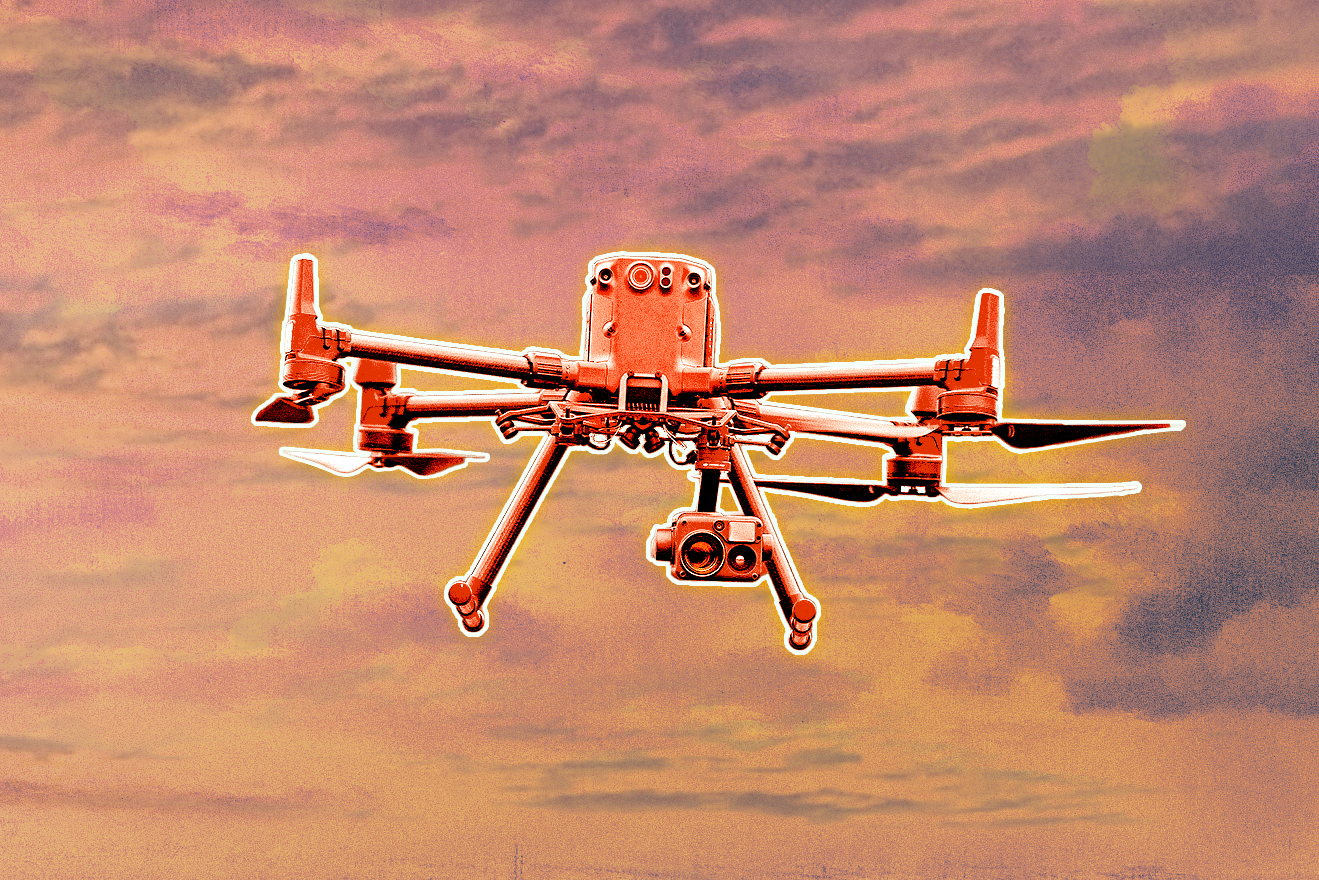
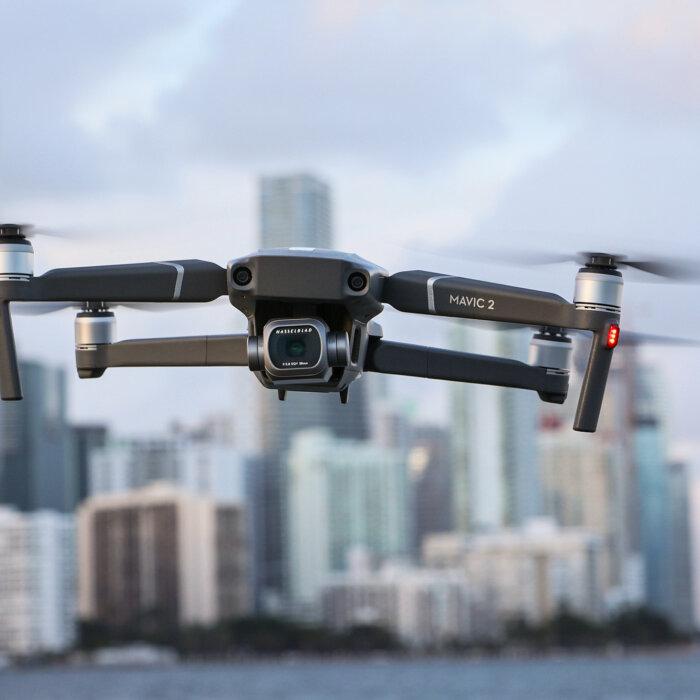
In the early morning hours of Sept. 21, 2022, Border Patrol agents identified a Chinese-made DJI M300 drone flying across the U.S.–Canada border from an upscale home in Youngstown, New York.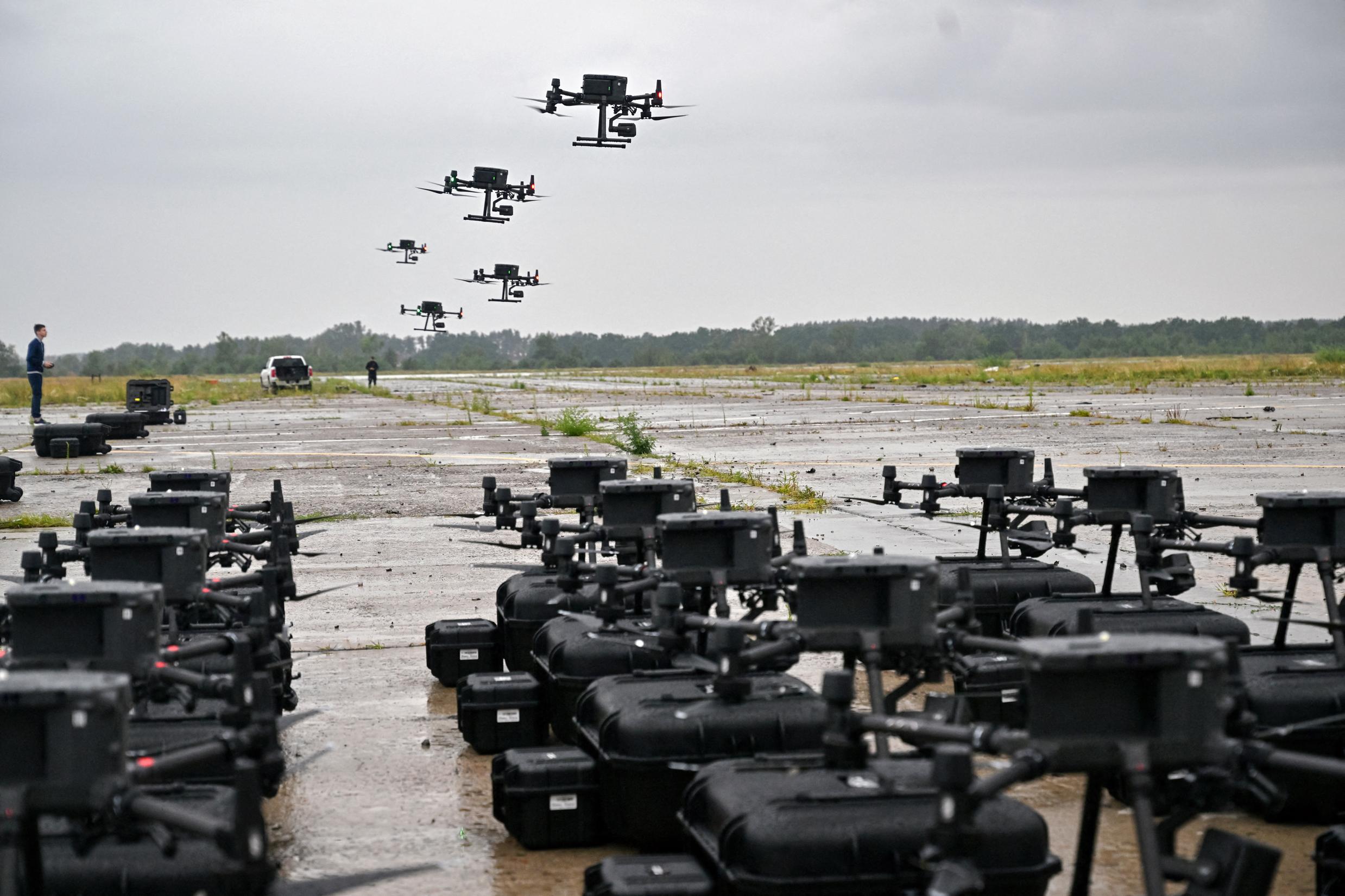

They arrested the pilot, and the remainder of the suspects fled into the neighborhood. Agents later took two others into custody.
The drone package was found to contain about 6.5 pounds of the drug MDMA, commonly known as ecstasy, investigators said.
It was one example of what experts say are thousands of drone border incursions per month into the United States, many believed to be the work of cartels and transnational crime organizations.
The Department of Homeland Security Investigations affidavit detailed a task force operation “combatting transnational criminal organizations exploiting vulnerabilities of the shared international border between the United States and Canada.”
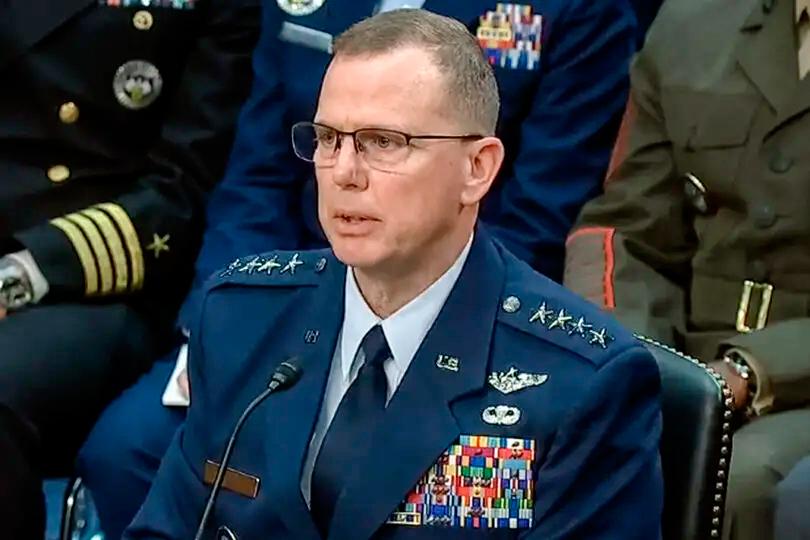
“I don’t know the actual number—I don’t think anybody does—but it’s in the thousands,” Guillot said.
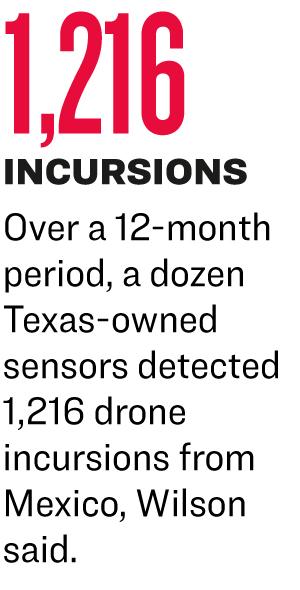
Over a 12-month period ending in April, a dozen Texas-owned sensors identified 1,216 unmanned aircraft systems (UAS) border incursions from Mexico, he said. But those sensors only cover 180 miles of the state’s 1,254 miles of border with Mexico.
“We know this is a fraction of the actual number of incidents,” Wilson said.
He asked lawmakers to authorize states to counter transnational crime using UAS, or drones, and provide more funds to detect and stop them.
Wilson said drones are increasingly being used by criminals to deliver drugs and facilitate human trafficking, and called them a “significant, evolving threat” along the border.
“Alarmingly, nearly half of these UAS incursions occurred at altitudes ranging between 600 to 1,800 feet above ground level—the typical altitude range for helicopter operations,” he said.
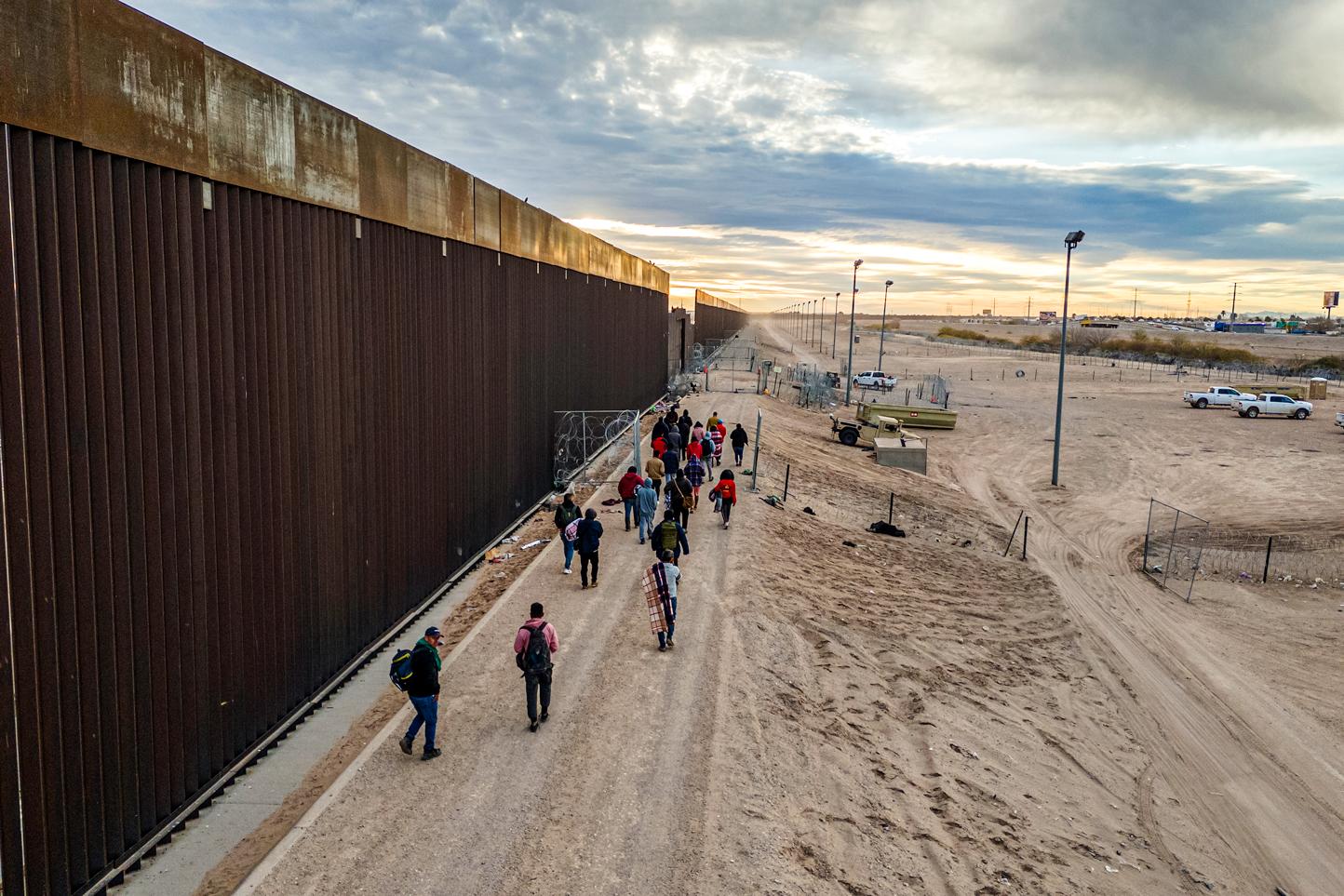
Illegal drone usages in Texas range from delivering drugs and contraband into Texas prisons to the spraying of substances in remote areas, he said.
In May, Border Patrol agents in Texas’s Big Bend Sector, a vast desert area, reported two drones hovering above them.
“The agents stated that they observed the drones spray a mist or fog which gave the drones a strange fuzzy appearance,” Wilson said, adding the agents didn’t feel threatened by the spray itself because of the distance between them.
After a few minutes, the drones turned off their lights and flew north, away from the agents and the U.S.–Mexico border.
Trump has made securing the border a hallmark of his second term, along with using tariffs to pressure China, Mexico, and Canada into doing more to stop drug trafficking.
The report included hazardous air traffic incidents of drones operating in military air combat training ranges in Arizona, reaching altitudes of up to 36,000 feet, with multiple drones spotted flying together.
One drone hit an F-16 Viper, damaging its canopy. Another drone was reported flying at a speed of Mach 0.75 (575 mph).
Lucci said one explanation for the sightings of sophisticated drones is that China is using its drone technology to help Mexican cartels in their criminal operations.

Lucci said technology to counter incursions could be a game-changer along the border.
Bill Edwards, a retired U.S. Army colonel and owner of Phoenix 6 Consulting, a drone security training company, said drone technology is progressing exponentially, especially when paired with artificial intelligence (AI).
He said the problem is that current laws governing drones, such as when they can be legally stopped or disabled, are outdated
“We have to be given the authority, legally, to mitigate those types of drones that we detect and determine as a threat,” he told The Epoch Times.
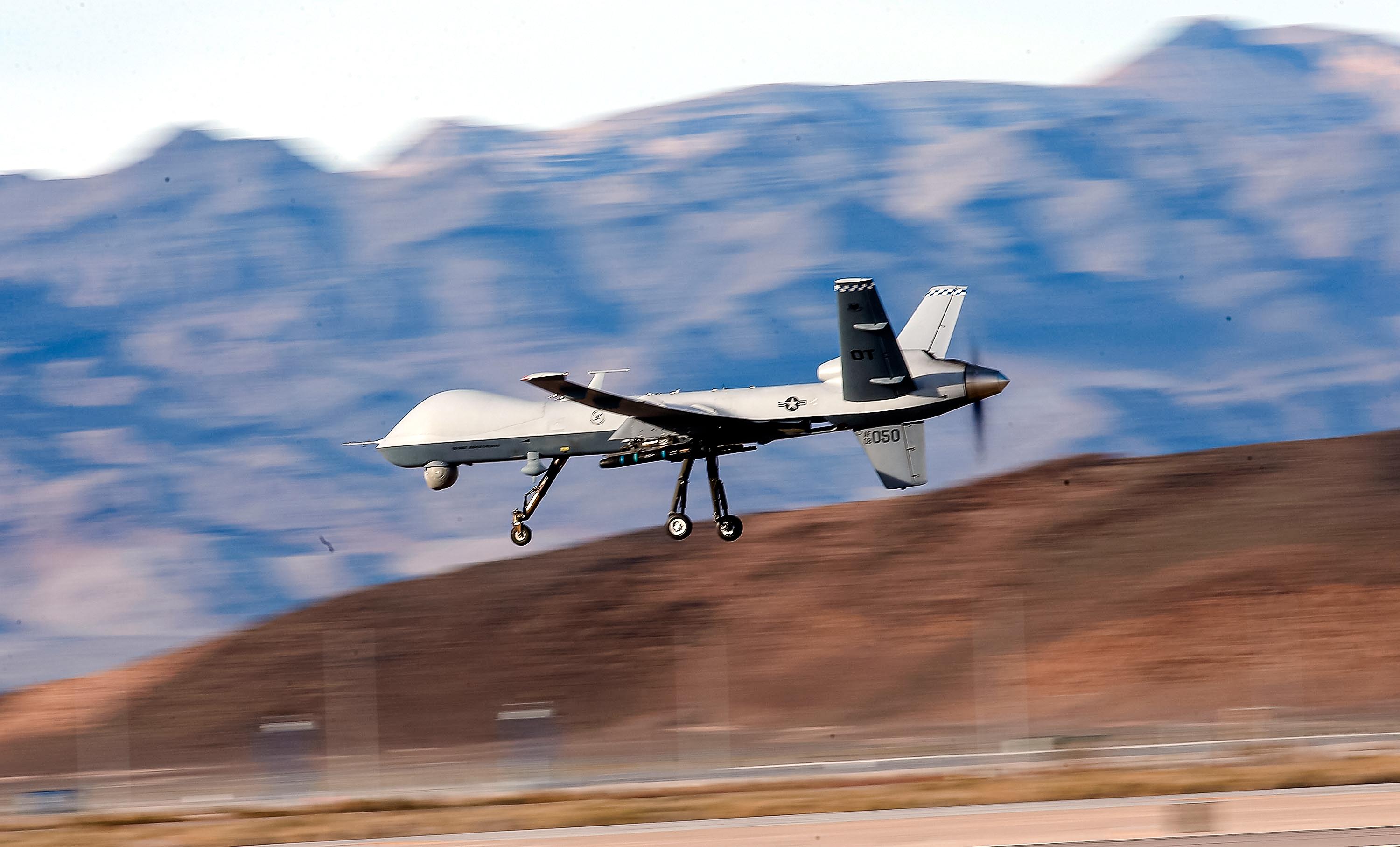
Drones can be stopped in several ways—lasers, microwaves, projectiles, disrupting their GPS guidance systems, or taking command of the signal, Edwards said.
The FAA considers drones to be aircraft, meaning it’s illegal to shoot them down in most cases.
But it doesn’t address state and local authorities who are trying to deal with drone breaches.
States are trying to pass laws to help law enforcement deal with drones operated by criminal enterprises, but how those laws will interact with the federal ones remains to be worked out.
The new law grants law enforcement immunity from liability for damaging or shooting down drones suspected of supporting criminal activity within 15 miles of the Arizona–Mexico border.
Lucci said there are companies developing responses to asymmetrical warfare, such as California-based Epirus, capable of knocking hundreds of drones out of the sky using energy pulses and AI.
“So we are coming up with tools to counter drone warfare, which is essential,” he said. “China has hundreds if not thousands of technological vectors into the United States that will allow them to sabotage us, and we really just seem to be behind the eight ball on that.”
Rep. Jimmy Patronis (R-Fla.), who sits on the House Transportation and Infrastructure Committee, said the laws on shooting down or disabling drones need to be reexamined, especially when dealing with those flying over U.S. borders.
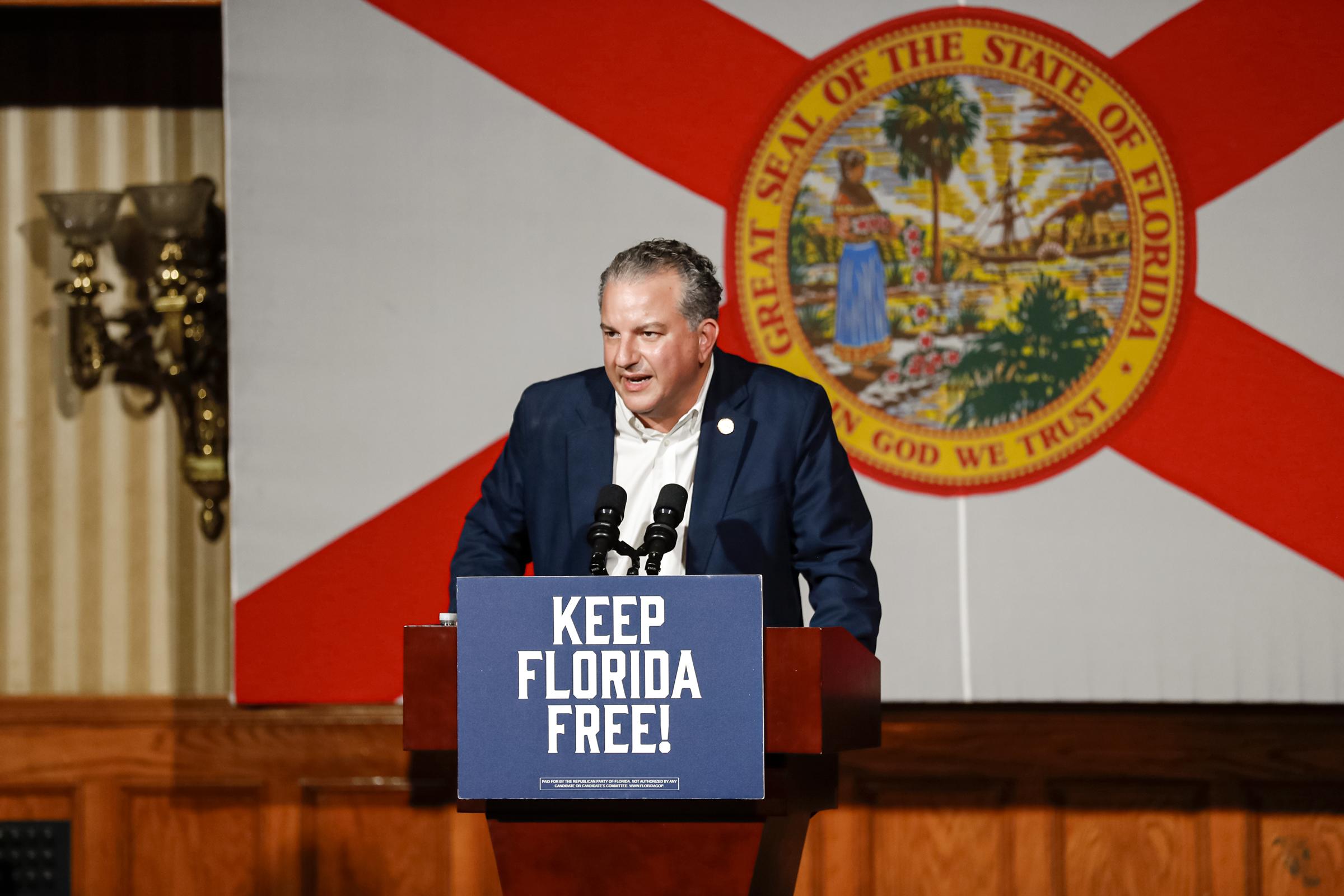
“The border is all about human trafficking, drugs, money, and guns,” he told The Epoch Times.
Patronis said he believes that drone incursions, whether crossing the U.S. border or those flying off the coast of New Jersey, need to be taken seriously.
“We’re going to have to take a more hands-on approach to drone warfare,” he said. “These are real. We have to deal with unmanned vehicles.”