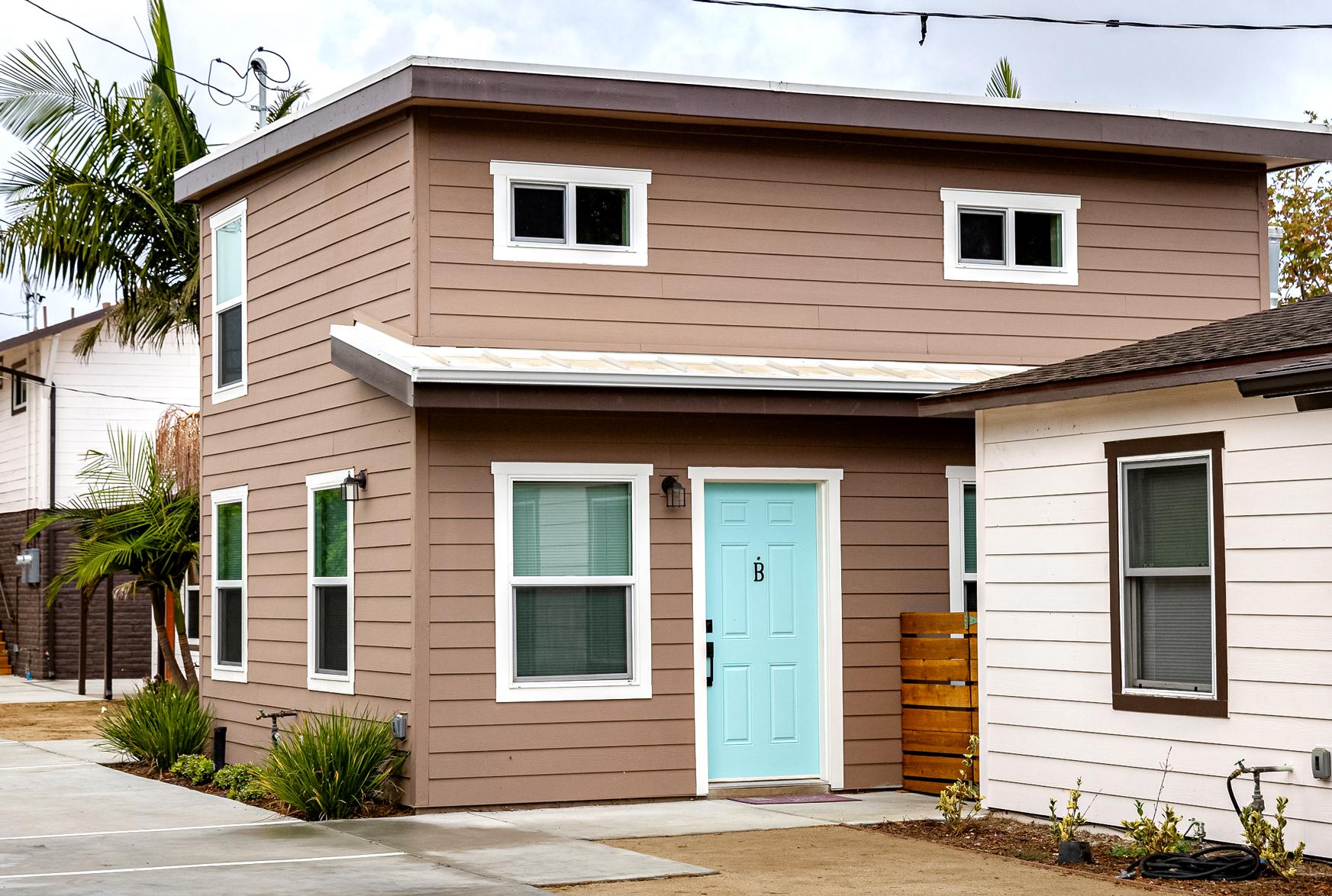
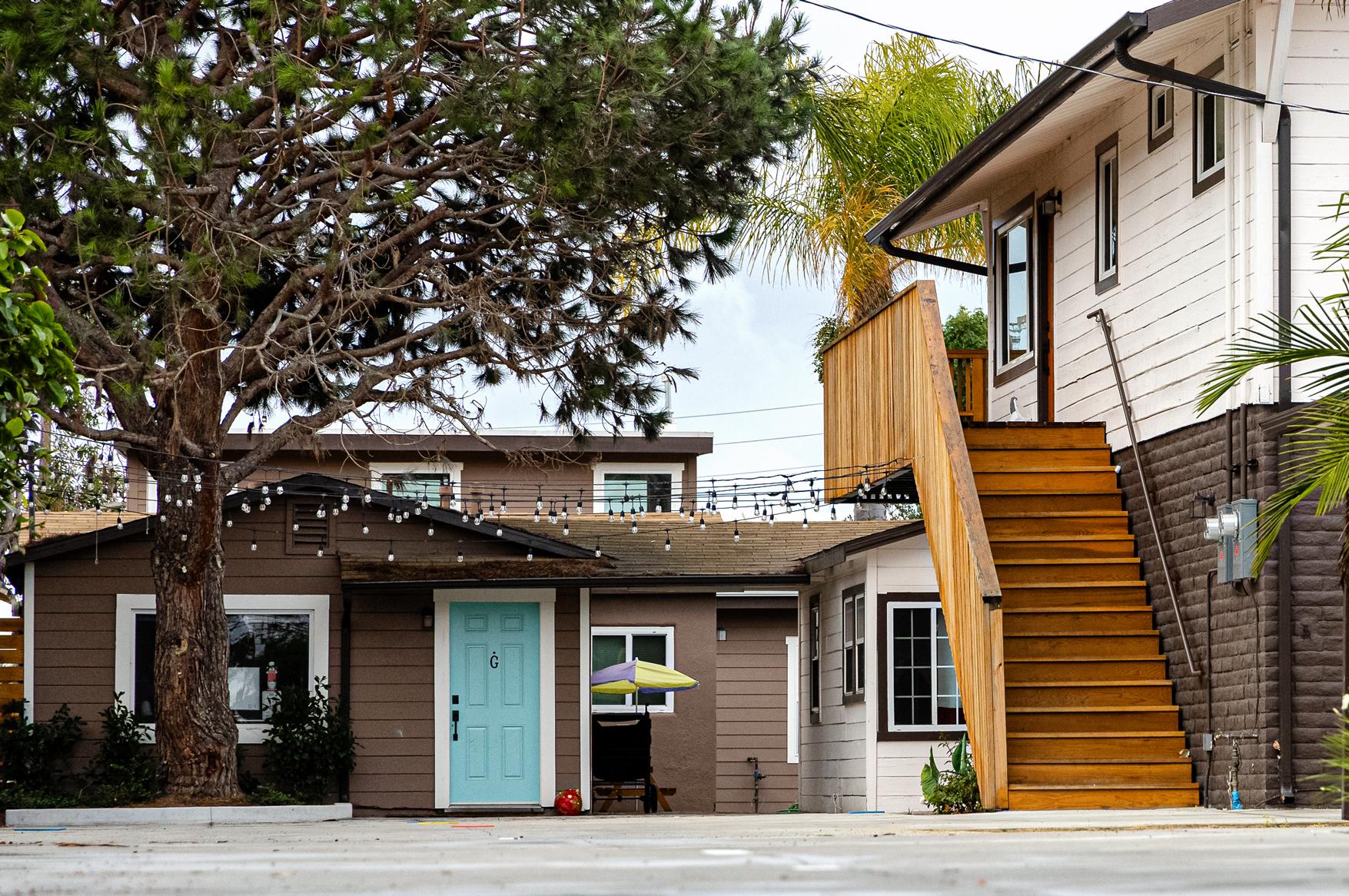
LOS ANGELES—For Sam Andreano, rental income from a detached accessory dwelling unit (ADU) in his backyard initially helped offset mortgage payments, and later, it provided a place for his son to live.
“[I] started out as just a regular homeowner,” said Andreano, a resident of Dana Point, in Orange County, who began converting his detached garage into an ADU in 2019.
Researching and permitting took a few months, and the total build time was about eight months. He financed it with cash and a refinance. The entire investment, including all labor, materials, and city and associated fees, came to $165,000, and he rented the one-bedroom unit for $2,500 a month.
Now he’s working on a two-story ADU project that he intends to sell as a fourplex.
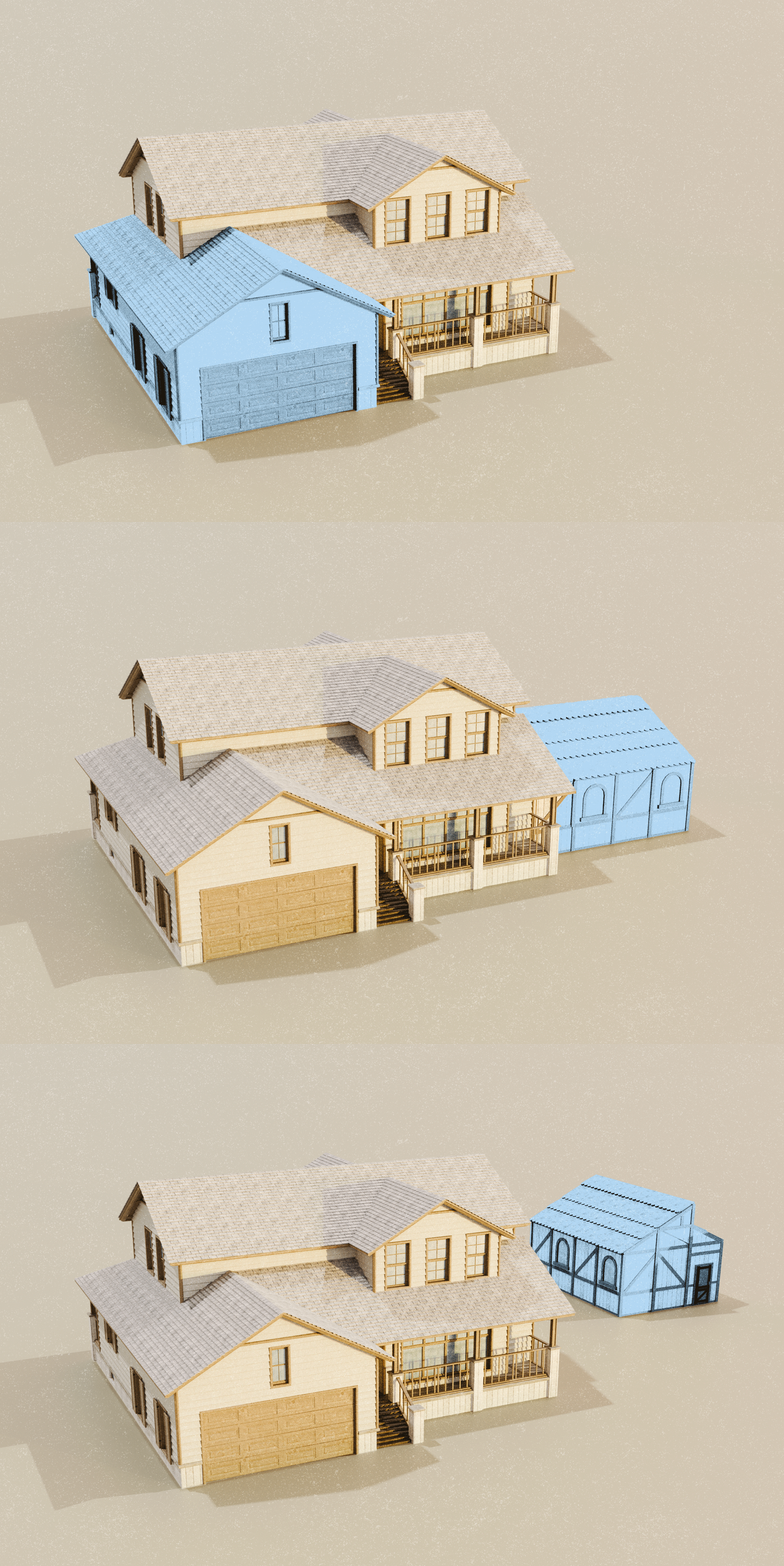
A descendant of the post-War “granny flats” or “dowager cottages” intended to house aging relatives, contemporary ADUs are usually predestined for the rental market. Most are modest studios or one-bedroom units that can be built at a fraction of the cost of a traditional home but still command market-rate rents.
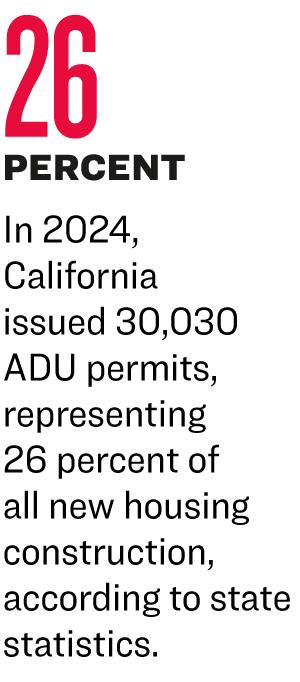
While the rate of increase has fluctuated, data over the past decade show a consistent year-over-year climb. After plateauing in 2019 and 2020 at fewer than 13,000 units, the number jumped to more than 20,000 in 2021, a more than 60 percent increase.
This is largely because of a series of liberalizing state laws that have, over the past eight years, made it much easier for property owners to get projects approved in residential areas originally zoned for single-family homes.
To proponents, the boom is a bulwark against a worsening affordable housing crisis, even a corrective measure to decades of exclusionary zoning.
To critics, it overburdens infrastructure, threatens property values, degrades aesthetics, and represents an unprecedented loss of community control over residents’ quality of life.
ADUs Versus Traditional Housing
ADU construction has grown consistently because it is not tied to state subsidies the way larger developments are, according to Celeste Goyer, vice president of research and operations for the nonprofit Casita Coalition, which advocates for affordable housing in California.“Even in times when the state budget is tight and the subsidies may be reduced, ADU production keeps ticking on,“ she said. ”They kept growing during the pandemic, even when construction costs were high and interest rates were high, because ADUs use the existing land—they allow you to work with what you’ve got.”
Advocates of ADU liberalization say the dwellings are part of a broader strategy to confront the state’s affordable housing crisis, which is exacerbated by high construction costs, regulatory barriers, and zoning restrictions.
“ADUs are not intended to replace traditional subsidized affordable housing for renting,” Goyer said. “There’s still a lot of multifamily housing properties being built, and that’s where deed-restricted affordable housing for rentals is being produced.”
She points to studies showing that ADUs are more affordable to low- and moderate-income tenants, typically renting for “much less—often half as much—as a standard single home.”
“Sixteen percent are rented to someone“ whom the owner knows ”at low or no cost—that’s incredibly important housing,” Goyer said, calling ADUs a grassroots approach to housing family members and elders priced out of assisted living.
‘A Neat Little House’
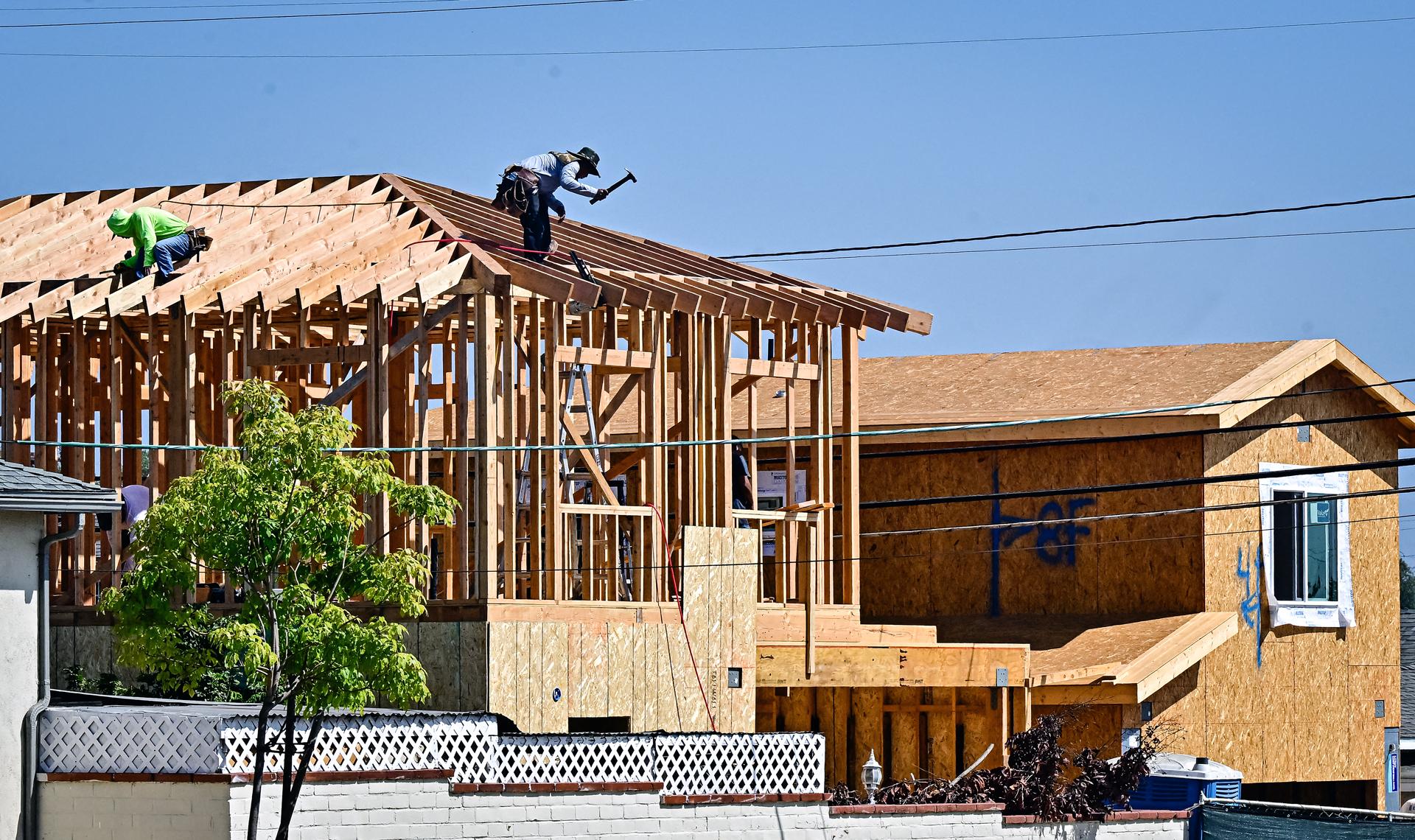
At a fraction of the cost of a traditional home, unburdened by land costs, and relatively easy to approve, ADUs are attractive for both homeowners and emerging, small-scale developers.Dennis Robinson, a resident of Anaheim, built his first ADU in 2020, on a personal rental property.
“Then a neighbor saw what was going on,” he said. “They saw that it was just a neat little house in the backyard.”
They asked him to build one for them, which led to requests from friends and family. Within eight months, he was building full-time. So far, he’s done 60.
“Getting two ADUs, or even three, is fairly simple now across most single-family-zoned houses,” he said.
Typically, it takes Robinson 30 to 60 days to submit a project for approval, and construction is completed within a year.
“Homeowners generally do not need to live there,” Robinson said.
But in the state’s patchwork of local ordinances, homeowners can run into other obstacles.
When Wesley Yu, a resident of East Palo Alto, sought to build a new home and a detached ADU to house extended family, the city approved splitting the lot under SB9. However, because he was building two new structures, it refused to approve the permit unless he made one an “affordable” rental or paid a one-time fee of more than $50,000.
Zoning and Density
After years of debate over zoning and density, California’s recent ADU legalizations have effectively mandated the change by overriding existing local laws, requiring cities and counties to approve projects ministerially, without a discretionary review process.The study concludes that the effects are racially exclusive: Areas with more restrictive zoning have fewer non-white residents.
The same study ranks the top 100 largest metro areas in the United States from the “most pro-growth” down to the “most restrictive.” Nine California cities—including San Francisco, Sacramento, and San Diego—feature in the bottom 15.
Along with other states, including Oregon, California has in recent years doubled down on corrective policies meant to increase affordability, in large part by increasing density.
But eliminating single-family zoning citywide in places such as Minneapolis, California cities, and Portland, Oregon, the study notes, has not produced substantial positive results.
For example, Minneapolis eliminated single-family zoning but added only 23 “plexes,” or small multi-family units, in the first two years, and other trends suggested that “reform allowing multifamily development in commercial areas has been far more effective than permitting complexes in formerly single-family neighborhoods.”
Portland fully eliminated single-family zoning and legalized ADUs everywhere in the city. However, that, plus other reforms, added only about 0.6 percent to housing stock between 2021 and 2024, according to the study.
Meanwhile, some municipalities are reconsidering wholesale liberalization.
‘It’s Not About Solving a Housing Crisis’
Mike Griffiths, a former City Council member in Torrance, California, said the ADU boom crept up on him and other local leaders as the state began passing a slew of bills, and the city was forced to modify its laws and ordinances to accommodate them.“It started off kind of innocently with just, ‘well, one or two little ADUs and your neighbor’s not going to hurt anything,’” Griffiths said. “But every year they kept modifying the laws and making it more challenging for us as a city, impacting us more negatively.”
He cited the fact that there can now be multiple ADUs on a single-family lot, setbacks can be reduced, neighbors can be stacked closer together, and there are no restrictions on the number of units allowed in a particular neighborhood.
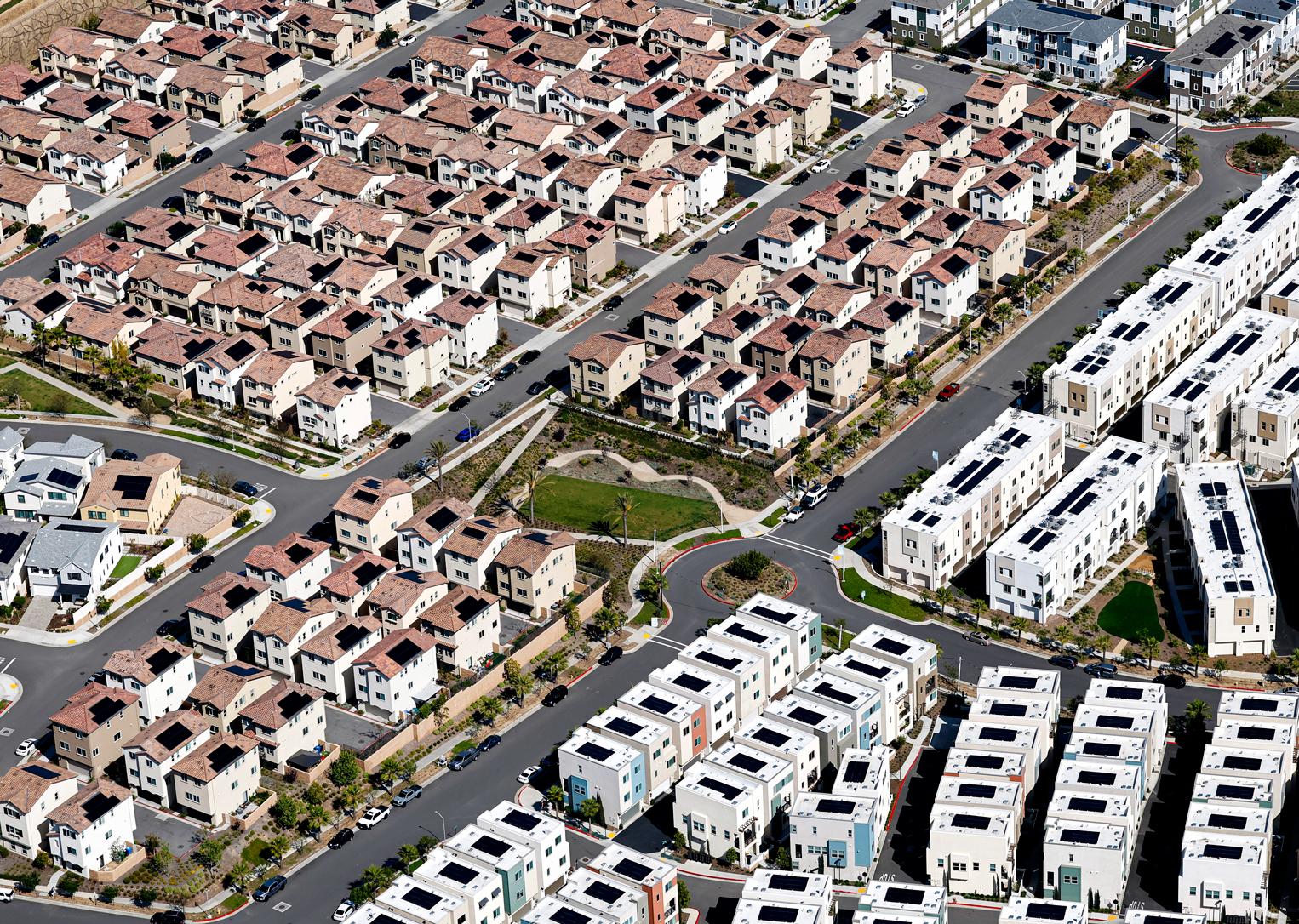
ADUs tend to be built in neighborhoods with medium to high incomes and home prices, but not in the wealthiest neighborhoods. So although the policy is one-size-fits-all, the effects may be uneven. Increased density, overburdened infrastructure, and other changes are likely to be concentrated in middle-class neighborhoods.
“There’s all this crazy justification for what they’re trying to do, and none of it makes sense. The proliferation of ADUs has skyrocketed. ... Now there’s not a day that goes by [when] there’s not a flyer on my doorstep saying, ‘Hey, build an ADU! Make lots of money! And it’s greed. It’s not about solving a housing crisis,” Griffiths said.
“If you go back to why you bought your house, where you did, you realize, ‘I wanted to buy a house in a low-density neighborhood,’ but all of a sudden you throw the greed factor in and [you] say: ‘Whoa, I can make $2,500 to put a little cracker box in the back of my yard. That sounds pretty attractive.’”
No one in Sacramento, he said, is paying attention to potential effects on local communities, or the fact that ADUs are not moving the needle on affordability.
“Our neighborhoods were planned and designed, in many cases, a long time ago, and the infrastructure wasn’t built to support the density that these laws now allow,” Griffiths said.
By infrastructure, he means water, sewer, power, emergency response, and schools.
“They put that burden solely on the cities to pay for these things.”
The fact that carports and parking spaces can now be converted to ADUs without replacing parking, he said, is part of an unrealistic assumption, behind the broader push for density, that people are simply going to stop using cars.
The fact that the state was able to override local control of zoning and housing is a violation of California’s constitution, especially in charter cities such as Torrance, Griffiths said.
“It’s very clearly defined: Charter cities especially are supposed to have full control of their land use and zoning,” he said.
“And now the state has overridden that by saying that housing is an emergency? Well, who decided that? And how does that allow them to override the state constitution?”
Ideological Roots
In recent years, sociological critique of conventional, low-density zoning in urban and suburban areas has gained traction, influencing the housing discourse and legislative landscape in places such as California.“R1 was born from, and codifies, base and tribal instincts: a desire to set privileged in-groups apart and keep feared or desired outgroups at bay,” the study states.
“Its history is explicitly classist and deeply interwoven with racism, and its present form only barely conceals these origins. It should have no future. Planners should actively work to end it.”
The report claims that single-family-only zoning continues to exclude people from access to opportunity and in expensive areas exacerbates housing shortages, “benefitting homeowners at the expense of renters and forcing many housing consumers to spend more on housing.”
Katherine Peoples, founder of HPP Cares, a HUD-approved housing counseling agency, said that despite legalization, there is still resistance in many places.
“There are some higher-net-wealth areas [where] we do see a lot of pushback, because they feel that if you allow ADUs in, you’re allowing people who don’t belong to the community,” she said.
“Unfortunately, there are a lot of people who find that it will be congestive to their neighborhood, it'll bring down their property values, because ultimately, you’re renting the space to maybe someone who doesn’t look or feel the part.”
How Affordable Are ADUs?
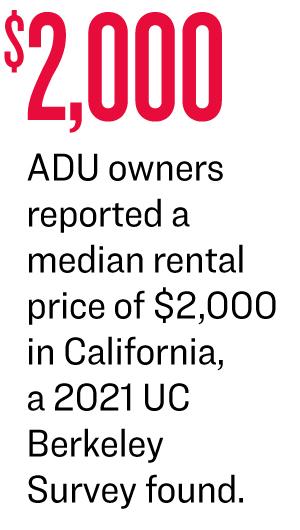
The 2021 UC–Berkeley survey of ADU owners reported a median rental price of $2,000 in California.
In the San Francisco Bay Area, which had both the highest total rents and rental cost per square foot, and the Central Coast region, ADU prices were affordable—that is, less than 30 percent of a household income—to a two-person household making the area median income. In Los Angeles County, only about 31 percent of ADUs were affordable by that definition.
But in a related study, Brookings argues that expanding the housing stock with ADUs should reduce upward pressure on housing costs—for example, even if ADUs are used as short-term rentals, that would free up primary homes for owner-occupants, or long-term rentals.
Currently, there is no restriction on ADU rental prices.
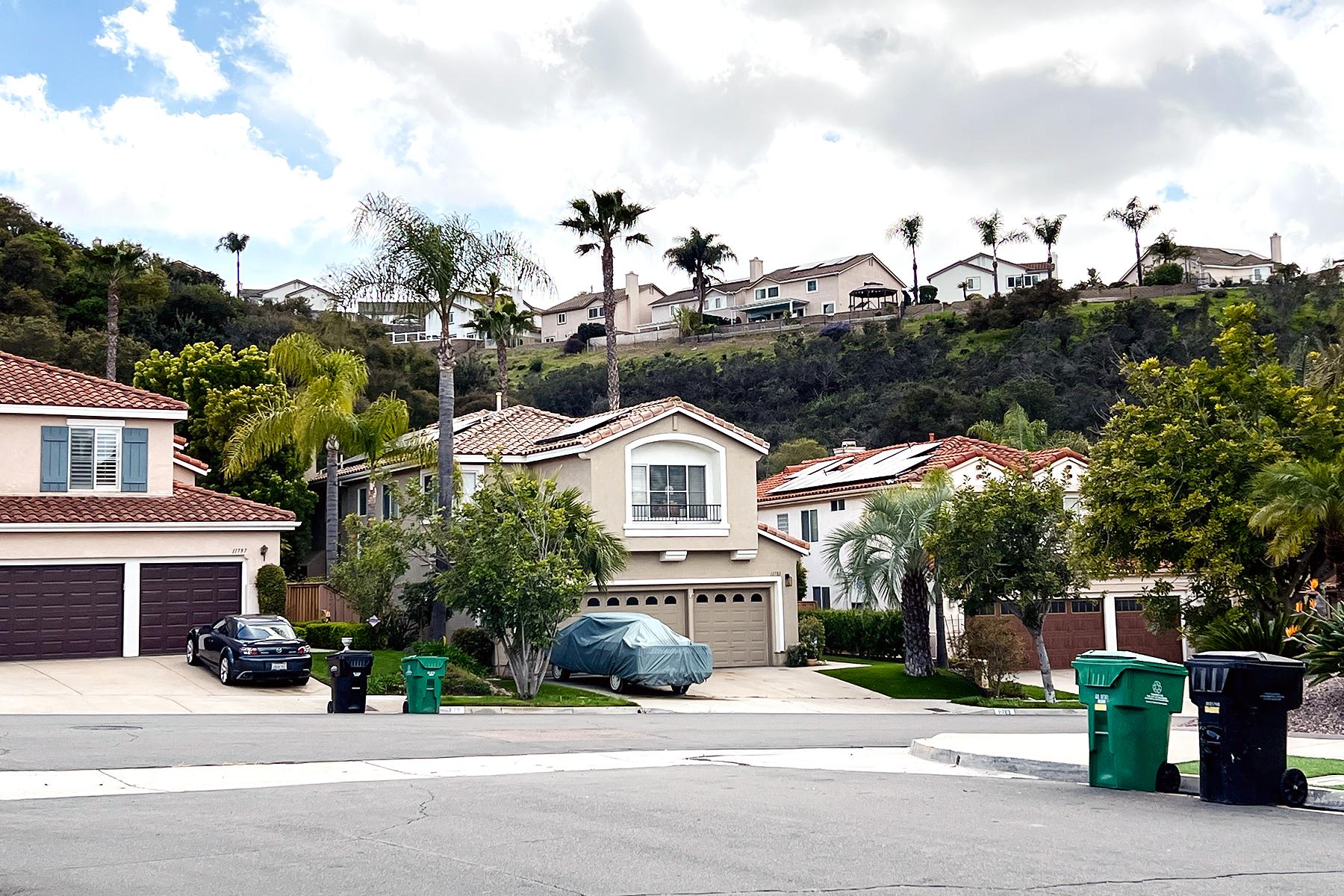
Proponents offer a vision of functionality, affordability, and diversity that comes with higher density, but critics question whether ADU proliferation is degrading standards; renters may be paying market rate for a smaller unit with no land and no parking.
“I understand there’s a housing crisis. There’s no requirement in these ADU laws that they be so-called ‘affordable,’” Griffiths said.
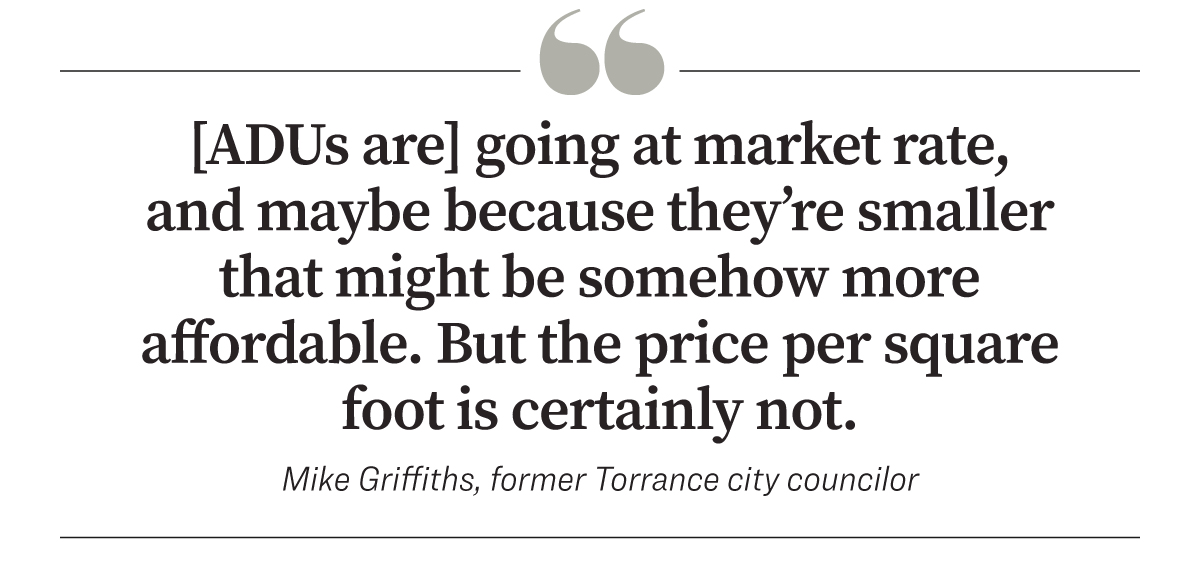
“They’re going at market rate, and maybe because they’re smaller that might be somehow more affordable. But the price per square foot is certainly not.”
The UC–Berkeley survey found that 61 percent of new ADUs contain one bedroom.
The Brookings study concludes that making new ADUs affordable to even moderate-income tenants “runs into a basic math problem.”
Income-restricted units wouldn’t generate enough rental revenue to cover the financing and operating costs invested in building, so homeowners would require a “substantial subsidy to make developing ADUs feasible in the first place.”
Proponents often argue that a continued ADU boom will naturally ease prices—the more units available, the lower rental prices are likely to be.
Griffiths said he is concerned about the ultimate cost. His neighbors are currently converting their two-car garage into a two-bedroom, 700-square-foot ADU.
“This is a landlord who doesn’t even live on the property,” he said. “They’re just doing it purely to maximize profit.”