How World Cup Teams Snag Players Born or Raised in Another Country

Save
How World Cup Teams Snag Players Born or Raised in Another Country
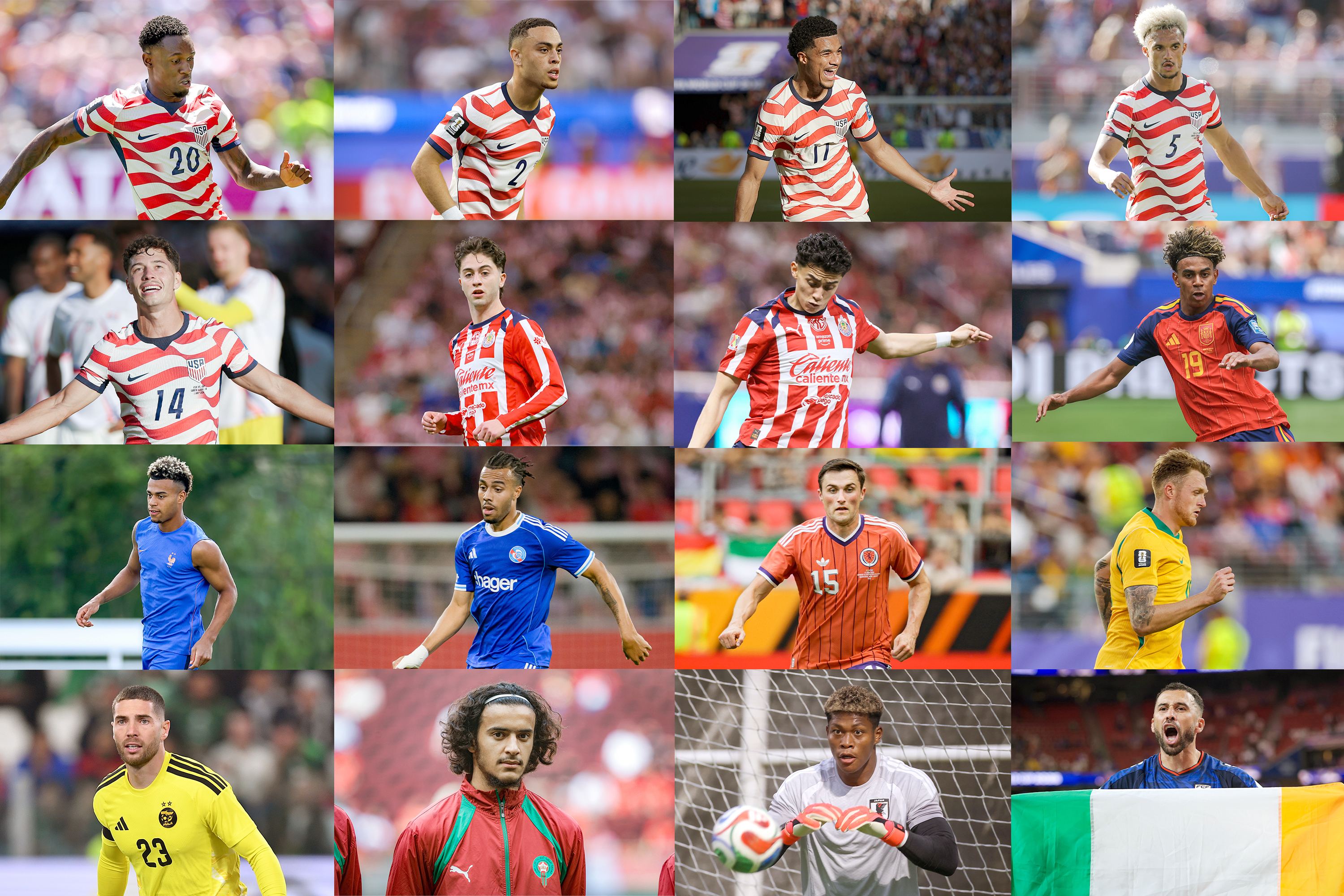
(Top Row, L–R) Folarin Balogun, Sergino Dest, Malik Tillman, and Antonee Robinson of the United States. (Second Row, L–R) Sebastian Berhalter of the United States, Brian Gutiérrez of Mexico, Richard Ledezma of Mexico, Lamine Yamal of Spain. (Third Row, L–R) Désiré Doué of France, Guéla Doué of Ivory Coast, John Souttar of Scotland, Harry Souttar of Australia. (Bottom Row, L–R) Luca Zidane of Algeria, Ayyoub Bouaddi of Morocco, Zion Suzuki of Japan, Roberto “Pico” Lopes of Cape Verde. Jamie Squire/Getty Images, Richard Heathcote/Getty Images, Charlotte Wilson/Getty Images, Francois Nel/Getty Images, Simon Barber/Getty Images, Etienne Laurent / AFP via Getty Images, Buda Mendes/Getty Images, Christian Kaspar-Bartke/Getty Images, Adam Hunger/Getty Images, Stu Forster/Getty Images, Valerio Pennicino/Getty Images, Abdel Majid Bziouat / AFP via Getty Images, Julio Cesar Aguilar / AFP via Getty Images
Updated:

Folarin Balogun is Team USA’s leading goal scorer in the World Cup, becoming the first player for the Stars and Stripes to score more than one goal in a match since 1930.

But he was not raised—nor has he ever lived—in the United States.

Team USA was able to secure its striker thanks to birthright citizenship. His Nigerian mother visited New York City in 2001 and was deemed by airline staff to be too far along in her pregnancy to fly home to London. He was born in a hospital in the New York City borough of Brooklyn and flew to the UK when he was 1 month old.

All debate on that policy aside, the striker’s place on Team USA’s roster is just one example of a tournament-wide phenomenon. In fact, there are scores—if not hundreds—of World Cup soccer players taking the pitch for a country in which they were not born or raised.

This scattering of dual citizens has come to highlight expanding opportunities for footballers outside of Europe and Latin America, as well as the apparent pressuring of the children of immigrants to choose between nationality and cultural heritage.
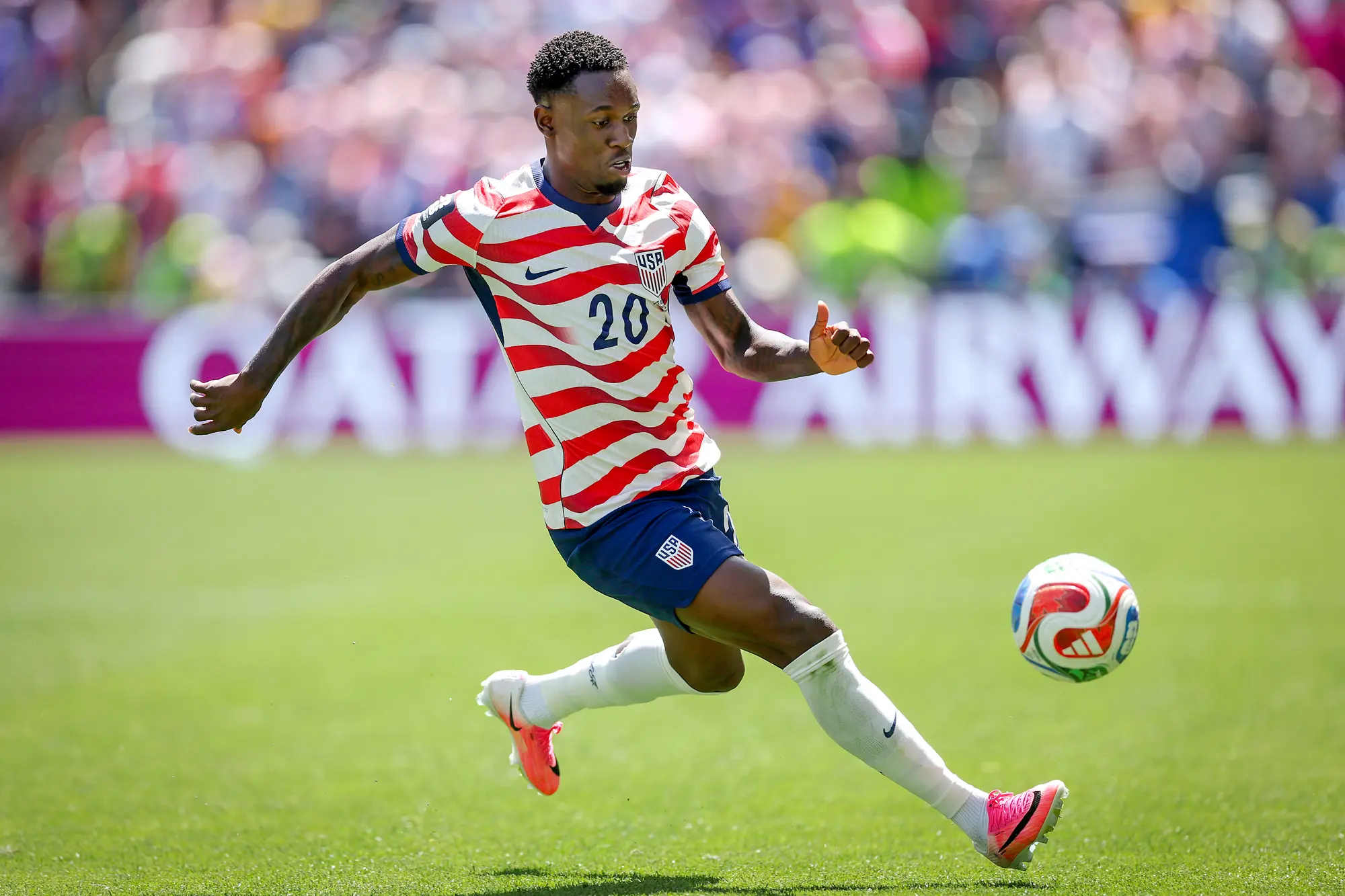
image-6057220
Folarin Balogun (No. 20) of the United States controls the ball during the FIFA World Cup 2026 Group D match between the United States and Australia at Seattle Stadium in Seattle, on June 19, 2026. Balogun is Team USA’s leading goal scorer in the World Cup. Jamie Squire/Getty Images

Dual Citizens Choose a Side

Balogun is one of five Team USA players who were born and/or raised outside of the United States.

Midfielder Sebastian Berhalter is also from London. His father, Gregg Berhalter, also played for the U.S. men’s national team and had a lengthy professional career. His mother, Rosalind Berhalter, was a four-time NCAA champion during her time at the University of North Carolina. Sebastian Berhalter was born in London while his father played for Crystal Palace in the Premier League, but he was primarily raised in Columbus, Ohio, where his father served as head coach for the Major League Soccer team the Columbus Crew.

Defender Antonee Robinson is also from the UK, having grown up in Liverpool, England. His father, Marlon Robinson, is American. He played soccer at Duke University. His mother, Kelly Robinson, is English. He holds dual citizenship and credits his father with maintaining an American cultural influence.
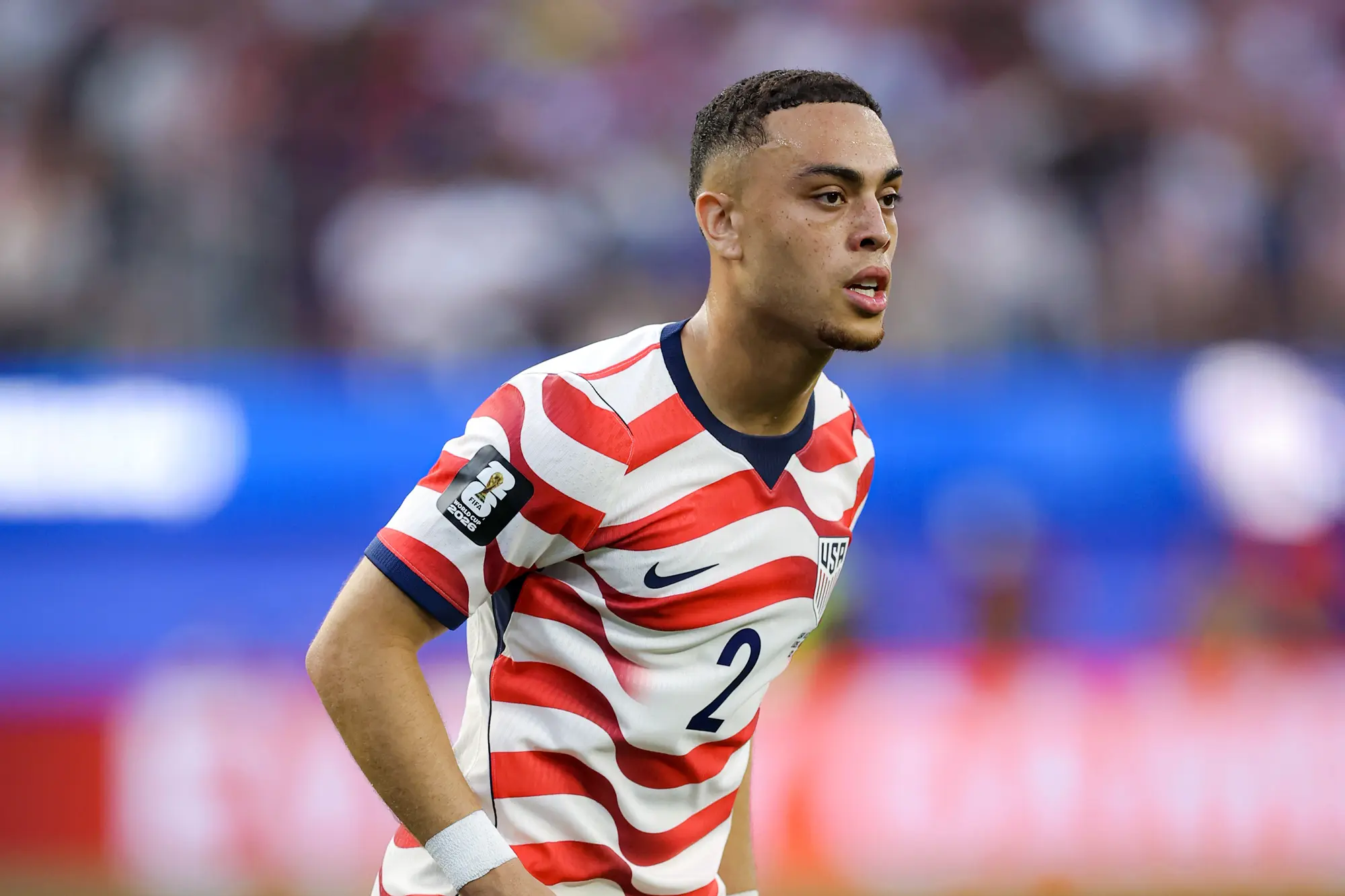
Antonee Robinson’s fellow defender, Sergino Dest, is from the town of Almere in the Netherlands, born to a Surinamese American father from New Jersey and a Dutch mother. He committed to Team USA in 2019, crediting his father with providing a major influence on his decision. His father served in the U.S. military and wore the same number during his soccer-playing days.

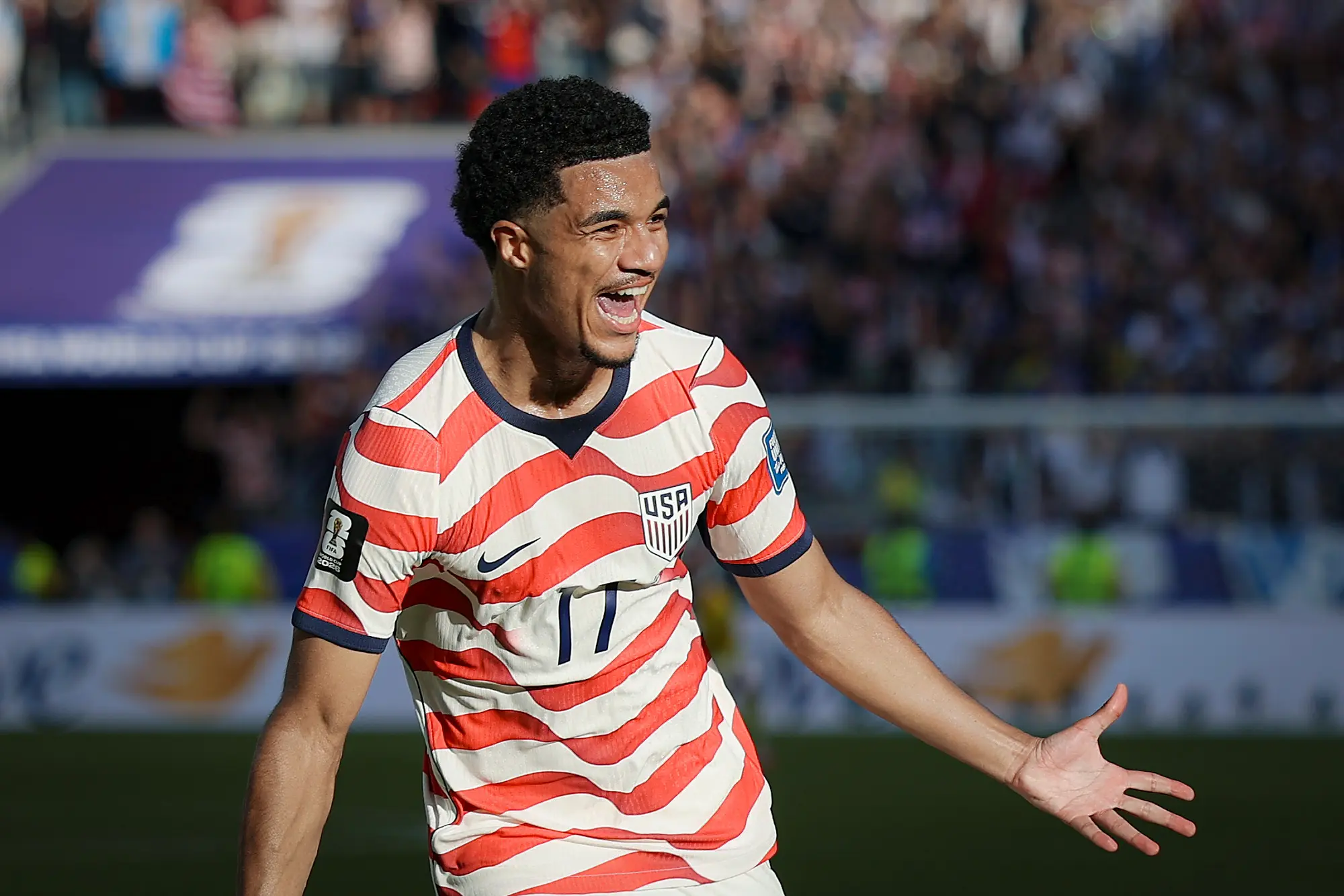
Midfielder Malik Tillman also comes from a military family. He was born in Fürth, Germany, to an American serviceman and a German national. He fostered his soccer career in Germany before following his older brother, Timothy Tillman, to choose Team USA over Germany.
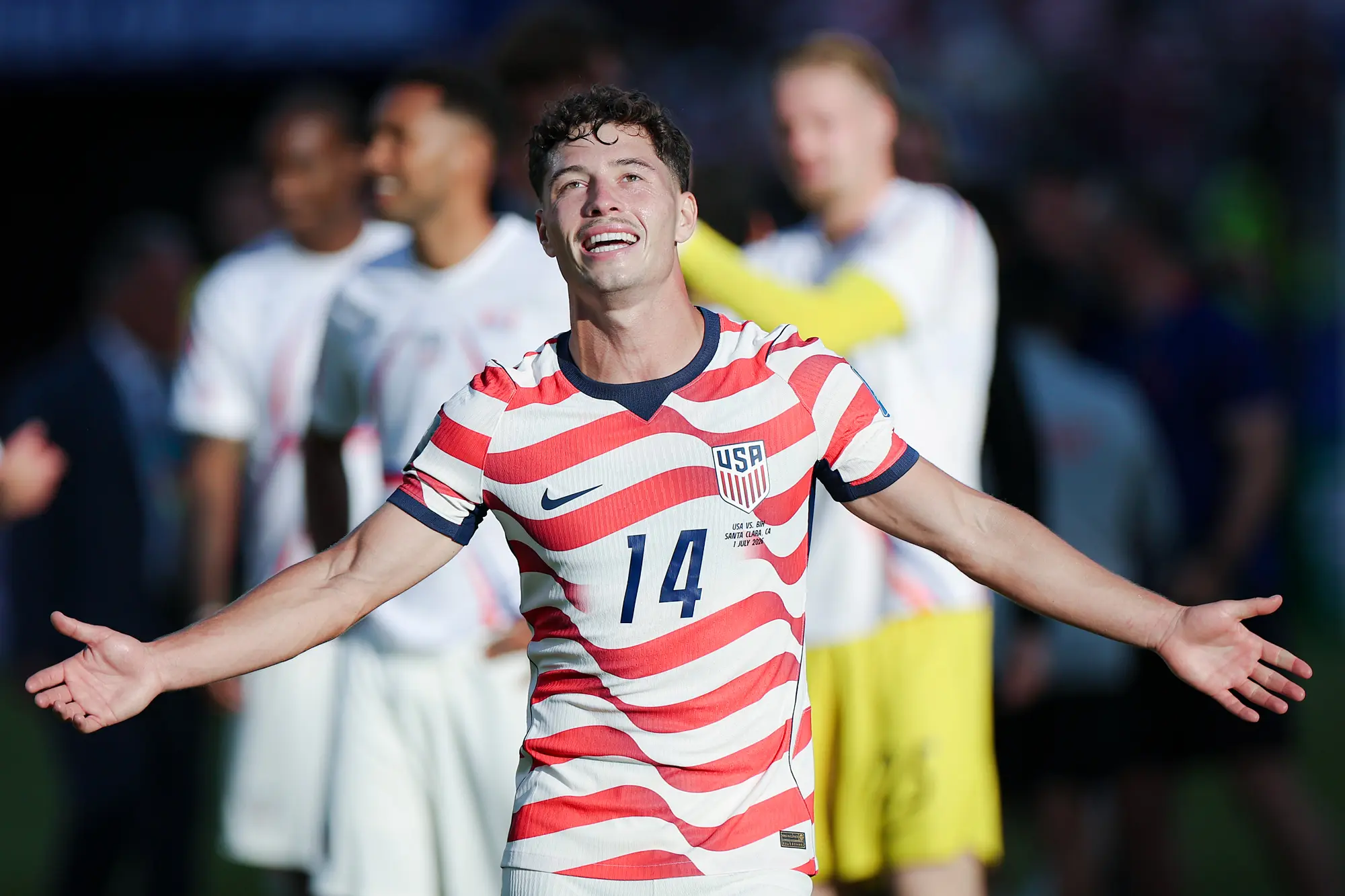
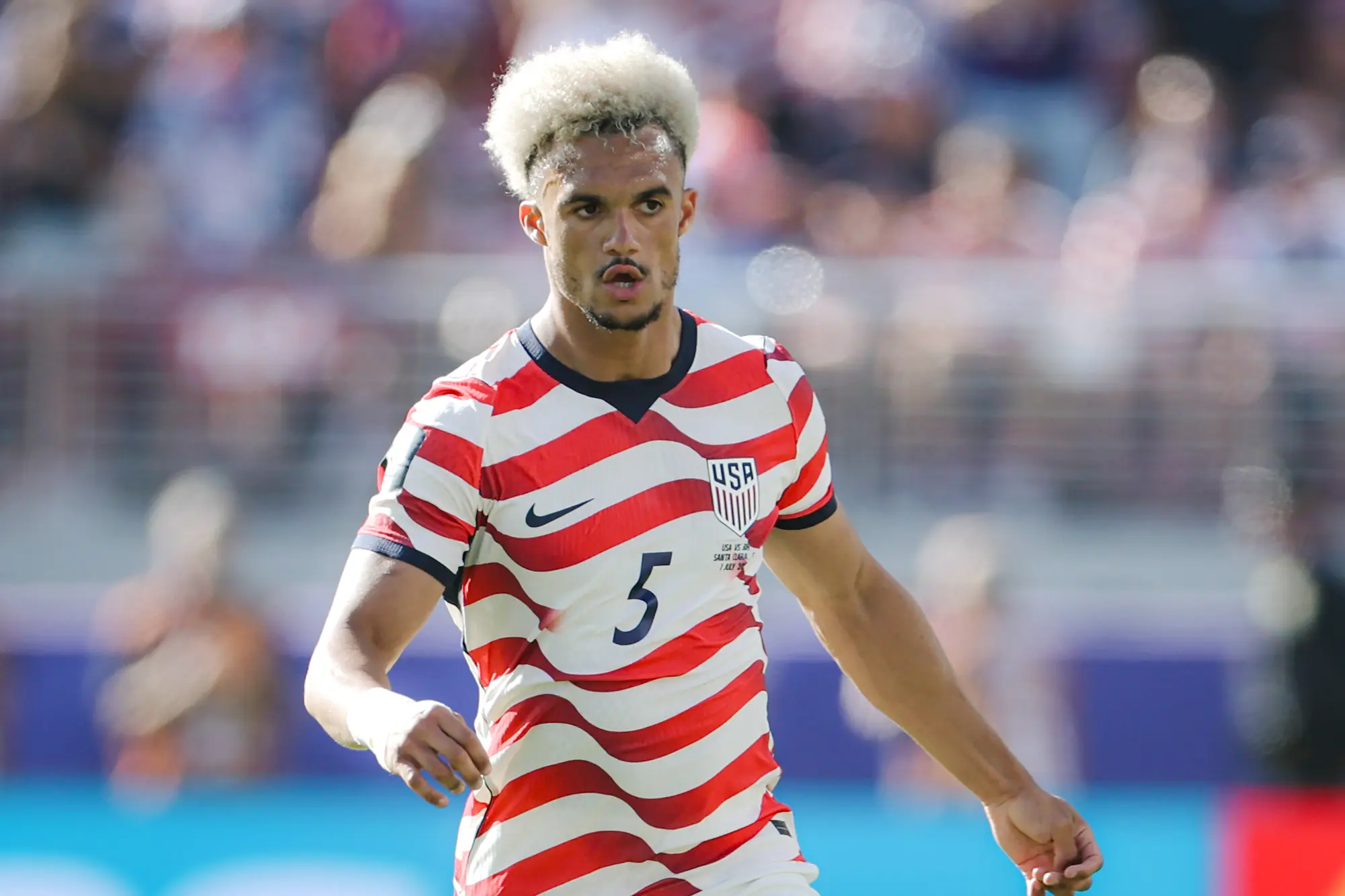
image-6057238
image-6057236
image-6057233
image-6057237
(Top Left) Sebastian Berhalter (No. 14) of the United States celebrates victory after the FIFA World Cup 2026 match between the United States and Bosnia and Herzegovina at San Francisco Bay Area Stadium in Santa Clara, Calif., on July 1, 2026. Berhalter was born in London but was primarily raised in the United States. (Top Right) Antonee Robinson (No. 5) of the United States runs with the ball during the match between the United States and Bosnia and Herzegovina. Robinson was born and raised in the UK. (Bottom Left) Sergino Dest (No. 2) of the United States in action during the FIFA World Cup 2026 match between the United States and Paraguay at Los Angeles Stadium in Inglewood, Calif., on June 12, 2026. Dest is from the Netherlands, born to a Surinamese American father from New Jersey and a Dutch mother. (Bottom Right) Malik Tillman (No. 17) of the United States celebrates scoring his team's second goal during the FIFA World Cup 2026 match between the United States and Bosnia and Herzegovina at San Francisco Bay Area Stadium in Santa Clara, Calif., on July 1, 2026. Tillman was born in Fürth, Germany, to an American serviceman and a German national. Charlotte Wilson/Getty Images, Francois Nel/Getty Images, Richard Heathcote/Getty Images, Charlotte Wilson/Getty Images

Meanwhile, at least three American-born players decided to give their allegiance to another national team.

Midfielder Brian Gutiérrez from Berwyn, Illinois, and defender Richard Ledezma from Phoenix, have used their dual citizenship to join Team Mexico despite having previously played with Team USA in some capacity. Both were born in the United States to Mexican parents. They received clearance from FIFA to make the national switch just a few months before the tournament began.
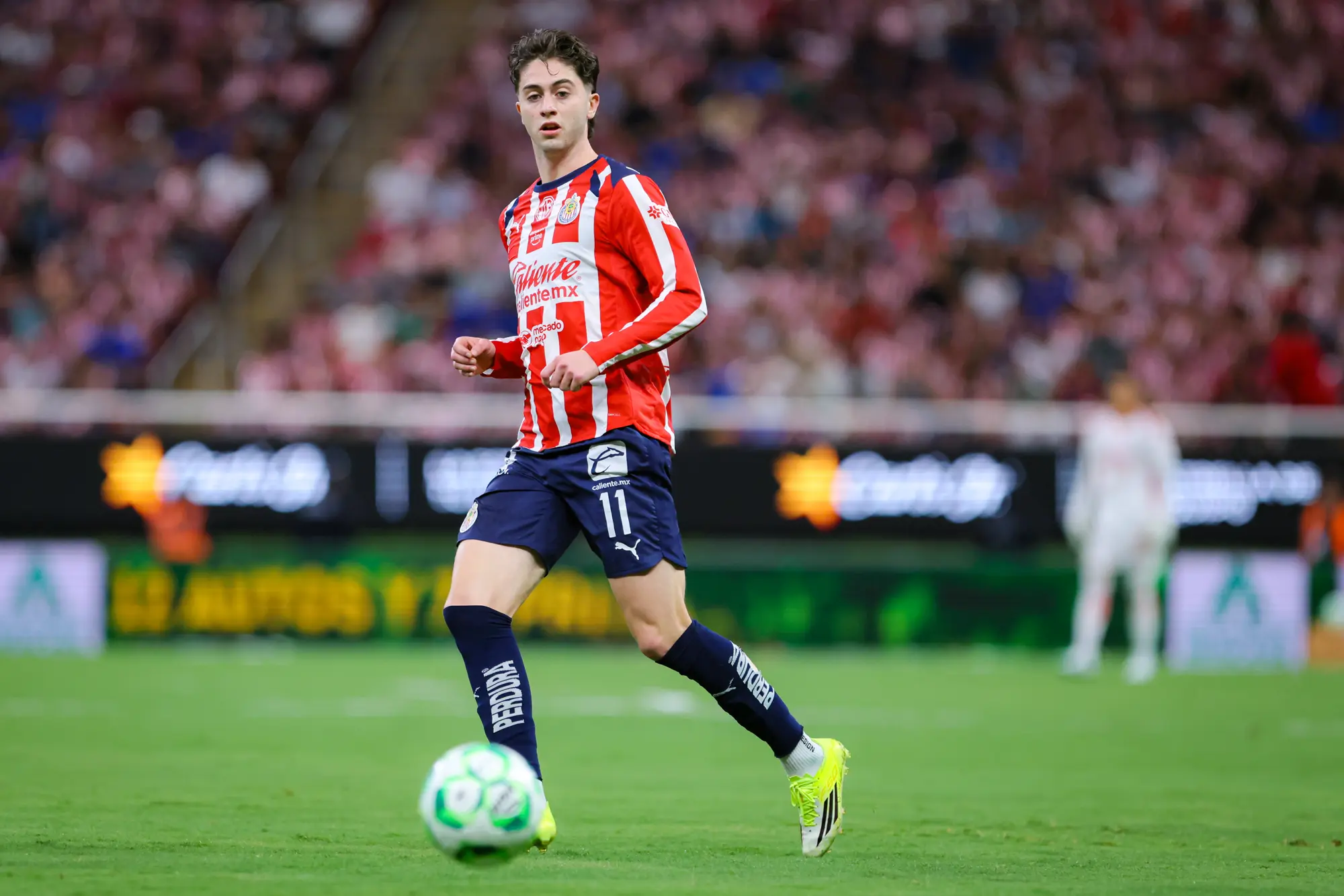
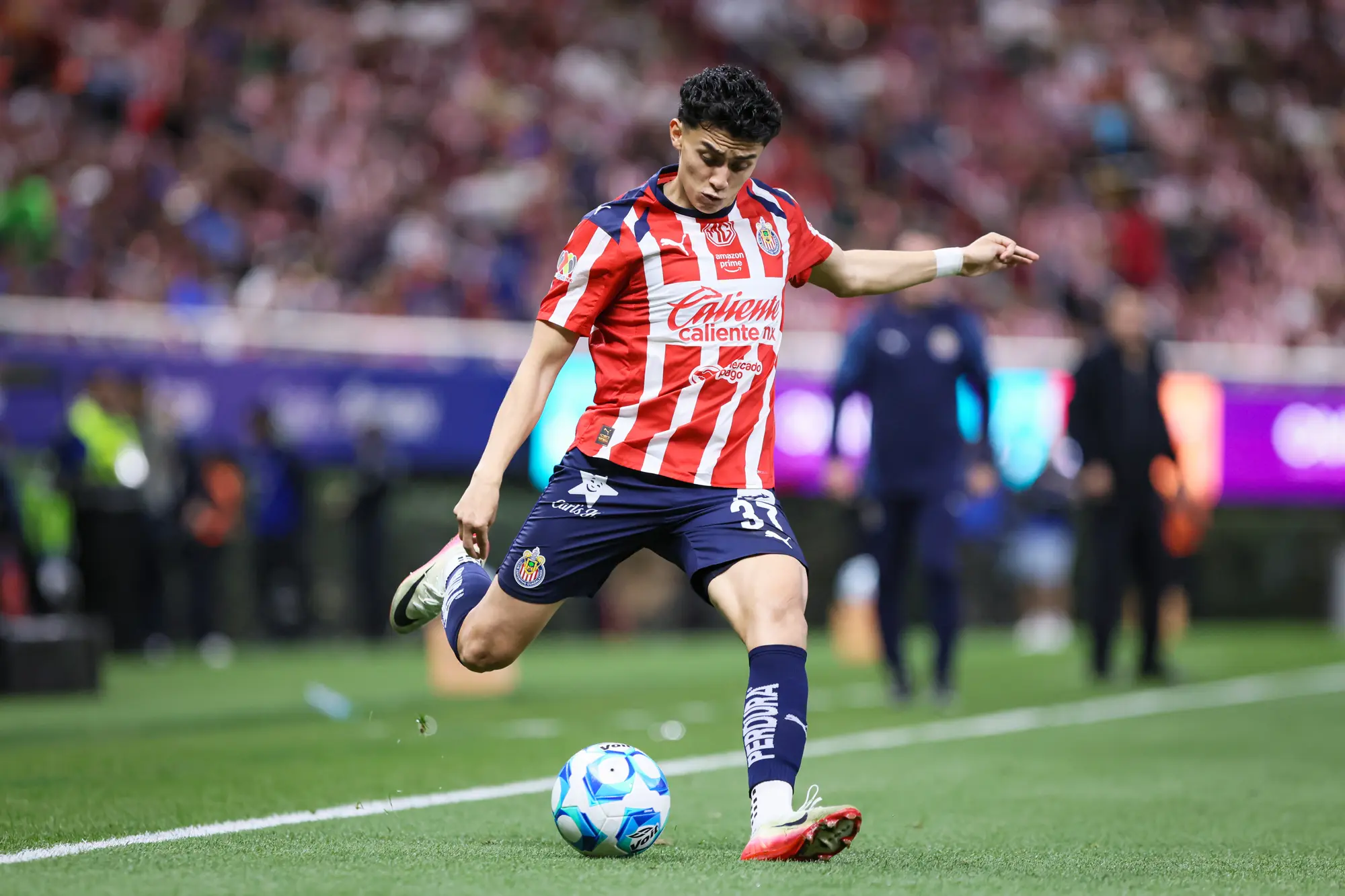
image-6057230
image-6057227
(Left) Brian Gutierrez of Chivas runs with the ball during the Torneo Clausura 2026 Liga MX at Akron Stadium in Zapopan, Mexico, on April 18, 2026. Gutiérrez, born in the United States to Mexican parents, used his dual citizenship to join Team Mexico for the 2026 World Cup. (Right) Richard Ledezma of Chivas kicks the ball during the Torneo Clausura 2026 Liga MX at Akron Stadium in Zapopan, Mexico, on April 5, 2026. Ledezma, born in the United States to Mexican parents, used his one-time FIFA international allegiance switch to join the Mexican national team. Both players have previously played with Team USA in some capacity. Simon Barber/Getty Images

Japan goalkeeper Zion Suzuki was born in Newark, New Jersey, to a Ghanaian father and Japanese mother. He moved to Urawa, Japan, when he was young, and started his career with the Urawa Red Diamonds. His professional career advanced to the European leagues, but he chose Japan’s national team over Team USA or Ghana.
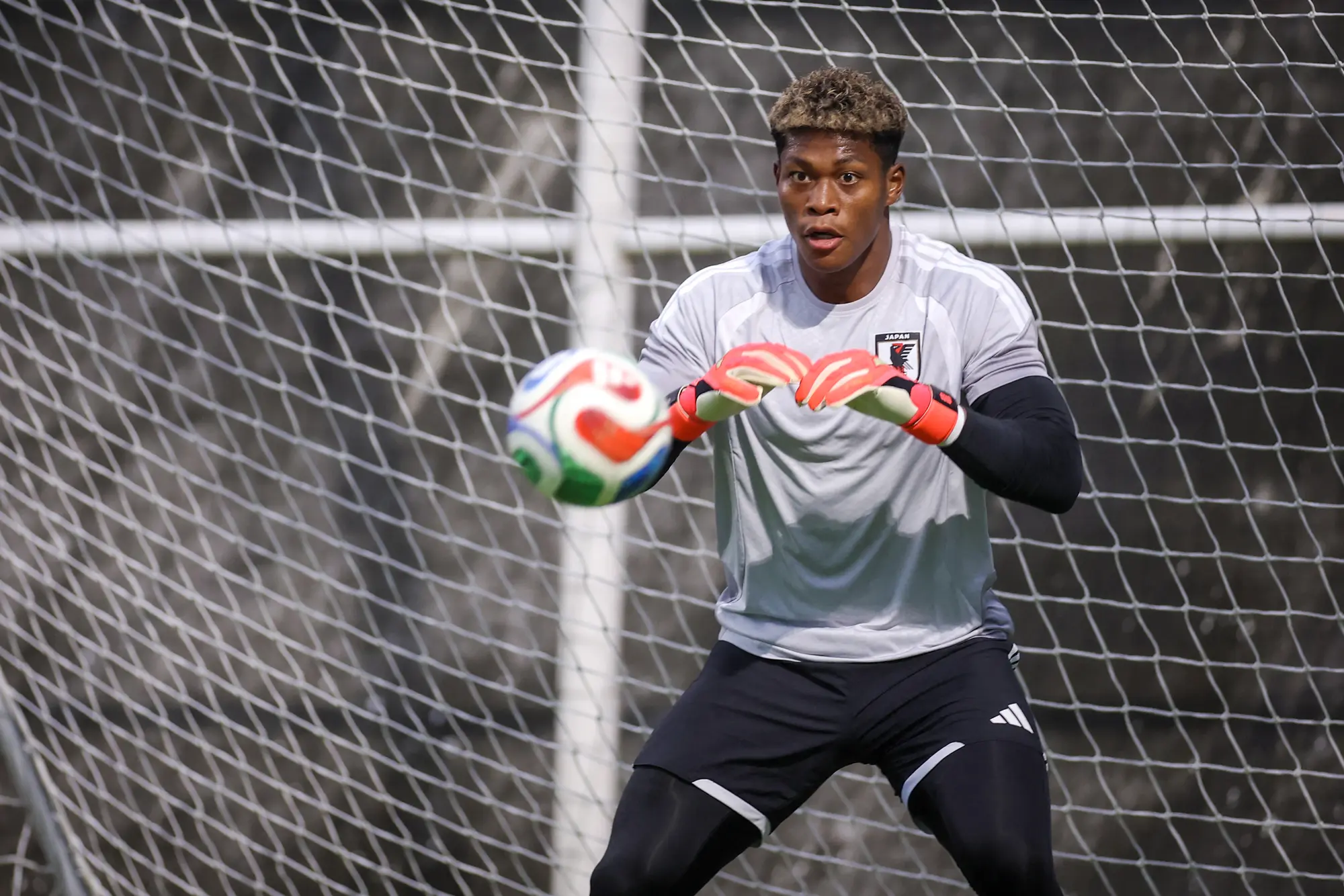
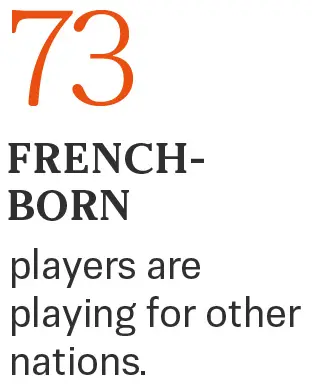
image-6057218
Japan's goalkeeper Zion Suzuki (#01) takes part in a training session at the Rayados Training Centre in Santiago, near Monterrey, Mexico, on June 19, 2026. Suzuki was born in Newark, New Jersey, to a Ghanaian father and Japanese mother. Julio Cesar Aguilar / AFP via Getty Images
image-6057988

Of all the countries exporting players, France appears to be on top. Nearly 100 of its nationals are playing in the World Cup, but only 23 of those are playing for France, while 73 are wearing the colors of another nation, according to a Reuters analysis.

That lot includes goalkeeper Luca Zidane, the son of France’s star player from its 1998 World Cup championship, Zinedine Zidane. He chose to represent Algeria at this World Cup.

Ayyoub Bouaddi, 18, was born in France and was brought up learning the game there, playing with the U-21 French national team as recently as March. But, he chose to represent Morocco, as did his teammate Achraf Hakimi, who was born in Spain.
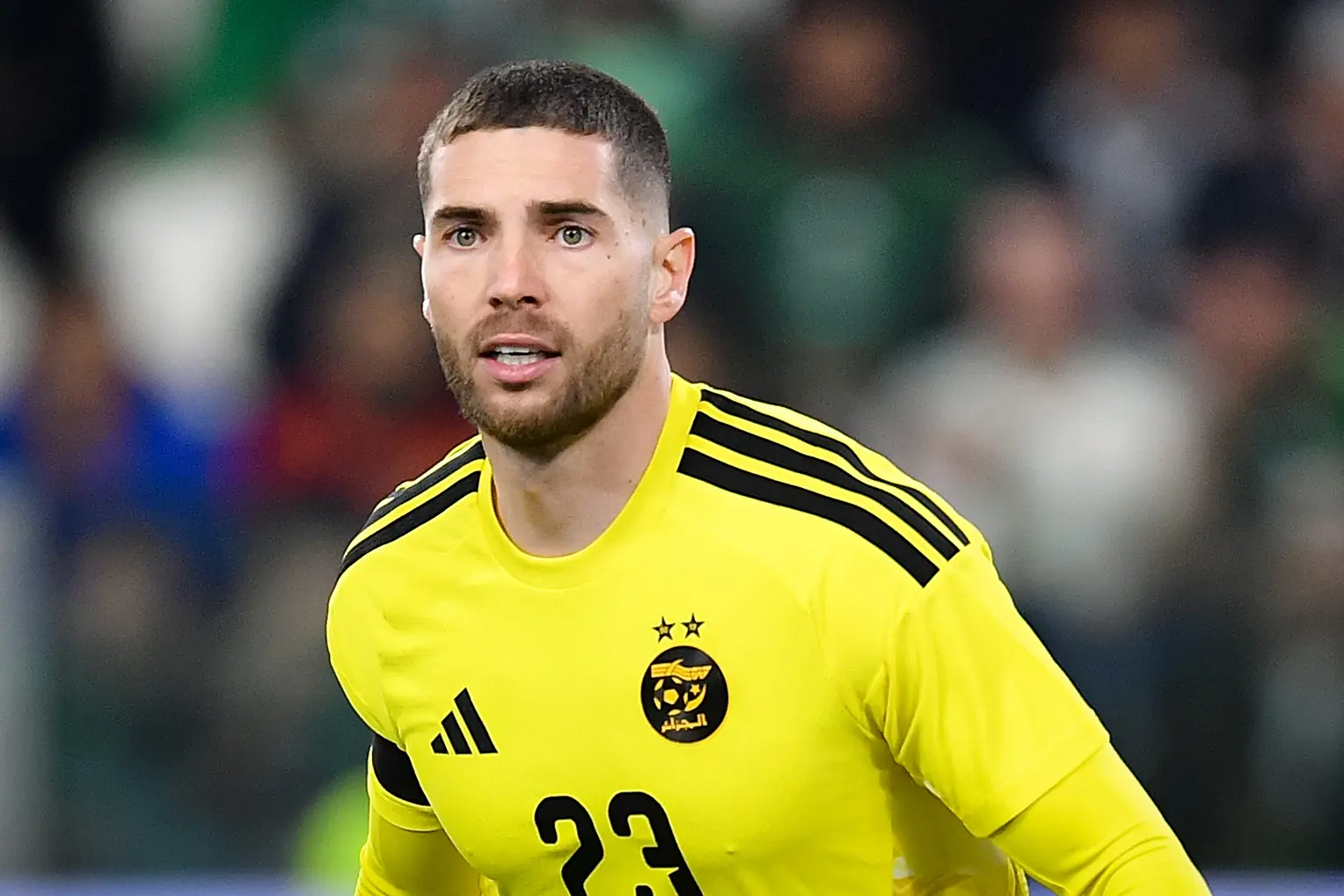
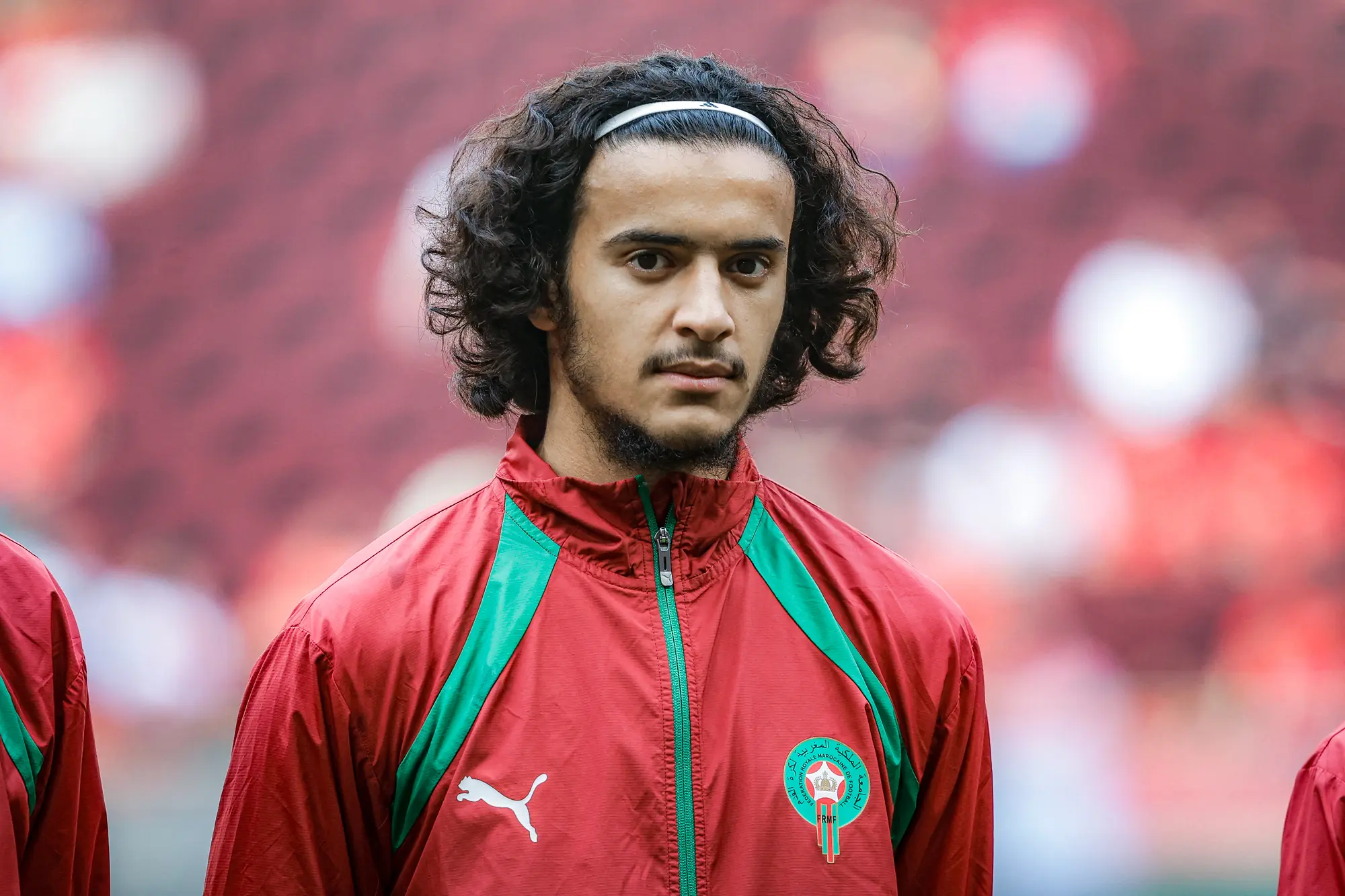
image-6057228
image-6057231
(Left) Luca Zidane of Algeria in action during an international friendly match between Algeria and Uruguay in Turin, Italy, on March 31, 2026. Zidane, the son of Zinedine Zidane, the French star player at the 1998 World Cup, chose to represent Algeria at the 2026 World Cup. (Right) Morocco's Ayyoub Bouaddi (#06) looks on ahead of the friendly football match between Morocco and Madagascar at the Prince Moulay Abdellah Stadium in Rabat, Morocco, on June 2, 2026. Bouadd was born in France but chose to represent Morocco. Valerio Pennicino/Getty Images, Abdel Majid Bziouat / AFP via Getty Images

Opportunity, National Pride, Cultural Heritage

FIFA’s rules state that a player is eligible to represent any country he or one of his biological parents or grandparents was born in, or that he’s lived in for at least five years, “in addition to holding the relevant nationality.” During those years, he must spend at least 183 out of 365 days in that country, and he must prove that he did not move to that country to play for the national team.

The rules also recognize multiple situations in which multiple participating countries recognize a shared nationality. For example, Dutch nationality makes a player eligible to play for the Netherlands, Aruba, and Curacao, and British nationality qualifies a player for England, Scotland, Wales, Bermuda, and others.
On the one hand, this flexibility has expanded opportunities for world-class athletes in countries where their talents are heavily concentrated, such as France, England, and Spain. After all, nations with elite professional leagues are still limited to a 26-man roster.

Likewise, it allows smaller countries the opportunity to recruit their teams from abroad. Cape Verde, for example, recruited nearly all of its players from other parts of the world, including going so far as to message a player on LinkedIn.
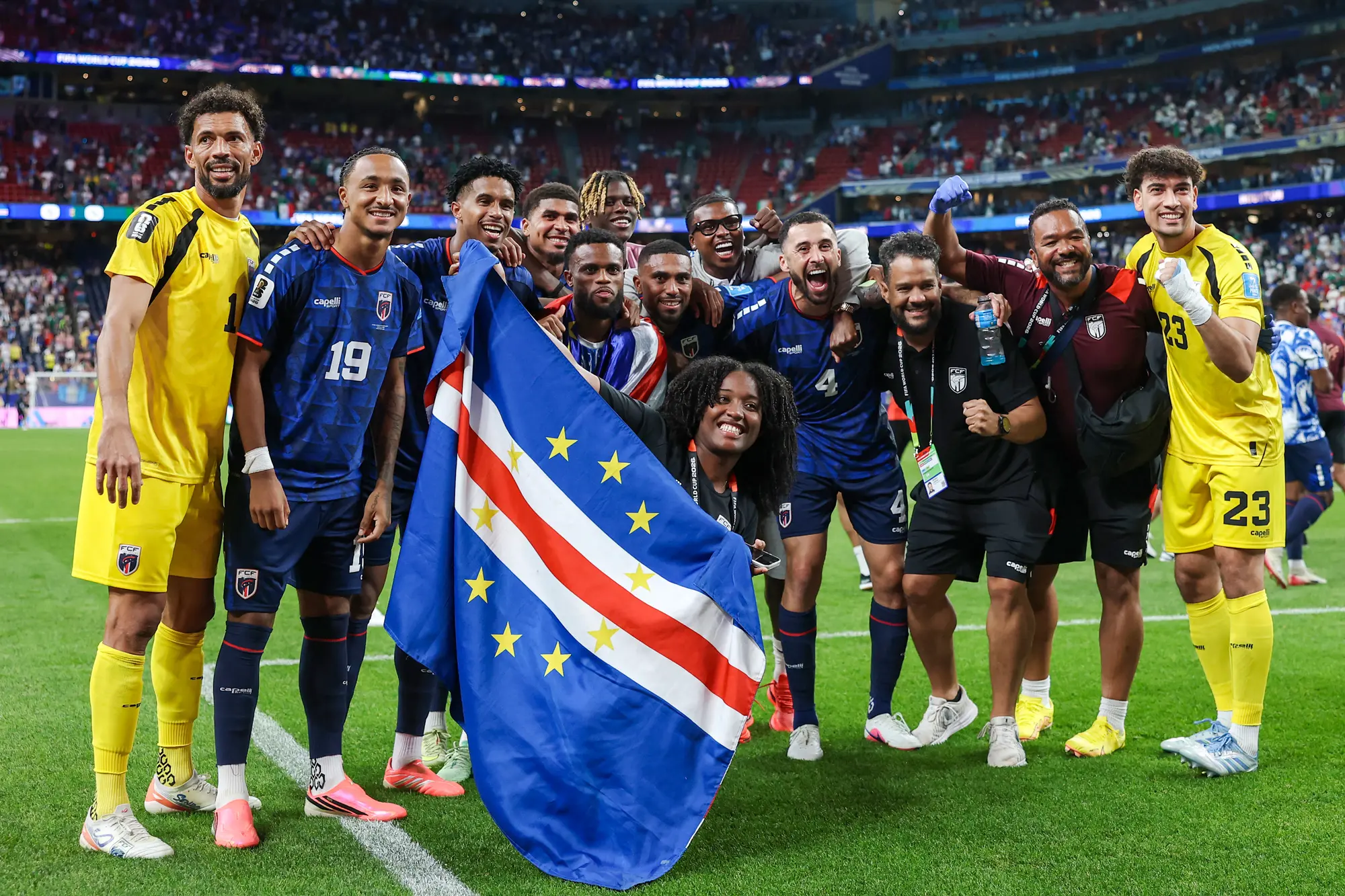
image-6057223
Cape Verde players celebrate after the 0–0 draw during the FIFA World Cup match against Saudi Arabia at Houston Stadium in Houston on June 26, 2026. Fourteen of the Cape Verde players were born in other countries. Michael Steele/Getty Images

Cape Verde defender Roberto Lopes was born, raised, and developed his professional soccer career in Ireland, but his dad was from Cape Verde. He received two messages on LinkedIn in 2019 asking if he wanted to join the club.

“It was a weird angle to come at [via LinkedIn],” he told Reuters. “It was explained to me afterwards that they had difficulty ⁠contacting my club, but when I saw the opportunity was there in front of me, I was 100 percent behind it from the minute one, and ​we got working on getting all the necessary documentation across.”
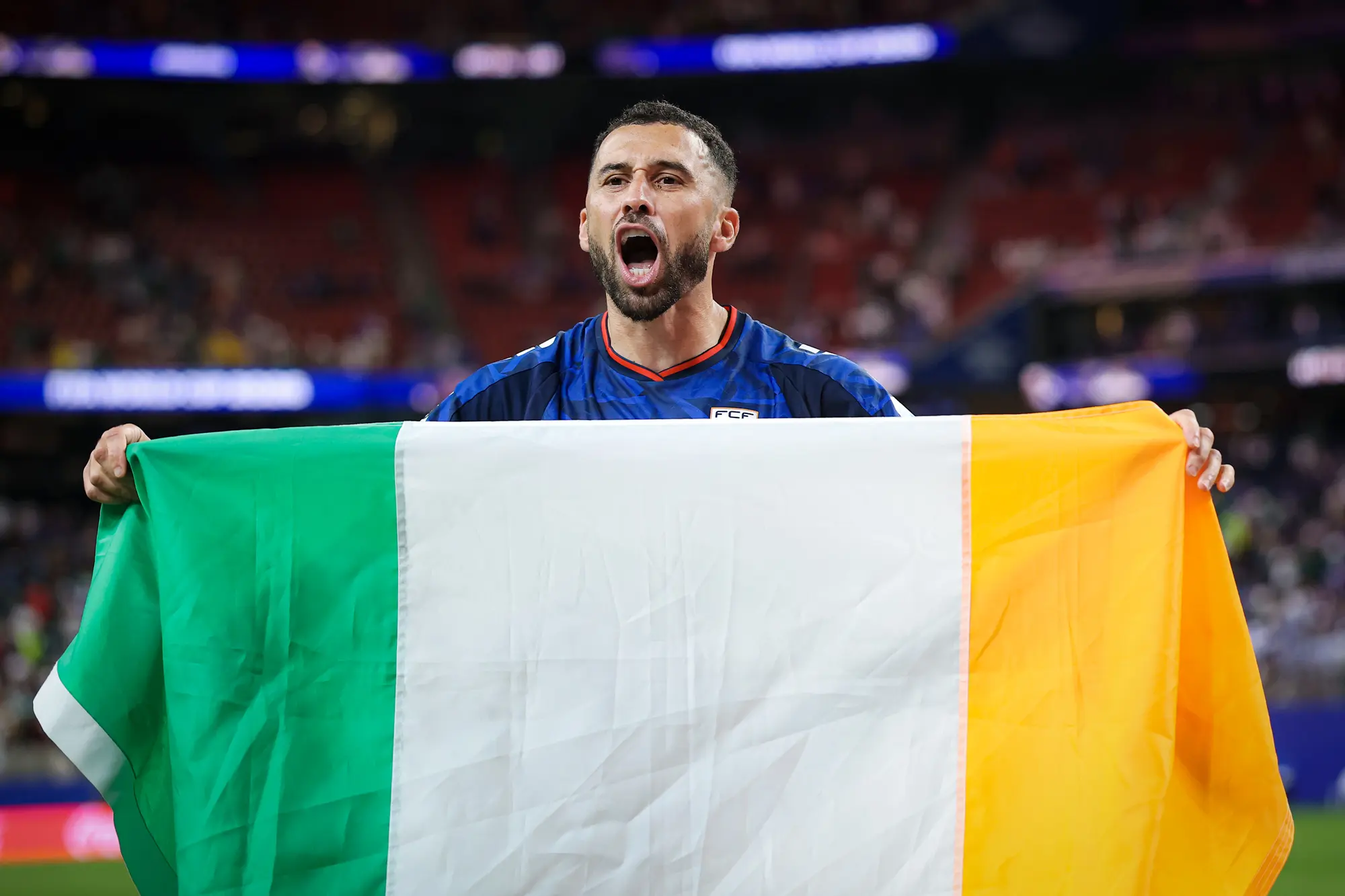
image-6057234
Roberto “Pico” Lopes (#4) of Cape Verde celebrates with an Irish flag after the 0–0 draw during the FIFA World Cup 2026 match against Saudi Arabia at Houston Stadium in Houston on June 26, 2026. Lopes was born in Ireland, but his father was from Cape Verde. Francois Nel/Getty Images

On the other hand, FIFA’s policy appears to have put an extra focus on the children of first-generation immigrants, questioning whether their talents should side with one’s nationality or cultural heritage, and whether or not one had to choose between the two.

For instance, 18-year-old striker Lamine Yamal could have played for his father’s native Morocco, but he chose to join the Rojas. Upon scoring his first World Cup goal for a Catholic-majority country, he performed what appeared to be an Islamic prayer of thanks on the field.
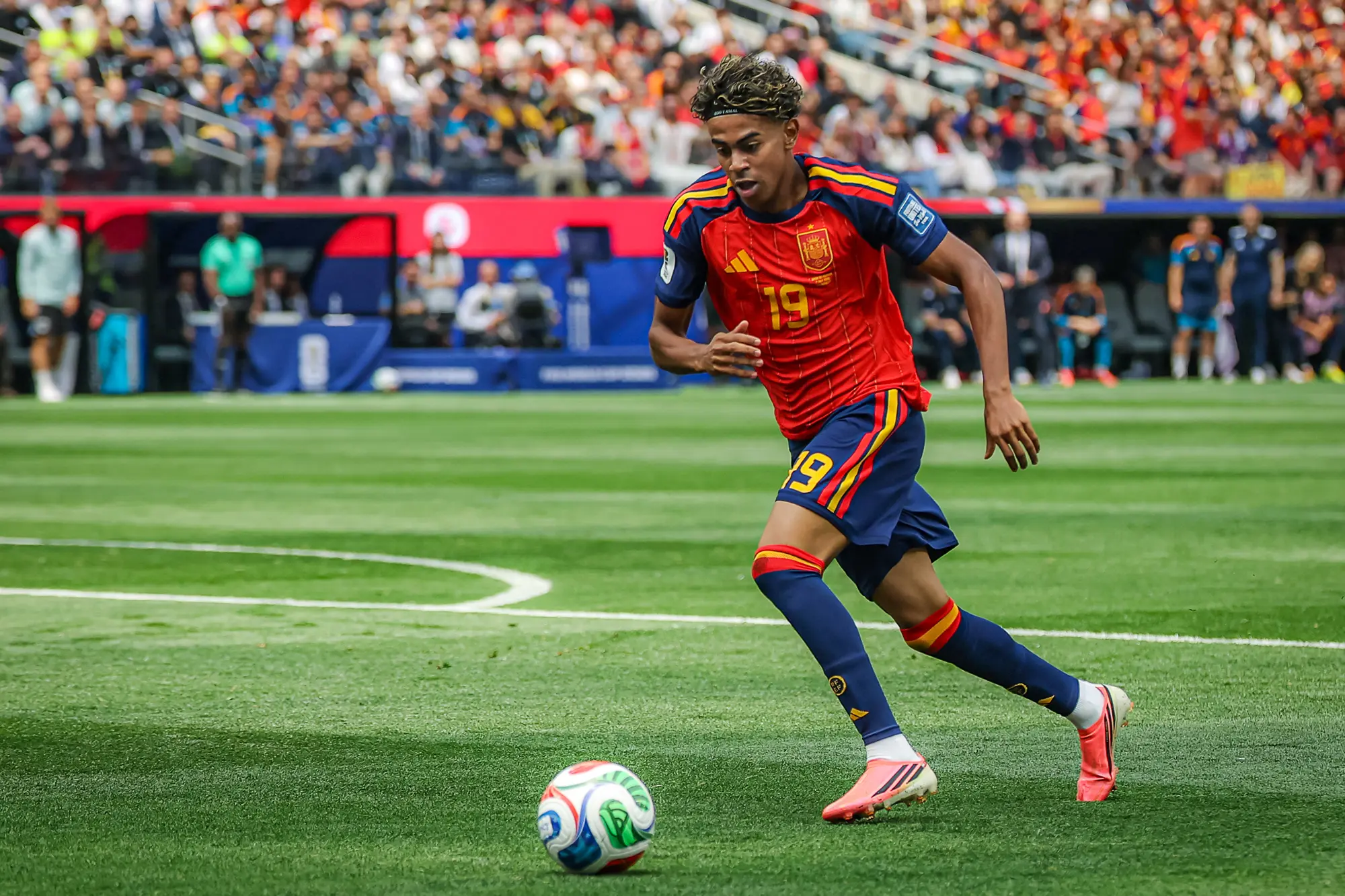
image-6057235
Spain's forward Lamine Yamal (#19) controls the ball during the 2026 World Cup match between Spain and Austria at the Los Angeles Stadium in Inglewood, Calif., on July 2, 2026. The 18-year-old could have played for his father’s native Morocco, but he chose to join the Rojas. Etienne Laurent / AFP via Getty Images
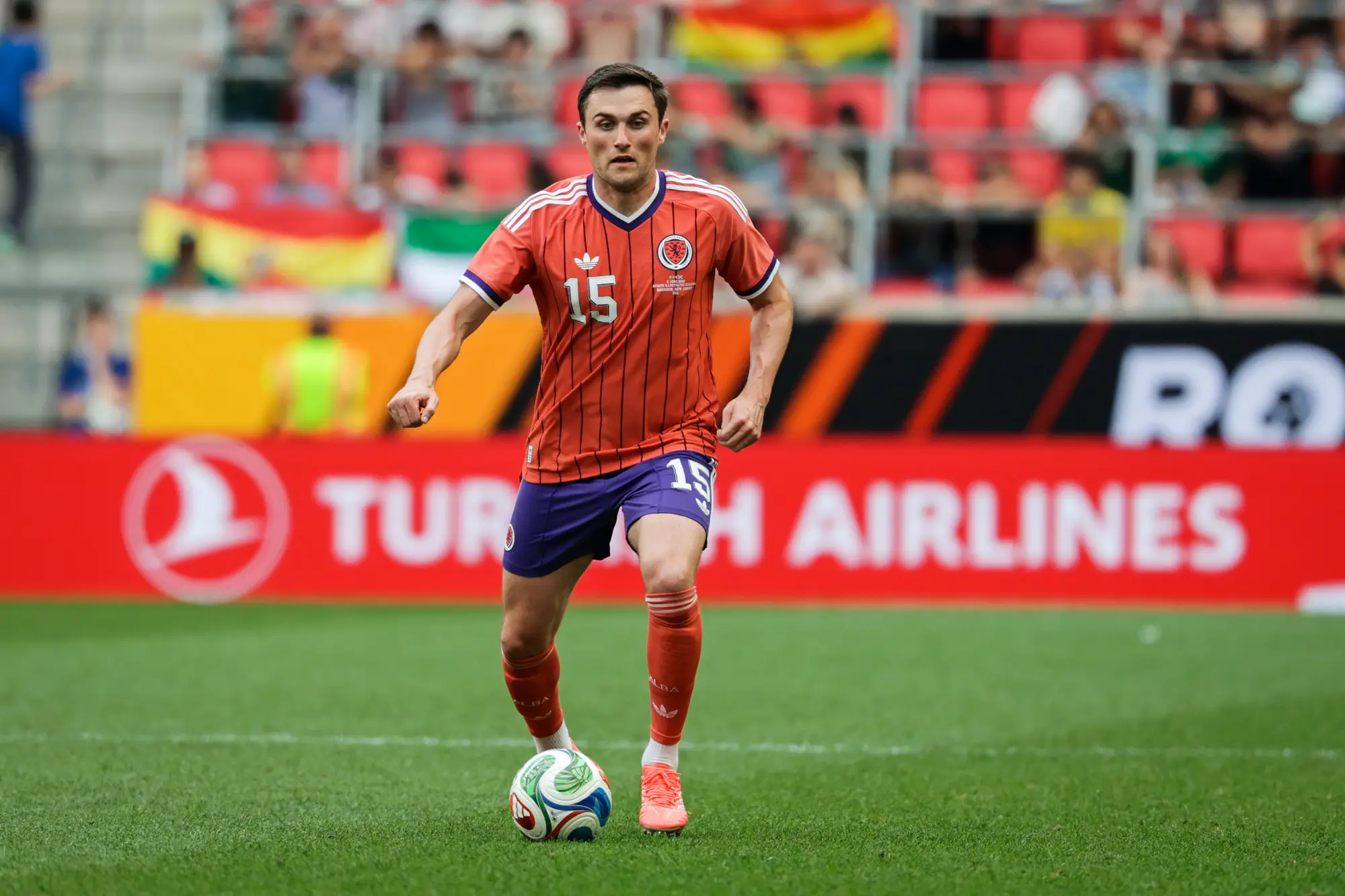
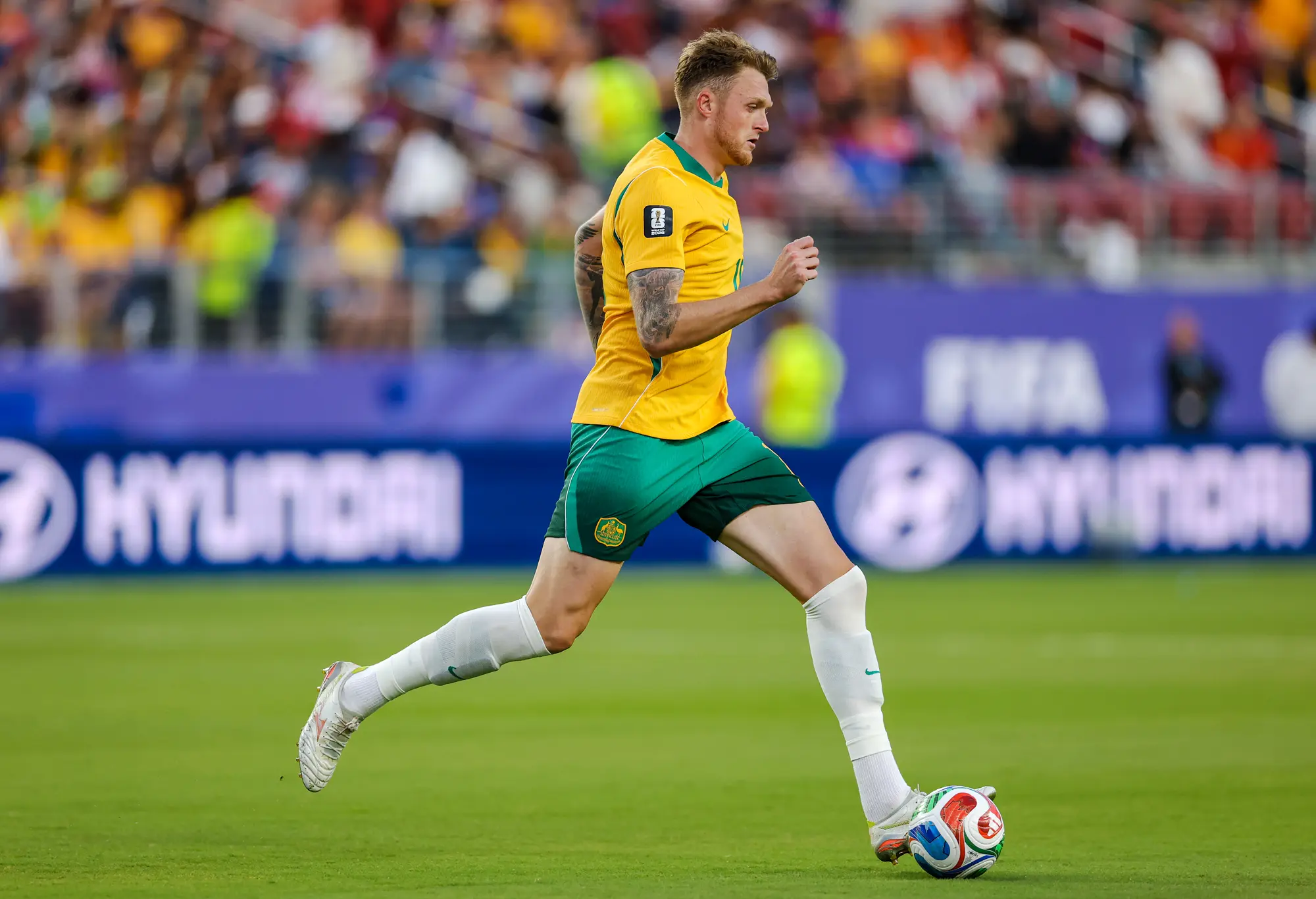
Multiple sets of brothers have divided on this choice. Désiré Doué chose to play for his native France while his brother Guéla chose to play for his father’s native Ivory Coast. John Souttar chose Scotland while his brother Harry chose Australia, and Nico Williams chose his native Spain while his brother Iñaki chose his parents’ native Ghana.

France’s star player, Kylian Mbappé, was born and raised in France, but his father was from the Cameroonian island of Djébalè and his mother is of Algerian origin, so he could have played for Cameroon or Algeria. However, he explained in an older interview that while Cameroon demanded large sums of money to add him to their team, France welcomed him with open arms.

Despite his lineage, he considers himself a Frenchman.

“I am not a Cameroonian. I am a Frenchman,” he said in the interview. “Cameroon now calls me and attributes me to a nationality which is not mine. I am French and I will remain French.”
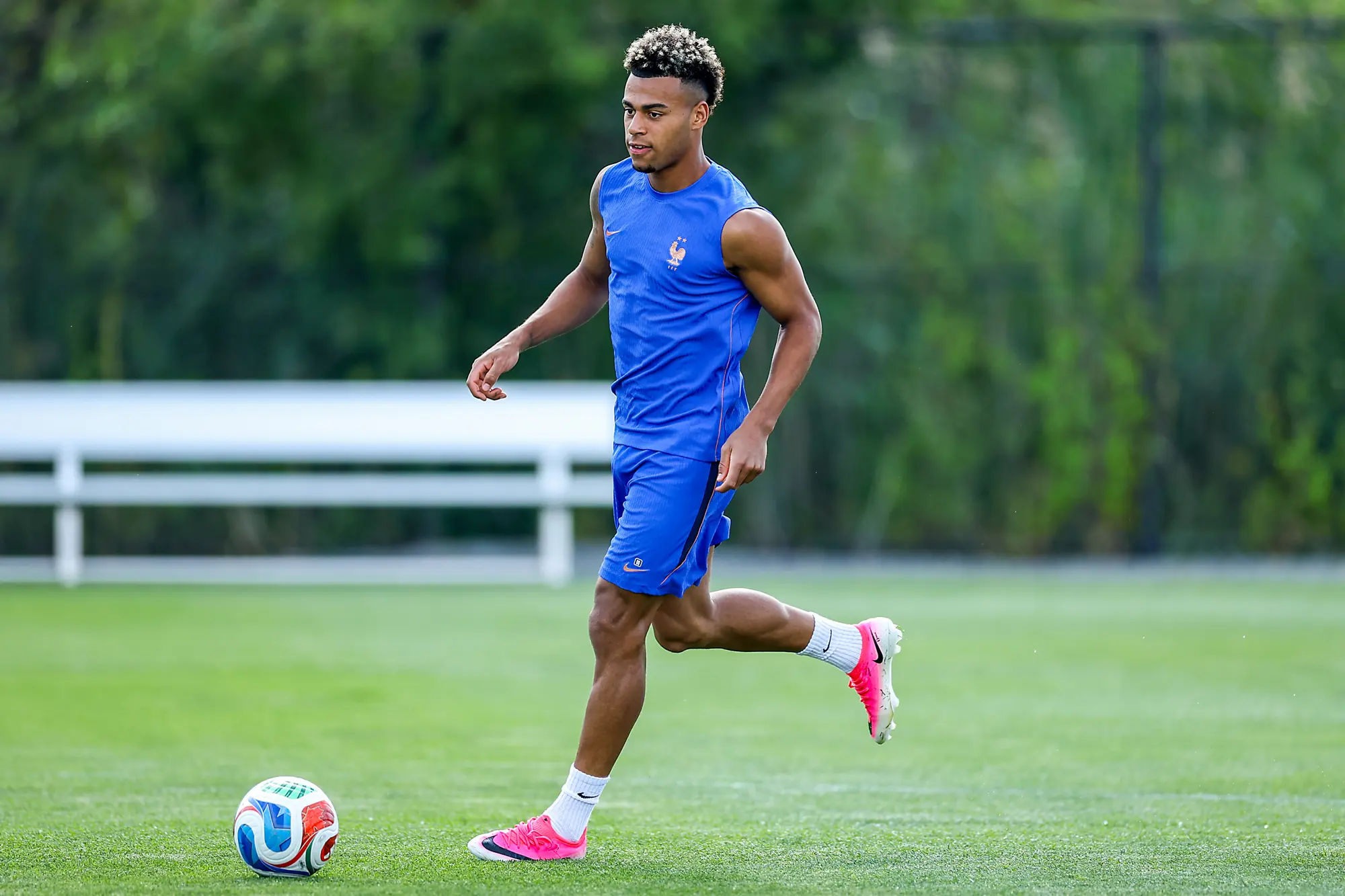
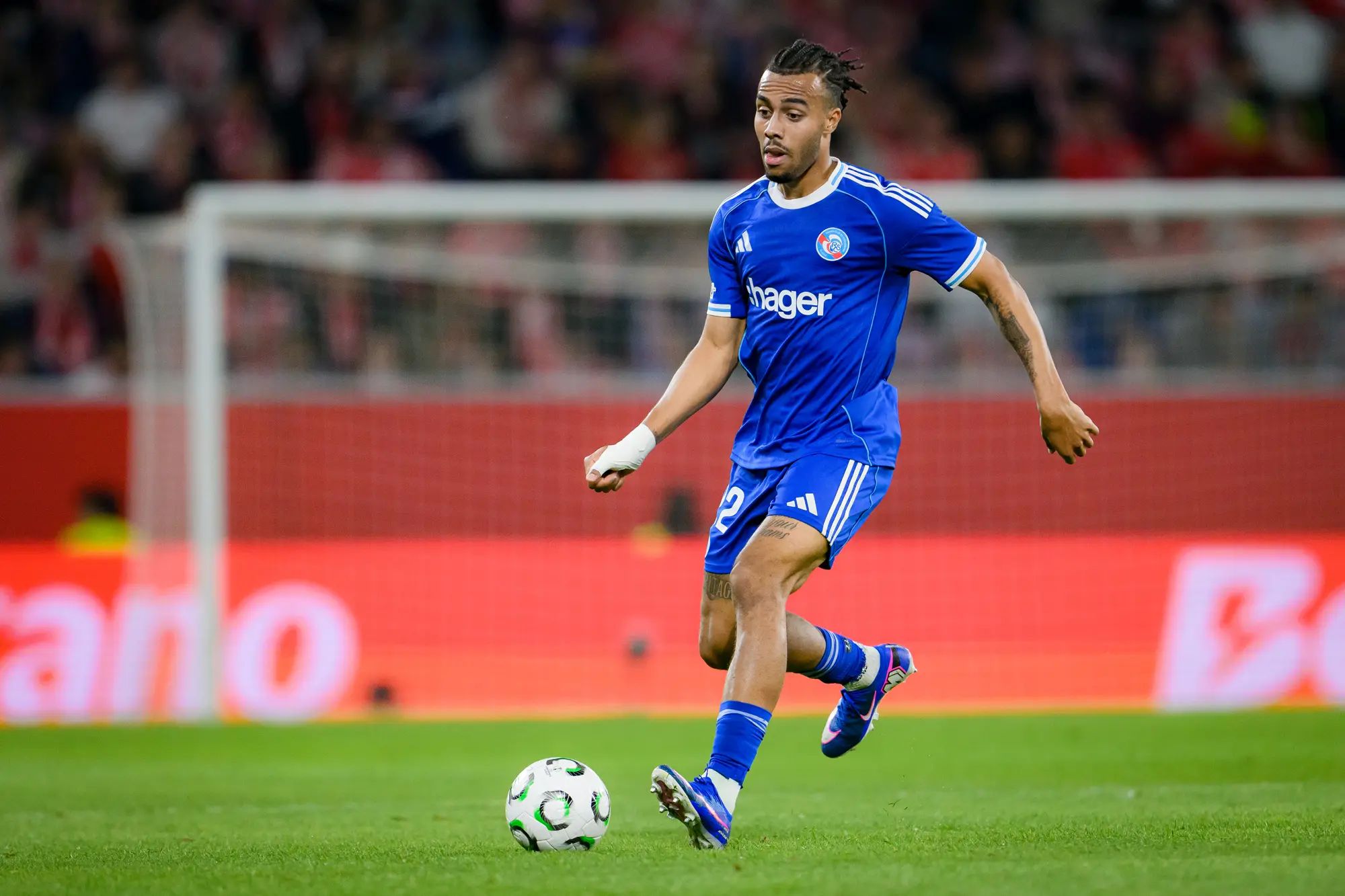
image-6057225
image-6057229
image-6057925
image-6057222
(Top Left) Désiré Doué (#20) of France participates in training a day ahead of the FIFA World Cup 2026 Round of 32 match against Sweden at Melanie Lane Training Grounds in East Rutherford, N.J., on June 29, 2026. Doué chose to play for his native France, while his brother chose to play for their father’s native Ivory Coast. (Top Right) Guéla Doué of RC Strasbourg in action during a UEFA Conference League match at Mainz Arena in Mainz, Germany, on April 9, 2026. Doué plays for his father's native Ivory Coast in the 2026 World Cup tournament, while his brother plays for France, where the brothers were born. (Bottom Left) John Souttar (#15) of Scotland passes the ball during an international friendly match between Scotland and Bolivia at Sports Illustrated Stadium in Harrison, N.J., on June 6, 2026. Souttar chose to play for his native Scotland while his brother Harry chose Australia. (Bottom Right) Australian player Harry Souttar in action during the FIFA World Cup 2026 match against Paraguay at San Francisco Bay Area Stadium in Santa Clara, Calif., on June 25, 2026. Souttar and his brother John were born in Scotland. Buda Mendes/Getty Images, Christian Kaspar-Bartke/Getty Images, Adam Hunger/Getty Images, Stu Forster/Getty Images

Making the Right Choice

While scores of players like Mbappé can choose which national team they represent, FIFA rules only allow them to change their association once.

Any player can request a change if he has never gotten playing time or was “fielded” during a game with his first national team.

If he were fielded for the national team, he must have already had the recognized nationality of the team he wants to join, or he must have been under 21 when he was last fielded. He can also request a change if the team he wants to join did not receive FIFA membership until after he had already picked a team.

The request cannot be made if the player has taken the field in at least three games, or if it has been less than three years since he last played a game for his first team.
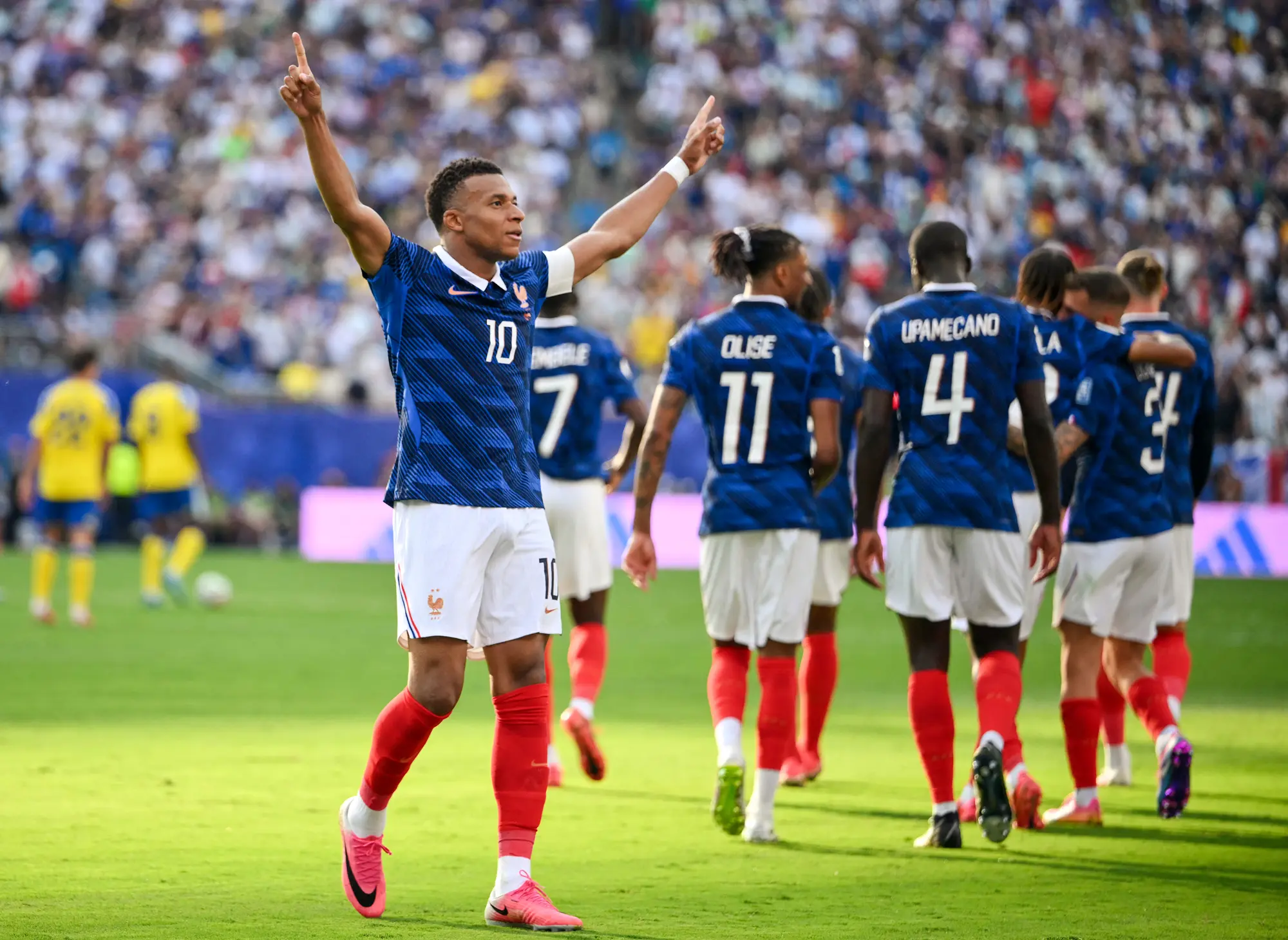
image-6057224
France's forward Kylian Mbappé (#10) celebrates scoring his team's third goal during the 2026 World Cup match against Sweden at the New York/New Jersey Stadium in East Rutherford, N.J., on June 30, 2026. Although his father is from Cameroon and his mother is Algerian, Mbappé considers himself a Frenchman. Angela Weiss / AFP via Getty Images

Balogun made youth appearances for England and could have remained associated with The Three Lions, but, with FIFA’s approval, he used his one and only change to commit to the U.S. men’s national team on May 18, 2023, after attending a training camp in Florida during spring 2023.

His first goal for Team USA came on June 18 of that year, marking one of the two goals scored in a 2–0 victory against Canada in the 2023 CONCACAF Nations League Final in Las Vegas. 

He credits the support he received from fans across social media for influencing his decision to don the Stars and Stripes.

“I’ve always said the fans gave me so much motivation and showed me so much support. The most important thing has always been to be able to repay that,” Balogun said after Team USA’s match against Paraguay on June 12. “I just want to continue to show the fans I made the right decision.”
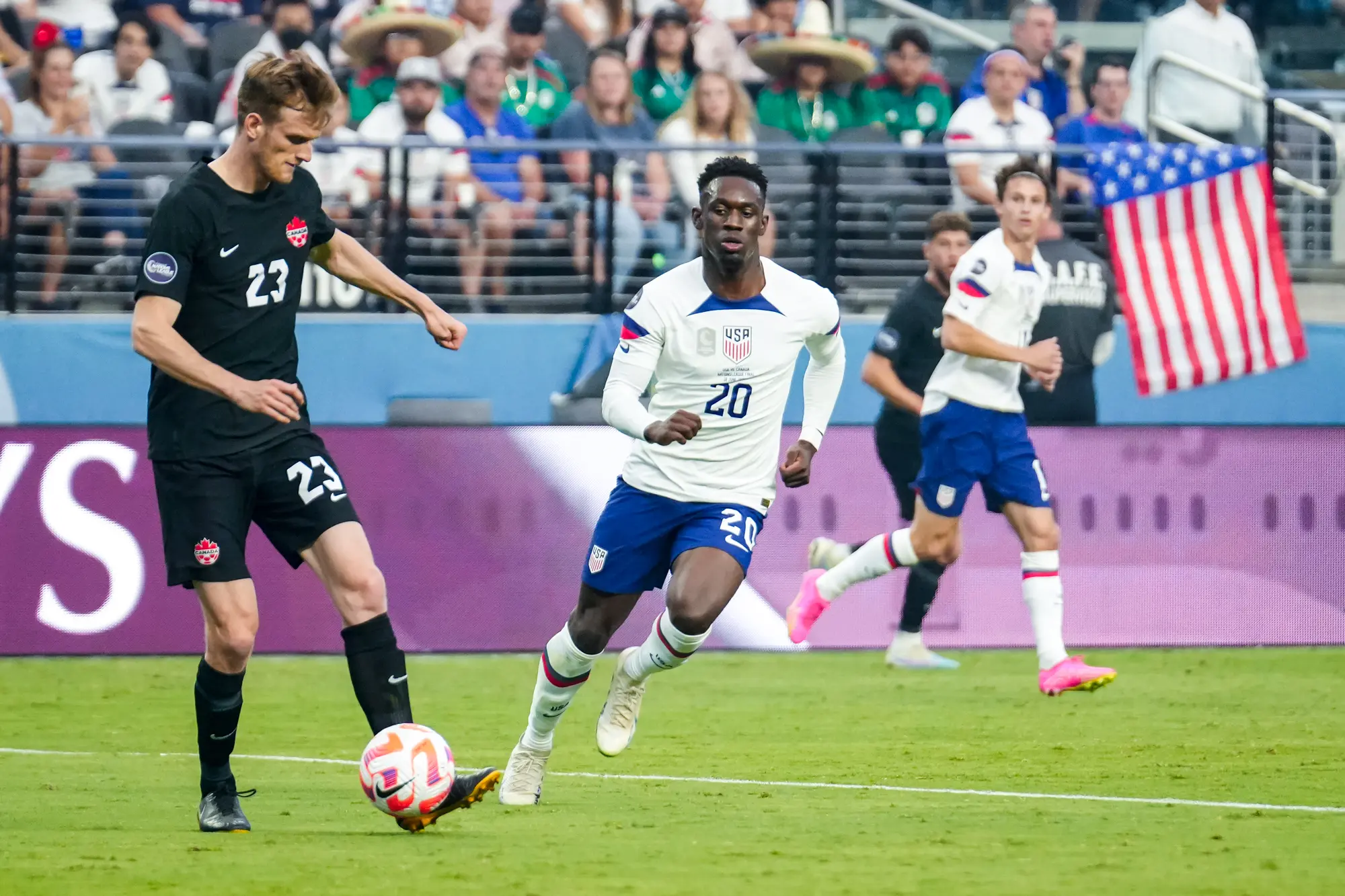
image-6057217
Scott Kennedy (#23) of Canada and Folarin Balogun (#20) of the United States battle for the ball in the first half during the 2023 CONCACAF Nations League Final at Allegiant Stadium in Las Vegas on June 18, 2023. Kennedy was born in Canada and has played for a Belgian team as well as the Canadian men's national team. Balogun was born in New York to a Nigerian mother and raised in the UK. Louis Grasse/Getty Images
AD