
WASHINGTON—President Donald Trump successfully brokered a cease-fire deal between Israel and the Hamas terrorist group, seen by many observers as a groundbreaking chance to end the two-year conflict and establish lasting peace in the Middle East.
Following days of negotiations in the Egyptian city of Sharm El-Sheikh, Hamas signed an agreement on Oct. 9 to release all 48 hostages—living and deceased—held in Gaza. It is estimated that about 20 hostages remain alive.
Since it attacked Israel on Oct. 7, 2023, Hamas has used Israeli hostages as leverage in negotiations with Israel. In previous peace negotiations, the group had agreed to only partial releases. Its decision to release all hostages now is a significant breakthrough in the peace process, fueling optimism that a lasting peace in the region may finally be possible.
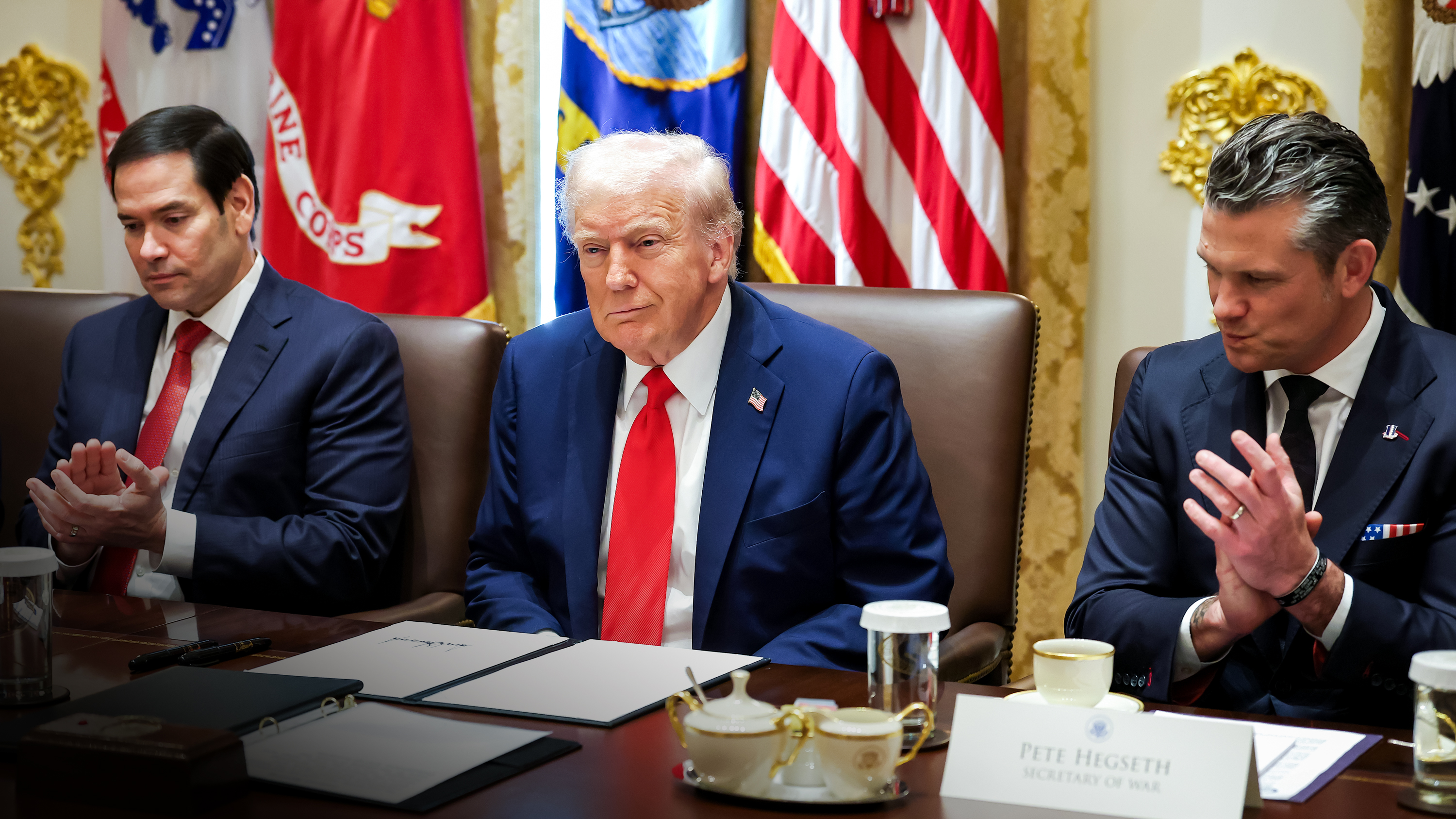
Trump hailed the agreement as a “momentous breakthrough.”
“It’s something that nobody thought was possible, and we’re going to end up having peace in the Middle East,” he said on Oct. 9 during a Cabinet meeting at the White House.
He announced that the hostages will be released early next week—likely on Oct. 13 or 14.

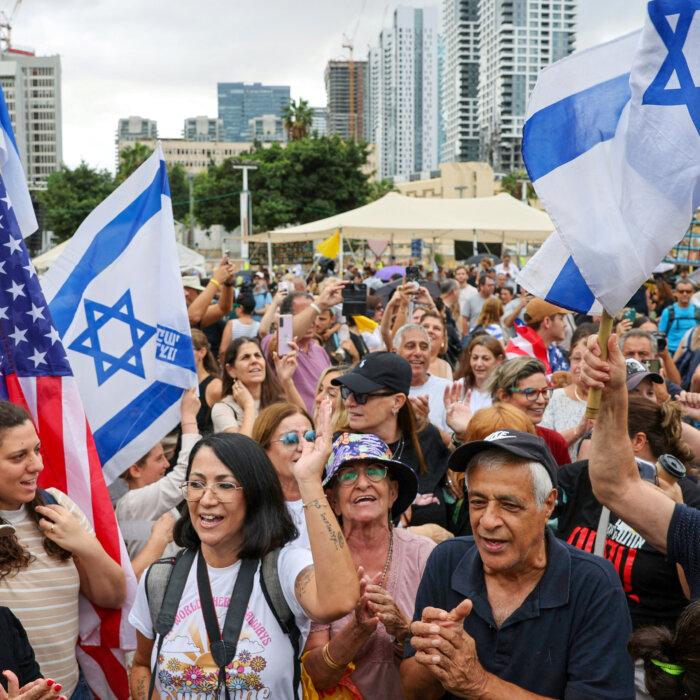
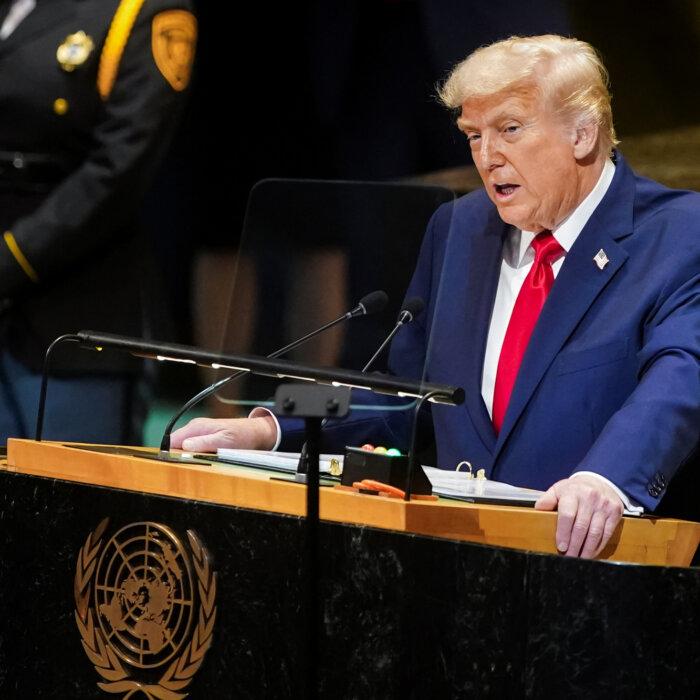
“That'll be a day of joy,” Trump said.
He also said he plans to visit Egypt to attend the official signing of the cease-fire agreement.
Although many are hopeful, skepticism persists among experts about Gaza’s future and the successful implementation of the second phase of Trump’s 20-point peace plan.
Former NATO Secretary-General Anders Fogh Rasmussen said Trump’s peace plan could be used as a blueprint to solve other conflicts.
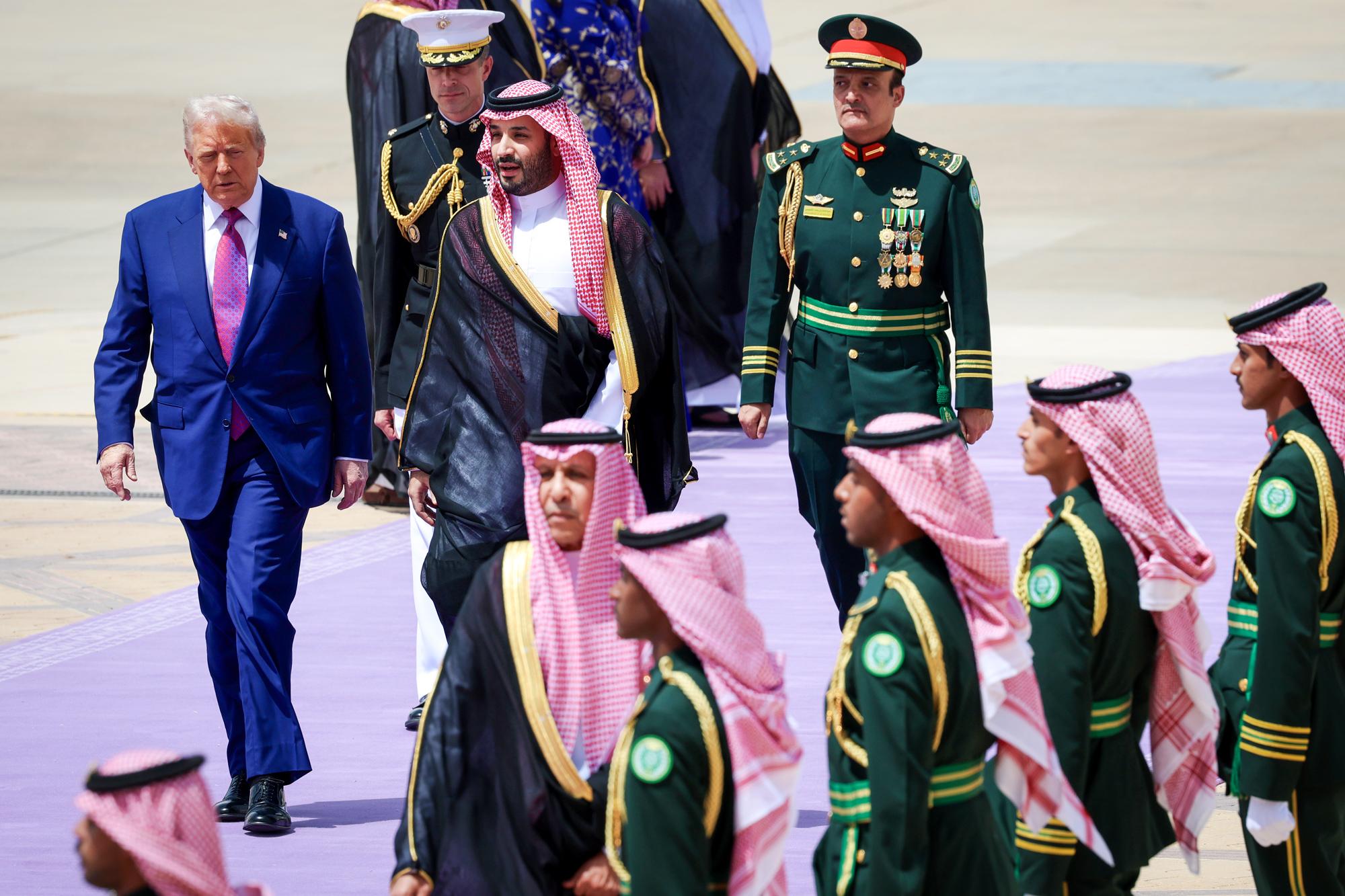
Building Trust in Middle East
Trump used his deal-making style to broker a Middle East agreement that had been months in the making, according to Secretary of State Marco Rubio.The president’s first step included a visit to the Gulf nations in May, where he prioritized building personal bonds with the leaders of Saudi Arabia, Qatar, and the United Arab Emirates.
During the Oct. 9 Cabinet meeting, Rubio praised Trump’s strong relationships with Middle Eastern leaders, saying his visit in May “created the foundation” that made the peace plan possible.
“Remember a month ago, I never thought this was possible,” Rubio said.

He said that the turning point occurred at the United Nations a few weeks ago, when Trump convened a “historic meeting” with the leaders of Arab, Muslim-majority nations to rally them behind his peace plan.
“The United States shall regard any armed attack on the territory, sovereignty, or critical infrastructure of the State of Qatar as a threat to the peace and security of the United States,” the executive order stated.
Netanyahu’s Endorsement
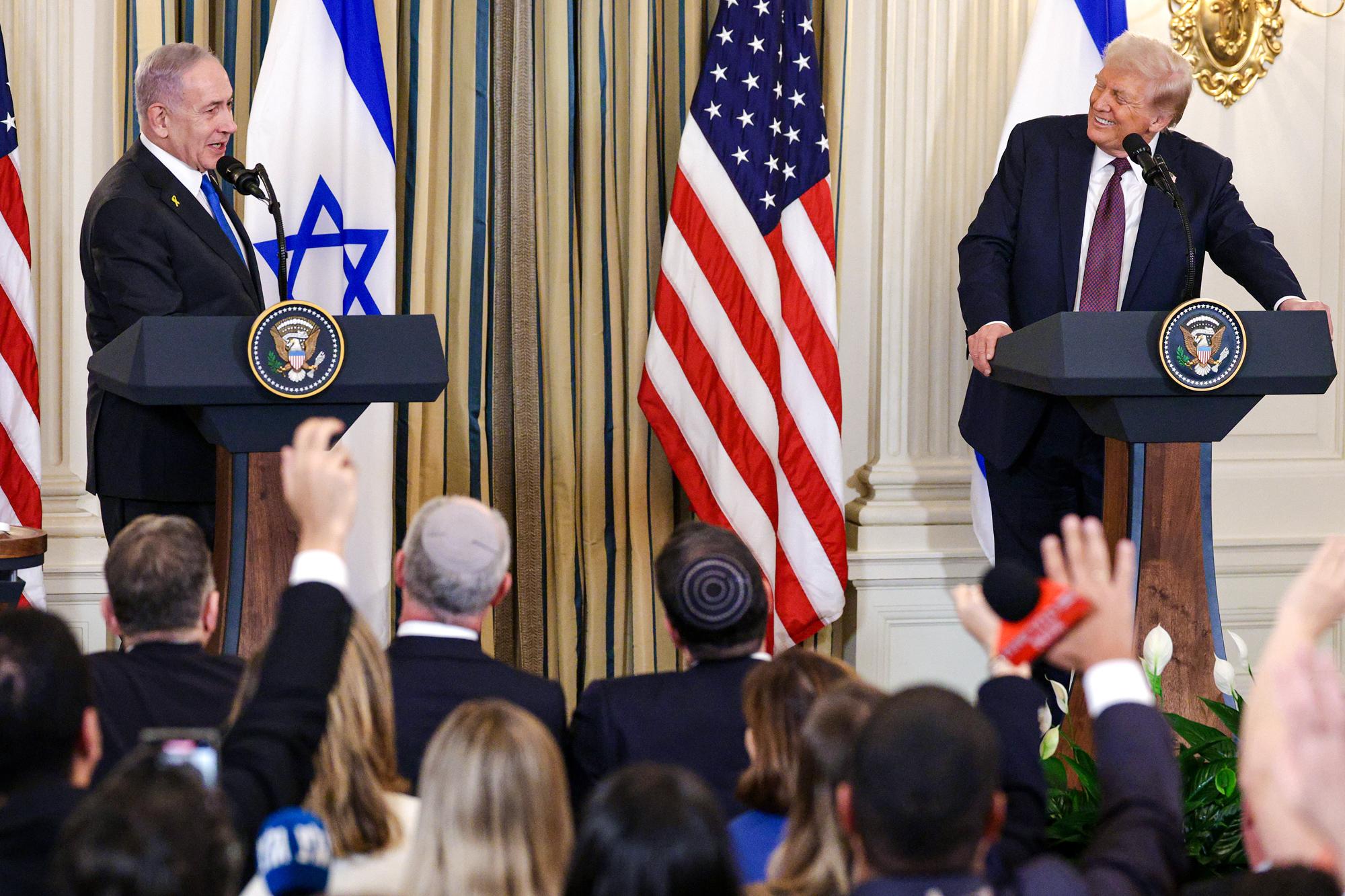
Gaining the backing of Arab and Muslim nations was crucial, but Trump’s pivotal breakthrough came on Sept. 29, when Israeli Prime Minister Benjamin Netanyahu endorsed the U.S. president’s peace plan during a White House visit.The agreement stipulated that Israel would refrain from annexing Gaza. It recognizes Palestinian statehood as “the aspiration of the Palestinian people” and says conditions may exist for a Palestinian state once specific criteria are met.
Just a week prior, Netanyahu had sharply criticized Western nations, including the UK, France, Canada, and Australia, for recognizing a Palestinian state.
“Donald Trump has demonstrated a degree of will unlike any other president, Republican or Democrat,” he said.
Miller served under several secretaries of state from 1978 to 2003 and participated in Arab–Israeli negotiations during that time.
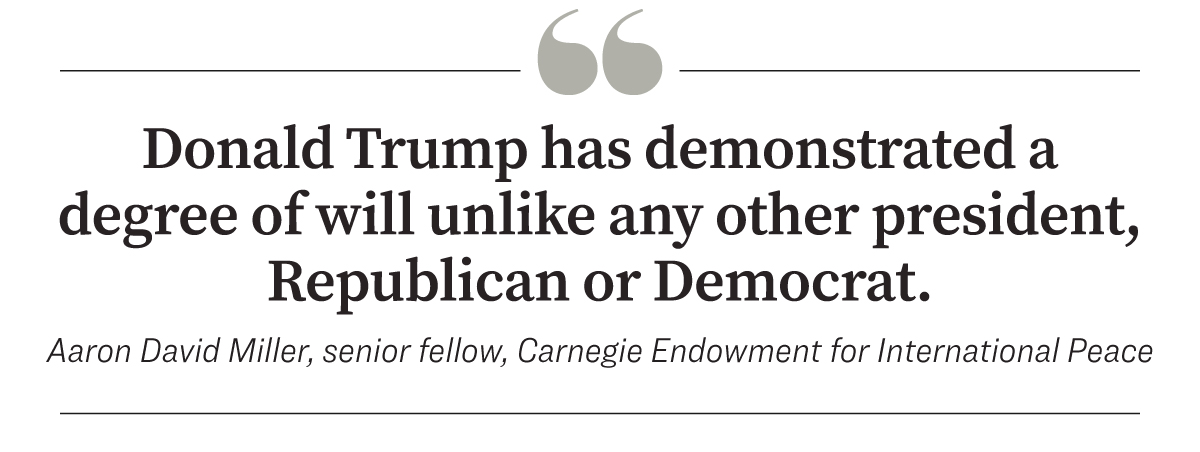
“He has pressed an Israeli prime minister in a way that none of his predecessors have ever done—on an issue that that prime minister considers vital to his political survival and the way he would define Israeli security requirements,” Miller said.
What’s Next?
The latest agreement between Israel and Hamas presents a rare chance to end years of conflict, analysts say. Its success depends on navigating the difficult next phase, which involves addressing Gaza’s reconstruction, Hamas’s disarmament, and the long-debated path toward Palestinian statehood.Daniel L. Davis, a retired U.S. Army officer and senior fellow at Defense Priorities, told The Epoch Times that he is hopeful that the deal will put an end to civilian deaths in the Gaza Strip. Still, he expressed skepticism over how the parties will handle the “thorny” issues.
“There’s a lot of potential for this to get derailed. But for today, I’m just happy that the killing seems to have stopped,” Davis said.


Finding and identifying the bodies of the deceased hostages in Gaza will be a major challenge in the coming days. The peace plan specifies that “all hostages, alive and deceased,” be returned within 72 hours of Israel’s public acceptance of the agreement.
According to Israeli media, a joint task force has been created by Israel, the United States, Egypt, Qatar, and Turkey that will offer heavy equipment if it becomes necessary to dig or demolish buildings to access the bodies.
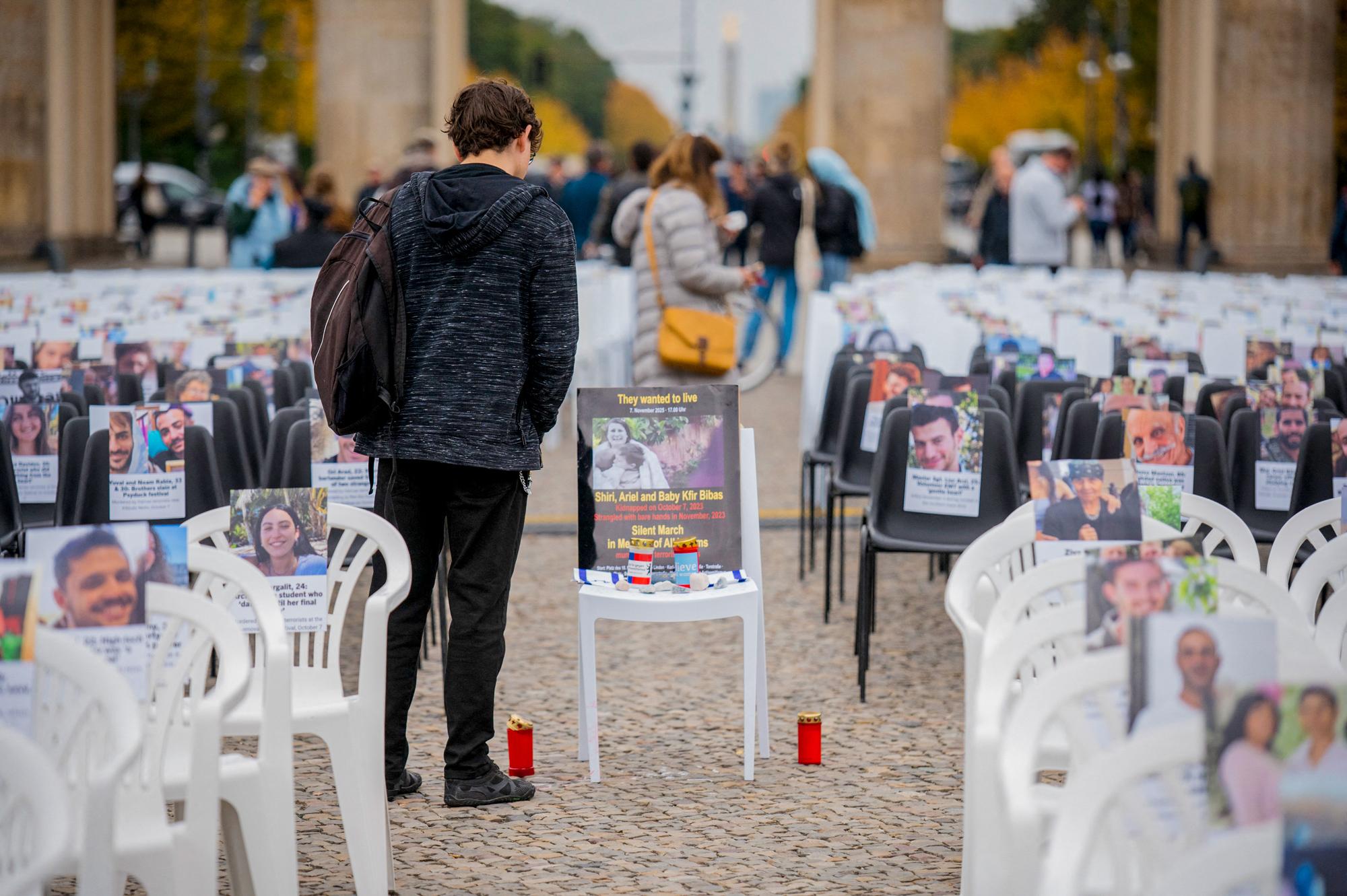
Daniel Flesch, a senior policy analyst for the Middle East and North Africa at The Heritage Foundation, said his initial reaction was one of “joy and relief” for the opportunity to return the hostages from Gaza.
Although many pitfalls may exist in the long-term peace process, Flesch said Israel will have more room to make decisions when Hamas no longer holds its citizens hostage.
“Once the hostages are home, that relieves an immense amount of pressure on this government and the country itself,” he said.
Dalia Ziada is an Egyptian scholar who serves as a research analyst at the Institute for the Study of Global Antisemitism and Policy and as a senior fellow with the Jerusalem Center for Security and Foreign Affairs. She described the next phase as “fragile,” citing deep uncertainty over how Trump’s peace plan will be implemented.
“It’s a great plan on paper. It’s very comprehensive,” she told The Epoch Times. “I know it’s very short, but it has covered everything. I hope there will be a way that it can be implemented as it is written, but still, as you know, the devil is always in the details.”
Ilan Berman, senior vice president of the American Foreign Policy Council, agreed. The deal’s success depends on “sustained international support and investment, on creating a framework for real reform of the Palestinian Authority, and on making sure that Iran can’t serve as a spoiler to these plans,” he told The Epoch Times in an email.
“None of those things are assured.”