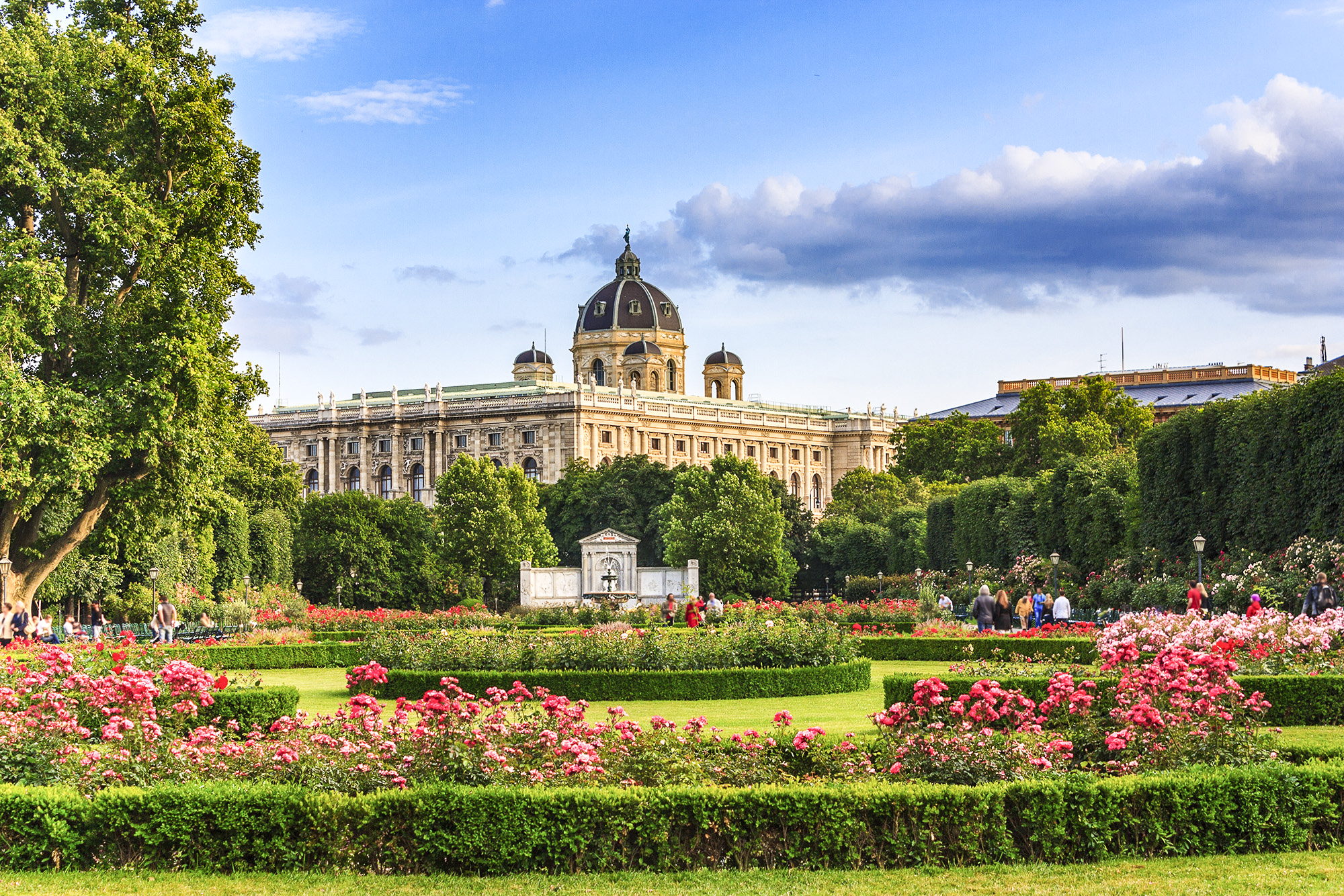
Austria’s capital definitely retains its regal feel. For centuries, this was the beating heart of the Habsburg Empire, a city of towers and palaces and spires. And with power came wealth, drawing painters and musicians and composers—including Beethoven, Mozart, and Strauss.
And while the Austro-Hungarian Empire (as it was later called) dissolved in the First World War, its legacy endures in art and architecture, concerts and performances, and excellent food and drink. Plus, it retains an overall feeling of elegance. Strolling around the city is a pleasure, from the cobblestones in the center to skirting the many Danubes (more on that later). It is compact and walkable, never feeling like an overwhelming metropolis.
Arrival
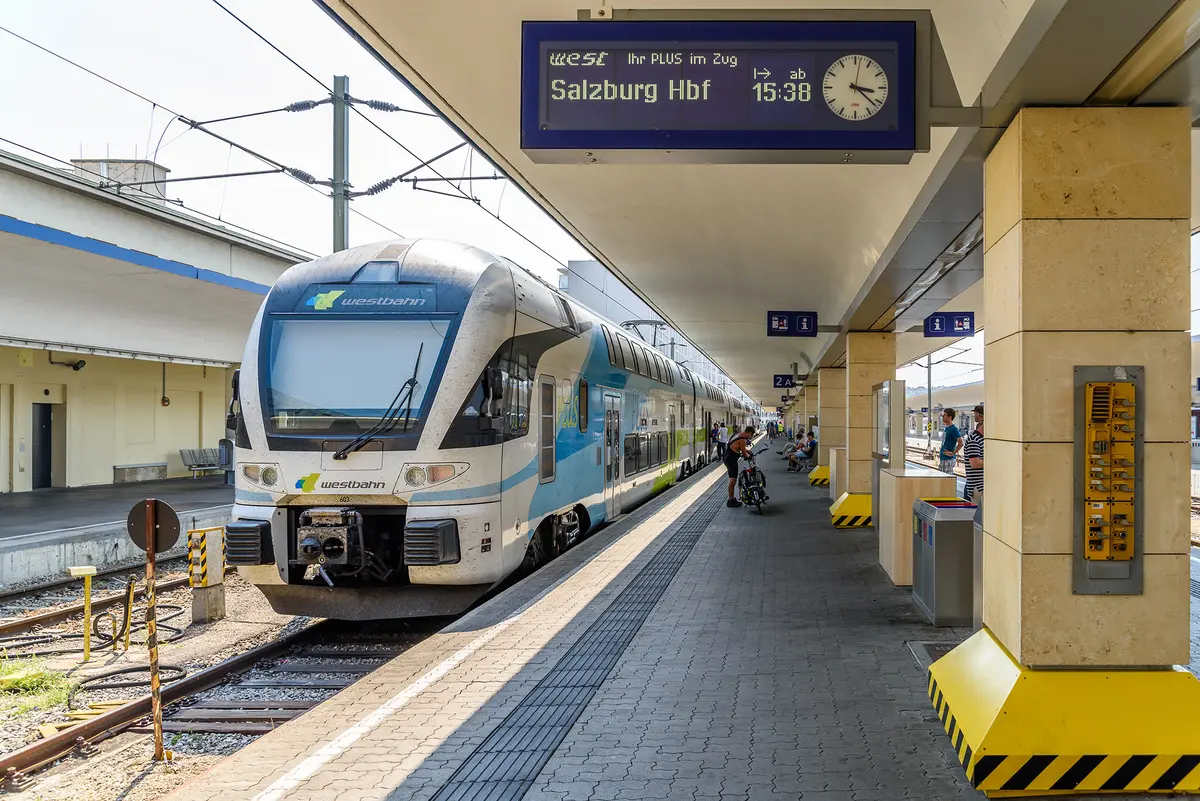
Vienna International Airport (VIE) may not be Europe’s biggest or busiest hub, but it is a pleasant place to land. Home to national flag-carrier Austrian Airlines and serviced by a number of other major carriers, VIE does a good job of connecting this capital with the rest of the world. From North America, you can fly nonstop from a number of cities, including New York, Chicago, Toronto, Montreal, and Washington.From there, you have all the usual options to travel into the heart of town. If you choose the road, a taxi or ride-share will get you there in 30 to 45 minutes. But rail is probably better. You’ll find fast, frequent, inexpensive trips on the S-Bahn and City Airport Train, both of which connect to Vienna’s excellent metro system.
First Things First
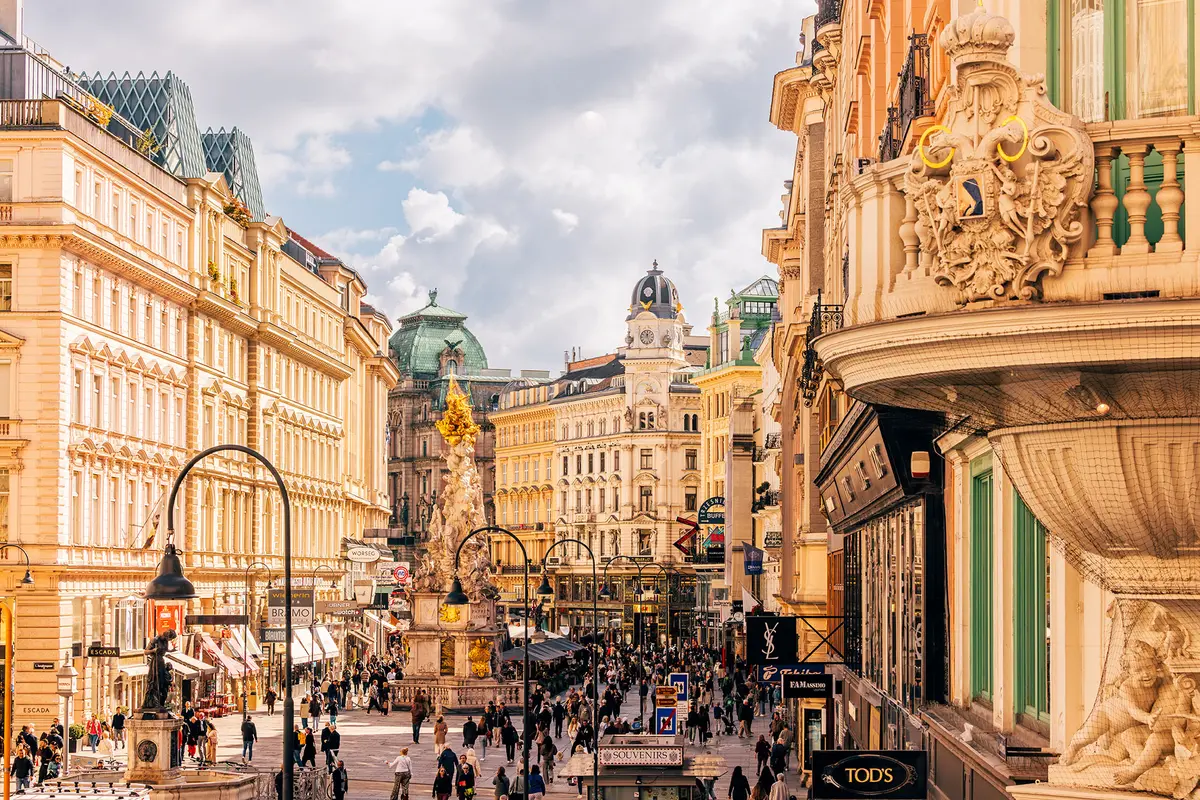
Like Paris or Rome, the Austrian capital is definitely a place that comes with a checklist. And while it may not be as busy as those aforementioned cities in the summer, it pays to plan. Expect the big attractions to be busy, so grab a ticket and time slot online beforehand. And go in the morning, before the heat—and the crowds—build.That checklist definitely includes the two primary palaces of the Habsburgs, Hofburg and Schönbrunn. The former was the main seat of power and home to the imperial family for more than six centuries. Massive and designed to impress, it sits right in the heart of town.
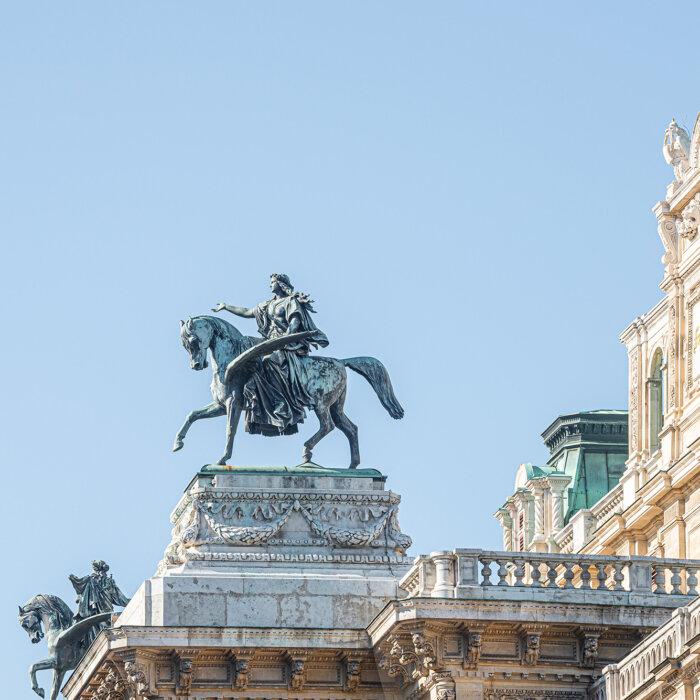
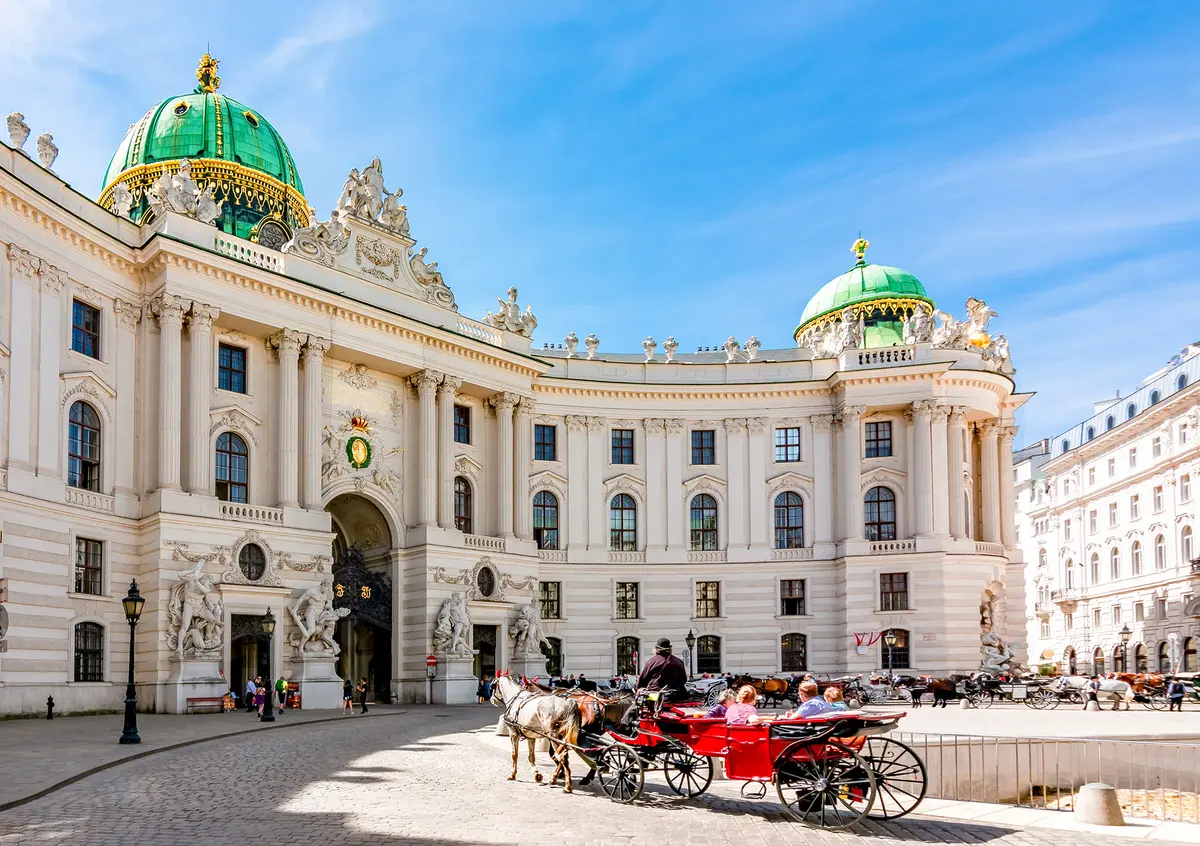
Let’s be honest—palace tours can be a bit boring. You know what I mean. Here’s one old room, and then another, and another, all with both creaky furniture and gold-crested finishes. But Hofburg is much better than most. Inside, the living quarters of Emperor Franz Joseph, who ruled for almost 68 years until his death in 1916, are fascinating. The audio guide that comes with the price of an entry ticket gives not just facts and figures, but also insights into the day-to-day life of a monarch who reigned over an ethnically diverse empire in a dynamic and rapidly changing world.
Definitely make time for the on-site Sisi Museum. Empress Elisabeth, always known as just Sisi, was by turns tragic and compelling. She chafed against the conventions of the court yet contributed to its leadership. Rebelling against traditional royal duties, she preferred wild activities like hiking and horseback riding. Her sole son, the crown prince, committed suicide, and she herself was assassinated by an anarchist in 1898.
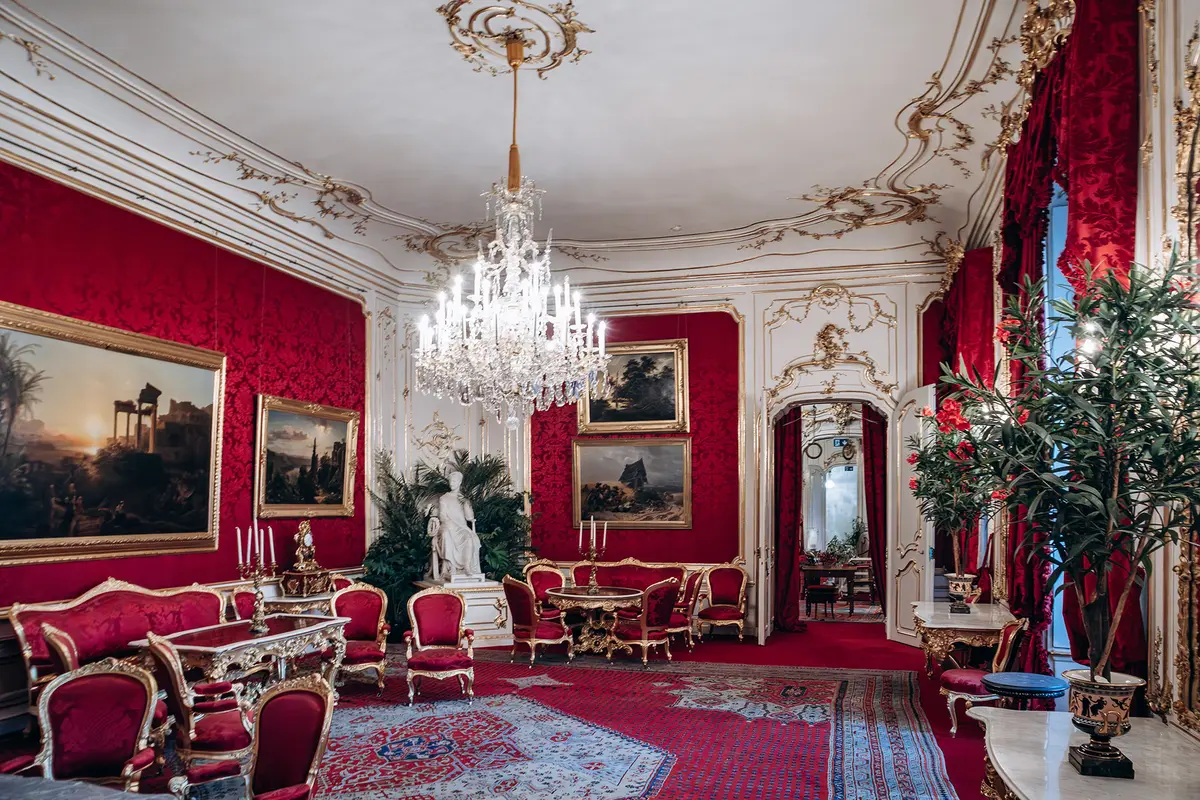
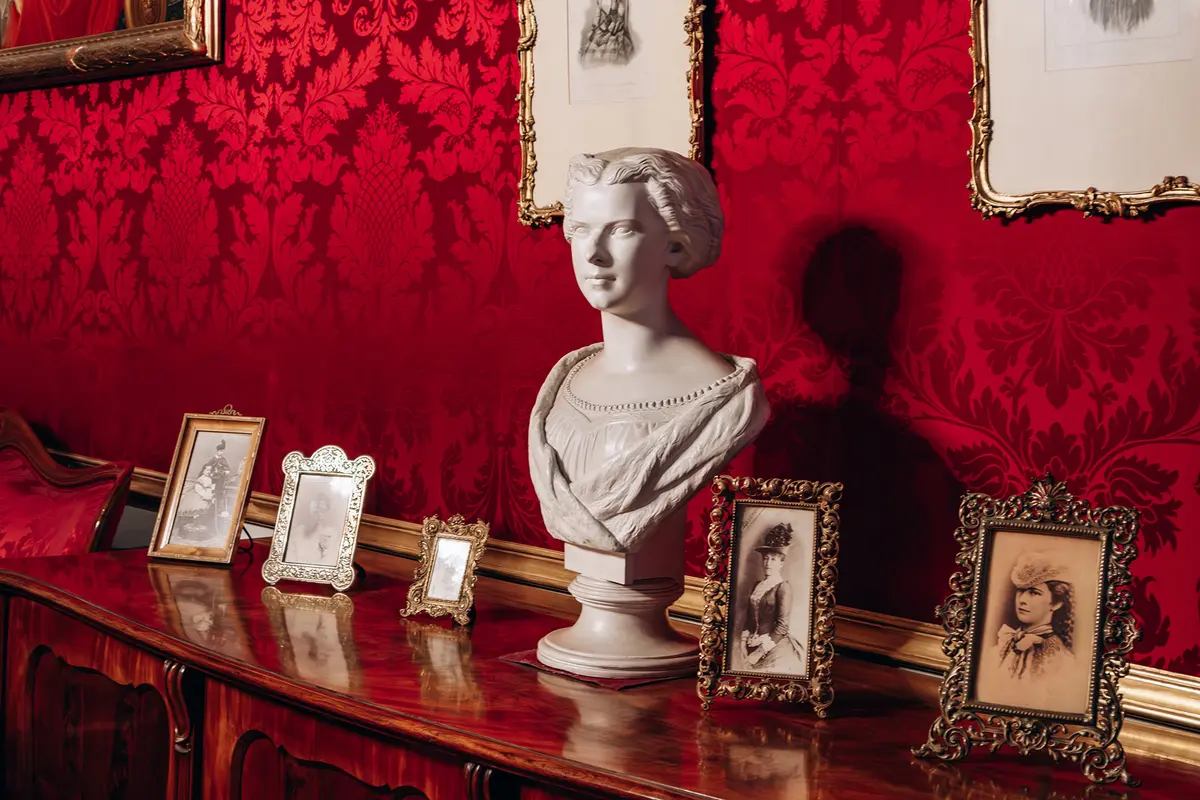
I knew nothing about Sisi before I visited this museum. But many Austrians are still enchanted and transfixed by her, in part because of a 1950s trilogy of films.
“At Christmas, you guys in North America watch ‘The Sound of Music,’” a local guide once told me. “But here, nobody likes that film—instead, we watch ‘Sissi.’”
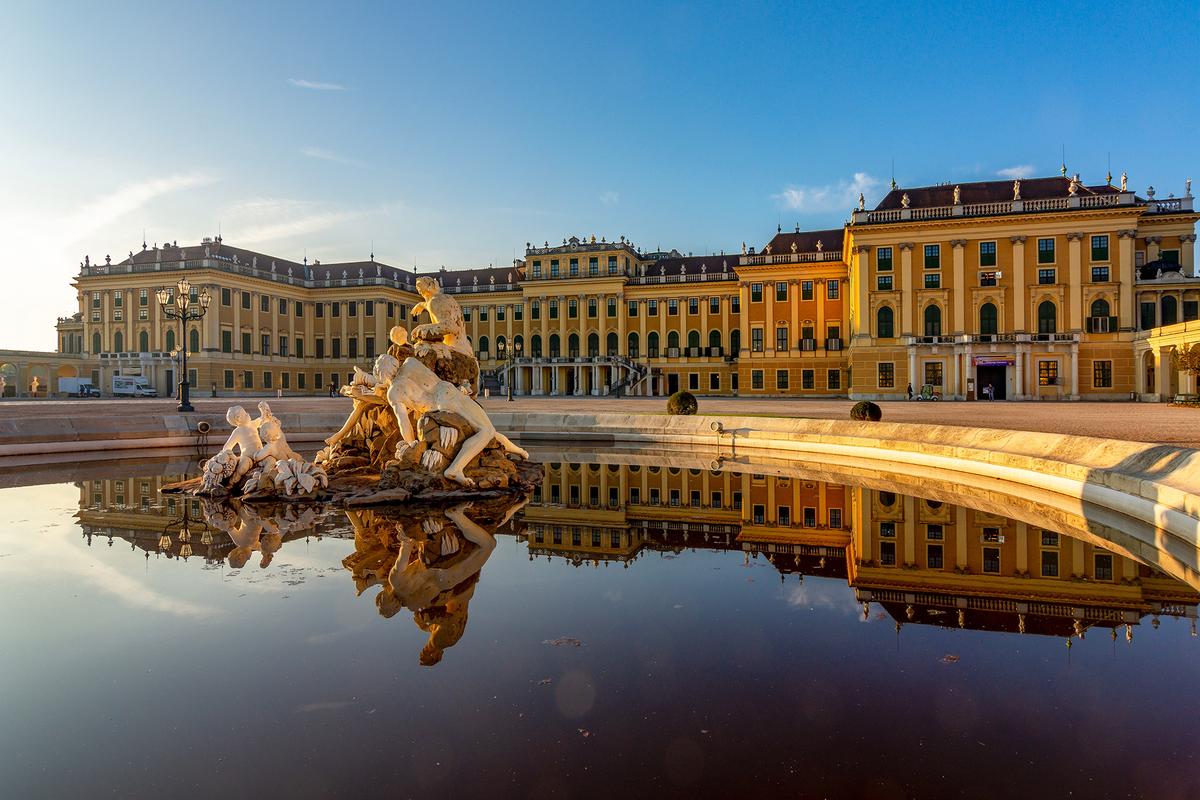
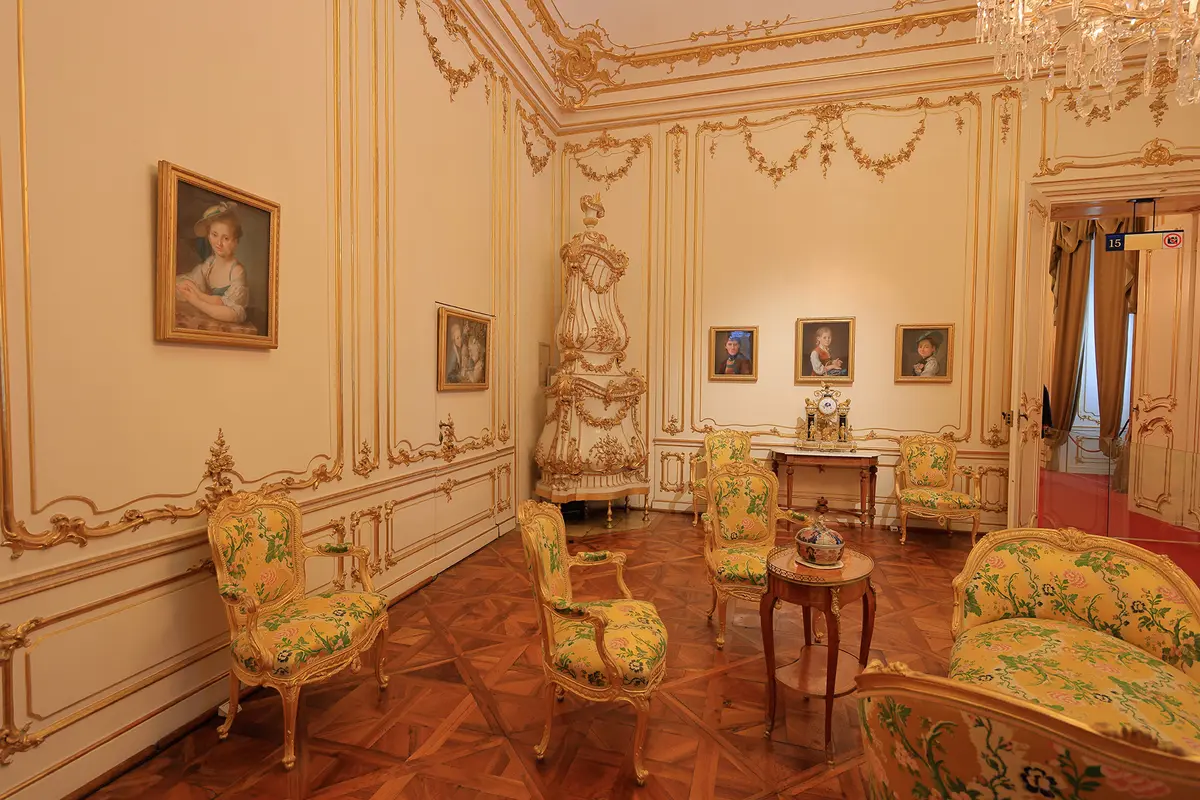
Alright, I’ve spent enough of this article talking about palaces. So for the 1,400-plus-room Rococo summer palace at Schönbrunn, I’ll just say that it’s worth the visit. And make sure to make time for the rambling gardens, which just might be the main attraction—you could spend hours on these carefully manicured grounds, which are full of follies and fountains.
Learn to Waltz
In the 19th century, Johann Strauss II started a dancing revolution. While he didn’t necessarily invent it, the “Waltz King” got all of Vienna swinging and stepping. Dance halls popped up everywhere. And everyone, from all tiers of society and walks of life, went out to waltz.It’s a little hard to believe now, but these graceful movements were, at the time, considered controversial, even scandalous. Because it required you to hold your partner, some called it “the devil’s dance.” But the sheer fun of all that whirling and twirling overcame any prudishness, and the Viennese Waltz endures today, recognized by UNESCO as an Intangible Cultural Heritage of Humanity.
Enjoy a Wiener
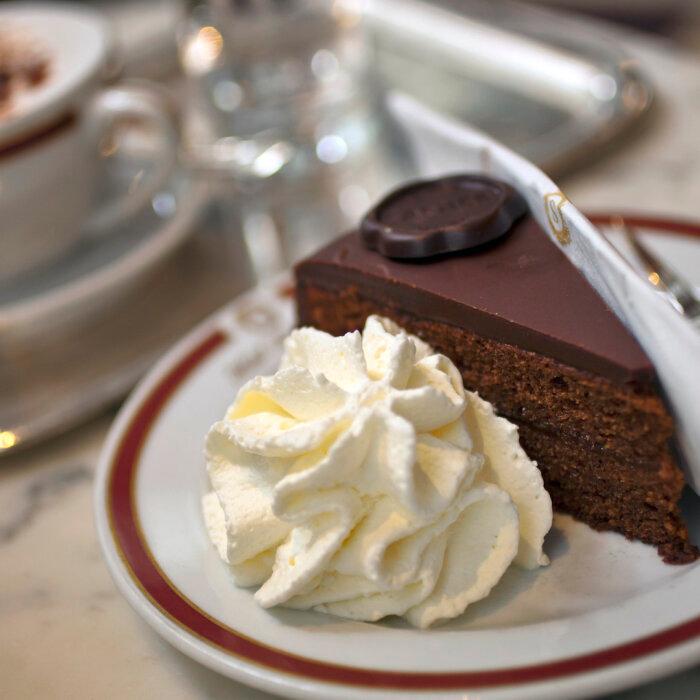
Fine dining is definitely available here, with over a dozen Michelin-starred restaurants in town. But I prefer what Anthony Bourdain called “peasant food”: pub grub. The fare enjoyed by everyday residents.The Wiener definitely fits this bill. The roots of famous foods are always complicated and contested, but this much is clear: In 1805, Frankfurt-trained butcher Johann Georg Lahner unveiled his now-famous sausage, the Wiener, in Vienna (Vienna is “Wien” in German). It’s a mixture of pork and beef. Eventually, this worker’s food made its way across the Atlantic and became America’s hot dogs.
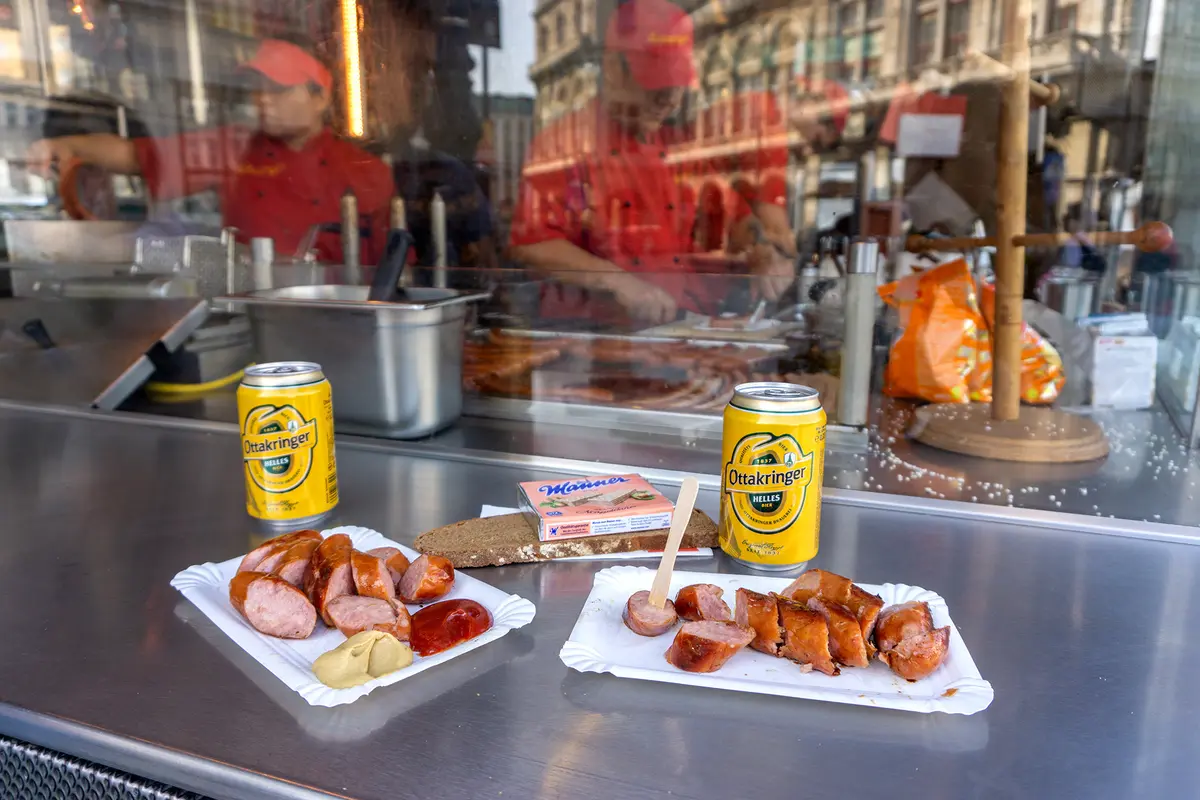
Small kiosks sell them all across Vienna, alongside other classics like bratwurst and currywurst. Cheap, fast, and lovely on a hot day with a cold pint of local brew, they have many times been my fuel on a busy day of exploring.
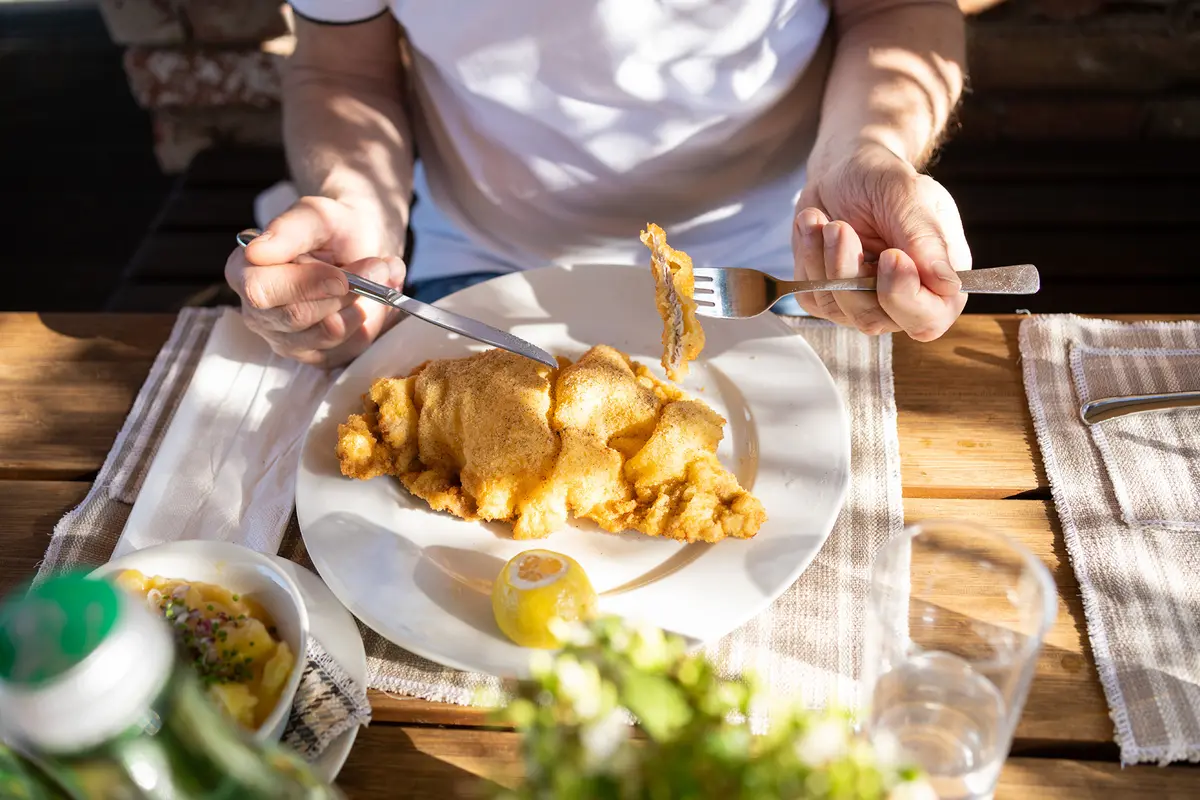
And just a note: You can’t leave without enjoying a steaming plate of Wiener schnitzel. They were traditionally veal that was pounded thin, breaded, and fried, though pork versions have lately become more popular. Many outlets claim to serve the best in town. A recommendation—save this dish for dinner. After a heaping portion, perhaps paired with potatoes or spatzle, you’ll probably need to lay down for awhile.
The Blue Danube
I’ve sailed the length of this famous river, from (almost) the Black Sea in Bulgaria to Bavaria. And I can testify that I’ve never spotted any shade of azure or aquamarine, or even navy, along the way. But Strauss’s famous 1867 orchestral piece forever tied this color to the waterway. (It was simply a poetic touch. Strauss wasn’t colorblind, but rather was using his artistic license.)Like many historic cities, which were built first for boats (with roadways and cars coming many centuries later), Vienna is a place best seen and enjoyed from the water. And, you have choices.
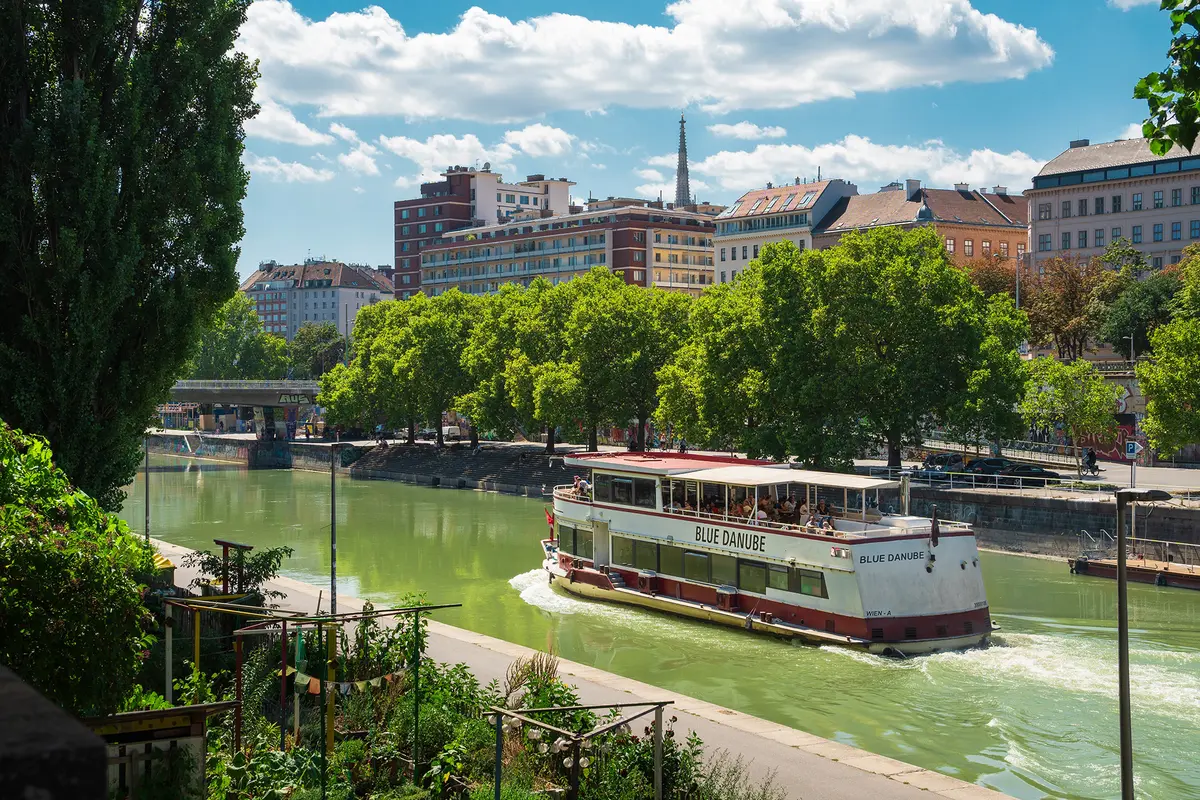
You see, a funny thing happens when the Danube rolls into Vienna. In order to control floods, engineers divided the river into four different waterways, each with its own character and feel.
The actual, main flow is the least desirable, used mostly by commercial craft and river cruises, passing through industrial parts of the city. The Danube Canal cuts through the heart of the capital, just steps from the famous spire of St. Stephen’s Cathedral. It is lined with the patios of cafes and restaurants, an excellent spot for a breezy evening stroll followed by a glass of local riesling, perhaps grown and produced within the city limits. (More on that in a minute.)
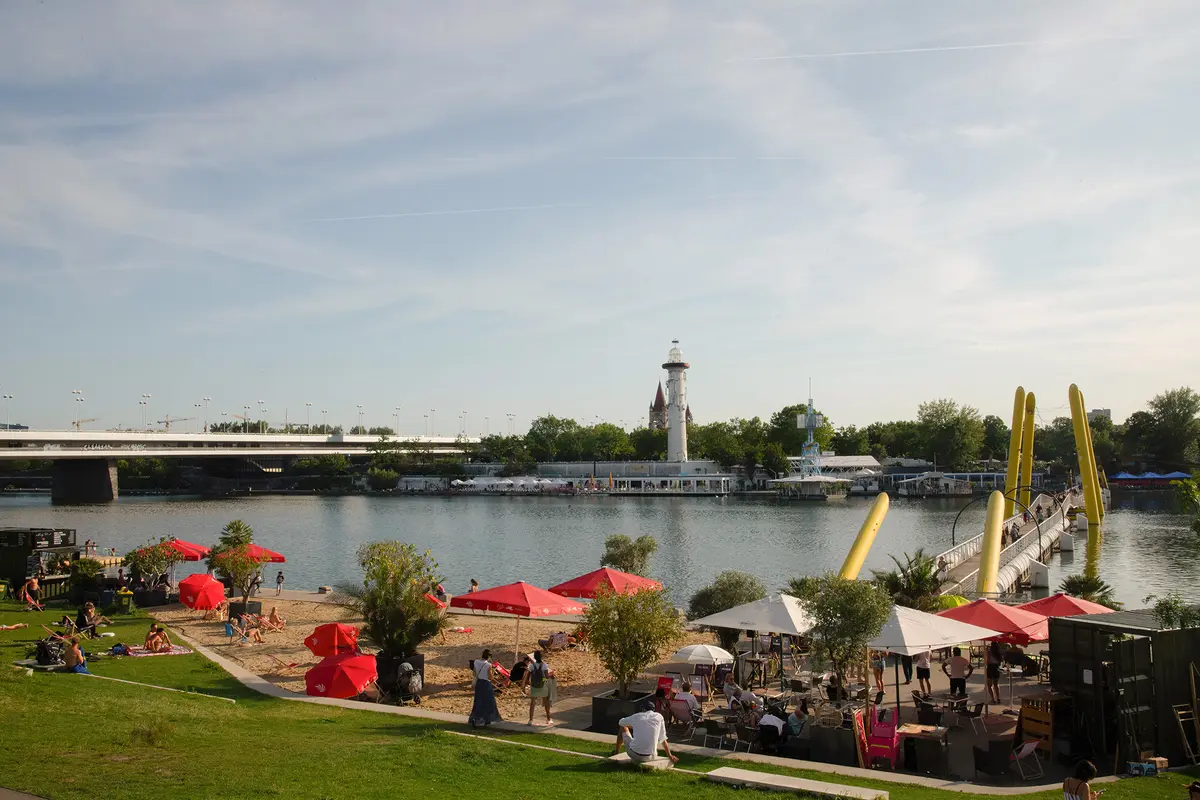
The Old Danube is a favorite local place to play. Its warm, languid pace is perfect for swimming and boating. Viennese pack the beaches—both nude and clothed. And on any given day, you’ll find canoes, kayaks, motorboats, paddleboards, and even little barges equipped with kegs and lounge chairs floating around. All of it is just a subway ride away from the center, in the shadow of some of the city’s tallest, glassiest office towers.
The artificial Danube Island, which stretches for 13 miles between the main flow and the New Danube, is a true outdoor, urban retreat. An afternoon here will reinvigorate if you’re tired of historical tours. It’s car-free, but you can bike or walk more than 80 miles of paved trails, play a little beach volleyball, or just relax at one of the waterside bars.
Off the Beaten Tourist Track
On my last, very recent visit to Vienna, I had the chance to see parts of the city rarely visited by tourists. And these weren’t secret, hidden-away places. In fact, one of my most enjoyable afternoons was spent just crossing a bridge over the Danube Canal, away from the main attractions, and ambling around for a while with a guide.Despite the fact that it’s a large European capital, Vienna is a city of villages. These neighborhoods are collectively called Grätzel, and my guide told me each one has everything you need. You can shop and dine and socialize and worship, all without leaving your own little Grätzel. On our walk, we encountered community vegetable gardens and huge parks and a sort of town square where we stopped for an al fresco snack, with residents chattering away in German all around, probably just steps from their apartments.
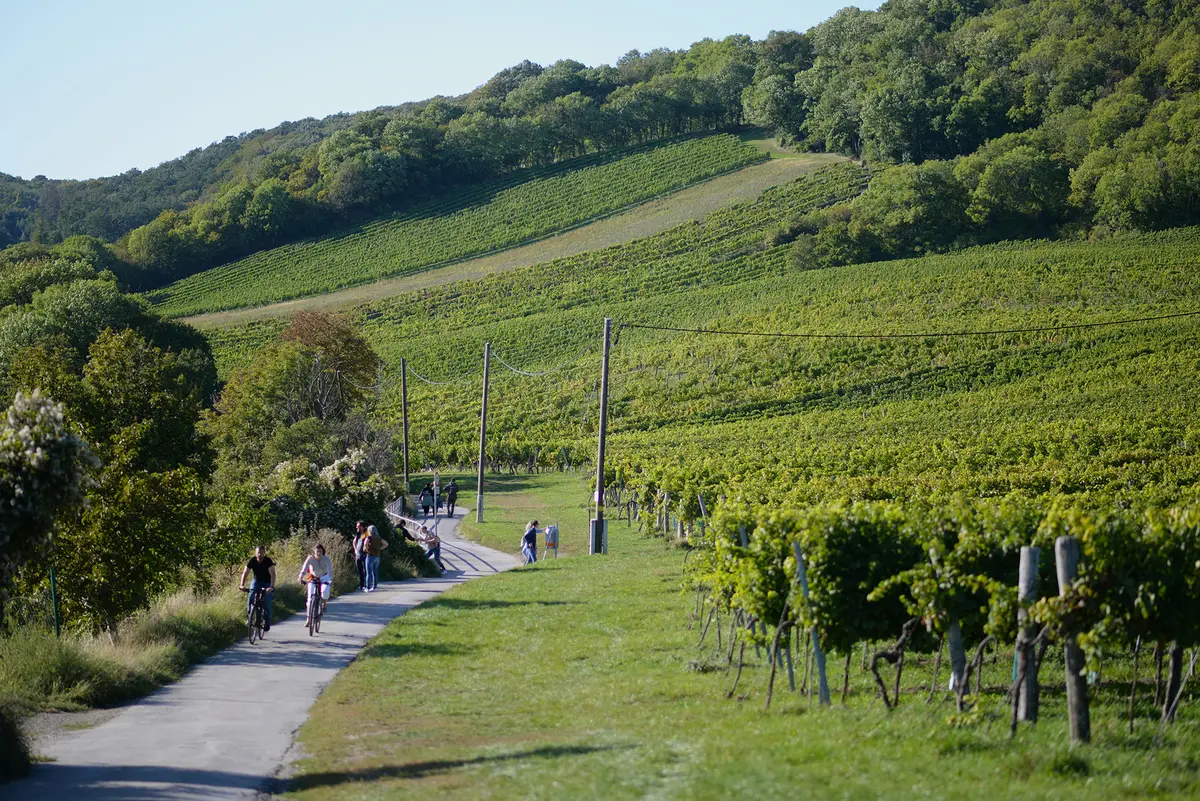
If you’re feeling even more ambitious, get out of town without leaving the city limits. Within municipal boundaries, just minutes from the hustle and bustle, I’ve found working farms with super-fresh cuisine and hiked in the Vienna Woods, which overlook the city’s skyscrapers and centuries-old sites and are home to deer and wild boars.
Amazingly, Vienna’s boundaries also include many wineries, which climb the flanks north and west of town. They’ll invite you inside for a taste of their delicate whites and light reds. A tour here is a relaxing and elegant (and, really, ideal) way to finish a visit to this regal city.