
Sometimes, you visit a city, and disappointment inevitably follows. A fairytale vision is dashed by reality. The picture you had in mind does not materialize; the actual lived experience of visiting now replaces that imagined place.
That will never happen in Edinburgh. On my first visit there, many years ago, while standing up on the heights next to the castle, I thought: “Ah, yes, this is definitely Scotland.” It’s a sprawling, ancient place where the walls, roofs, and chimneys still bear the smoke stains from centuries of coal-burning stoves used to ward off the bluster of the harsh winters here. The atmosphere is stormy and dramatic. The city feels moody and, even now, somewhat mysterious. Here, you’ll find tartans and traditions. Honestly, I could just sit and listen to the locals chatting—full brogue—all day long.
Arrival
Edinburgh Airport (EDI) is relatively small, but mighty, connecting the city to some 150 destinations. Its first runways date back to 1916, when it was the northernmost air base of the Royal Flying Corps (which became today’s Royal Air Force) during the First World War. EDI offers a small handful of year-round nonstops to North America, including flights to New York and Washington. It also offers several additional seasonal, direct flights to Boston, Philadelphia, Toronto, Montreal, Atlanta, and other destinations.Is Scotland a Country?
Ask the above question to anyone who lives here, and expect a full-throated response. Try it. It’s a fun exercise in the passion of national identity. (The first time I mentioned this to a Scot, decades ago, I got an earful.)The short answer is yes. The reality is complicated and, of course, rooted in many centuries of history. The Kingdom of Scotland was established in the 9th century, and the Scots and English have been longtime adversaries, with the Scots battling the English in the Wars of Independence in the 13th and 14th centuries. In 1707, the two formally merged into the Kingdom of Great Britain.

Today’s United Kingdom (UK) includes Wales and Northern Ireland, and the Scots emphasize that it is a union of equals, not one in which they are subjugated to England. Although it’s not an independent state, Scotland maintains its own parliament (in Edinburgh) and legal system. A 2014 referendum rejected full independence by a relatively narrow margin of 55 to 45 percent, and the subject remains a topic of ongoing conversation here.

Of course, the Scots remain culturally distinct and fiercely proud. While the UK handles most international duties, the Scottish Parliament attends to largely domestic affairs—also, fun fact: The national animal of Scotland is the unicorn.

Visit the Castle
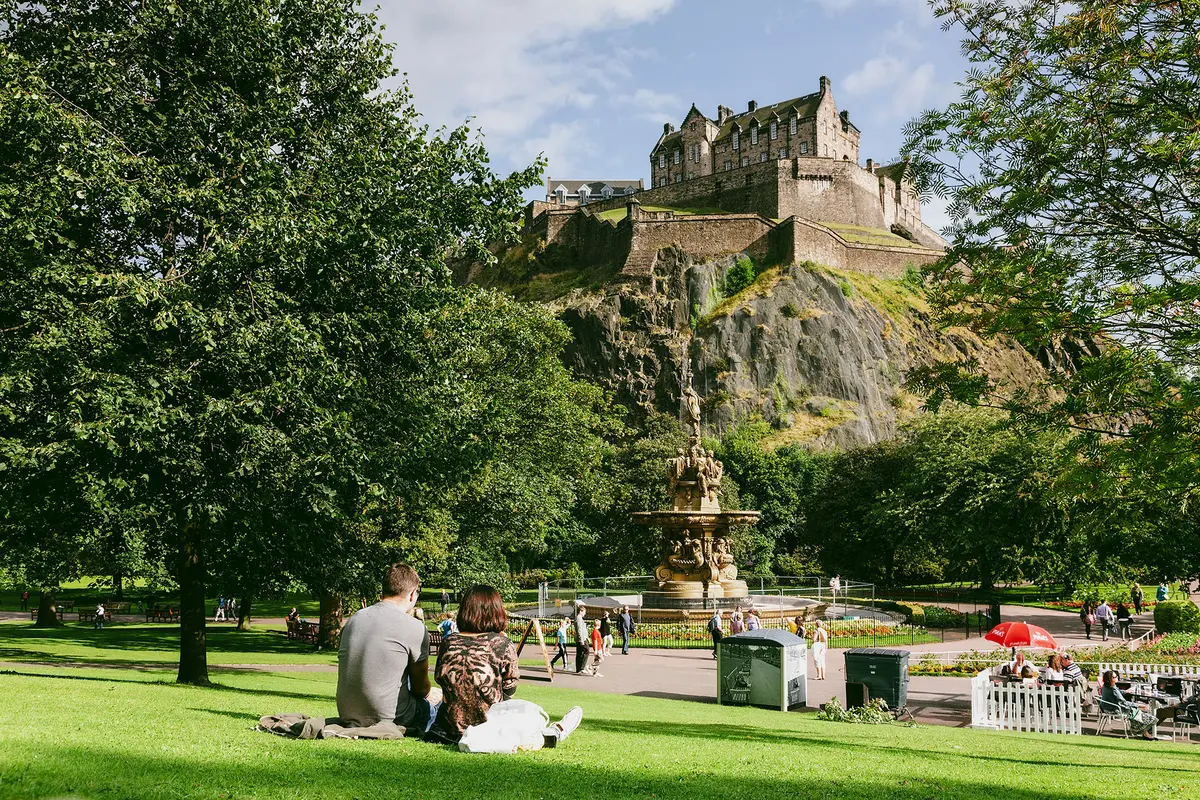
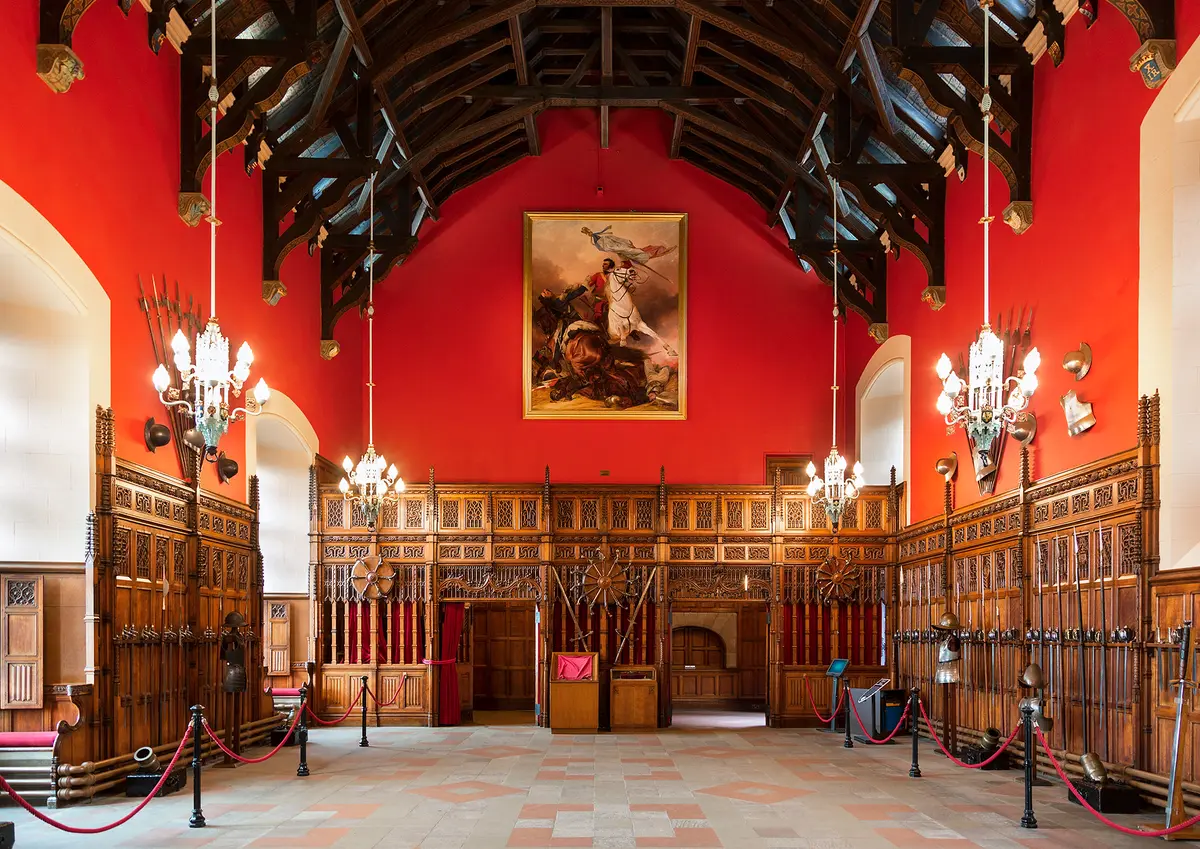
Even if you’ve visited other castles across Europe, I guarantee it: you’ve never seen anything quite like Edinburgh Castle. Seeming to grow out of Castle Rock literally, it crowns the city and is visible from almost anywhere in town. People have lived on that high point since the Iron Age, and the first version of the Castle dates back to the 11th century.In addition to being a royal residence until the 17th century, it’s served in various roles, from a military garrison to a mint to a prison. From the Great Hall to St. Margaret’s Chapel to the National War Museum (and even high tea on Crown Square), it’s the kind of place where you could spend a whole day—or week. If the timing lines up, come for the daily firing of the one o’clock gun.
And hot tip: book your ticket online, as far in advance as possible. This is the city’s most popular attraction, and spots often sell out during high season. Once you’re done, descend the Royal Mile, through the heart of the city, where you won’t have to walk more than a couple of blocks to hear a busker playing bagpipes.
Trust me: Try the Haggis
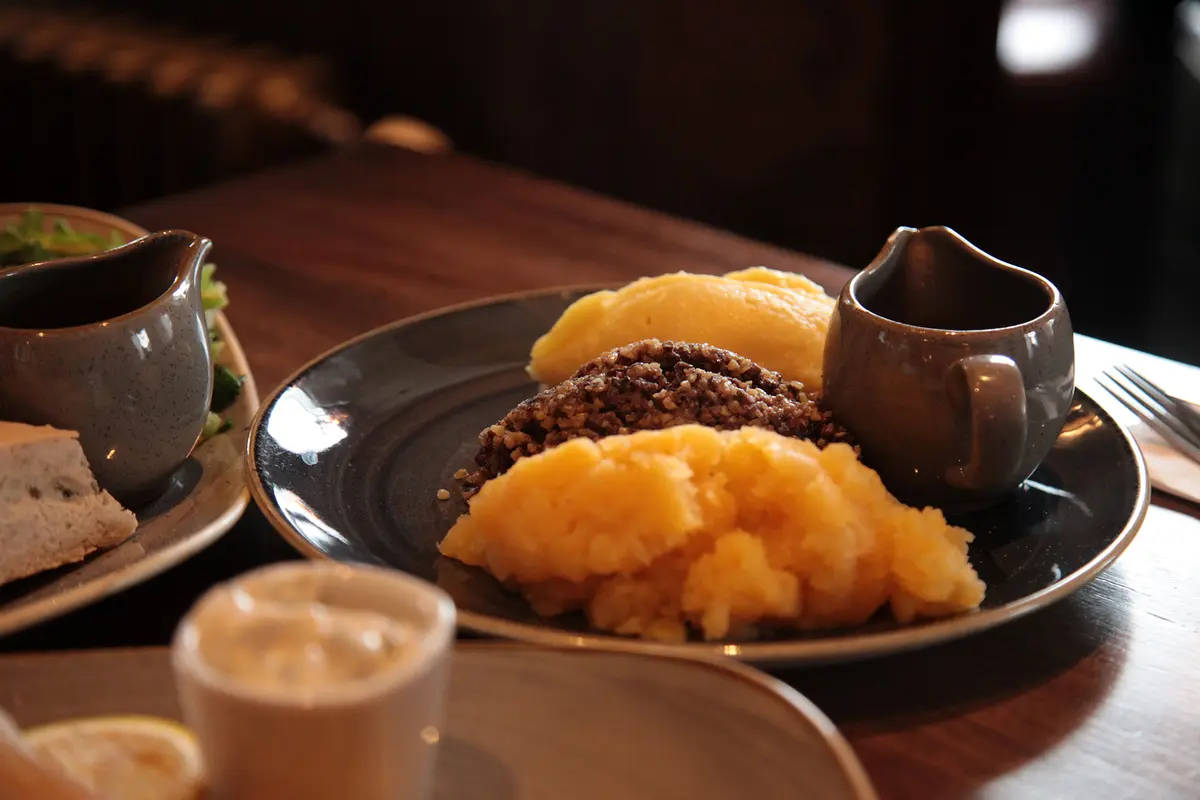
Right, so take the organs of a sheep—lungs, liver, heart. Mix them with onions, spices, and oats. Then cook it all up … inside the sheep’s stomach. It sounds super-delicious, right?To say that haggis is an acquired taste is, well, a bit of an understatement. The first time I tried it, I expected the worst—and was pleasantly surprised. The dish came out steaming, a warm, savory, lightly spiced plate that was perfect on a typically tempestuous Scottish day. Depending on where you order it, haggis can also be a bit gamey and wild.
For a first-timer, I recommend The Haggis Box, right on the Royal Mile. It’s a low-pressure, counter-service cafe with ultra-friendly owners and workers who will assuage any hesitations you might have. And even better: The little restaurant is located inside the Scottish Storytelling Centre. So after lunch, hang around for a traditional tale.
And, of Course, the Whisky Too
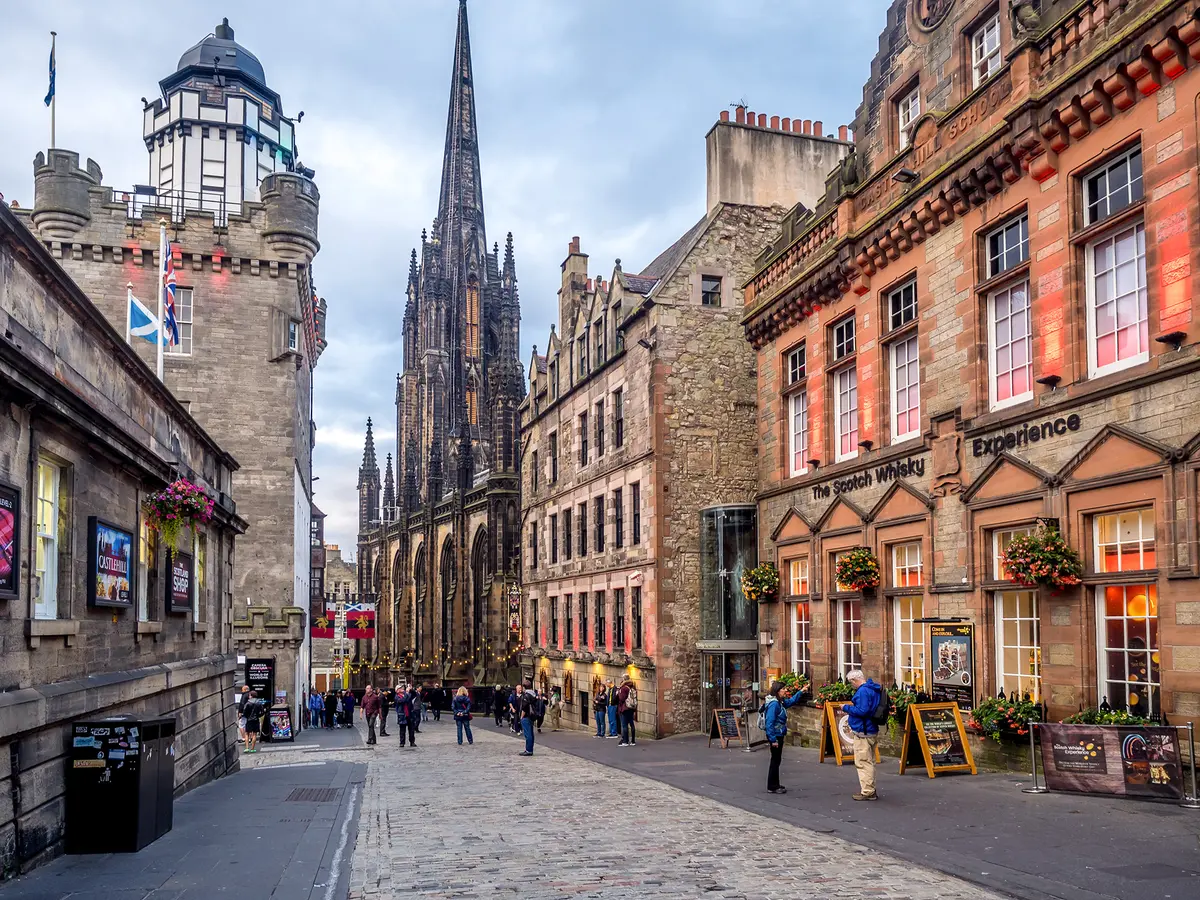
Is there anything more Scottish than whisky? Fortunately, beyond sipping a dram in the friendly bars and pubs across the city, Edinburgh offers several ways to enjoy its most famous spirit. The Scotch Whisky Experience is an excellent place to start.It’s just a few steps from the castle. Their basic, one-hour tour includes an immersive walk through the history and creation of the spirit, called “Origins, The Art of Whisky Making, Maturation.” It’s also a chance to view one of the world’s largest collections of the good stuff, and a tasting, at the end.
Head further down the hill to Princes Street to visit the Johnnie Walker flagship store. Johnnie Walker is the world’s most popular Scotch brand, dating back to 1820. The eight-floor flagship includes its own immersive experience tour (called Journey of Flavour), a rooftop bar, and a program that pairs chocolate with your favorite whisky flavors.
But if you’re tight on time (like I was, on my last visit), it’s worth just browsing through the ground-floor shop, which includes rare, exclusive, and very expensive bottles. I had a few questions, and found the clerks in the store eager to answer and help in any way possible.

Underground Tour
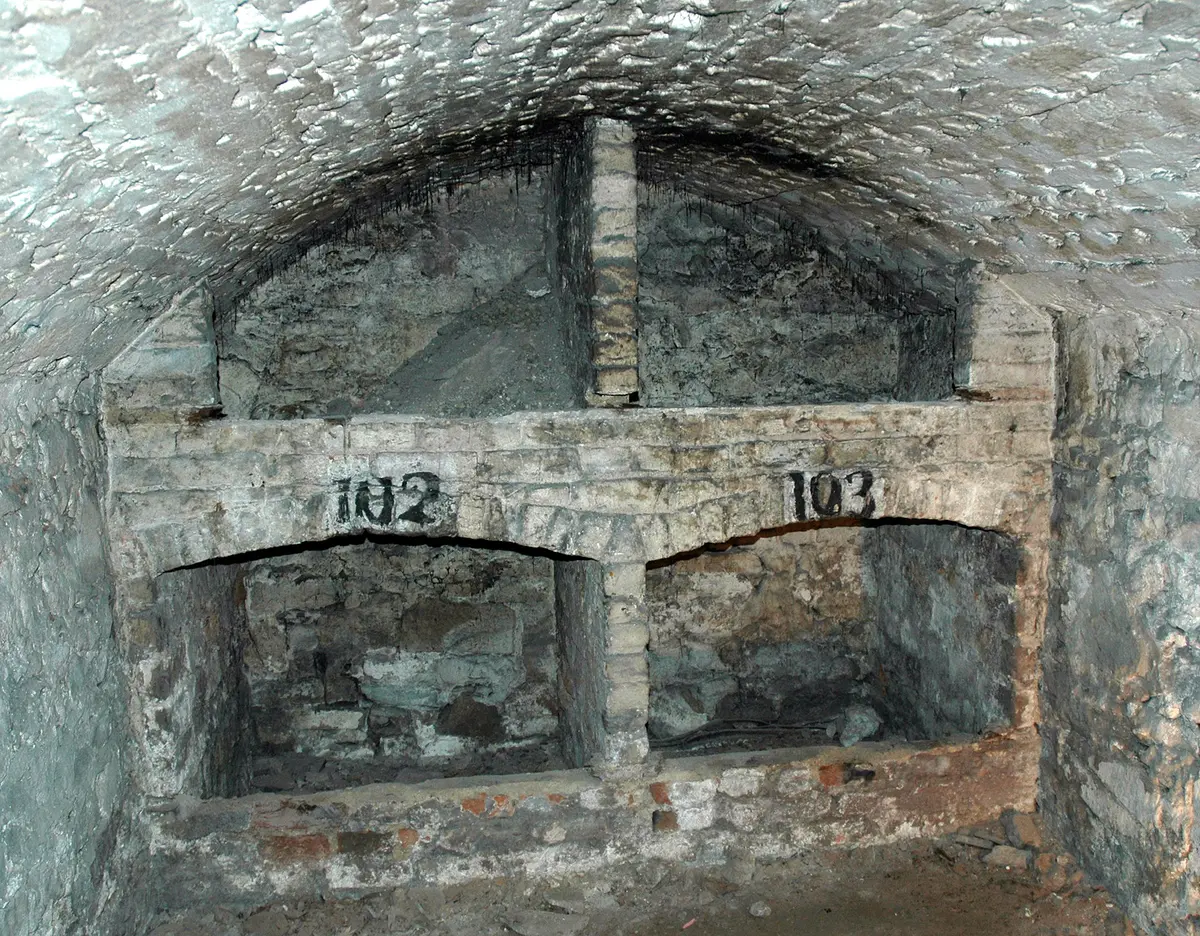
Just strolling around the Scottish capital, right at that moment when evening turns to night, you can almost hear the whispers of ghosts. Several walking tours play on Edinburgh’s sometimes seedy past, bringing guests to the most infamous corners, places of murder and mayhem, where you’ll feel haunted, in all the best ways.The finest visit the Underground City. In the late 18th century, the South Bridge Vaults were a sometimes villainous world unto themselves. They provided hideouts for criminals, illegal gambling dens, and distilleries. Even today, I can testify that they remain rather creepy, not hard to picture the nefarious activities—and people—who used to inhabit these dark, subterranean spots.
Meet Sherlock Holmes
While this famous, fictional “consulting detective” did most of his work in London, his creator, Sir Arthur Conan Doyle, was born in Edinburgh. And Doyle always noted that Dr. Joseph Bell, a surgeon at the Royal Infirmary of Edinburgh, inspired the character. Casual fans can pop by the Sherlock Holmes statue on Picardy Place, close to Doyle’s actual (but now demolished) birthplace.True devotees should absolutely take a tour that traces Holmes’s origins. A guide will lead you around the labyrinth of lanes in the Old Town and through Greyfriars Cemetery, where body snatchers used to lurk. Along the way, they’ll unearth the roots of Holmes, the places and people that spurred Doyle’s fertile and expansive imagination.
And even better: they’ll present puzzles for you to solve, like the detective himself. One question will be easy to answer. Should you visit Edinburgh? Well, that seems elementary, my dear readers. (Of course you should.)